Showing 5 cats
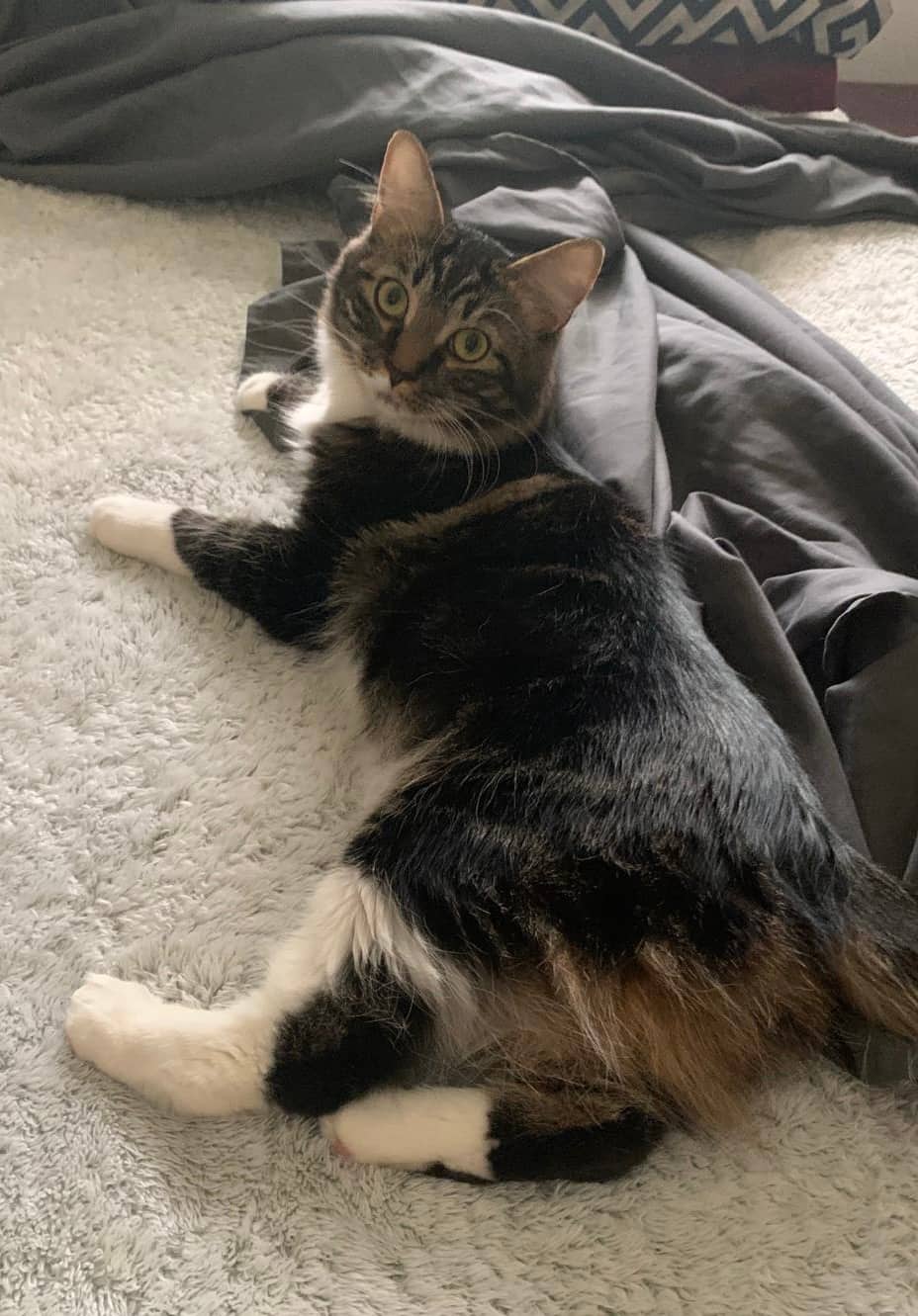

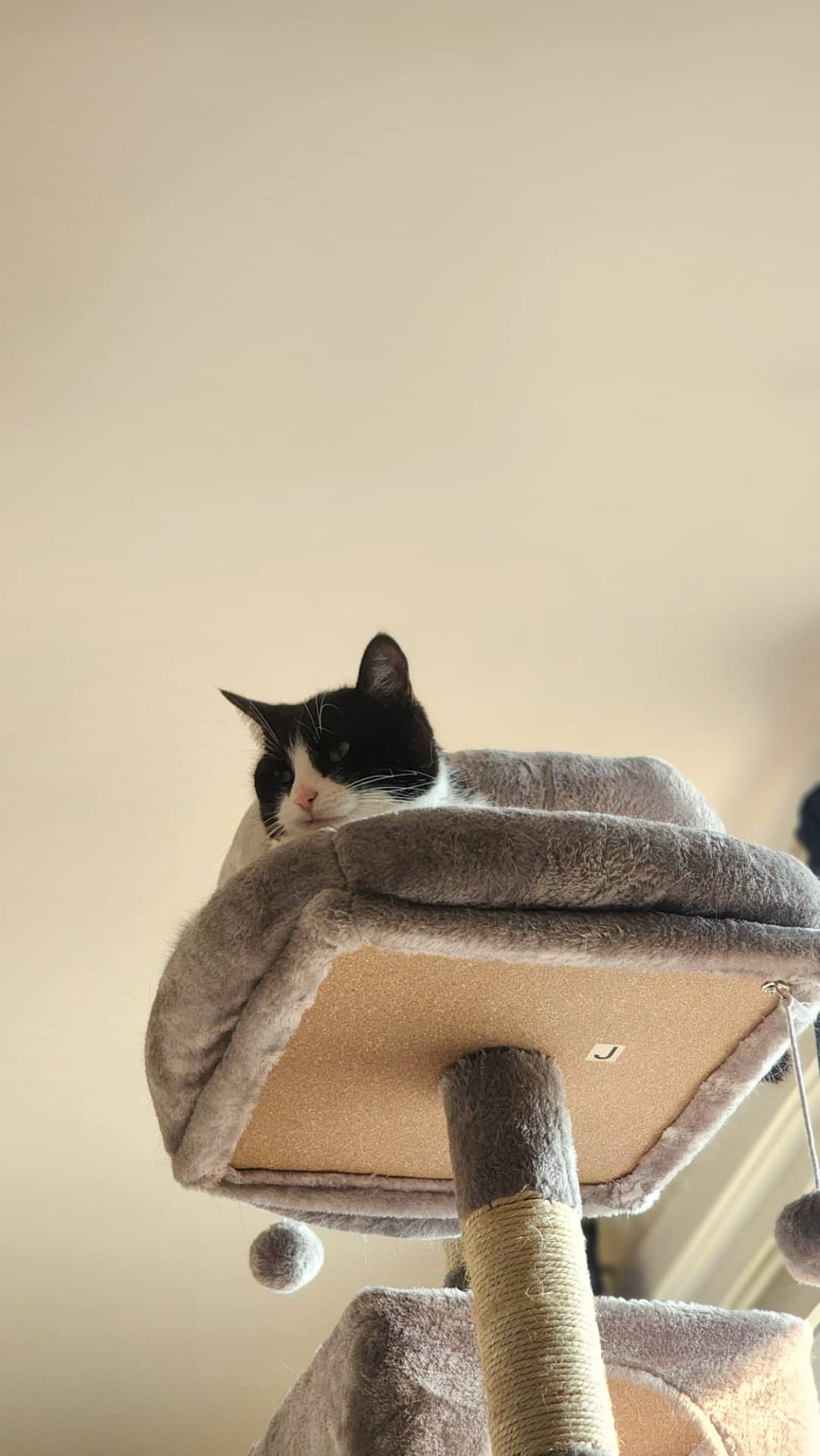
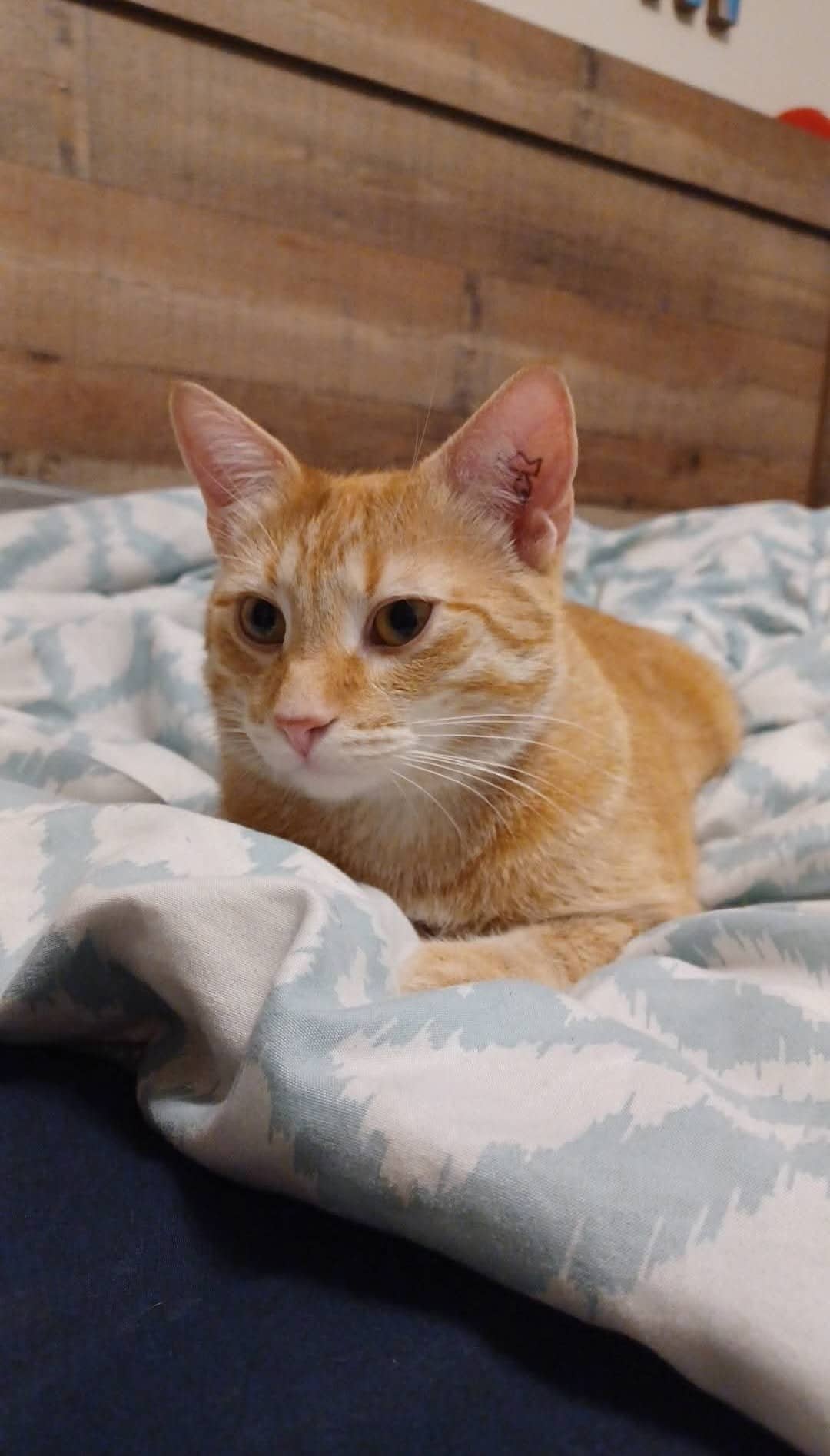
Nearly every Winnipeg cat rescue requires their cats to live indoors only. The prairie equation here is uniquely brutal: urban coyotes patrol the Assiniboine and Red River corridors year-round, winter wind chill regularly hits -40°C (frostbite on exposed paws and ears in under five minutes), Portage Avenue, Pembina Highway, and St. Mary's Road traffic kills any cat that wanders, hawks and great horned owls hunt small cats in older tree-canopy neighbourhoods, and Winnipeg carries one risk no other prairie city does at the same intensity — West Nile virus from mosquitoes, which can cross to cats in the worst summers. Outdoor cats in Winnipeg typically live 3 to 5 years; indoor cats routinely make it to 15 or beyond.
The cats listed here are specifically flagged as indoor-only by their shelter — they're used to indoor living, often previously lived in apartments, condos, or quiet houses, and don't have outdoor habits to unlearn. That makes them especially well-suited for Winnipeg condo dwellers, apartment renters in Osborne Village, Wolseley, or the Exchange District, and anyone living near the Assiniboine or Red River corridors where the coyote and traffic risk is highest.
Indoor cats need more enrichment from their humans — cat trees, window perches looking out at Winnipeg's magpies, chickadees, and squirrels, daily interactive play, and ideally a feline companion. The indoor vs outdoor cats in Winnipeg guide covers the trade-offs in depth. All cats listed here have indoor-only status confirmed by the rescue.
Why indoor-only is the Winnipeg standard
The Winnipeg Humane Society, D'Arcy's Animal Rescue Centre (D'Arcy's ARC), and Craig Street Cats won't place a cat into an unsupervised outdoor home. The reasons are specific to this city: Assiniboine and Red River corridor coyotes (verified urban presence through Assiniboine Park, Kildonan Park, La Barriere Park, and the Seine River greenway) hunt cats year-round; -30°C to -40°C wind chill kills outdoor cats within hours; Portage Avenue, Pembina Highway, St. Mary's Road, and the Perimeter Highway cut through every neighbourhood; alley fan-belt fatalities spike in winter when stray cats crawl into warm engine bays; great horned owls and Cooper's hawks take small cats from older treed neighbourhoods like Wolseley and River Heights; and Winnipeg's heavy summer mosquito season brings West Nile virus exposure that the city actively monitors. Supervised outdoor time on a leash or in a catio is fine; free-roaming is not.
Indoor enrichment ideas for Winnipeg homes
What makes indoor cats thrive is vertical space and engagement. A tall cat tree by a south-facing window doubles as a heated nap spot in winter and prime “cat TV” (magpies, chickadees, squirrels, the occasional ruffed grouse in older neighbourhoods like Wolseley, Crescentwood, and River Heights). Wall-mounted shelves let cats climb without taking floor space — useful in Exchange District lofts and Osborne Village condos. Wand-toy play 10 to 15 minutes daily, puzzle feeders for kibble, and a rotating toy supply keep boredom low. Two cats are easier than one because they entertain each other through the long winter months indoors — a real consideration when Winnipeg sits below freezing roughly November through March, with January wind chills regularly in the -40°C range.
Outdoor risks and Winnipeg cat licensing
Winnipeg's Responsible Pet Ownership By-law (By-law 92/2013) requires every cat six months and older to be licensed, with a discounted fee for spayed or neutered cats. The licence helps Animal Services return your cat if it ever gets out, but it's also a reminder that the city expects cats to be identifiable and managed. Combined with the concrete outdoor risks (Assiniboine and Red River corridor coyotes, -40°C wind chill causing frostbite within five minutes, Portage Avenue and Pembina Highway traffic, alley fan-belt fatalities, great horned owl and Cooper's hawk predation in treed neighbourhoods, and Winnipeg's well-documented summer mosquito and West Nile virus risk), indoor-only is both the safer and the more responsible default in Winnipeg. Catios and leash walks are encouraged for supervised outdoor time.
Winnipeg Indoor Cat FAQ
How many indoor cats are available for adoption in Winnipeg?▼
As of October 2026, 5 indoor cats are available for adoption in Winnipeg across 1 rescue on LocalPetFinder. Listings update regularly as pets are adopted and new ones arrive — browse them above and apply directly through the rescue.
Where can I find indoor cats for adoption near me in Winnipeg?▼
LocalPetFinder lists indoor-only cats from Winnipeg-area cat rescues including the Winnipeg Humane Society, D'Arcy's Animal Rescue Centre (D'Arcy's ARC), and Craig Street Cats. Most Winnipeg rescues require indoor-only homes because of Assiniboine and Red River corridor coyote presence, -30°C to -40°C wind chill, Portage Avenue and Pembina Highway traffic, hawks and owls in treed neighbourhoods, and summer West Nile mosquito exposure. Coverage spans central Winnipeg plus surrounding communities like East and West St. Paul, Headingley, and Oak Bluff.
Why do Winnipeg rescues require indoor-only homes?▼
Six concrete reasons unique to Winnipeg: Assiniboine and Red River corridor urban coyotes hunt cats year-round through Assiniboine Park, Kildonan Park, La Barriere Park, and the Seine River greenway; winter wind chill of -30°C to -40°C causes frostbite on exposed paws and ears within five minutes; major roads (Portage Avenue, Pembina Highway, St. Mary's Road, Perimeter Highway) cut through every neighbourhood; alley fan-belt fatalities spike in winter; great horned owls and Cooper's hawks take small cats from older treed neighbourhoods like Wolseley and River Heights; and Winnipeg's heavy summer mosquito season carries West Nile virus risk the city actively monitors. Outdoor cats in Winnipeg typically live 3 to 5 years; indoor cats live 12 to 18.
How long do indoor vs outdoor cats live in Winnipeg?▼
Indoor cats in Winnipeg typically live 12 to 18 years, with many reaching their early 20s. Outdoor cats average 3 to 5 years because of coyote predation, vehicle strikes, winter cold and frostbite, fights with other cats, hawk and owl predation, summer mosquito-borne disease exposure, and outdoor parasites and infections. The lifespan gap is dramatic and well-documented across prairie cities.
Can indoor cats be happy without going outside?▼
Yes, with adequate enrichment. Indoor cats need vertical space (cat trees, wall shelves), interactive wand-toy play 10 to 15 minutes daily, window perches for outdoor stimulation, puzzle feeders that make them work for kibble, and ideally a feline companion. Cats given those four things live longer, healthier, and less stressed lives than outdoor cats.
Are indoor cats good for Winnipeg apartments and condos?▼
They are ideal. Indoor cats use vertical space rather than horizontal, are quiet compared to dogs, do not need a yard, and most Winnipeg apartment buildings welcome cats without the breed restrictions or extra pet rent that dogs face. Cats listed as indoor-only in this category are specifically suited to apartment and condo life in neighbourhoods like Osborne Village, Wolseley, Exchange District, Corydon, and downtown.
What is a catio and do I need one in Winnipeg?▼
A catio is an enclosed outdoor cat patio that gives cats fresh air and sun without exposure to coyotes, traffic, hawks, or mosquitoes. It can be a screened balcony, a small backyard enclosure, or a window-box extension. Screened enclosures are especially valuable in Winnipeg because they keep mosquitoes out during peak West Nile season (typically July through September). Spring through fall they are heavily used; November through March they sit largely dormant because of the cold.
Do indoor cats in Winnipeg still need a city licence?▼
Yes. Winnipeg's Responsible Pet Ownership By-law (By-law 92/2013) requires every cat six months and older to be licensed, regardless of whether the cat goes outside. The fee is reduced for spayed or neutered cats. The licence helps Animal Services return your cat if it ever slips out, which can happen even with indoor-only cats, particularly during summer when doors and windows are open more often.
How do I keep an indoor cat from getting bored through Winnipeg winters?▼
Daily wand-toy play (10 to 15 minutes is plenty), puzzle feeders for kibble, vertical climbing space, a tall cat tree by a south-facing window for sun and bird-watching, and rotating the toy supply weekly. Two cats keep each other entertained, which matters during the five-month indoor stretch from November through March when Winnipeg temperatures stay below freezing, January wind chills routinely hit -40°C, and outdoor catio time is impractical.
Explore more Winnipeg cats
Adults, kittens, seniors — everything currently available from Winnipeg rescues.
Cats under 12 months. Peak supply runs May through September on the prairies.
Why Assiniboine corridor coyotes, -40°C wind chill, and West Nile mosquitoes make indoor-only the right call.
Day-by-day guide to the first week with your rescue cat. Decompression, hiding, eating, slow introductions, and the 3-3-3 rule.