Showing 29 cats


Get notified when an Orange Cat is listed
We will email you the moment an Orange Cat becomes available in Manitoba, from a rescue or an owner rehoming.
Orange cats in Manitoba rescue
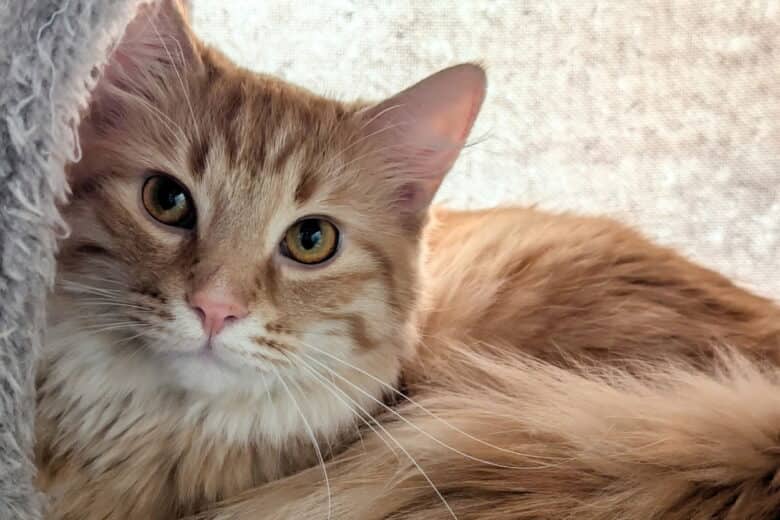
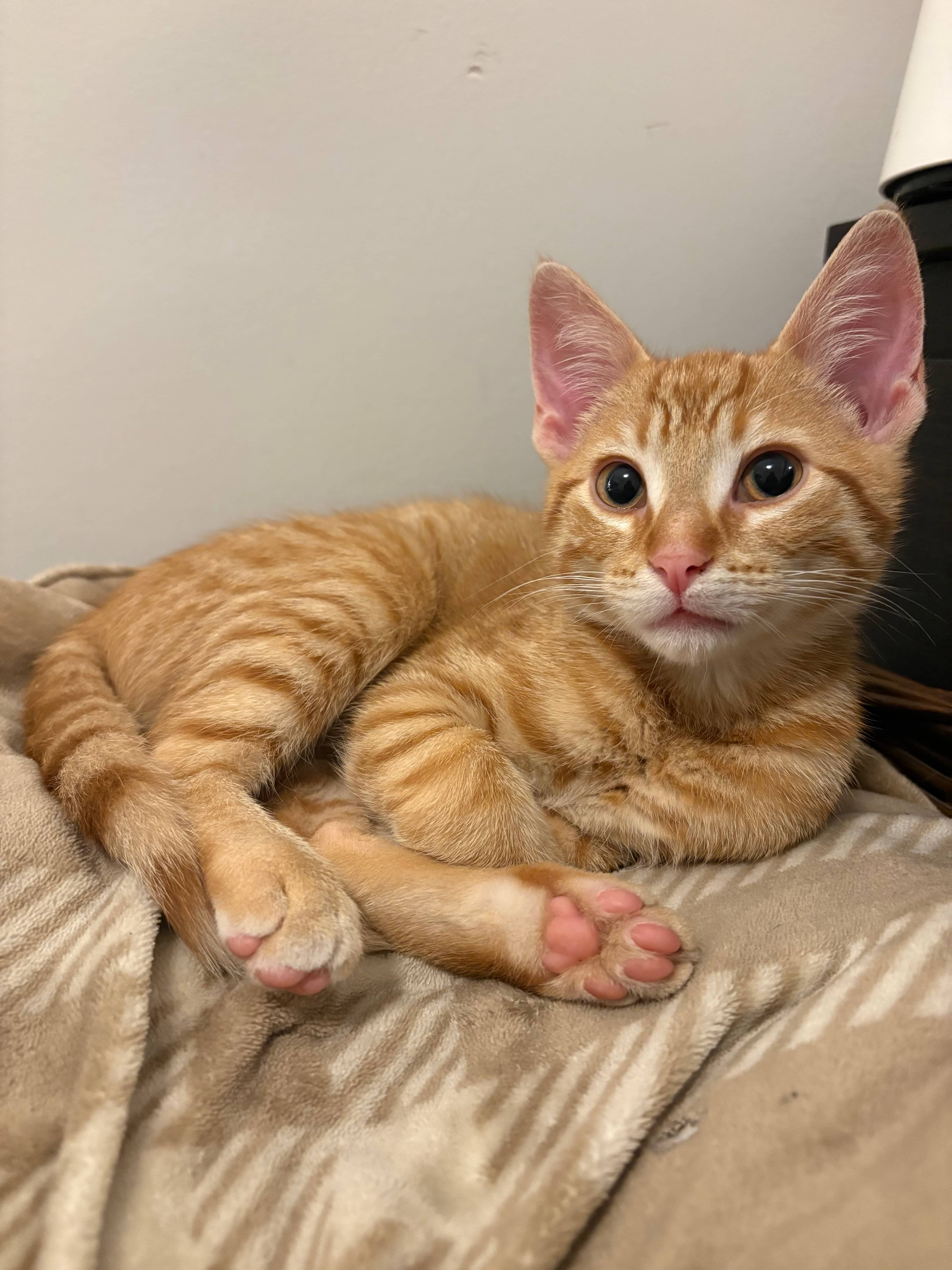
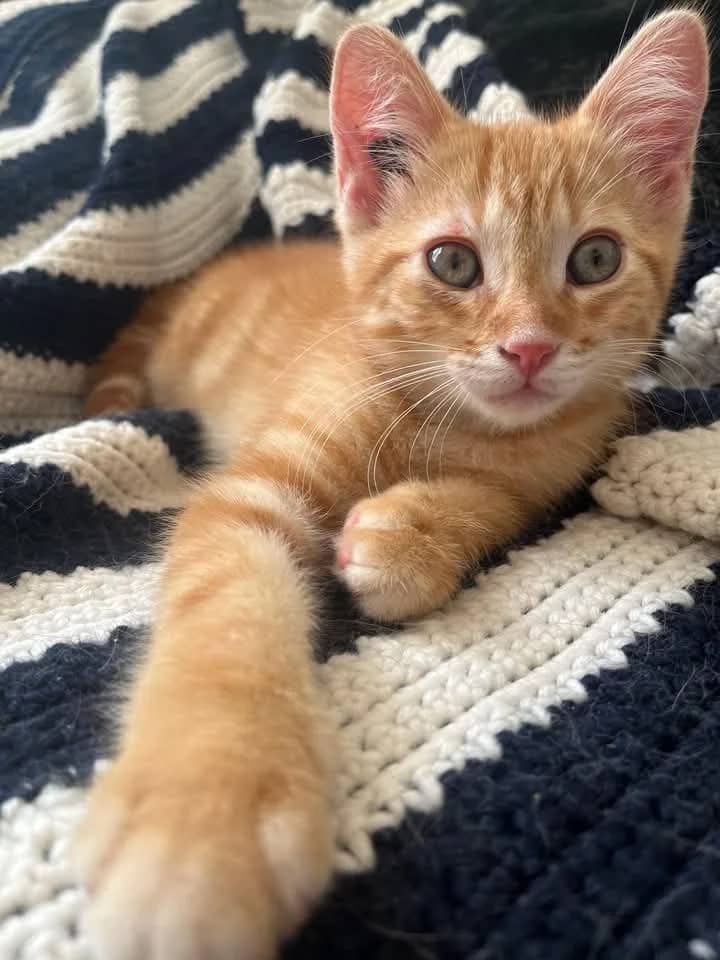
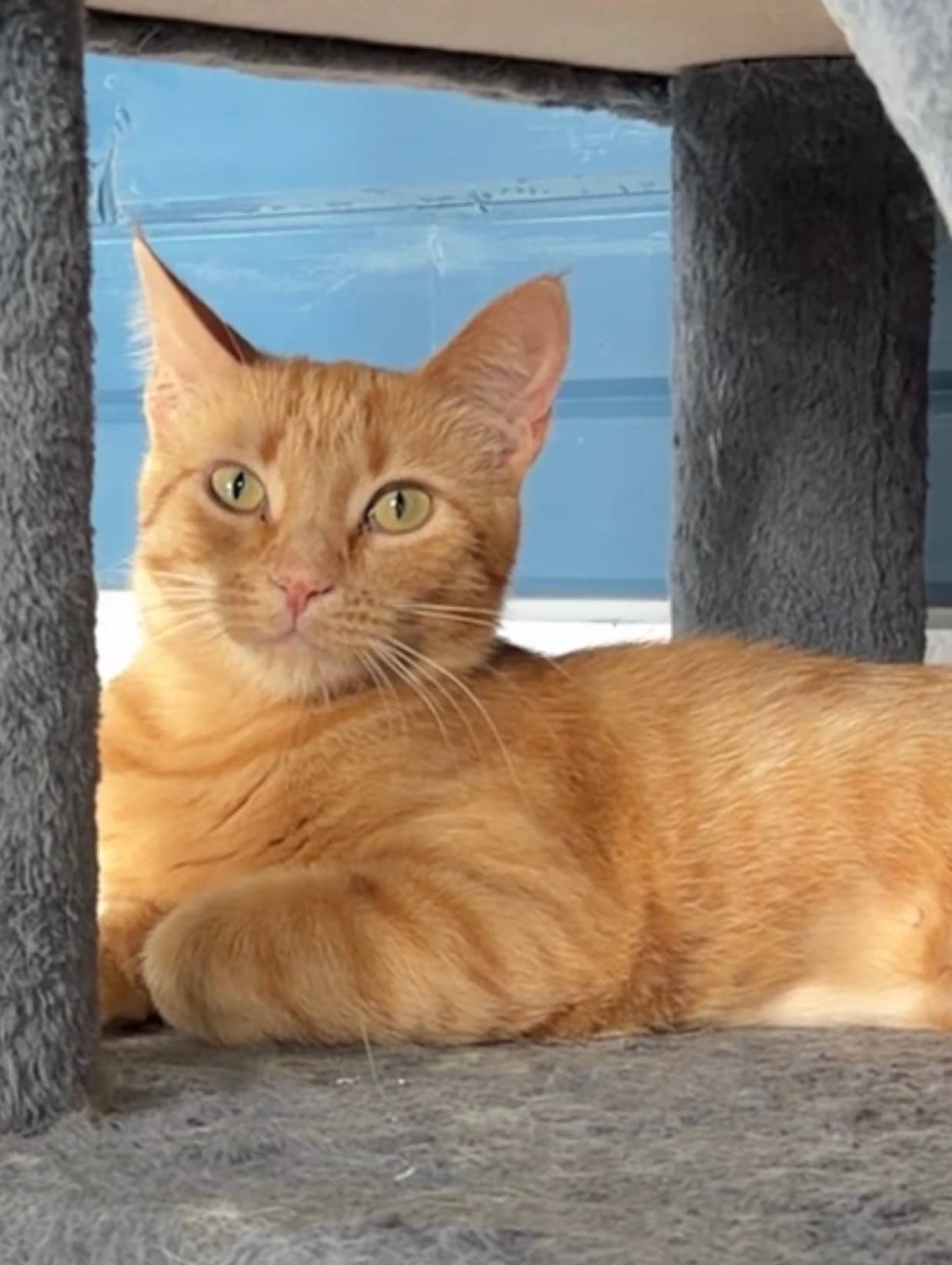
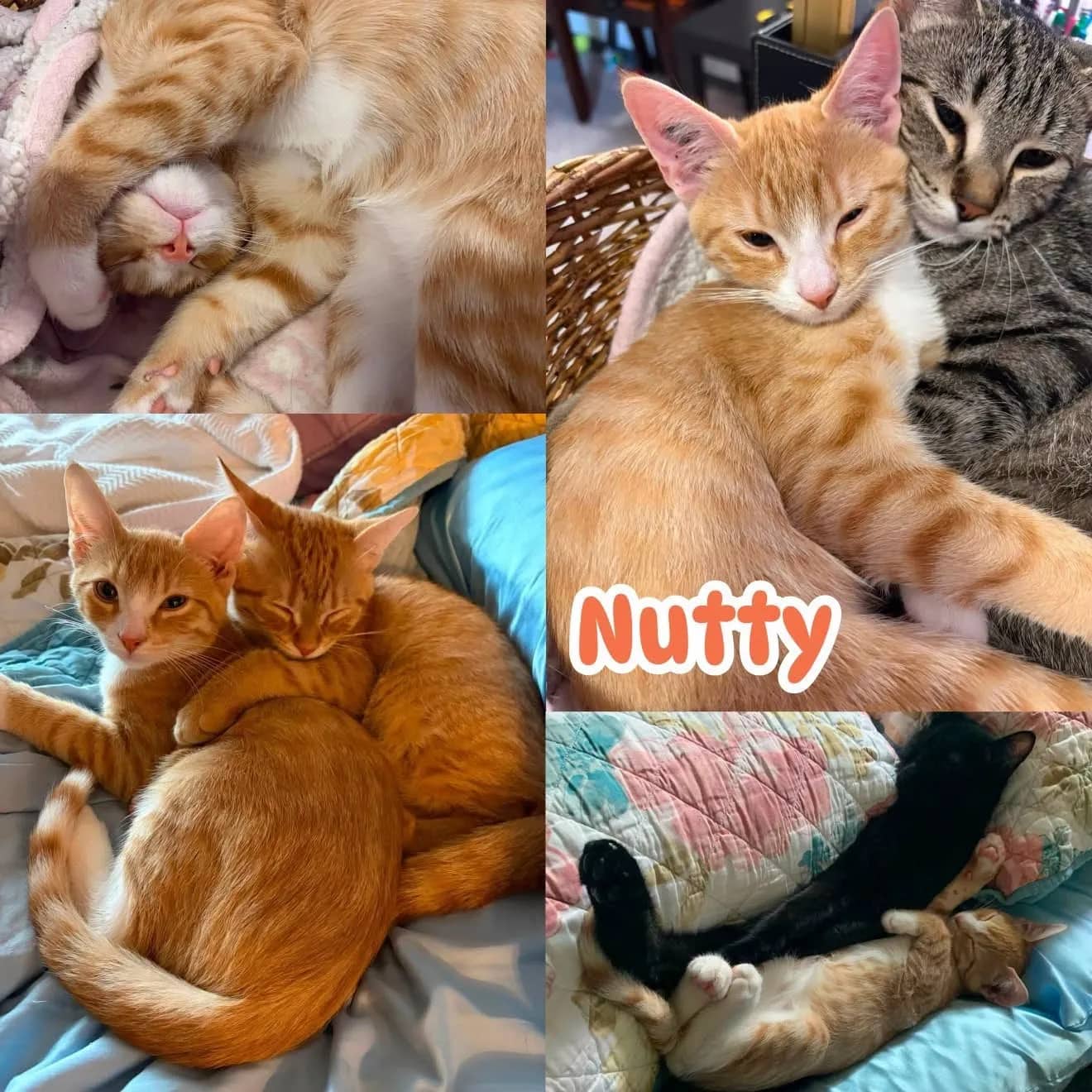
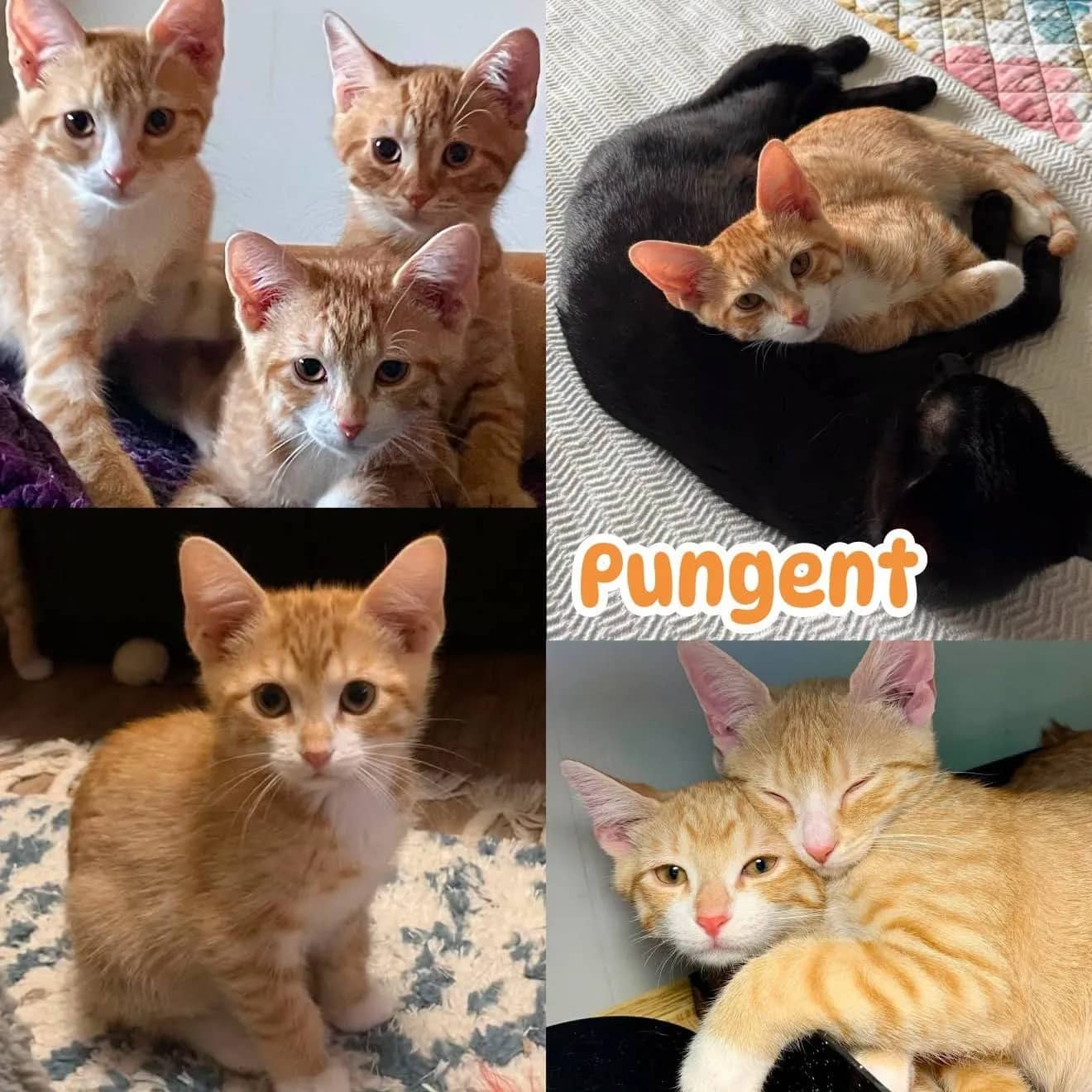
Orange cats, also called ginger or marmalade, appear steadily through Winnipeg Humane Society, D'Arcy's ARC and Craig Street Cats. They are less numerous than black cats but noticeably more sought after, so the advice inverts: when one is listed, apply promptly rather than waiting for a better option.
Roughly four in five orange cats are male, because the orange gene sits on the X chromosome and a male needs only one copy to express it. That is the precise mirror of tortoiseshells and calicos, where the same mechanism produces almost entirely females.
Tabby underneath, and two practical notes
The orange gene cannot produce a solid unpatterned coat, so every orange cat carries tabby markings even when faint. Look for leg stripes, a ringed tail, or the M above the eyes. Manitoba rescues use orange and orange tabby interchangeably, so search both terms.
Orange cats commonly develop lentigo, harmless dark freckles on the nose and lips that appear with age and look worse than they are. And ginger cats are frequently presented overweight whatever the reason, so sensible portions from week one beat correcting it later.
Looking more broadly? Browse every adoptable cat across the province on Cat Adoption Manitoba.
The rescues that most often list Orange Cats across the province are Winnipeg Humane Society, D'Arcy's ARC, and Craig Street Cats.
Orange Cat Adoption FAQ — Manitoba
How many Orange Cats are available for adoption in Manitoba?
As of September 2026, 29 Orange Cats are available for adoption in Manitoba across 10 rescues on LocalPetFinder. Listings update regularly as cats are adopted and new ones arrive — browse the current Orange Cats above and apply directly through the rescue.
Where can I adopt an orange cat near me in Manitoba?
LocalPetFinder gathers adoptable orange and ginger cats from the Manitoba rescues we cover, including Winnipeg Humane Society, D'Arcy's ARC and Craig Street Cats. Orange cats are popular and get claimed faster than black or grey cats, so check often and have your application details ready. Listings refresh regularly.
Why are most orange cats male?
The orange colour gene sits on the X chromosome. A male has one X, so a single copy makes him orange, while a female has two and needs the gene on both. That produces roughly an 80 to 20 split favouring males, exactly opposite to tortoiseshells and calicos, which are almost entirely female through the same mechanism.
Are all orange cats tabbies?
Genetically, yes. The orange gene cannot produce a solid coat, so every orange cat carries tabby markings even when subtle. Faint leg stripes, a ringed tail or the forehead M usually reveal it. That is why some Manitoba listings say orange and others say orange tabby while describing the same cat.
Do orange cats have a distinct personality?
No study links coat colour to temperament, so the friendly, food-obsessed reputation is folklore. It is a persistent belief that many owners endorse, but the reliable approach is to ask the foster or shelter staff how this specific cat behaves, since they have actually lived with or observed it.
How much does it cost to adopt an Orange Cat in Manitoba?
Adopting an Orange Cat in Manitoba typically costs $100 to $300, and kittens usually carry a premium at $200 to $400. The exact fee varies by rescue, and older cats are often reduced. That fee is not a purchase price. It covers work already done on the cat: spay or neuter, vaccinations, deworming, microchip, and a basic vet workup, which would cost several hundred dollars more if you arranged it yourself after buying. Colour is not a breed, so there is no breeder route to this coat specifically, and the fee reflects the cat's age and the veterinary work already done rather than its markings. Ask the rescue what is included before you apply, since a few include extras like a starter bag of food or a first-month insurance trial.
Popular cat breeds in Manitoba
Orange Cat adoption by city in Manitoba
Each city page lists only the orange cats available from rescues serving that city.