Showing 247 cats
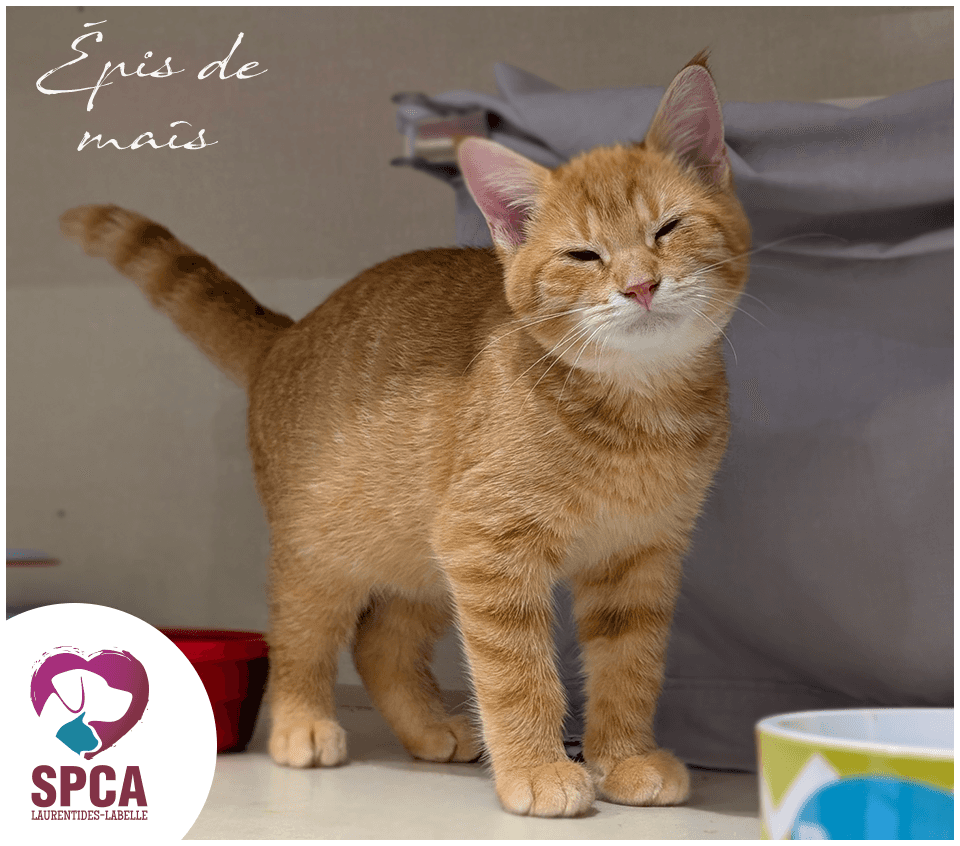
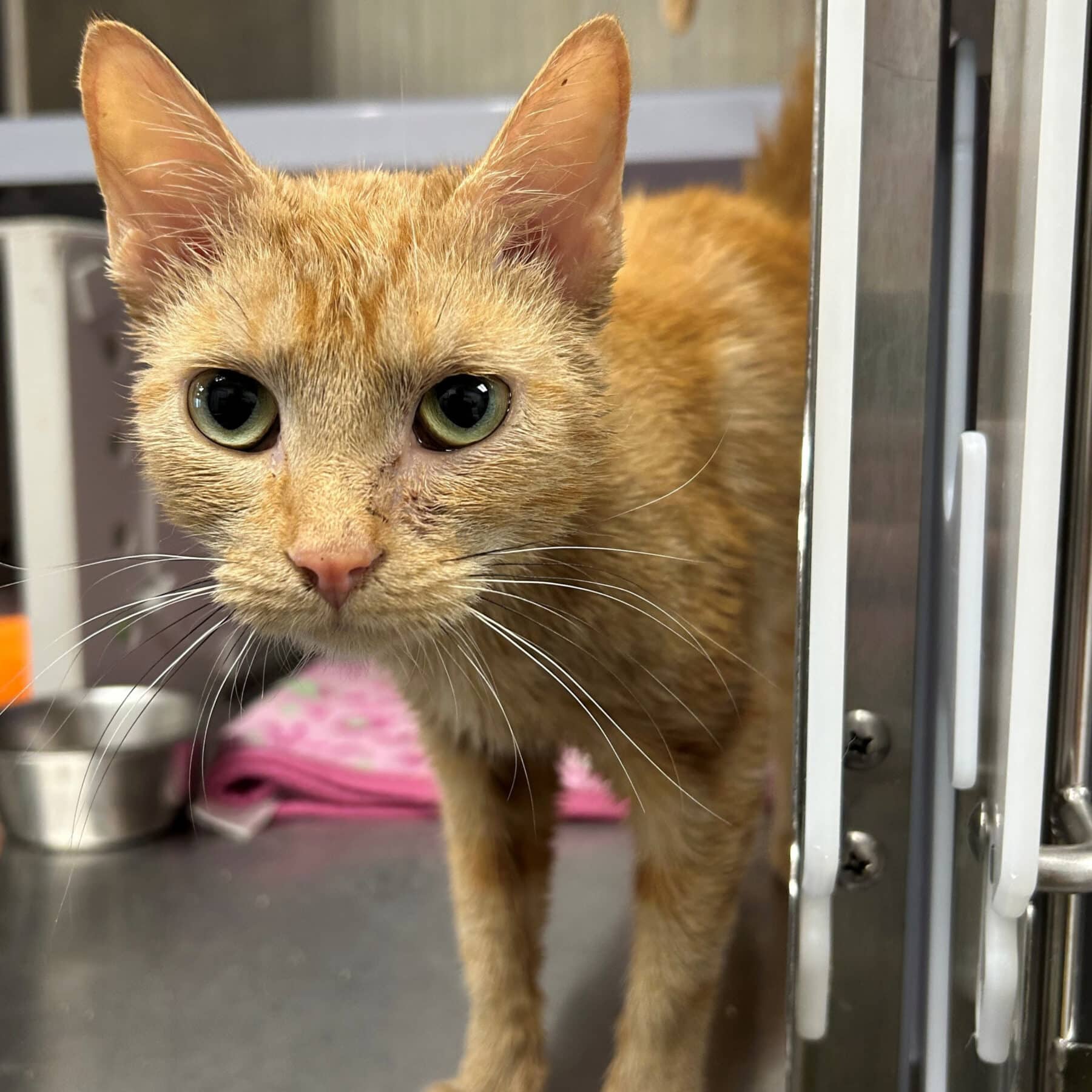
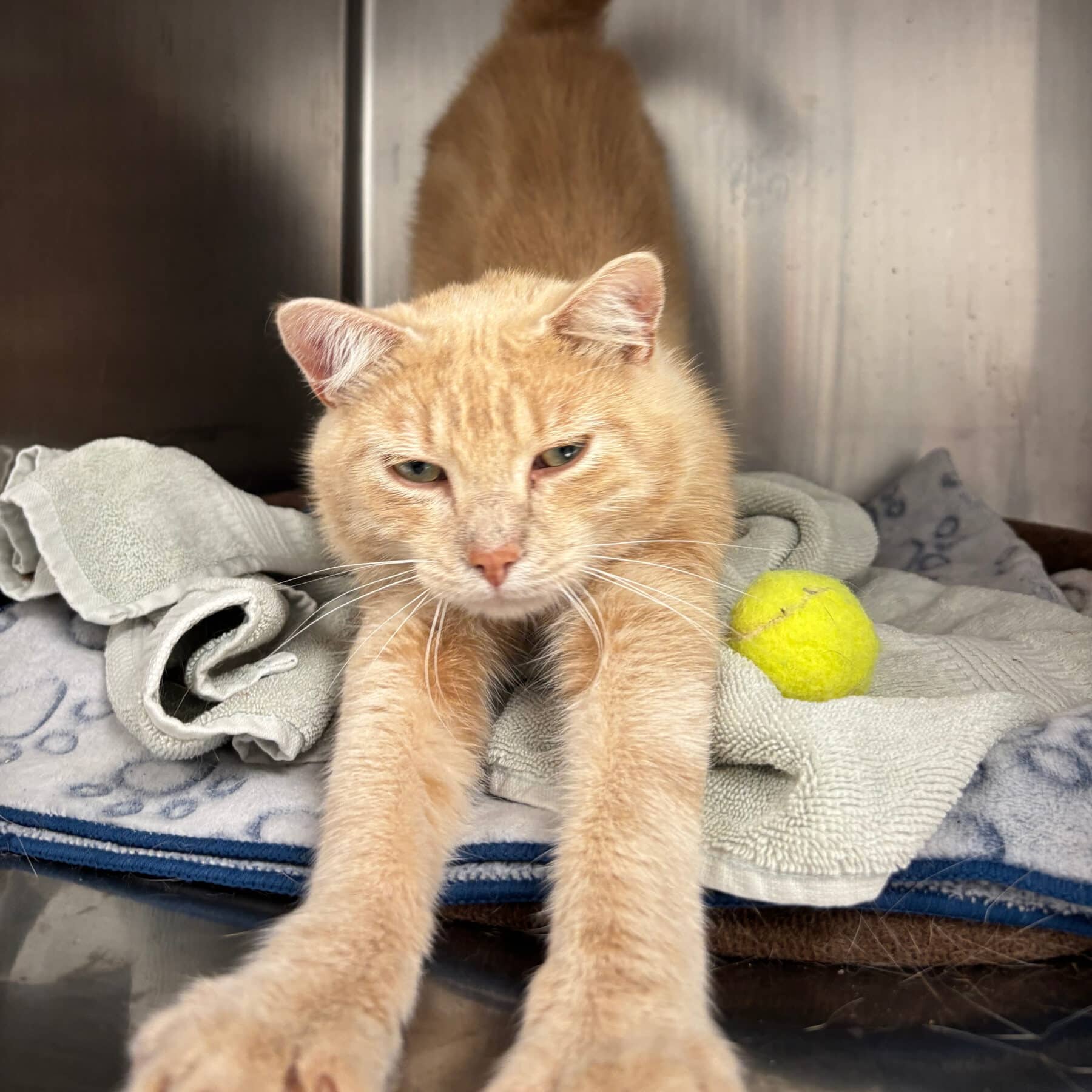

Browse orange cats by city
Ontario
Manitoba
British Columbia
Saskatchewan
Newfoundland and Labrador
Nova Scotia
New Brunswick
Get notified when an Orange is listed
We will email you the moment an Orange becomes available in Canada, from a rescue or an owner rehoming.
Why most orange cats are male
Orange cats run the opposite way to tortoiseshells and calicos: roughly four in five are male. The mechanism is the same X-linked colour gene, working in reverse. A male cat has one X chromosome, so a single copy of the orange gene is enough to make him orange. A female has two X chromosomes and needs the orange gene on both.
That is why ginger toms are everywhere and ginger queens are noticeably less common. It is also why an orange female is not rare enough to be remarkable, unlike a male tortoiseshell, which requires a chromosomal anomaly rather than just longer odds.
Every orange cat is genetically a tabby
The gene that produces orange fur cannot also produce a solid, unpatterned coat. That means every orange cat carries tabby markings, even the ones that look plain at a glance. Look for faint stripes on the legs, a ringed tail, or the M-shaped marking above the eyes.
The practical consequence is that rescues use orange and orange tabby more or less interchangeably. If one listing says orange tabby and another says simply orange, they are usually describing the same kind of cat with different amounts of visible contrast.
- Mackerel: narrow vertical stripes, the most common orange pattern.
- Classic: broader swirls and blotches on the flanks.
- Ticked: banded individual hairs, so the cat can look almost solid until you look closely.
The orange cat reputation
Orange cats have acquired an internet reputation as friendly, food-obsessed and slightly undignified, the cat that shares a single brain cell with every other ginger. Like tortitude, it is affectionate folklore rather than science, and no study links coat colour to temperament.
It is worth noting how consistently owners endorse it, though. Whether that reflects something real or simply that outgoing cats get more attention, the sensible move is the same: ask the foster how this specific cat behaves rather than adopting the stereotype.
Two things worth knowing
Orange cats are prone to lentigo, harmless dark freckles that develop on the nose, lips and gums with age. It looks alarming the first time you notice it and is entirely benign, though any raised or changing spot should still be checked by a vet.
The food-obsession stereotype has a practical edge. Whatever the cause, orange cats are frequently surrendered or presented at clinics overweight, so portion control from day one is a reasonable default rather than something to sort out later.
Adopting an orange or ginger cat
Orange cats appear steadily in Canadian rescues at standard domestic shorthair fees. Because the colour is popular, they tend to be adopted faster than black or grey cats of similar age, so they reward moving quickly rather than waiting for the perfect listing.
- Search ginger and marmalade as well as orange. Rescues use all three.
- An orange female is less common but no more expensive. Do not let a seller price one as rare.
- Ask about weight and feeding history, given the breed-agnostic tendency toward obesity.
Orange Cat Adoption FAQ
Tap a question to expand
How many Oranges are available for adoption in Canada?▼
Why are most orange cats male?▼
Are all orange cats tabbies?▼
Do orange cats have a distinct personality?▼
Are orange cats common in Calgary rescues?▼
Looking for orange cat adoption in a specific city? Each city link above has a city-scoped page with local rescue context and city-specific FAQ. Or browse the Calgary Orange cat adoption guide for the most detailed local content we have.