1 Newfoundland puppy available in Manitoba
Under a year old, listed by rescues and shelters. Updated as shelters publish.
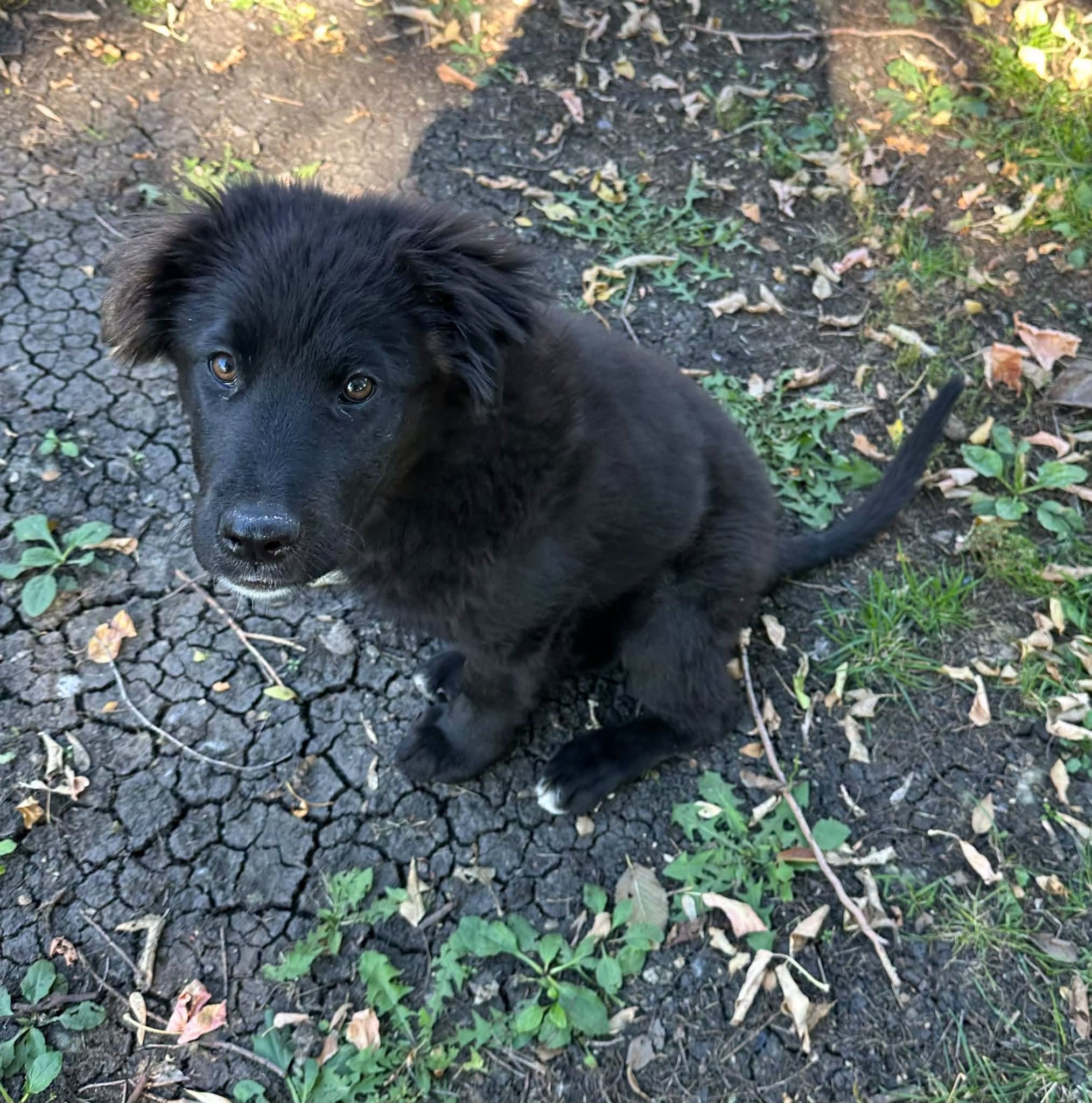
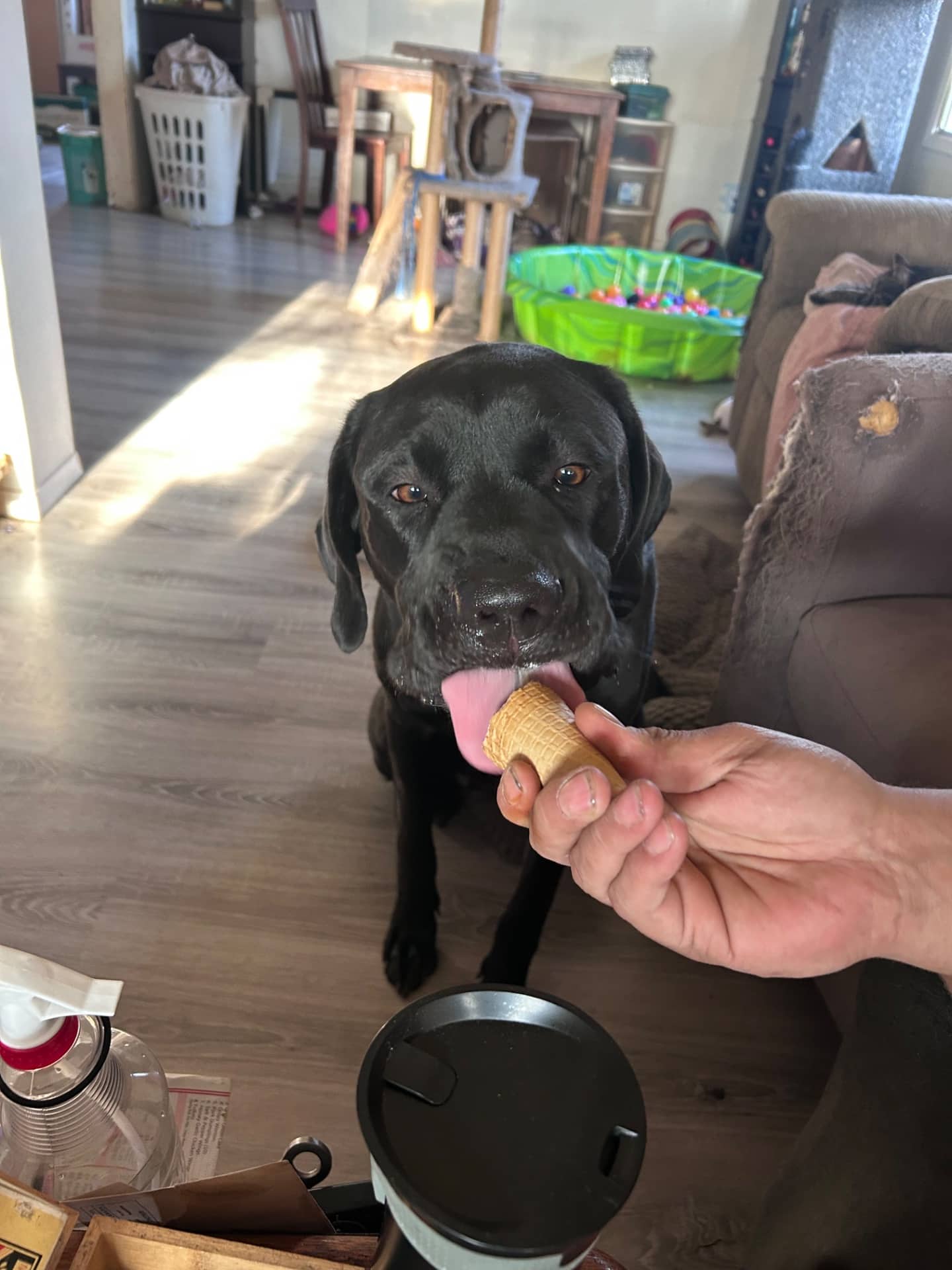
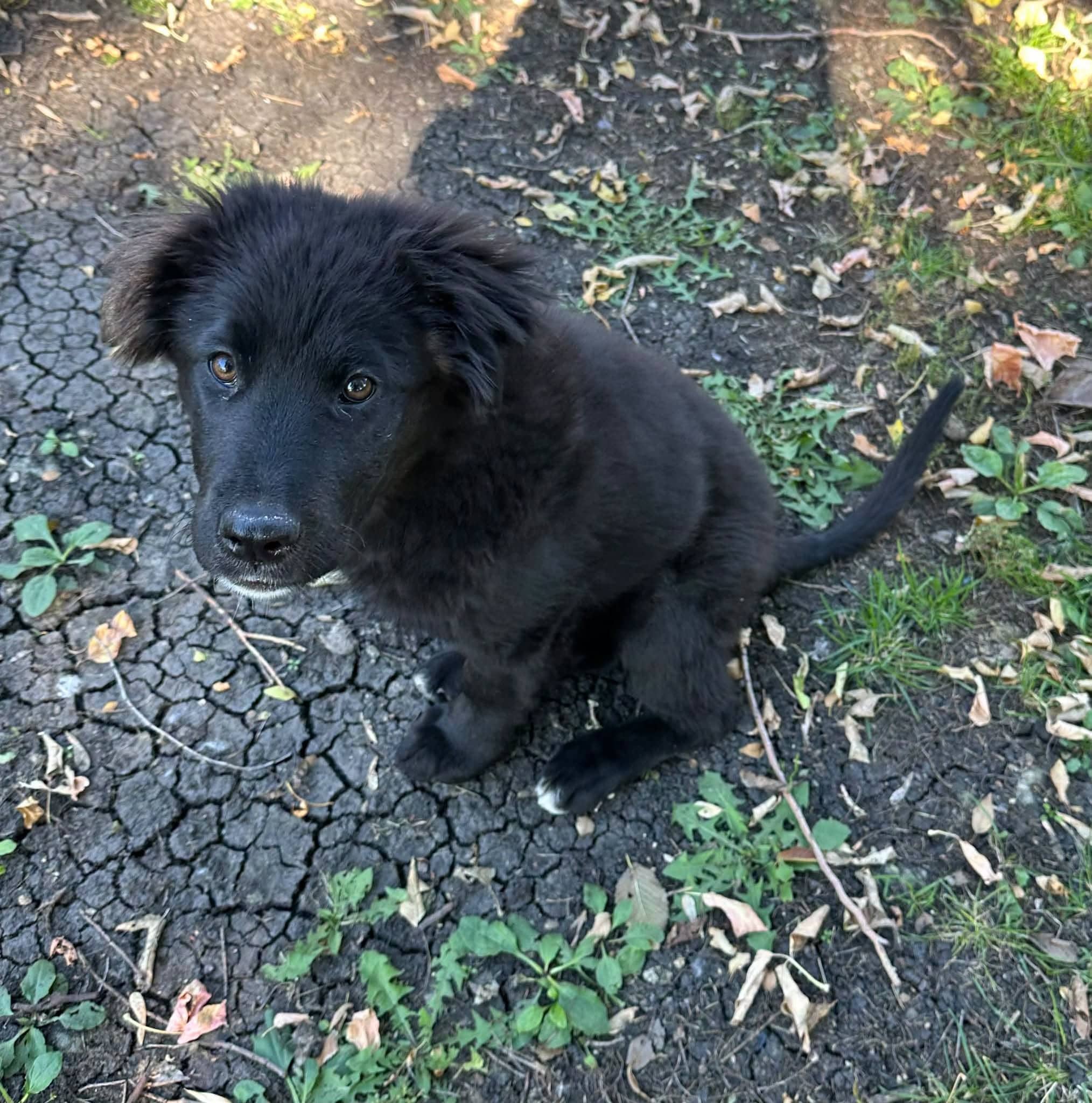
Showing 2 dogs
Get notified when a Newfoundland is listed
We will email you the moment a Newfoundland becomes available in Manitoba, from a rescue or an owner rehoming.
Adopting a Newfoundland in Manitoba
Purebred Newfoundlands are uncommon in Manitoba rescue, but Newfie crosses show up more regularly, and a true Newf does come through from time to time. Because they are rare, searching province-wide matters. We pull listings from Winnipeg, Brandon, and rescues that bring in dogs from across the province into one place, so when a Newfoundland or a big Newfie-type cross does appear, you see it.
The Newfoundland is a giant gentle dog bred to work in cold water, hauling nets and pulling people out of the surf. The temperament is famously sweet. These are calm, patient, devoted dogs that are wonderful with kids when raised right. But the size and the cost are not small details, and anyone adopting one needs to go in with open eyes.
The size is the whole conversation
A Newfoundland is enormous. Males commonly run well over 100 pounds and many are bigger. That changes everything about your life. You need a vehicle that fits the dog, floor space the dog can stretch out on, and a budget that scales with size. Food costs more. Medication is dosed by weight, so it costs more. A simple vet procedure that needs sedation costs more because the dose is larger.
This is not a dog you can casually pick up if it slips on ice or refuses to move. Think hard about whether your home, your car, and your back can handle a dog this big before you apply. A Newf is a joy, but it is a giant commitment in the most literal sense.
Manitoba climate fit: built for winter, suffers in summer
Here the breed and the province line up beautifully for half the year. The Newfoundland has a heavy double coat with a thick oily undercoat built for cold and water. A Manitoba winter is exactly what this dog was made for. The minus 30 nights, the minus 40 windchills, the five to six months of cold that crush a short-coated breed are no problem for a healthy Newf. Many of them genuinely love it and want to lie in the snow.
Summer is the opposite story and it is a real risk. Manitoba summers are hot and humid, often 32C with a heavy humidex. A dog wearing that much coat overheats dangerously in that weather. Heatstroke is a serious threat for Newfoundlands in a humid prairie summer. Plan on air conditioning, walks scheduled for early morning or late evening, constant access to water, and never leaving the dog in a warm car or yard. Mosquitoes and West Nile are an added summer concern across the province.
The drool and the coat are not optional extras
Two practical realities every Newfoundland owner lives with. First, they drool. A lot. After eating, after drinking, when excited, you will find slobber on walls, furniture, and your clothes. If a clean tidy house is important to you, this breed will test that.
Second, the coat soaks up everything and needs help drying. A Newf that goes out in wet snow or rain comes back heavy and damp, and that thick coat holds water against the skin. You will be towelling the dog off regularly through a Manitoba winter and during spring melt. Regular brushing is a must, especially during the heavy seasonal shed, or the coat mats.
Health to ask the foster about
Giant breeds carry serious health considerations and the Newfoundland is no exception. Ask the foster about hips and elbows, since joint dysplasia is common in large dogs. Ask about the heart, because the breed has a known risk of a condition called subaortic stenosis. Ask about any history of bloat or gastric issues, a life-threatening emergency that affects deep-chested breeds.
Be realistic about lifespan too. Newfoundlands have a shorter life expectancy than smaller dogs, often in the range of eight to ten years. A good foster or rescue will share whatever vet history they have. If the dog is older, ask specifically about mobility and any ongoing joint or heart care.
What it is like to live with a Newfoundland
Once you accept the size and cost, living with a Newf is a gentle, rewarding experience.
- Calm and patient indoors. This is not a hyperactive breed. Moderate daily exercise keeps them happy.
- Wonderful with children when raised and supervised properly. The nickname nanny dog is not an accident.
- Loves water. If you have access to a lake, a Newf will be in heaven.
- Drools constantly. Keep a drool rag handy and accept slobber as part of the deal.
- Sheds heavily and needs regular brushing plus drying after wet weather.
- Sensitive and people-oriented. They want to be near their family and do not do well left alone for long stretches.
What the adoption fee covers and how to search
A Manitoba rescue adoption fee typically covers spay or neuter, core vaccines, deworming, and a microchip, and often a vet check and any care the dog needed in foster. For a giant breed the medical work behind that fee is significant, since everything from anaesthesia to deworming is dosed by weight. The fee is set by each rescue, not by us.
Because purebred Newfoundlands are rare in MB rescue, set up an alert on this page so you are notified the moment one is listed. Use the filters to include Newfie crosses if a true purebred is not essential to you. When a match appears, you apply directly with the rescue and they make the decision.
Looking more broadly? Browse every adoptable dog across the province on Dog Adoption Manitoba.
The rescues that most often list Newfoundlands across the province are Winnipeg Humane Society, Manitoba Mutts Dog Rescue, and D'Arcy's ARC. For breed-specific background, the Canadian Kennel Club is a useful reference.
Newfoundland Adoption FAQ — Manitoba
Tap a question to expand
How many Newfoundlands are available for adoption in Manitoba?▼
Where can I find Newfoundland adoption near me in Manitoba?▼
Are Newfoundlands good in a Manitoba winter?▼
How much space and money does a Newfoundland need?▼
Do Newfoundlands really drool that much?▼
What health issues should I ask the foster about?▼
Is LocalPetFinder a shelter or does it charge fees?▼
How much does it cost to adopt a Newfoundland in Manitoba?▼
Can I get a Newfoundland free to a good home in Manitoba?▼
Are these Newfoundlands for sale in Manitoba?▼
Where can I buy a Newfoundland in Manitoba, and should I?▼
Are there free Newfoundlands in Manitoba, or newfoundlands under $500?▼
Are there Newfoundland puppies in Manitoba, or only adults?▼
Where can I find a Newfoundland near me in Manitoba?▼
Popular dog breeds in Manitoba
Newfoundland adoption by city in Manitoba
Each city page lists only the newfoundlands available from rescues serving that city, with local adoption details.
Need to rehome a Newfoundland?
If you can no longer keep your Newfoundland, you can list them for free on LocalPetFinder. Your dog stays in your home until you find the right family, you screen who applies, and there is no surrender fee. Not sure yet? Our guide to surrendering a dog in Canada walks through every option first.
List your dog for free →