Showing 25 dogs

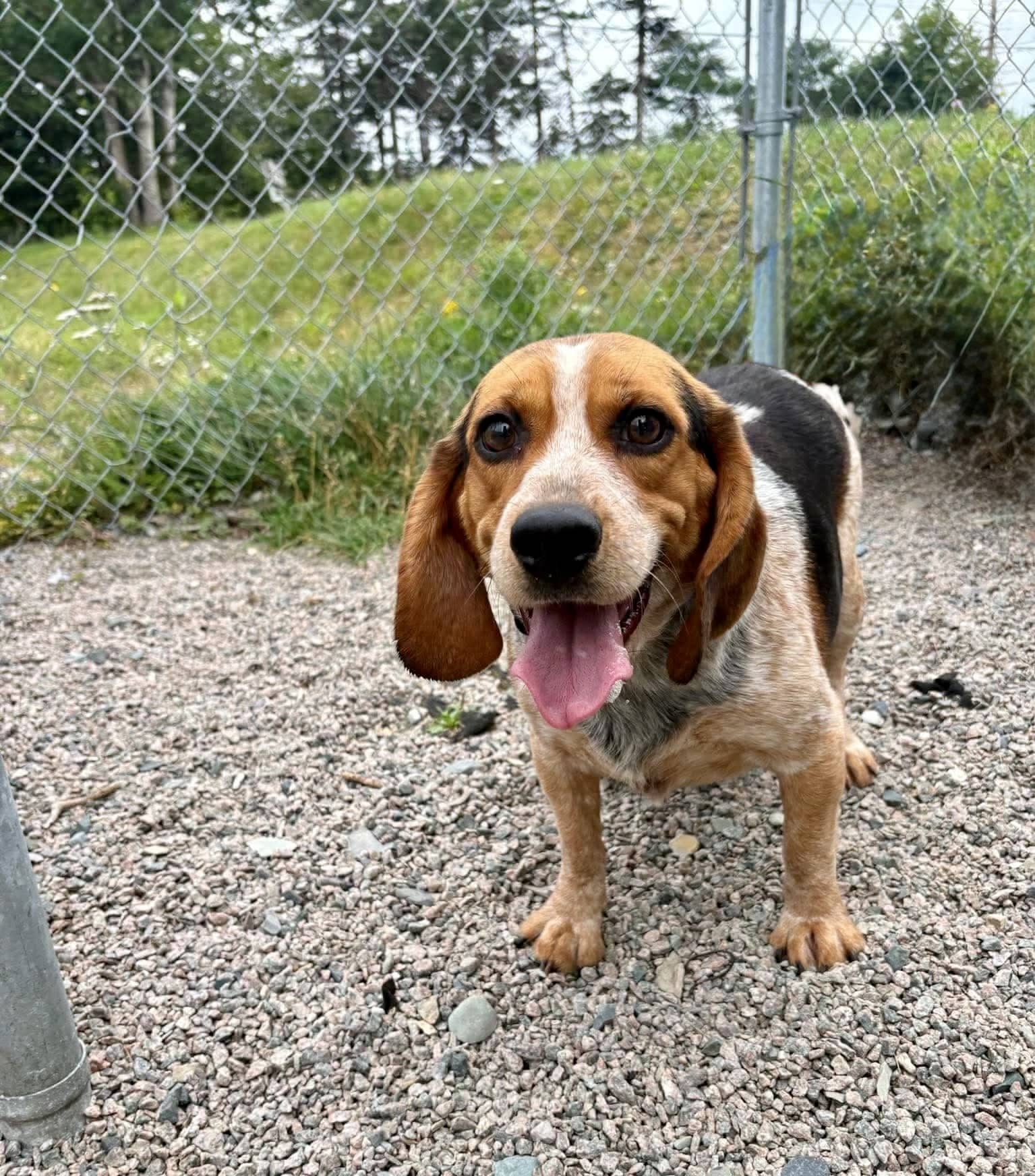
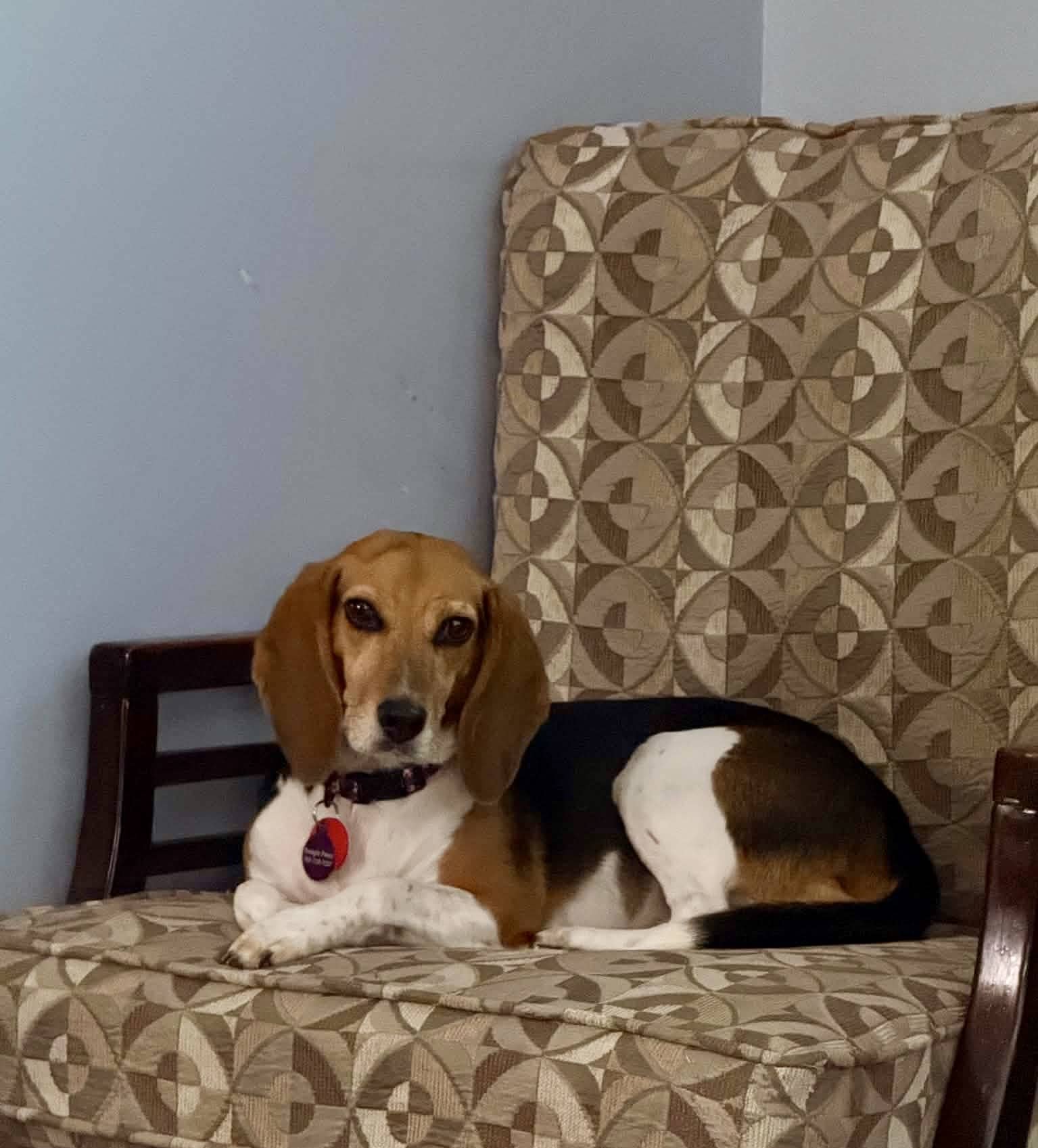

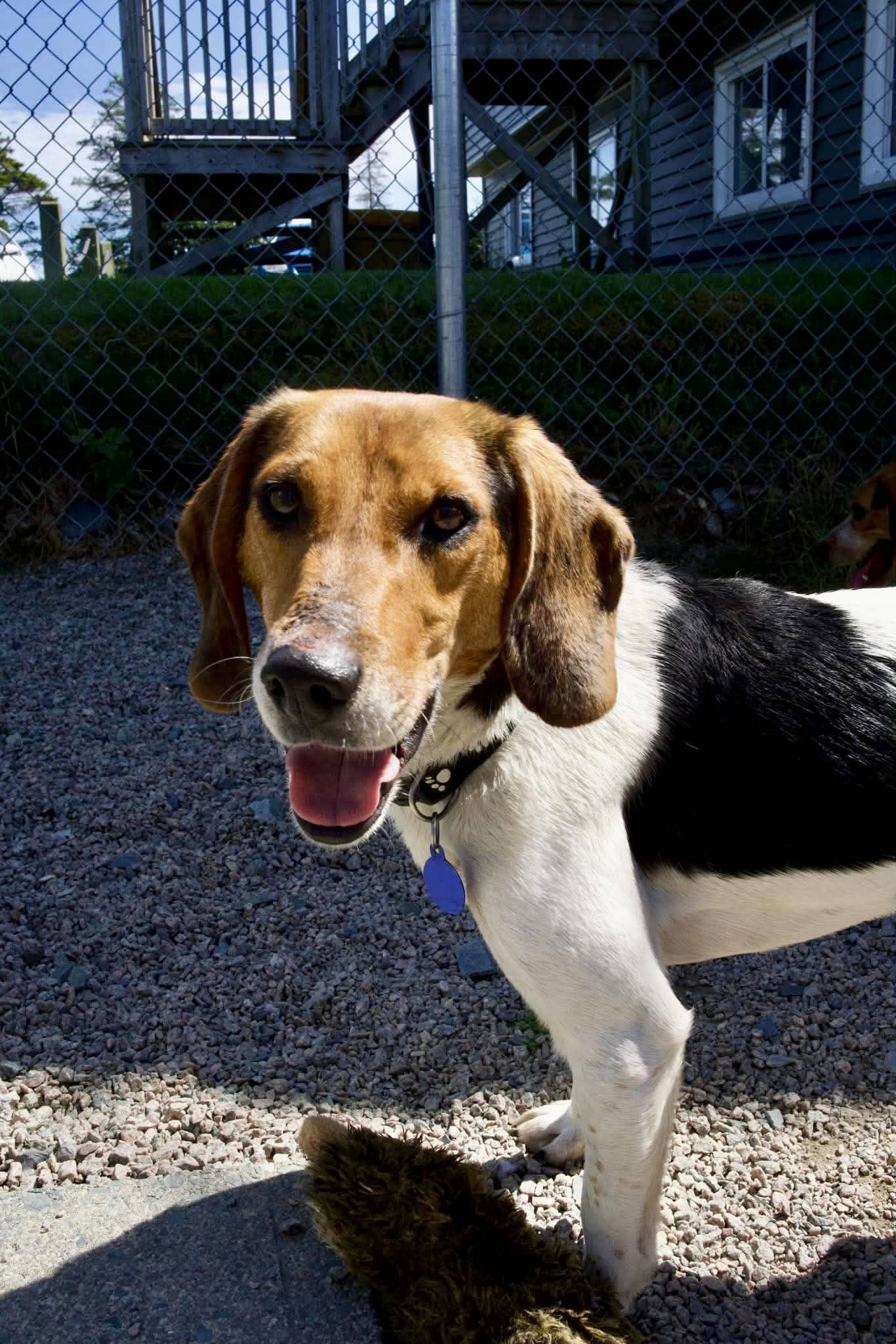
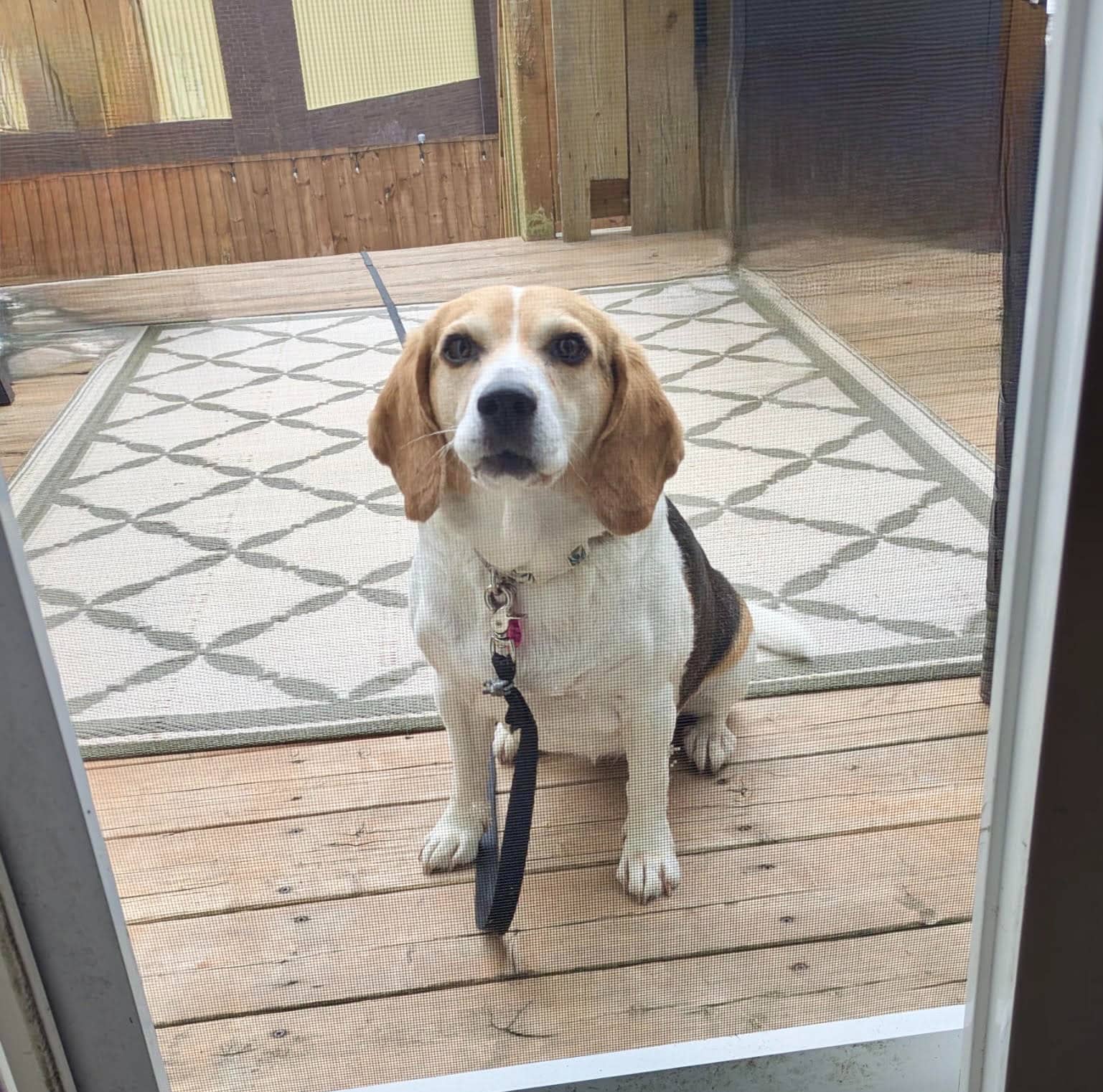
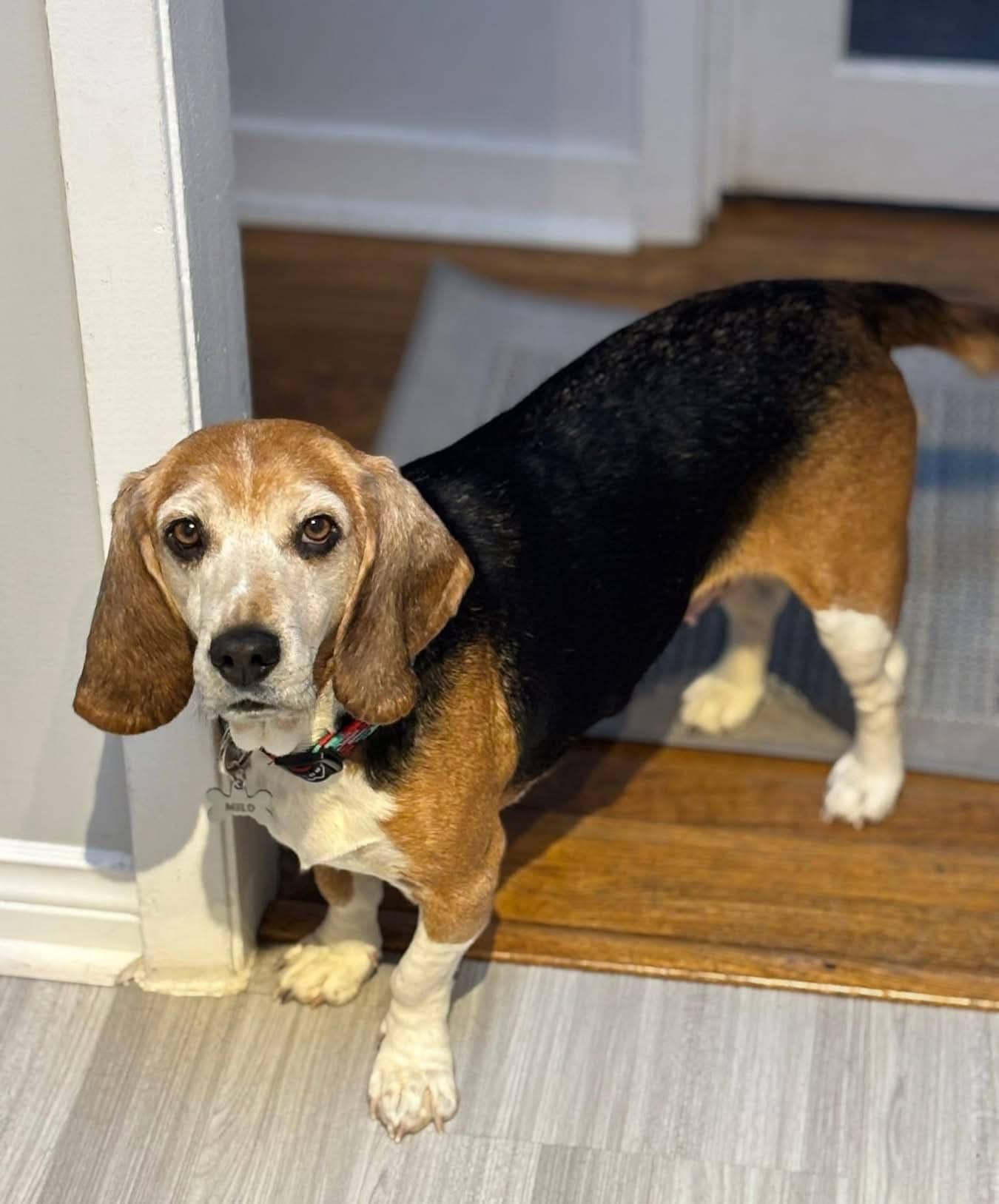

Beagles in St. John's, right now
We're currently tracking 25 adoptable Beagles in or near St. John's, listed by 1 rescue including Beagle Paws. Listings update regularly, and most Beagles in St. John's get adopted within days of being posted — if one catches your eye, reach out fast.
See every adoptable Beagle across Newfoundland and Labrador →
Adopting a Beagle in St. John's
Beagles are the most available rescue dog in Newfoundland, and that is no accident. Beagle Paws, a long-running St. John's rescue, is dedicated specifically to beagles and beagle crosses, so at any given time the province has more adoptable Beagles than almost any other breed. They come in from former hunting homes, from pet homes that did not expect the baying or the food obsession, and through Beagle Paws' transport network. This page gathers every adoptable Beagle from the Newfoundland shelters we cover into one place, refreshed regularly.
Beagle Paws is foster-based, so its dogs live in real St. John's homes and the rescue can tell you how each one behaves with kids, cats, and other dogs before you apply. The City of St. John's Humane Services also takes in the occasional Beagle. Because the supply here is genuinely strong, a Beagle adopter in St. John's, Mount Pearl, or Conception Bay South has real choice rather than a months-long wait.
What to know before you adopt
The Beagle is a scent hound, bred to follow a trail with its nose for hours, and that single fact explains most of what surprises new owners. A Beagle locked onto a scent goes deaf to recall, which is why most should never be off-leash in unfenced spaces and need a securely fenced yard. They are merry, sociable, and great with children and other dogs, but they bay and howl, worth knowing in a St. John's row house or apartment, and they are relentless food thieves, so counter-surfing and weight gain are constant projects.
Beagles need solid daily exercise to stay happy and lean, and a long sniffy walk satisfies them more than a fast run, since using the nose is the whole point. The Grand Concourse trail network, Bowring Park, and Pippy Park give a leashed Beagle plenty of ground to read. The short double coat handles a damp Newfoundland winter reasonably but appreciates a coat in the wind and wet, and grooming is easy. Watch those long floppy ears for infection after wet walks, and feed by measure, because an overweight Beagle is the single most common version of the breed.
Where Newfoundland Beagles come from
Three routes account for most of the Beagles in NL rescue. The first is former hunting stock: Beagles have long been kept here as working rabbit dogs, and dogs that do not take to the work, or whose owner stops hunting, need homes. The second is the pet household that adopted on looks and discovered the baying, the digging, and the food obsession. The third is Beagle Paws' transport work, which brings beagles in from outside the province when there is foster capacity to take them.
That mix is why availability holds up year-round rather than arriving in seasonal waves, and why the dogs on offer span every age from young adults to seniors. Former hunting dogs are often under-socialized to household life rather than badly behaved, and a few weeks of patient indoor routine usually settles them. Ask the foster home specifically about house-training progress, recall around scent, and how the dog has handled stairs, traffic, and being left alone.
Beagle health and the practical Newfoundland checklist
Beagles are a genuinely hardy breed with a typical lifespan of 12 to 15 years, and the things that go wrong are mostly predictable. Weight is first: a Beagle will eat until it is sick, and obesity drives joint, back, and heart problems across the breed. Measure meals, count treats, secure the bin, and expect counter-surfing to be a permanent management project rather than something you train away.
Ears are second. Long drop ears trap moisture, and a province of rain, drizzle, and fog gives them plenty to trap, so check and dry them after wet walks and watch for head shaking or odour. Beyond that, ask about hypothyroidism, epilepsy, and intervertebral disc disease, all of which appear in the breed. One local advantage: the island has historically had very low tick pressure compared with the mainland, which is a real benefit for a dog that spends its life with its nose in the undergrowth. Confirm current prevention advice with your own vet.
Looking more broadly? Browse every adoptable dog across the province on Dog Adoption Newfoundland and Labrador.
The rescues that most often list Beagles across Newfoundland are Beagle Paws, and St. John's Humane Services. For breed-specific background, the Canadian Kennel Club is a useful reference.
Beagle guides for St. John's adopters
Beagle Adoption FAQ — St. John's
How many Beagles are available for adoption in St. John's?
As of October 2026, 25 Beagles are available for adoption in St. John's across 1 rescue on LocalPetFinder. Listings update regularly as dogs are adopted and new ones arrive — browse the current Beagles above and apply directly through the rescue.
Where can I adopt a Beagle near me in St. John's?
LocalPetFinder lists adoptable Beagles and Beagle crosses from Newfoundland rescue, led by Beagle Paws, the St. John's beagle-specific rescue that fosters its dogs in local homes, plus the City of St. John's Humane Services. Beagles are the most available rescue breed in the province, so you usually have real choice. Listings refresh regularly and you apply directly with the rescue.
Can Beagles be let off-leash in Newfoundland parks?
Usually not safely. The Beagle is a scent hound, and once it locks onto a trail it ignores recall and follows the nose, so most Beagles should stay leashed in unfenced spaces and need a securely fenced yard at home. A long-line on the Grand Concourse or at Pippy Park, plus lots of sniffy walks, gives a Beagle the freedom it needs without the risk of it vanishing after a rabbit.
Why are there so many Beagles available in Newfoundland?
Because of Beagle Paws. It is a St. John's rescue dedicated specifically to beagles and beagle crosses, with a foster network and a transport pipeline, so Newfoundland consistently has more adoptable Beagles than almost any other breed. That makes the Beagle one of the few breeds where an NL adopter has genuine choice rather than a long wait.
Are Beagles good family dogs?
Very much so. Beagles are merry, sociable, and typically great with children and other dogs, which is a big part of their appeal. The things to manage are the nose, the baying, and the bottomless appetite. With a fenced yard, leashed walks, measured feeding, and some patience for training, a Beagle is a friendly, easygoing family dog.
Do Beagles bay and howl a lot?
They are one of the most vocal breeds, and the baying is the sound they were bred to make so a hunter could follow them at a distance. Most Beagles bay when excited, when they find a scent, and sometimes when left alone. In an attached St. John's row house or an apartment that matters, so plan for training, enrichment, and a tired dog rather than assuming it will fade.
Are former hunting Beagles hard to adopt?
Not usually, they are just unfamiliar with household life. A dog that has lived in a kennel and worked rabbits may not know stairs, hardwood floors, or a couch, and house-training may need a restart. Temperament is generally sound and sociable. Give it a few weeks of predictable routine and ask the foster home how far along the dog already is.
How long do Beagles live, and what health problems do they have?
Twelve to fifteen years is typical, which is good for a dog their size. The big three to manage are obesity, ear infections from those long drop ears in a wet climate, and back problems. Hypothyroidism and epilepsy also appear in the breed. Keeping the dog lean and drying the ears after wet walks handles most of what you can control.
What are the two Beagle sizes, and what colours do they come in?
The Beagle comes in two size varieties: the 13-inch (up to 13 inches at the shoulder, usually under about 20 lbs) and the slightly larger 15-inch. Both are the same breed, just size classes. Coats are usually tricolour (black, white, and tan), but lemon and white, red and white, and other hound colourings are common. Size and colour aside, every Beagle shares the same core traits: a powerful nose, a loud bay, a strong prey drive, and a talent for escaping, so plan for a secure yard and patient recall work.
How much does it cost to adopt a Beagle in St. John's?
Adopting a Beagle in St. John's typically costs $250 to $650, and puppies usually carry a premium at $450 to $800. The exact fee varies by rescue, and older dogs are often reduced. That fee is not a purchase price. It covers work already done on the dog: spay or neuter, vaccinations, deworming, microchip, and a basic vet workup, which would cost several hundred dollars more if you arranged it yourself after buying. Buying the same breed from a registered breeder generally runs well over $1,000, usually with a waitlist. Ask the rescue what is included before you apply, since a few include extras like a starter bag of food or a first-month insurance trial.
Are these Beagles for sale in St. John's?
Not for sale, for adoption, which is usually the better deal. Every Beagle here comes from a St. John's rescue or shelter, not a breeder, pet store, or classified seller. Adoption fees are typically $250 to $650, with puppies at $450 to $800 and already include vaccinations, deworming, microchip and spay or neuter when age-appropriate, versus roughly several thousand dollars to buy a Beagle from a breeder. If you searched "beagle for sale st. john's" or "beagle puppies for sale," adopting gets you a healthy, vetted dog for a fraction of the price.
Where can I buy a Beagle in St. John's, and should I?
You can buy from a registered breeder, but it is worth weighing against adoption first. A reputable Beagle breeder typically charges several thousand dollars and often has a waitlist, while a rescue Beagle costs $250 to $650, with puppies at $450 to $800 fully vetted and may be available now. Be cautious of cheap beagle-for-sale ads on classified sites and marketplaces, which are frequently backyard breeders or puppy-mill resellers with unvetted, sometimes sick animals and no health guarantee. If you do buy, insist on seeing where the puppies were raised and getting vet records. For most families in St. John's, adopting a rescue Beagle is cheaper, faster, and gives a dog in need a home.
Are there free Beagles in St. John's, or beagles under $500?
Adoption is the closest honest answer, and it is not free. A rescue Beagle in St. John's typically costs $250 to $650, with puppies at $450 to $800, so the lower end lands under the "$500" people search for and the rest does not. What the fee buys is work already done, the vaccinations, deworming, microchip and spay or neuter, which would cost more than the fee itself if you arranged it yourself, and it is still far below breeder prices. Be wary of genuinely free beagle listings. An animal advertised free to a good home has usually not been vetted, and free rehoming ads are the route flippers and unregistered breeders use to move animals with no health guarantee and no recourse. Paying a rescue fee buys you a dog someone has already examined, treated, and been honest with you about.
Are there Beagle puppies in St. John's, or only adults?
Both, but adults far outnumber puppies, and it is worth knowing that before you start looking. Most Beagles arriving in St. John's rescue are adolescents and adults, because that is the age at which first homes tend to give up. Puppies do come through, usually as accidental litters or with a surrendered mother, and they are typically spoken for quickly. Setting an alert beats refreshing the page. It is also worth asking whether you actually want one: an adult arrives with a temperament a foster has already observed and described, where a Beagle puppy is a prediction, and for this breed in particular knowing what you are getting is the more useful thing.
Where can I find a Beagle near me in St. John's?
Start with the listings on this page, which pull from St. John's rescues and shelters and are refreshed regularly, so what you see is what is genuinely available rather than a stale directory. If nothing suits today, that is normal for this breed: rescue intake is intermittent rather than steady, and a breed with none listed this week often has several next month. Setting an alert beats checking back, and it is worth widening to nearby towns, since most rescues serving St. John's will adopt out across a reasonable driving distance rather than only inside one municipality.
Have a dog to rehome?
Rehoming a Beagle in St. John's?
List your dog free. Local adopters browsing St. John's see owner listings first: no shelter, no fees, you choose the home.
List your pet free →Takes 3 minutes. You stay in control of who adopts.
Not seeing one yet?
Get notified when a Beagle is listed in St. John's
We'll email you the moment a Beagle is listed in St. John's on LocalPetFinder, from a rescue or an owner rehoming.
One email when there's a match. Unsubscribe anytime.
For rescues & shelters
Are you a St. John's-area rescue? List your adoptable dogs free.
Free shelter account: your dogs appear here and across LocalPetFinder, with analytics and adoption applications included.