Showing 17 dogs
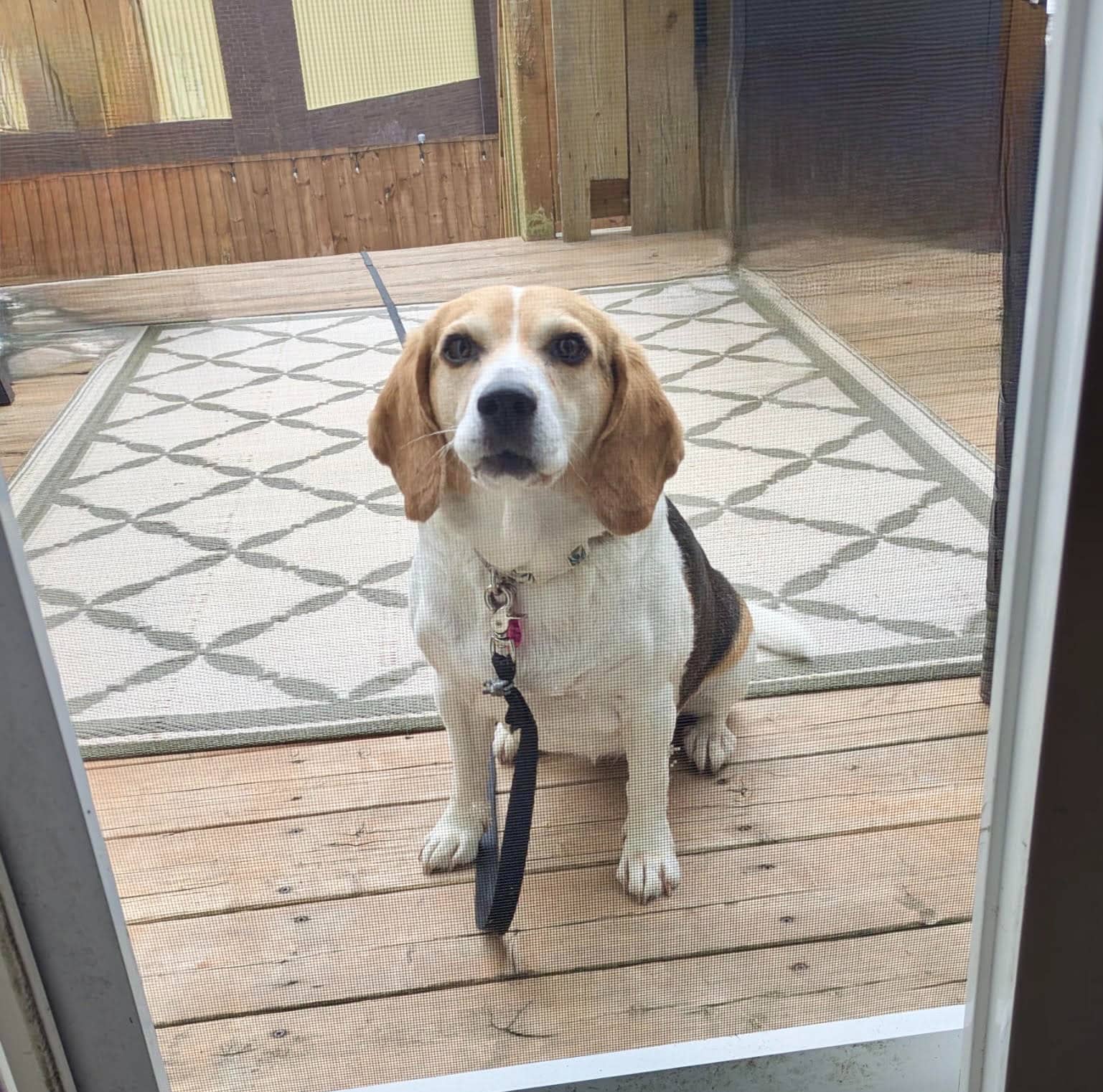
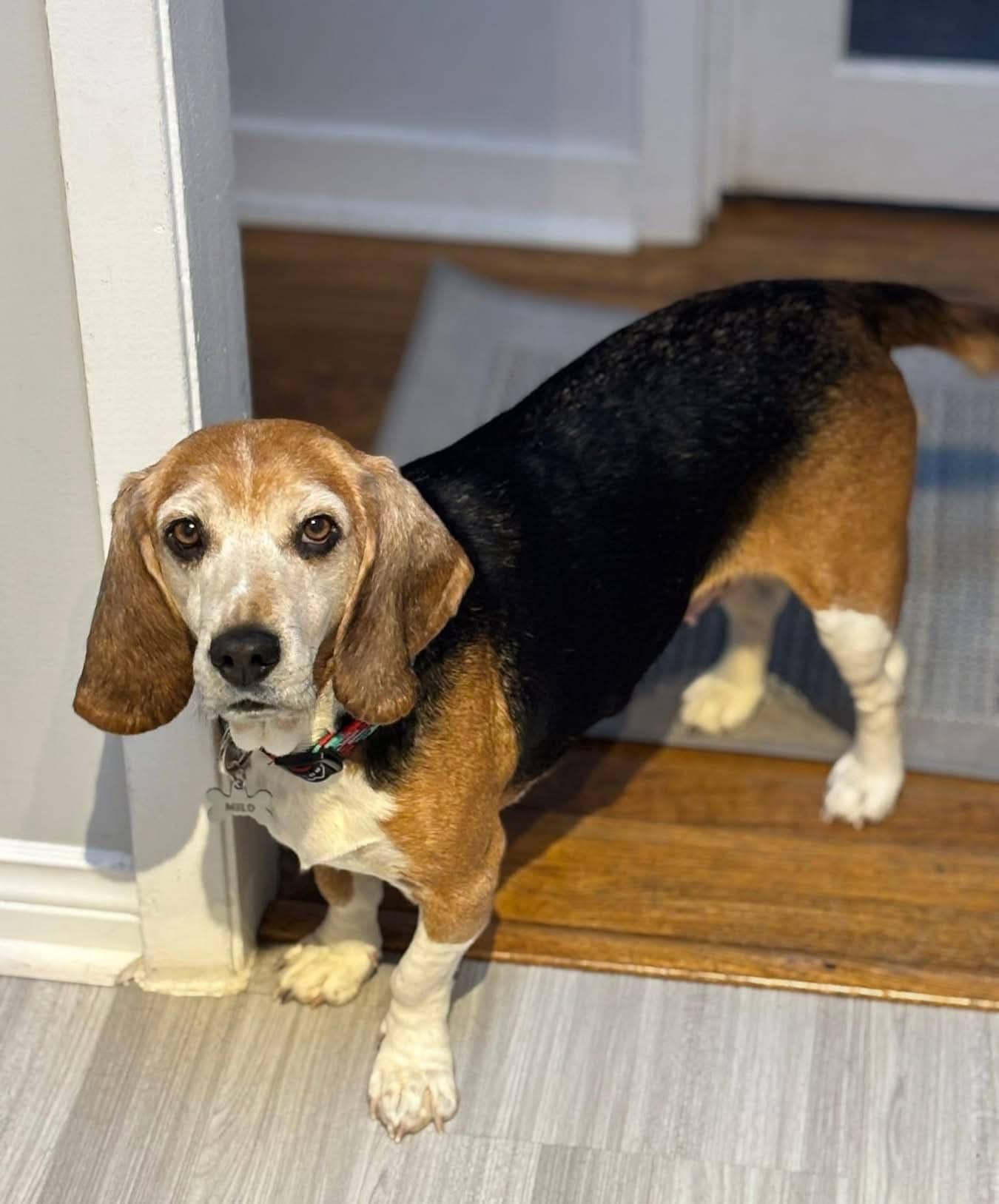
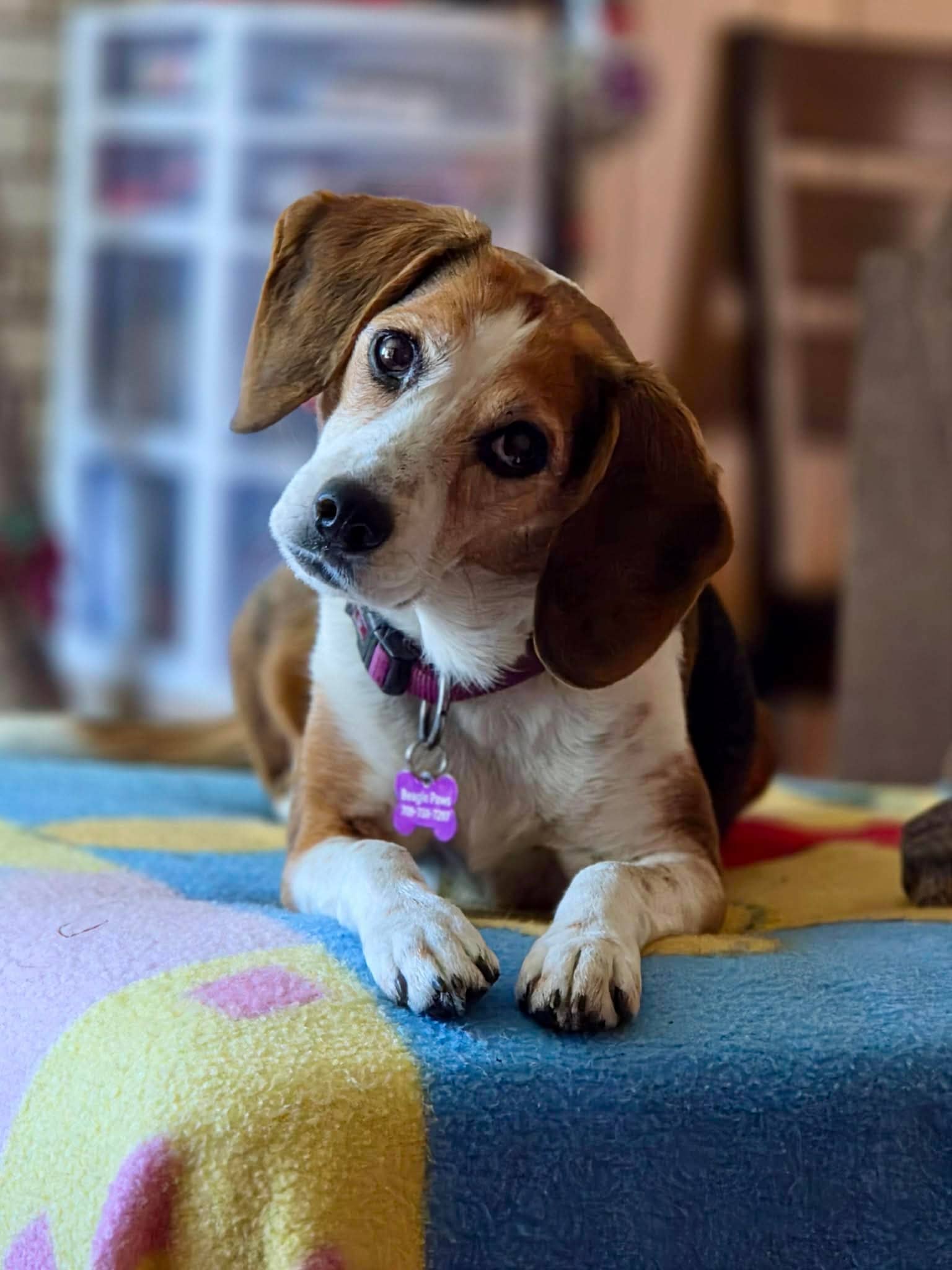
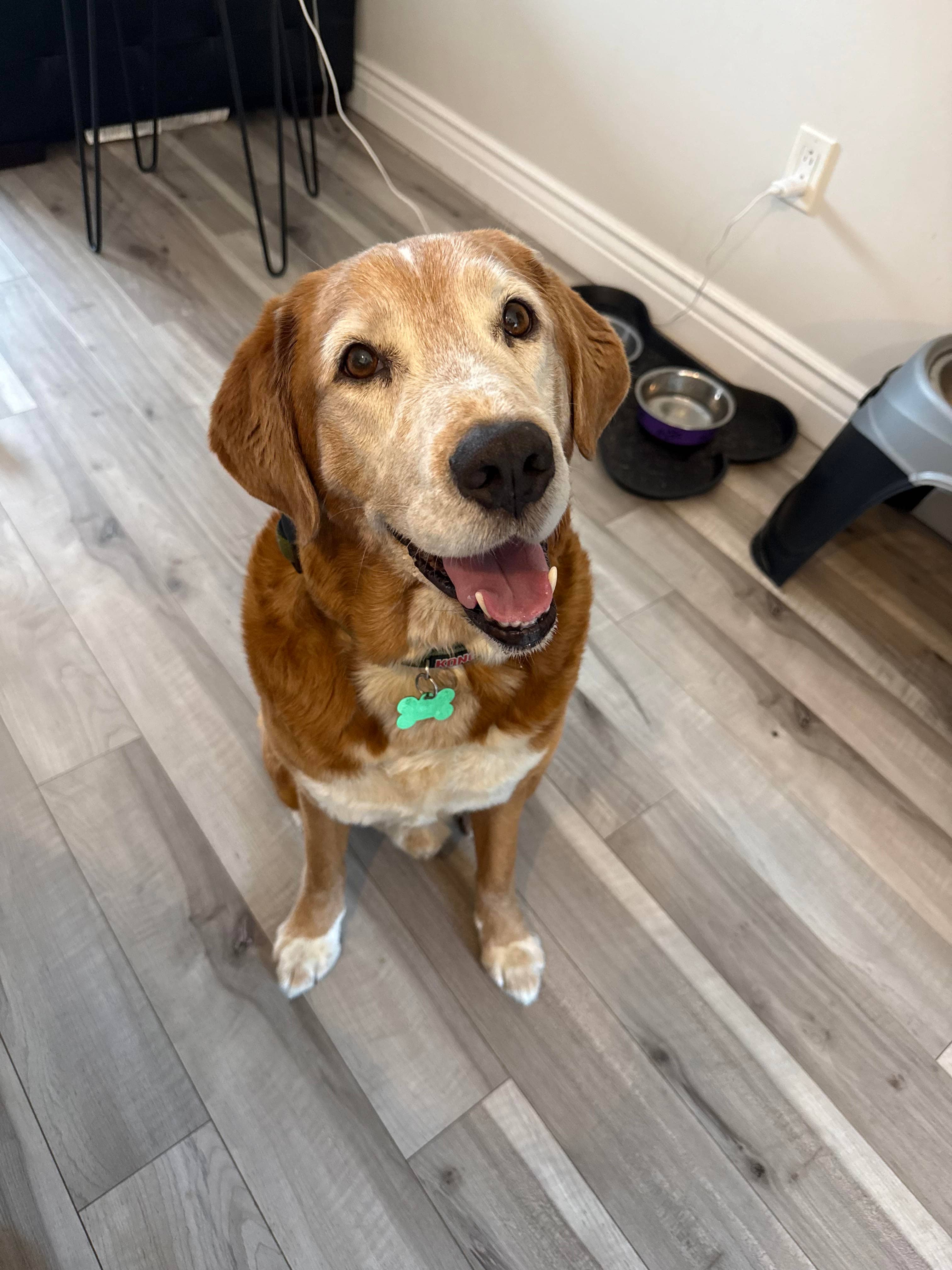
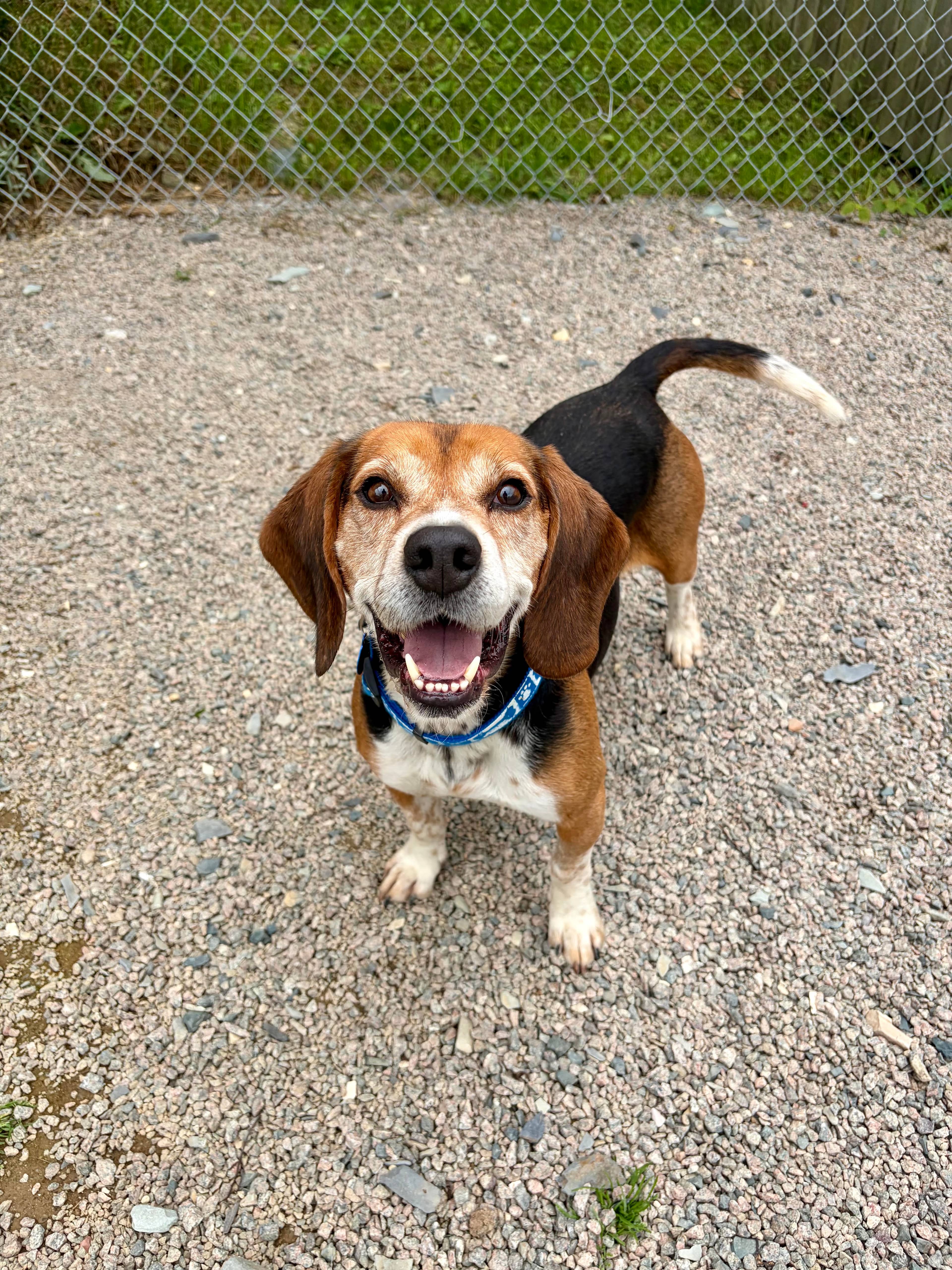
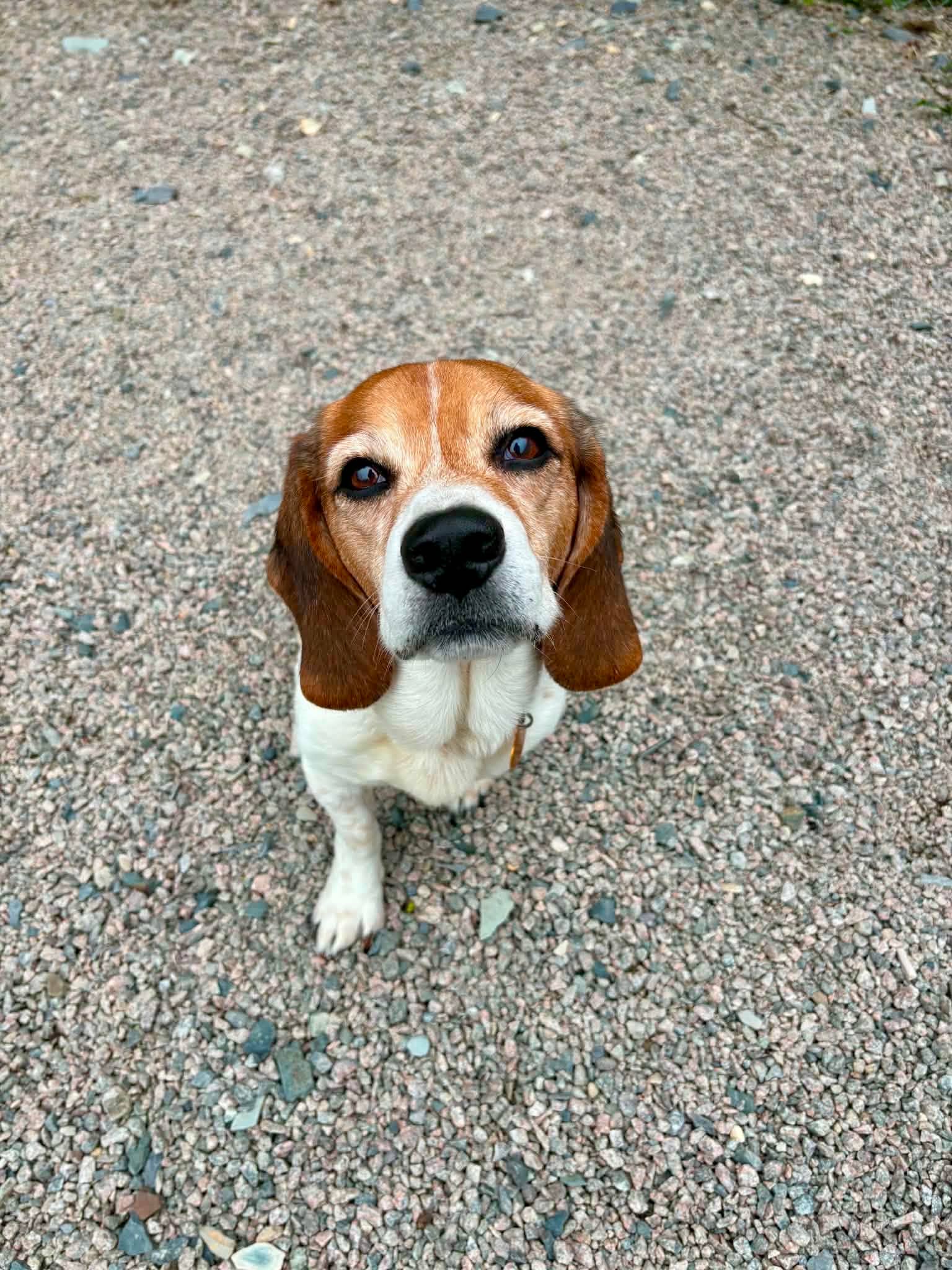
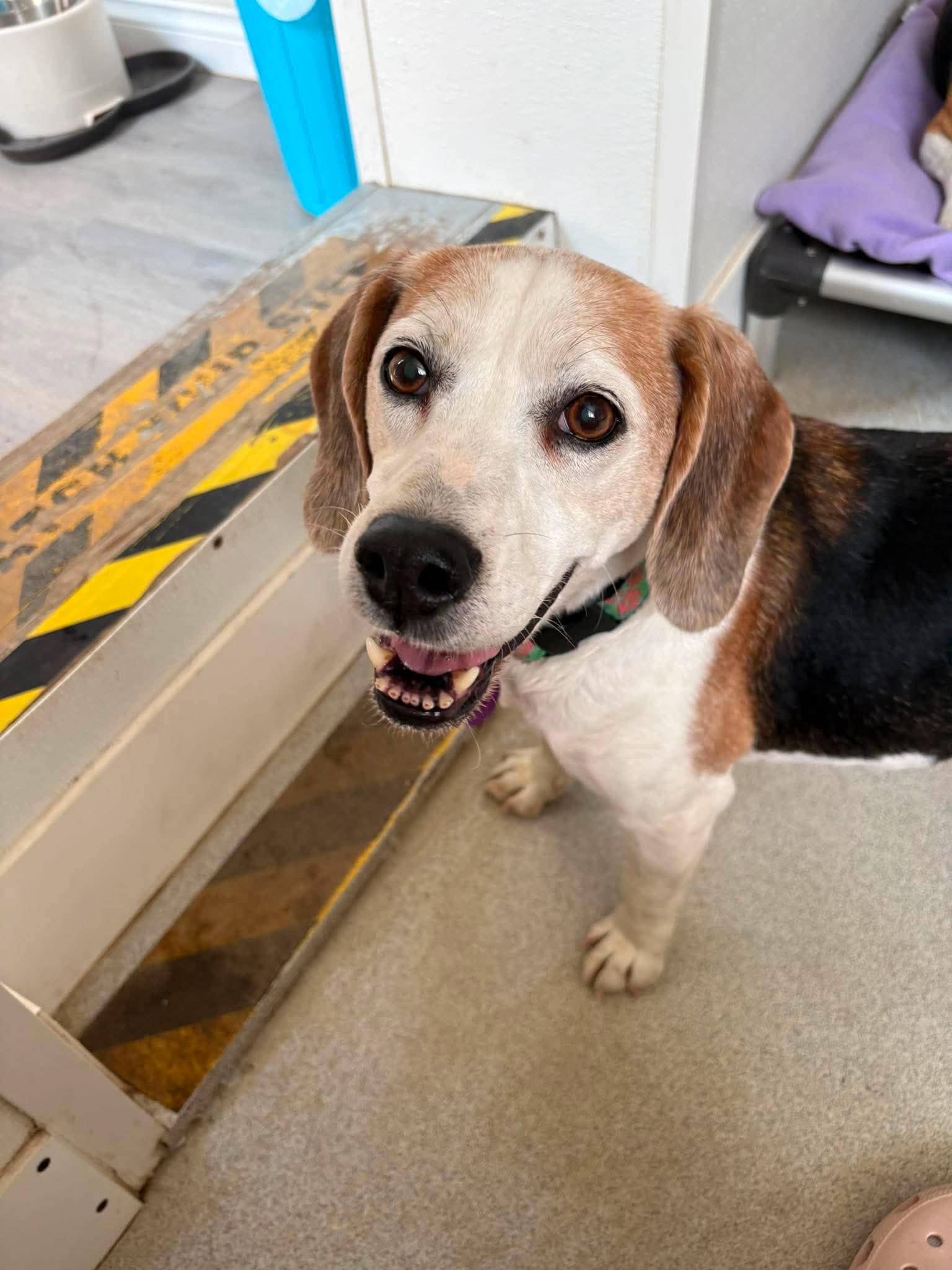
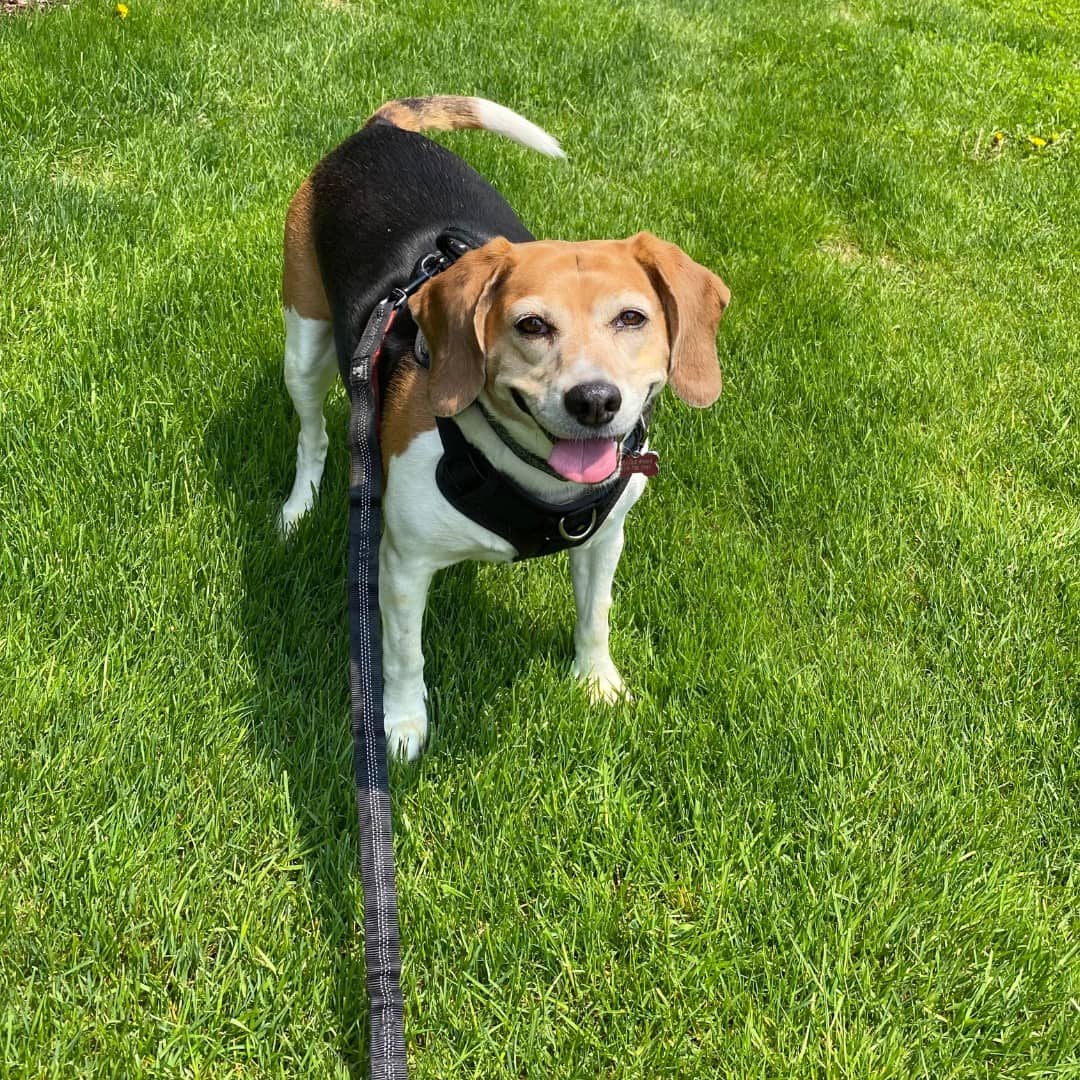
Looking for adoptable senior dogs near you in St. John's? LocalPetFinder aggregates adoptable senior dogs (7+ years) from across the St. John's area, including listings from St. John's Humane Services, Beagle Paws, and other Newfoundland rescues. Senior dogs typically have reduced adoption fees ($100 to $300) and are calmer, often house-trained, and easier than puppies. Listings refresh regularly.
Best Senior Dog Breeds in St. John's Rescues
These breeds appear most often as adoptable seniors in St. John's-area rescues. The senior version of each is typically calmer, lap-oriented, and well-suited to condo and apartment life.
Senior Cavalier King Charles →
The single best match for senior adopters. 13-18 lbs, naturally calm, deeply affectionate, lap-oriented.
Senior Shih Tzu →
9-16 lbs. Bred as palace lap dogs. Calm, gentle, ideal indoor condo companions.
Senior Maltese →
5-7 lbs. Tiny, gentle, low-shedding. Quiet companions ideal for apartment living.
Senior Greyhound →
60-80 lbs. The world’s fastest couch potato. Sleeps 18+ hours/day, walks quietly without pulling.
Senior French Bulldog →
16-28 lbs. Calm, affectionate, low-energy. Frequently surrendered for medical costs at reduced fees.
Senior Labrador Retriever →
60-80 lbs. By 8-10 years, Labs settle into mellow, gentle family companions with established personalities.
Senior Golden Retriever →
55-75 lbs. Warm, family-oriented, settled. Some arrive with managed health conditions disclosed upfront.
Senior Yorkshire Terrier →
4-7 lbs. Low-shedding, devoted lap companions, calmer than puppies and perfect for apartments.
Why senior dogs suit St. John's
Senior dogs are among the most overlooked animals in Newfoundland rescues, yet they often make the best companions. Dogs aged 7 years and older are typically calmer, already house-trained, and past the destructive chewing phase. Their personalities are fully developed, so what you see during a meet-and-greet is exactly what you get at home.
Older dogs need less intensive exercise than puppies or young adults, which suits St. John's well. A 15 to 20 minute loop around Bannerman Park, Bowring Park, or Quidi Vidi Lake fits an older dog's pace better than the long runs a young adult demands, and it is far more manageable through a Newfoundland winter. Many senior dogs are surrendered through no fault of their own, often because of an owner's health change, a move, or an estate transition, and they settle quickly because they already understand household routines.
All senior dogs listed above come from St. John's-area Newfoundland rescues. Many rescues reduce adoption fees for older dogs, and most include initial veterinary support. Listings refresh regularly.
Senior dogs and St. John's winters
St. John's winters are real: heavy snow, strong Atlantic wind, freezing rain, and a long cold season. Senior dogs feel the cold more than young dogs, so the routine matters. Most older dogs do best with shorter, more frequent walks, an insulated waterproof coat for anything below freezing, and booties or paw wax against ice and road salt. Arthritic seniors benefit from a warm-up indoors before a walk, a heated or orthopedic bed, and joint supplements. On a storm day, swap the walk for indoor enrichment, a puzzle toy, a scent game, or a short training session.
St. John's senior adoption fees
SPCA St. John's publishes its fees by age, and the senior rate is the lowest on the list: $200 for a senior dog, against $275 for an adult and $375 for a puppy. City of St. John's Humane Services does not publish a dog adoption fee, so phone 709-576-6126 to ask about a specific dog. Whatever the figure, it still covers spay or neuter, vaccination, microchip and a basic vet workup, which means a senior is usually placed well below what the rescue actually spent on it.
Senior dog vet care in St. John's
The honest difference with an older dog is veterinary, not behavioural. Plan on twice-yearly checks rather than annual ones, and on bloodwork that screens for kidney and liver function, thyroid and early arthritis. Dental work is the bill that most often surprises adopters, and it is common in dogs that arrive at seven or eight with no dental history.
Ask the rescue what has already been done before you apply. Both St. John's Humane Services and SPCA St. John's alter animals before adoption, and SPCA St. John's was the first shelter in the province to do so, which means the expensive baseline work is usually behind you rather than ahead.
Island geography is worth planning around. Specialist and after-hours options are limited compared with a mainland city, so it is worth knowing which clinic your vet refers to and what the after-hours arrangement is before you need it, rather than working it out during an emergency.
Browse adoptable senior dogs in St. John's
St. John's-area Newfoundland rescues update senior dog listings regularly. Filter by size, energy, and shelter to find the right fit for your home.
See All St. John's Dogs →Senior Dog Adoption FAQ
Where can I find adoptable senior dogs near me in St. John's?▼
LocalPetFinder lists adoptable senior dogs (7+ years) currently available from St. John's-area rescues including St. John's Humane Services and Beagle Paws, alongside other Newfoundland and Labrador rescues. Coverage spans St. John's, Mount Pearl, Paradise, and the wider Avalon Peninsula. Filter by size, energy, and shelter above, and the listings refresh regularly as rescues update their inventory.
How much does it cost to adopt a senior dog in St. John's?▼
St. John's senior dog adoption fees typically run $100 to $300, lower than the fee for a younger adult or puppy. Newfoundland rescues commonly reduce fees for older dogs, and some waive them on a foster-to-adopt basis for seniors with medical needs. The fee covers spay or neuter, vaccinations, microchip, and a basic vet workup, so a rescue is usually placing a senior well below its actual costs to make the adoption easier.
What health concerns should I expect with a senior dog?▼
Senior dogs (7+ years) may develop arthritis, which the cold, damp Newfoundland winters can flare, dental disease (often needing a cleaning plus extractions, $400 to $1,200), reduced vision or hearing, lumps and bumps (most are benign lipomas), and weight-management challenges. St. John's rescues provide a full veterinary assessment before adoption, so existing conditions are disclosed upfront, and many seniors come with detailed medical records. Budget roughly $1,500 to $3,000 a year for senior dog vet care including twice-yearly checkups, senior bloodwork, and any condition-specific medication.
How do senior dogs handle St. John's winters?▼
St. John's has one of the harsher winters in the country: heavy snow, strong Atlantic wind, freezing rain, and a long cold season. Senior dogs feel that more than young dogs, so the routine matters. Most older dogs do best with shorter, more frequent walks (15 to 20 minutes), an insulated waterproof coat for any walk below freezing, and booties or paw wax against ice, salt, and the freeze-thaw on city sidewalks. Arthritic seniors benefit from a warm-up indoors before heading out, a heated or orthopedic bed, and joint supplements. On a true storm day, indoor enrichment replaces the walk entirely.
How long do senior dogs typically live after adoption?▼
Many senior dogs live 3 to 5+ years after adoption, sometimes 7 to 8 for smaller breeds. Toy breeds (Cavalier, Yorkie, Maltese, small Shih Tzu) regularly live to 14 to 16 years; medium breeds to 12 to 14; large breeds (Lab, Golden, Shepherd) to 10 to 12. A 7-year-old small dog adopted today often has 7 to 9 years ahead. For most adopters, 3 to 5 years with a settled senior is more meaningful than a decade navigating puppy chaos, and the bond forms within weeks.
Are senior dogs good for first-time owners?▼
Excellent, actually. A senior dog is in many ways the easiest first dog: usually house-trained, calm, already leash-walking, and past the chewing and counter-surfing stage. What you see at the meet-and-greet is what you get at home. The main learning curve is reading senior body language for pain and managing common geriatric conditions. If you are nervous about the medical side, ask the rescue for a senior with recent clean bloodwork and a known history.
Can I adopt a senior dog if I work full-time in St. John's?▼
Yes. Senior dogs are typically excellent for working professionals. They sleep 12 to 16 hours a day, have established potty patterns, and tolerate alone time better than puppies. A realistic 9-hour workday with a senior dog: a morning walk (a loop around Bannerman Park, Bowring Park, or Quidi Vidi Lake), a midday potty break from a dog walker, neighbour, or a fenced yard, and an evening walk plus dinner. Senior small dogs in particular do well in St. John's apartments and row houses with this routine.
What is the difference between an adult dog and a senior dog?▼
In rescue, dogs are categorized roughly as: puppy (under 1 year), adult (1 to 7 years), and senior (7+ years). The senior threshold varies by breed size: large breeds (Lab, Shepherd) are senior at 6 to 7, medium breeds at 7 to 8, small breeds at 8 to 9, and toy breeds at 9 to 10. The senior label triggers reduced adoption fees and senior-specific veterinary considerations, even though many senior dogs are still active and have years of life ahead.
Are these senior dogs for sale in St. John's?▼
Not for sale, for adoption, and for most people that is the better deal. Every dog listed here comes from a St. John's-area rescue or shelter rather than a breeder, pet store or classified seller. The adoption fee is typically a few hundred dollars and already covers spay or neuter, vaccinations, deworming and a microchip, which on their own would usually cost more than the fee. If you searched "senior dogs for sale st. john's", this is the same search done a cheaper way, with a dog someone has already examined and can tell you about.
Where can I buy a senior dog in St. John's, and should I?▼
You can buy from a registered breeder, and it is worth pricing against adoption before you do. A breeder puppy generally runs well into four figures and often comes with a waitlist, while a rescue dog costs a few hundred dollars fully vetted and may be available this week. The listings to be careful with are the cheap ones on classified sites and marketplaces, which are frequently backyard breeders or puppy-mill resellers moving unvetted animals with no health guarantee. If you do buy, insist on seeing where the litter was raised and getting vet records.
Are there free senior dogs in St. John's, or senior dogs under $500?▼
Adoption is the closest honest answer and it is not free. A rescue dog in St. John's usually costs a few hundred dollars. The fee already covers medical work worth considerably more. Genuinely free listings deserve suspicion: a dog advertised free to a good home has usually not been vetted, and free rehoming ads are the route flippers and unregistered breeders use to move animals with no recourse for the buyer. Reduced-fee events, sponsored long-stay dogs and senior discounts are the legitimate ways the price comes down.
Where can I find senior dogs near me in St. John's?▼
Start with the listings on this page, which pull from St. John's rescues and shelters and refresh regularly, so what you see is genuinely available rather than a directory that went stale months ago. If nothing suits today, check back or set an alert, because senior dogs in particular move fast and the list turns over. It is also worth widening slightly beyond the city, since most rescues serving St. John's will adopt across a reasonable driving distance rather than only within municipal limits.