The short answer
Ottawa Humane Society is the largest open-admission shelter and offers in-person adoption rooms. Best for first-timers who want broad selection. Ottawa Stray Cat Rescue (OSCatR) is a volunteer, cat-only foster network. Best for adopters who want a real foster's read on personality before they apply. Around them sits a number of smaller foster-based rescues across the region, worth checking if you want a wider pool of listings.
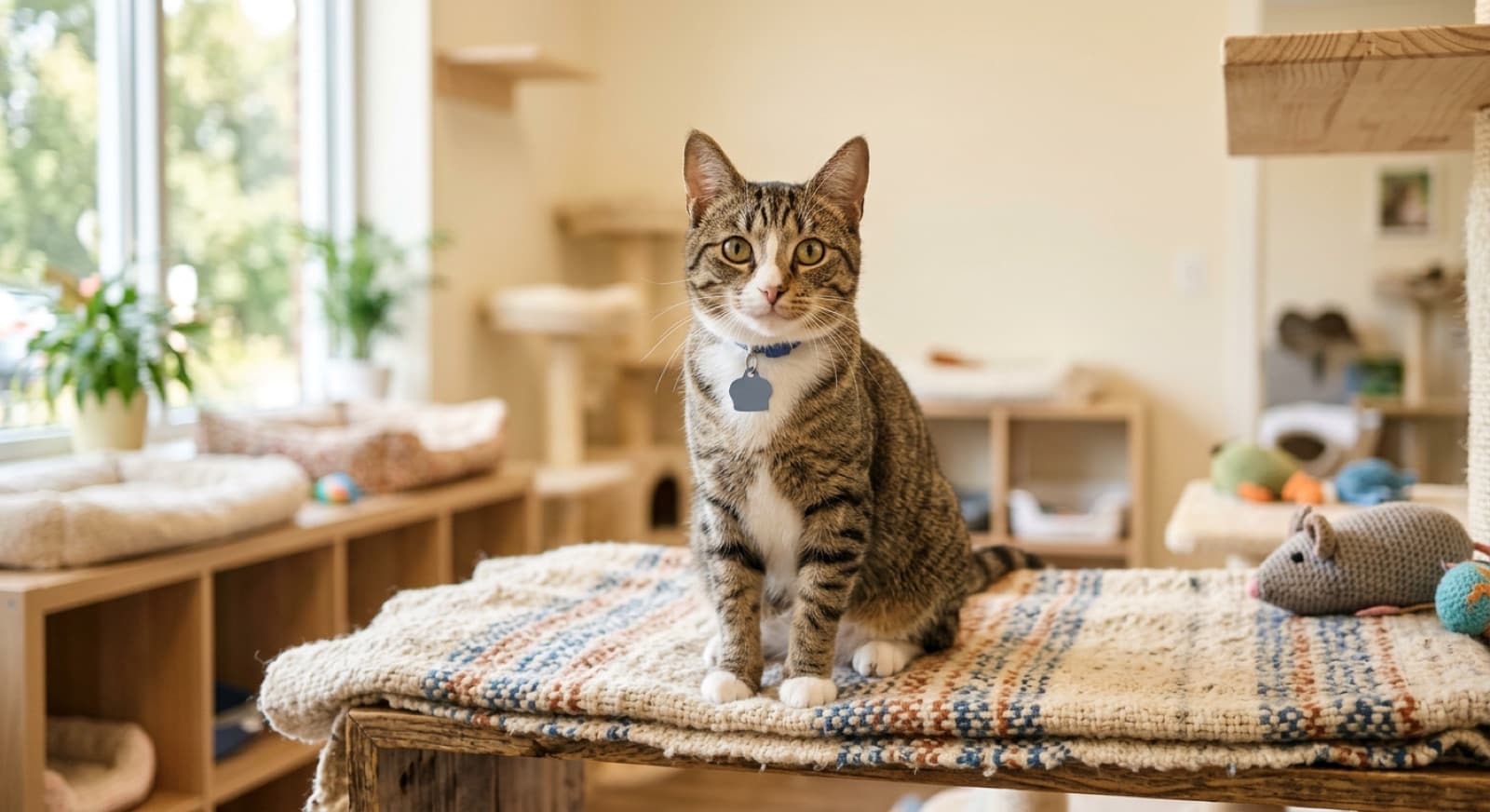
Ottawa's cat rescue landscape splits cleanly into two kinds of help. The Ottawa Humane Society runs the big open-admission shelter on West Hunt Club Road, taking in surrendered and stray cats from across the city and the surrounding townships. Around it sits a network of smaller, foster-based, cat-only rescues, led by Ottawa Stray Cat Rescue, that lift stray and feral cats off the streets in Centretown, Vanier, and the outer suburbs. Together they place thousands of cats a year.
Every Ottawa-area cat rescue listed below is featured on LocalPetFinder Ottawa, where you can browse their available cats in one place with filters for size, age, coat length, and compatibility (good with kids, dogs, other cats). Listings update regularly.
Quick comparison
| Rescue | Type | Cats available | Best for |
|---|---|---|---|
| Ottawa Humane Society | Open-admission shelter | 22 | Same-day adoption, broad selection |
| Ottawa Stray Cat Rescue | Foster-based, cat-only | Foster network | Foster profiles, stray and feral cats |
| Smaller foster-based rescues | Foster-based, region-wide | Varies | A wider pool of listings |
The Ottawa cat rescue landscape
1. Ottawa Humane Society
22 catsFounded in 1888, the Ottawa Humane Society is one of Canada's oldest animal welfare organizations and the largest open-admission cat facility in the city. Its shelter at 245 West Hunt Club Road runs in-person adoption rooms where you meet cats before you apply, with same-day adoption possible for approved applicants. As an open-admission shelter, it takes the broadest range of cats, so selection stays strong year-round. Every cat is vetted, vaccinated, spayed or neutered, and microchipped before adoption.
2. Ottawa Stray Cat Rescue (OSCatR)
Foster networkOttawa Stray Cat Rescue is a 100% volunteer, foster-based, cat-only rescue serving the National Capital Region. It lifts stray and feral cats off Ottawa streets and runs trap-neuter-return colony work across neighbourhoods like Vanier and Nepean. Because every adoptable cat lives in a foster home, each profile carries a personality read written by someone who has lived with the cat. Best fit for adopters who want narrative behaviour notes and want to support local stray-and-feral work.
3. Smaller foster-based rescues
Foster networkBeyond the Humane Society and Ottawa Stray Cat Rescue, a number of smaller foster-based rescues operate across the region. Groups like Furry Tales Cat Rescue and the Cat Rescue Network run volunteer foster networks, and many smaller groups surface through social media or referral. Because their cats live in foster homes, each listing tends to carry a detailed personality read. Best fit for adopters who want a wider pool of listings and are comfortable with a foster-based application process.
The cost reality
Ottawa cat adoption fees run $75 to $250 in 2026. Most adult cats fall between $125 and $200. Kittens sit at the top of the range because their early vet care is more expensive: multiple booster rounds, an extra deworming, growing-cat surgery timing. Senior cats (usually 10+) and FIV+ cats are at the bottom of the range, or sometimes name-your-fee, because rescues actively try to move them faster.
Every Ottawa rescue fee includes the same core package: spay or neuter surgery, core vaccinations (FVRCP, rabies once old enough), deworming, flea treatment as needed, and a microchip. Most also include FIV and FeLV testing on intake.
The comparison most adopters miss is what that same vet work costs done privately. A kitten or young cat from an unfixed acquaintance, even a “free” one, will cost you roughly $400 to $700 in vet work over the first six months to bring them up to the same standard the rescue already paid for. The rescue fee is the cheaper path before you even count the cat. If you take in a stray or get a kitten off-platform, ask about low-cost spay and neuter options when you call a local rescue. Several Ottawa-area programs help soften that cost.
Best for...
First-time adopters
Ottawa Humane Society. Visit, browse adoption rooms, meet cats in person, talk to a counsellor who does on-the-spot matchmaking, and potentially go home with a cat the same visit. The in-person process is far more forgiving than a foster-based screening for someone who has never adopted before. Ottawa Stray Cat Rescue is a strong second choice if you want a foster's detailed temperament read before committing.
Adopters who want detailed personality info
Ottawa Stray Cat Rescue. Foster-based rescues always beat shelter rooms for behaviour information, because the foster has weeks of observation, while a shelter-room cat may behave very differently in a home. If you have a specific need (quiet home, no other pets, good with dogs), a foster can tell you straight whether the cat fits.
Senior cat adoption
The Humane Society, Ottawa Stray Cat Rescue, and the smaller foster-based rescues all have senior cats year-round. Senior cats (10+) are calmer, almost always litter-trained, have settled personalities a foster can describe accurately, and usually carry reduced adoption fees. They also tend to be available immediately, skipping the kitten-season waitlist. The quiet truth: a senior cat is the easiest cat to live with for a first-time adopter.
Special-needs cat adoption
Ottawa Stray Cat Rescue leads here. Cats with managed conditions (early-stage chronic kidney disease, diabetes, dental issues, mobility problems, mild behavioural quirks) cycle through foster-based rescues regularly, because fosters can observe and report on the management routine. The Humane Society handles special-needs cases too but rotates inventory faster. Call ahead if you have a specific need.
Kitten adoption
Ottawa rescues all have kittens, but supply depends heavily on the season. Late spring through early fall is kitten flood season in Ottawa. Ottawa Stray Cat Rescue fosters litters through this window every year, and the Humane Society has the largest selection during peak season because surrenders peak. Winter kittens are scarcer everywhere. If you must have a specific kitten age or look, set up alerts on LocalPetFinder Ottawa and check daily during peak season.
FIV+ or FeLV+ cat adoption
Ottawa rescues take in FIV+ cats and place them with educated adopters. FIV+ cats live normal lifespans on regular food and routine vet care. They need to stay indoors and avoid fighting with FIV-negative cats. FeLV+ is more serious and rarer, but does appear. Adoption fees on FIV+ and FeLV+ cats are usually reduced. The biggest barrier these cats face is adopter unfamiliarity. Many FIV+ cats sit unadopted for months because applicants do not ask. If you are open to it, tell the rescue. They will have someone for you.
Ottawa kitten season and the overlooked adult cats
Cat rescue inventory in Ottawa swings sharply with the seasons. Cats are seasonal breeders, and reproduction effectively pauses through the cold December-to-February stretch, which runs deep in Ottawa winters. From late April or early May through September, kittens flood every Ottawa rescue. The Humane Society fills its adoption rooms with weaned litters, and Ottawa Stray Cat Rescue splits fosters between bottle-feeders and older kittens.
The structural problem this creates: adult cats get overlooked. An adult cat sitting in a Humane Society adoption room in July is competing against a litter of week-old fluff. The same cat in February has the room mostly to itself. If you are flexible on age, adopting outside of kitten season is faster and cheaper, and the adult cats waiting are the cats who lost the kitten-season lottery, not problem cats.
If you want a kitten: apply in May to September, expect a waitlist, and expect to move fast when a litter is posted. If you want a cat: apply anytime. Adult cats in their second or third year are the most overlooked group at every Ottawa rescue, and the easiest to bring into a settled home.
Ottawa does not licence cats the way it licences dogs. But indoor cat life remains the strong recommendation from every Ottawa rescue, both for the cat's safety (winter cold, traffic, coyotes along the greenbelt) and for local wildlife. Most Ottawa rescues place cats as indoor-only by adoption agreement. Our companion guide on indoor versus outdoor cats in Ottawa covers how to enrich an indoor cat's life through a long winter.
How the application process works
Application anxiety is the most common reason people delay starting an adoption. The process is straightforward across Ottawa-area cat rescues. Specifics vary by rescue (check each website for current application forms and timelines), but the structure below is broadly accurate across the Ottawa rescue community.
Step 1: Submit an application
Ottawa Stray Cat Rescue and the smaller foster-based rescues use online or emailed application forms. The Ottawa Humane Society also accepts walk-in applications at the West Hunt Club Road facility. Plan for 20 to 40 minutes to complete a thoughtful application. The better your answers, the faster the rest of the process moves.
Step 2: Reference checks
Most rescues call your current vet (if you have or have had pets) and one or two personal references. Tip: tell your vet you are applying so they take the call promptly. Reference checks are the most common delay; missed calls can stall the application for days.
Step 3: Phone screen with the rescue
A foster coordinator or adoption counsellor walks through your application by phone, answers your questions about specific cats, and confirms household details. This is conversational. Come ready to discuss your routine, the cat's likely fit, and how you would handle the adjustment phase.
Step 4: Meet-and-greet
For Ottawa Stray Cat Rescue and the smaller foster-based rescues, you meet the cat at the foster home. For the Ottawa Humane Society, you meet the cat in the adoption rooms at the facility. Foster-based meets let you see how the cat behaves in a real home setting.
Step 5: Home check (foster-based rescues)
Some foster-based rescues do a home check before placement, particularly for cats with managed medical conditions or behavioural quirks. This is not a white-glove inspection. The goal is to confirm the indoor environment is safe (no toxic plants in reach, no open balconies, a decompression-room set-up) and that you can manage the cat's needs.
Step 6: Adoption contract and fee
Sign the contract, pay the adoption fee, and bring your new cat home. Ottawa cat adoption fees typically run $75 to $250. Kittens are higher because their early vet care costs more. Senior cats (10+) and FIV+ cats are usually at the bottom of the range or name-your-fee. All fees include spay or neuter, core vaccinations (FVRCP, rabies once old enough), deworming, and microchip.
What rescues ask in the application
Specific questions vary by rescue, but the categories below are universal. Prepare thoughtful answers before you start. Rushed answers are the most common reason applications get flagged for follow-up.
- Household composition: who lives in your home, ages of children, other pets (species, age, temperament, spay/neuter status)
- Housing: own or rent, landlord pet policy in writing, indoor space, whether the cat will be indoor-only (most Ottawa cat rescues require this)
- Daily routine: hours away from home, who handles the cat's feeding, litter box, and enrichment during the day
- Experience with cats: previous cats, comfort with specific behaviours, awareness of normal versus problem behaviour
- Vet history: current vet (if any), previous pets' medical history, willingness to maintain vaccinations and preventative care
- This specific cat: why this cat, your understanding of its noted personality and any special needs, how you would handle the adjustment phase (the 3-3-3 rule for cats)
- Backup plan: what happens if you cannot keep the cat (return to the rescue is required by most contracts)
- References: current vet, one to two personal references not in your household
How to write a strong application
- Be specific about your routine. “I work from home Mon to Wed; my partner works from home Thu to Fri” is stronger than “someone is usually around.”
- Be honest about experience. First-time cat owners are not disqualified. Oversold experience that does not match the references is.
- Address potential concerns proactively. If you have another cat, mention your plan for slow introductions. If you have small children, mention your supervision plan.
- Show you read the cat's profile. Reference specific traits the foster mentioned. Generic applications get deprioritised.
- Confirm your vet reference is reachable. Email or call your vet to confirm someone will pick up the phone. This is the single most common stall point.
- Be open about your timeline. “We can meet this weekend and bring the cat home within two weeks” is a strong signal of readiness.
What to do if you are not approved
Rescues sometimes decline a specific application because the cat is not the right match for that household, not because the household is unsuitable to adopt. Common reasons: the cat needs to be the only pet, the cat has been flagged as not safe with small children, the cat needs a quiet adult-only home. Ask the rescue what the specific mismatch was, then either look at other cats at the same rescue or apply at a different rescue with a cat that fits your situation better. Being declined once is not a permanent disqualification. Many adopters apply for two or three cats before placement.
Browse adoptable cats in Ottawa
See available cats from Ottawa-area rescues in one place. Filter by age, coat length, and compatibility before you apply.
See Available Ottawa Cats →Where LocalPetFinder fits
We are not a rescue, and we do not place cats. We are an aggregator. We pull adoptable cats from Ottawa area rescues into one place and refresh them regularly, so you are not checking several websites and a handful of Facebook pages to see what changed this week. Coverage varies by rescue, so treat this as a starting point rather than the whole picture, and check the rescues above directly too.
We also carry something the rescues do not. Some cats are listed directly by the families rehoming them, so the history comes from the person who actually lived with the animal rather than from an intake form. There is no waitlist and contacting an owner costs nothing.
Frequently asked questions
What is the best cat rescue in Ottawa?
It depends on what you want. The Ottawa Humane Society on West Hunt Club Road is the largest open-admission option, with in-person adoption rooms and the broadest selection of cats year-round. Ottawa Stray Cat Rescue (OSCatR) is a volunteer foster-based, cat-only rescue that lifts stray and feral cats off Ottawa streets, so its profiles carry a real foster read. Alongside them sits a number of smaller foster-based rescues across the region. LocalPetFinder aggregates the ones with publicly listed cats.
Where is the best place to adopt a cat in Ottawa?
The best places to adopt a cat in Ottawa are the Ottawa Humane Society (largest open-admission, in-person adoption rooms) and Ottawa Stray Cat Rescue (cat-only foster network, the most-recommended local stray-and-feral rescue), plus a number of smaller foster-based rescues across the region. The detailed reviews below help you find your fit.
What is the cheapest way to adopt a cat in Ottawa?
Ottawa cat adoption fees usually run $75 to $250 in 2026. Adult cats sit in the middle of that range. Kittens cost more because their early vet care is more expensive. Senior cats (10+) and FIV+ cats often have reduced or name-your-fee pricing. Every Ottawa rescue includes spay or neuter, core vaccinations, deworming, and a microchip in the fee. The same vetting done privately runs $400 to $700, so the rescue fee is the cheaper path before you even count the cat.
Is the Ottawa Humane Society a kill shelter?
No. The Ottawa Humane Society is an open-admission animal welfare organization, meaning it accepts any animal regardless of condition. Open-admission is sometimes confused with kill shelter. The difference: humane euthanasia is used only for medical or severe behavioural cases that cannot be safely rehomed, never for space management. Ottawa Stray Cat Rescue is limited-admission. It chooses what it can take based on foster capacity.
Which Ottawa cat rescue is best for first-time adopters?
The Ottawa Humane Society is the most beginner-friendly. Adoption counsellors do on-the-spot matchmaking, you meet cats in person before applying, and approved applicants can often adopt the same visit. Ottawa Stray Cat Rescue is the next-best for first-timers because its foster network gives you a real personality profile, and the foster walks you through what to expect in week one.
How many cat rescues are in Ottawa?
Ottawa has more than a dozen cat-rescuing groups. The ones with publicly listed cats on LocalPetFinder are the Ottawa Humane Society and Ottawa Stray Cat Rescue, currently aggregating 22 adoptable cats from the registry-tracked shelters. Other well-known Ottawa-area cat rescues include Furry Tales Cat Rescue, the Cat Rescue Network, and many smaller foster networks that surface through social media or referral.
What does OSCatR do that the Humane Society does not?
OSCatR stands for Ottawa Stray Cat Rescue. It is a 100% volunteer, foster-based, cat-only rescue focused on stray and feral cats and on trap-neuter-return colony work across the National Capital Region. Because every adoptable cat lives in a foster home, each profile carries a personality read written by someone who has lived with the cat. The Ottawa Humane Society is a larger open-admission shelter with broader same-day selection, but a shelter room tells you less about how a cat behaves in a real home than a foster does.
Are senior cats easier to adopt in Ottawa?
Yes, in two ways. Senior cats (10+) usually have reduced adoption fees at every Ottawa rescue. They also tend to skip the multi-week kitten waitlist common in spring and summer. Senior cats are typically calm, litter-trained, and have settled personalities a foster can describe accurately. The Humane Society, OSCatR, and the smaller foster-based rescues all have senior cats year-round.
Do Ottawa cat rescues spay or neuter before adoption?
Yes. Ottawa rescues spay or neuter every cat before adoption. Kittens too young for surgery at adoption time go home with a paid voucher you redeem at the rescue's vet partner. Vaccinations, deworming, and microchip are also included in the standard adoption fee. You do not pay extra for vetting.
What is the application process like?
The Ottawa Humane Society is the fastest: visit, browse the cat rooms, complete an adoption application, talk to a counsellor, and potentially leave with the cat the same day. Ottawa Stray Cat Rescue is foster-based, so the process takes about one to two weeks. You submit an application, the foster reviews it and often calls you, a meet-and-greet is arranged at the foster home, and the foster makes the final call on the match. Smaller foster-based rescues follow a similar timeline.
Are there FIV+ cats available in Ottawa?
Yes. FIV+ cats appear at Ottawa rescues from time to time. FIV is not the death sentence it was once thought to be. FIV+ cats live full lives, eat regular food, and need only to stay indoors and avoid fighting with FIV-negative cats. Adoption fees on FIV+ cats are usually reduced, and rescues often place them as singletons in adult-only homes. Ask the rescue directly. Many FIV+ cats sit unadopted for months simply because adopters do not ask.
What if I want a specific breed of cat?
Pedigreed cats are rare in rescue. Most Ottawa rescue cats are domestic shorthair, domestic medium hair, or domestic longhair, the three umbrella categories for non-pedigree cats. Occasionally a Maine Coon mix, Siamese mix, or Persian surfaces through surrender. If you want a specific pedigree, contact breed-club rescue networks, but be ready for the same wait and the same screening you would get at any Ottawa rescue.
Related guides
Ready to find your Ottawa cat?
Browse adoptable cats from Ottawa-area rescues in one place.
Browse All Ottawa Cats →New cat? Start with these care guides
Everything a new adopter needs to set up a safe, happy home.