The short answer
Joint disease and bloat lead Cane Corso health. Hip and elbow dysplasia are common in the large frame, so keeping the dog lean is the biggest lever. As a deep-chested breed, the Corso is at real risk of bloat (GDV), a life-threatening emergency, feed smaller meals and consider a preventive gastropexy. The loose facial skin brings eyelid conditions (entropion, ectropion, cherry eye) that often need surgery. Also plan for heart disease, demodectic mange, and cancer risk. The breed is short-lived (9 to 12 years). Routine Ottawa care runs $1,100 to $1,900 a year plus HST, but surgery can run into the thousands. Insure early. Make all health decisions with your vet.
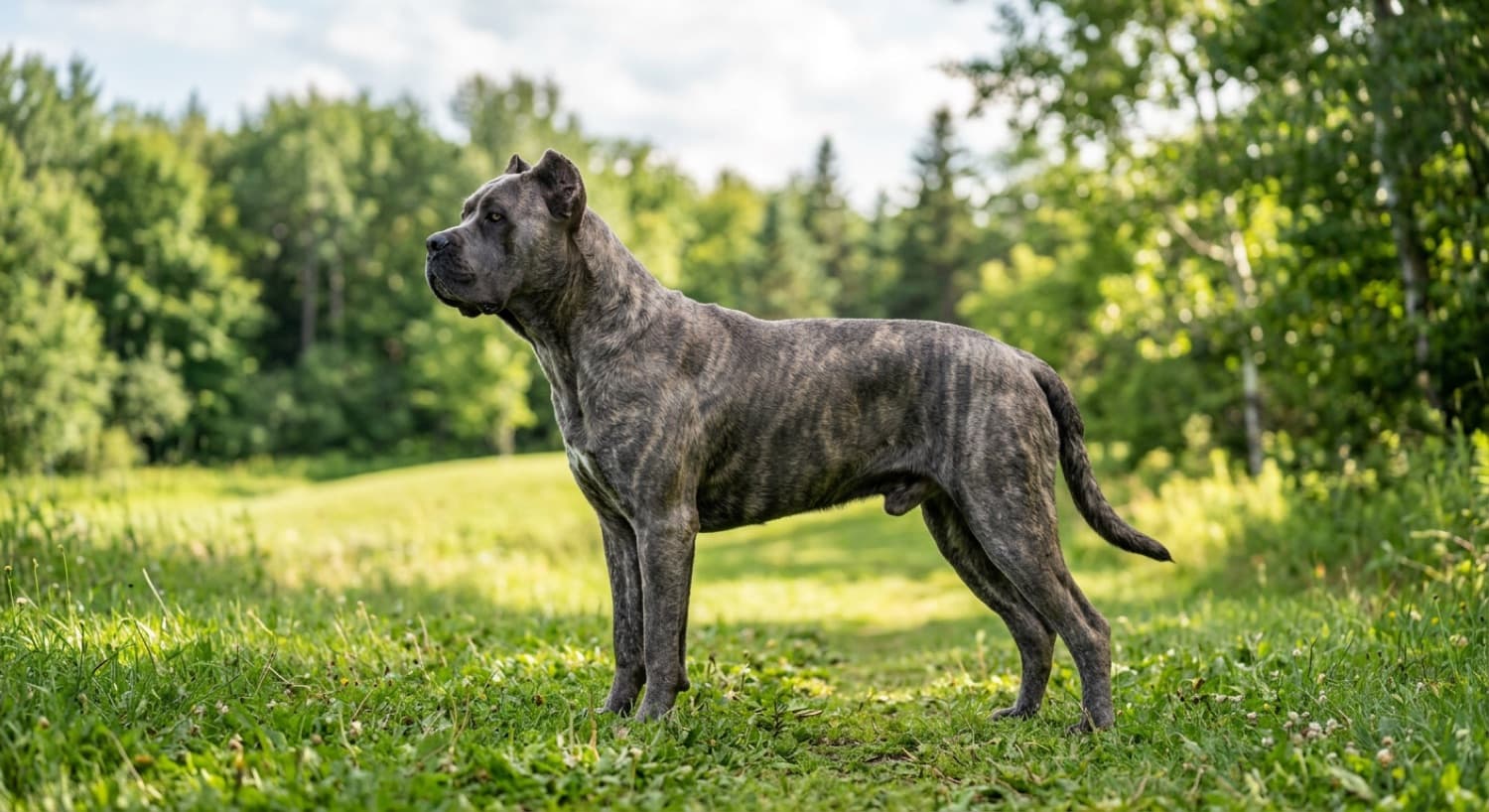
Cane Corsos are powerful, capable dogs, but their large-to-giant molosser build carries a well-known set of health risks, several of them potentially expensive. This is a planning list, so an Ottawa owner knows what to watch for and where the budget goes, and every point should be discussed with your own veterinarian for your individual dog.
Emergency: bloat
A distended or hard belly with unproductive retching, restlessness, pacing, and drooling is bloat (GDV), a deep-chested-breed emergency where a dog can die within hours. Go to an emergency vet immediately; do not wait, and learn the signs cold. Ottawa has 24-hour care, including the Alta Vista Animal Hospital. Save the number now, and discuss a preventive gastropexy with your vet.
Joints and bloat: the giant-breed core
Hips and elbows. Dysplasia is common in the large frame and can be disabling, worsened by weight. Keep the dog lean, feed an appropriate large-breed diet (controlling growth in puppyhood), avoid overexercising a growing puppy, use joint support, and screen through breeders who test. Severe cases need costly surgery, so weight control is the highest-value daily lever.
Bloat. As a deep-chested breed, GDV is a real risk. Feed smaller meals, avoid hard exercise right after eating, know the emergency signs, and strongly consider a preventive gastropexy, often done at spay or neuter. For the breed, bloat awareness is one of the most important parts of ownership.
Eyelids, heart, skin, and cancer
Eyelids. The loose facial skin predisposes the breed to entropion (lids rolling in), ectropion (lids rolling out), and cherry eye, which irritate or damage the eye and often need surgery. Watch for squinting, redness, discharge, or pawing, and address promptly.
Heart. Corsos can develop cardiac conditions; treat fainting, collapse, or laboured breathing as needing prompt care, and cardiac screening is worthwhile.
Skin. Demodectic mange (a skin condition) can appear, especially in young or stressed dogs, and is treatable with your vet.
Cancer. Like many large breeds, Corsos carry an elevated cancer risk; act promptly on any lump, swelling, or persistent lameness, especially in older dogs. For routine-care savings, see our Ottawa low-cost vet guide.
Meet a Cane Corso in Ottawa
Rescue Corsos come with a vet workup and honest health and temperament notes, so you know what you are adopting. Browse available Cane Corsos and mixes from Ottawa and NCR rescues.
See Available Cane Corsos →Frequently Asked Questions
What health problems are Cane Corsos prone to?
As a large-to-giant molosser breed, the Cane Corso’s main health concerns come with size and build. Hip and elbow dysplasia are the most significant, malformed joints that lead to arthritis, common in large breeds and worsened by the Corso’s weight. As a deep-chested breed, the Corso is at real risk of bloat (gastric dilatation-volvulus, GDV), a life-threatening emergency. The breed’s loose facial skin and heavy head predispose it to eyelid conditions, entropion (lids rolling inward), ectropion (lids rolling outward), and cherry eye, which can irritate or damage the eye and often need surgery. Corsos can also develop heart conditions, demodectic mange (a skin condition, especially in young or stressed dogs), and, like many large breeds, certain cancers and a relatively short lifespan. Most are manageable, and the highest-value things an Ottawa owner can do are keep the dog lean, feed to reduce bloat risk, and stay on top of the eyes and joints. Always make health decisions for your individual dog with your veterinarian.
How serious is hip and elbow dysplasia in Cane Corsos?
It is one of the breed’s most significant concerns, as with most large and giant breeds. Hip and elbow dysplasia are inherited malformations of the joints that cause them to fit poorly, leading to pain and progressive arthritis, and the Corso’s large size and weight put extra load on the joints, so dysplasia can be genuinely disabling. Signs include stiffness, difficulty rising, reluctance to jump or climb stairs, a bunny-hopping gait, limping, and reduced activity, sometimes appearing even in young dogs. Management ranges from weight control, joint supplements, physiotherapy, and anti-inflammatory medication for milder cases to surgery for severe ones, which is expensive for a giant breed. Prevention starts before ownership with breeders who screen hips and elbows (OFA or PennHIP), and the biggest levers an owner controls are keeping the dog lean, feeding an appropriate large-breed diet (especially during growth, to control growth rate), providing joint-friendly exercise, and not overexercising a growing puppy. For an adopted Corso, weight management and joint support are among the most valuable things you can do.
Are Cane Corsos at risk of bloat?
Yes. As a large, deep-chested breed, the Cane Corso is at elevated risk of gastric dilatation-volvulus (GDV, or bloat), where the stomach fills with gas and can twist, cutting off blood supply. It is a true emergency, a dog can die within hours, and signs include a distended or hard belly, unproductive retching, restlessness, pacing, drooling, and collapse. If you see these, get to an emergency vet immediately; do not wait. Reduce risk by feeding two or three smaller meals rather than one large one, avoiding vigorous exercise right after eating, using a slow-feeder if your dog gulps, and not letting the dog gorge on water after exertion. Because the risk is real for the breed, many Corso owners discuss a preventive gastropexy (surgically tacking the stomach) with their vet, often done at the same time as spay or neuter. Knowing the emergency signs and keeping a 24-hour vet’s number saved can genuinely save a Cane Corso’s life.
Why do Cane Corsos have eyelid problems?
The breed’s loose facial skin and heavy, broad head predispose it to several eyelid conditions, and they are among the most characteristic Corso health issues. Entropion is when the eyelid rolls inward so the lashes and hair rub against the eye, causing pain, irritation, and potential corneal damage; ectropion is the opposite, the lower lid rolling outward and drooping, exposing the eye to drying and debris; and cherry eye is a prolapse of the third-eyelid gland, showing as a red mass in the corner of the eye. All three can cause discomfort and eye damage and often need surgical correction, and reputable breeders select against the most extreme loose-skinned, droopy-eyed conformation that worsens these problems. For an adopted Corso, watch for squinting, redness, discharge, excessive tearing, or pawing at the eyes, and have any eye problem assessed promptly, because untreated eyelid conditions can damage the eye. An annual vet eye check is wise for the breed, and any of these conditions is worth addressing early.
How much does Cane Corso health care cost in Ottawa?
High, reflecting the breed’s large-to-giant size and health profile. Routine annual care, a wellness exam, vaccines, parasite prevention, and dental, runs roughly $1,100 to $1,900 a year in Ottawa plus Ontario’s 13 per cent HST, and large-breed food and weight-dosed medication add significantly. The budget wildcards are substantial: hip or elbow surgery can run several thousand dollars, bloat surgery several thousand more (and a preventive gastropexy is a worthwhile planned cost), eyelid surgery for entropion/ectropion/cherry eye is common in the breed, and cardiac or cancer care can be expensive. This combination of a giant body and several potentially expensive conditions makes the Cane Corso one of the more expensive breeds to own, and it is exactly why pet insurance, taken out while the dog is young and healthy, is strongly advised. See our Ottawa low-cost vet guide for routine-care savings, and price insurance early before any condition becomes a pre-existing exclusion.
Is pet insurance worth it for a Cane Corso?
For Cane Corsos, yes, strongly, given the breed’s combination of a large-to-giant size and a real risk of expensive conditions, hip and elbow dysplasia, bloat, common eyelid surgeries, heart disease, and cancer among them. The odds of a significant vet bill over the dog’s life are high, and a single joint surgery, bloat surgery, or cardiac workup can be very expensive. Insurance taken out while your Corso is young and healthy, before any condition is documented, locks in coverage before exclusions apply. This matters enormously, because once hip dysplasia, a heart condition, or an eyelid problem is on the record, no insurer will cover it, and those are exactly the conditions that generate the big Corso bills. Premiums run higher for a giant guardian breed, commonly $70 to $120 a month in Ottawa, but a single major surgery can dwarf years of premiums. Insure early, read the exclusions carefully, and confirm the breed’s known conditions, including hips, bloat, and cardiac disease, are covered from the start.
How long do Cane Corsos live?
Cane Corsos typically live around 9 to 12 years, on the shorter side, reflecting their large-to-giant size, as bigger breeds generally live less long than small ones. A well-bred, lean, well-cared-for Corso with good genetics reaches the upper end, while joint disease, bloat, heart problems, or cancer can shorten a life. Longevity depends heavily on the levers you control: keeping the dog lean to protect the joints and heart, feeding an appropriate diet (especially controlling growth in puppyhood), reducing bloat risk with feeding practices, staying current on eye and cardiac care, and maintaining annual vet checks that catch problems early. For Ottawa owners, that lifespan means being prepared for the giant-breed reality of fewer years and the possibility of expensive health issues, while giving the dog the training, exercise, and care it needs. An adopted adult Corso still has good years ahead with attentive, informed care and a good relationship with your vet.
Related Guides
New dog? Start with these care guides
Everything a new adopter needs to set up a safe, happy home.