The short answer
A Corgi is a herding dog, not a lap dog. The nipping at heels is bred-in cattle-herding instinct (redirect it, don’t punish it), the barking is alert-and-drive instinct (manageable, not eliminable, a real consideration in apartments), and the strong will means training must be rewarding and consistent. Corgis need an hour-plus daily of exercise and mental work, or they get loud and destructive. They are smart and quick to learn with positive methods, but independent. Great with active families who redirect the herding drive; a mismatch for anyone wanting a quiet, low-effort small dog.
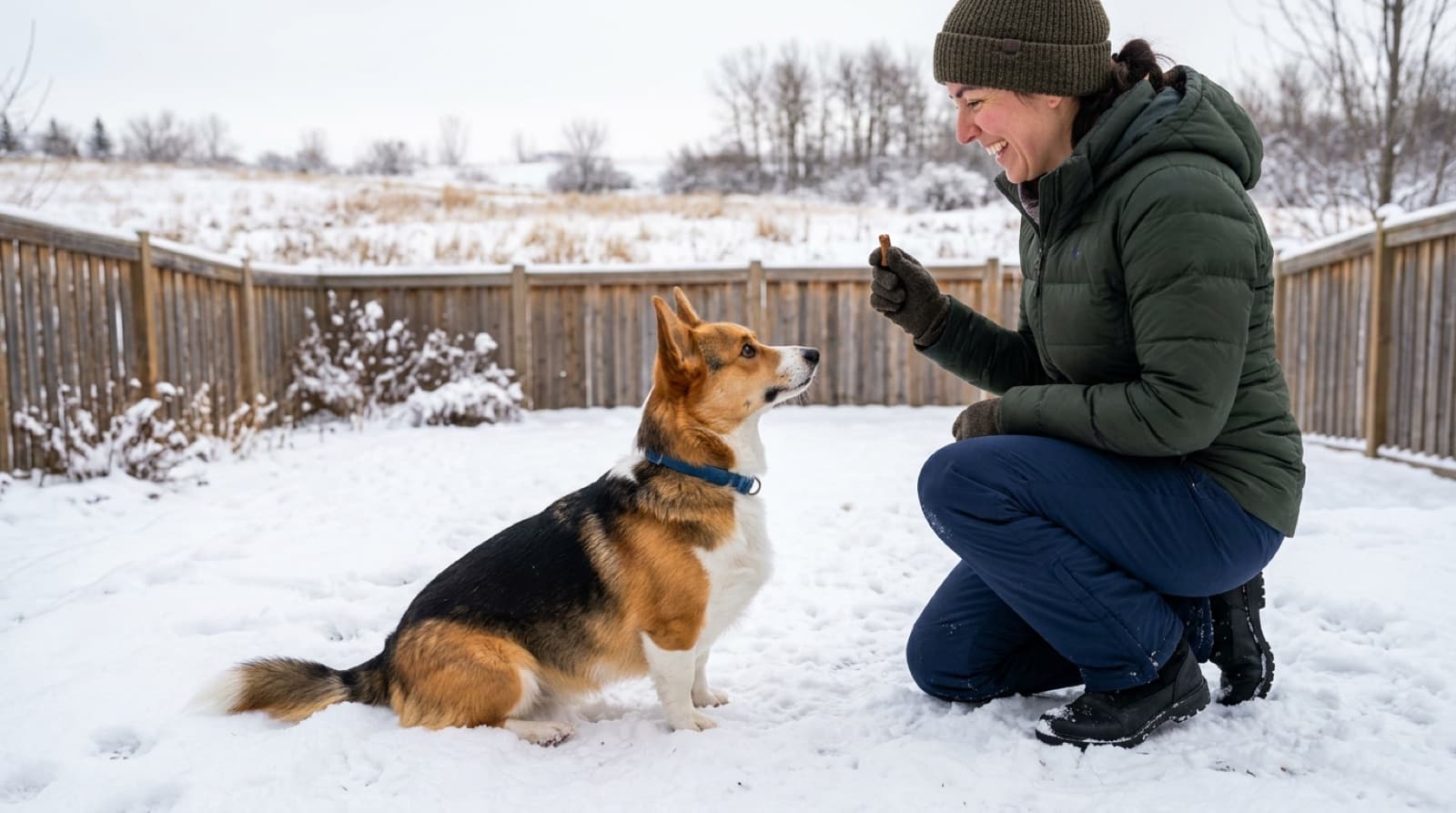
It all traces to the herding job
Understand the working heritage and every “problem” behaviour makes sense. Pembroke and Cardigan Welsh Corgis were bred to move cattle, darting in to nip at the heels and ducking away from the kick, using their voice to drive stock and alert the farmer. The Canadian Kennel Club classes the Corgi as a herding dog, and that is exactly what you are living with.
So the heel-nipping, the barking, the drive to control movement, and the bossy confidence are not defects, they are the breed doing its job on a suburban stage. The task is not to suppress the instinct but to give it a legitimate outlet and to redirect it away from ankles and running kids. A Corgi with a job, whether that is training games, fetch, puzzle work, or a dog sport, is a delightful companion. One left to invent its own job becomes the barking, nipping handful that fills rescues.
Managing the nipping and the barking
The nipping. Redirect rather than punish. Interrupt the nip with a known cue, reward a calm alternative, and teach an off-switch. Give the drive a proper outlet through structured games. Teach children not to run and shriek past the dog, which triggers the chase-and-nip, and supervise young kids and pets until the behaviour is reliably redirected.
The barking. Manage triggers (block street views, reduce doorbell excitement), make sure the dog is genuinely tired in body and brain, teach a “quiet” cue by rewarding silence, and never reward the barking with attention. Accept that a Corgi will always be talkative. If you live in close quarters with sound-sensitive neighbours, weigh this honestly before adopting.
For settling a newly adopted Corgi in the first days, our first-week rescue dog guide covers decompression and routine.
Find your Corgi in Ottawa
Adult rescue Corgis come with foster notes on energy, vocal level, herding drive, and how they do with kids and pets, so you can match the individual to your home. Browse live NCR inventory.
See Available Corgis →Exercise the body and the brain
A Corgi needs an hour or more of daily activity, and crucially, that must include mental work, not just walking. This is a working herding breed with a busy mind, and it thrives on training sessions, fetch, puzzle feeders, scent games, and dog sports like agility, at which many Corgis excel. Mental fatigue settles a Corgi more reliably than physical exercise alone. Use the breed’s strong food drive to power training, counting the treats in the daily calories to protect against the obesity that threatens the back, covered in our Corgi health guide.
In an Ottawa winter, keep the coldest-day walks shorter, the short legs and low belly chill fast and deep snow is hard going, and lean more on indoor mental work to burn the energy. A Corgi kept busy in body and brain is the calm, funny, devoted companion the breed is loved for.
Frequently Asked Questions
What is a Corgi’s temperament really like?
Corgis are big-dog personalities in a compact, short-legged body: bold, smart, affectionate, alert, and often comical, with a strong sense of their own importance. They bond closely with their families and are excellent, engaged companions. But the temperament is fundamentally a herding dog’s: they are energetic, driven, and often bossy, with a hard-wired instinct to control movement that shows up as nipping at heels, herding children and pets, and vocal alerting. They are also independent and strong-willed, so they need training, not just cuddling. People expecting a placid small lap dog are often surprised by how much dog is packed into a Corgi. With the right outlet for the brain and the herding drive, they are wonderful, but they are a project, not a passenger.
Why does my Corgi nip at heels and herd people?
Because that is literally the job the breed was built for. Pembroke and Cardigan Welsh Corgis were bred to herd cattle by nipping at their heels and darting out of the way of kicks, so heel-nipping is not aggression, it is instinct expressing itself on the nearest moving target, often children running, other pets, or ankles in a busy kitchen. It is manageable but not something to punish out of the dog, because it is deeply wired. Redirect it: interrupt the nip with a cue the dog already knows, reward calm alternatives, teach an off-switch, and give the herding drive a legitimate outlet through training games, fetch, and structured activity. Teach children not to run shrieking past the dog, which triggers the chase-and-nip. Consistency from the whole household is what reduces it.
Do Corgis bark a lot?
Yes, Corgis are a vocal breed, and it is one of the most common complaints and surrender reasons. They were bred to alert and to move stock with their voice, so barking at doorbells, passersby, other dogs, and general excitement comes naturally. In an Ottawa apartment or attached townhouse with close neighbours, this is a genuine consideration before adopting. You can reduce it, but not eliminate it: make sure the dog is well exercised and mentally tired, because a bored Corgi barks more; avoid rewarding the barking with attention; teach a "quiet" cue by rewarding silence; and manage triggers, such as blocking window views of the street. Realistic expectations matter, a Corgi will always be a talkative dog, and if silence is essential in your housing, the breed may not fit.
How much exercise does a Corgi need?
More than their short legs suggest. A Corgi needs a solid hour or more of daily activity, split between physical exercise and mental work, because this is a working herding breed with real stamina despite the size. Walks are the baseline, but a Corgi thrives on activities that engage the brain: training sessions, fetch, puzzle feeders, scent games, and dog sports like agility or herding trials, which many Corgis excel at. A well-exercised Corgi is calm, quiet, and pleasant; an under-exercised one becomes a barking, nipping, sometimes destructive handful. In an Ottawa winter, keep the coldest-day walks shorter (the short legs and belly get cold and deep snow is hard going) and lean more on indoor mental work, training games, and puzzle feeders to burn the energy.
Are Corgis easy to train?
They are highly intelligent and capable of learning quickly, which is a real advantage, but they are also independent and strong-willed, so they are not always eager to comply just because you asked. A Corgi will happily learn what benefits it and question what does not, which means training works best when it is rewarding, engaging, and consistent. Use positive, reward-based methods, harsh corrections make a bossy Corgi more resistant, not less. Keep sessions short and fun to hold that quick mind, and start early with the behaviours that matter most: managing the nipping, teaching a "quiet" cue, and building a solid recall and off-switch. The food motivation that makes Corgis prone to obesity is also a training asset, so use small rewards and count them in the daily calories. Enrol in a positive-reinforcement class if you want structure.
Are Corgis good with kids and other pets?
Generally yes, with the herding caveat. Corgis are sturdy, playful, and affectionate, and they typically do well in family homes, often forming strong bonds with children. The thing to manage is the herding instinct: a Corgi may try to herd running children or other pets by circling and nipping at heels, which is instinct, not aggression, but needs redirecting and supervision, especially with young kids who run and shriek and trigger the chase. Teach children to move calmly around the dog and to respect it around food, given the strong food drive. With other dogs and cats, Corgis are usually sociable, though the bossy streak means some do better as the confident one in the household. A rescue’s foster notes will tell you how a particular Corgi does with kids, dogs, and cats.
Do Corgis do okay when left alone?
They can, with proper exercise and gradual training, but a Corgi that is under-exercised or not taught to settle alone can become a barking, destructive problem, which lands many in rescue. Because they bond closely and are alert, some Corgis are prone to boredom-based misbehaviour or separation-related distress when left too long without an outlet. Set them up to succeed: give a good walk and mental workout before leaving, provide a puzzle feeder or safe chew, build up alone-time gradually rather than all at once, and never use the crate as punishment. For a working breed, mental fatigue matters as much as physical, a Corgi tired in the brain settles better than one merely walked. If you work long hours away from home, plan for a midday walk or daycare, and factor that into the decision to adopt.
Related Guides
New dog? Start with these care guides
Everything a new adopter needs to set up a safe, happy home.