The short answer
Dalmatians have two signature health issues: a relatively high rate of congenital deafness (manageable, deaf dogs thrive with hand-signal training) and, in every Dalmatian, a unique uric-acid metabolism causing urate bladder stones (manage with constant water, an appropriate diet, and vet monitoring, and treat inability to urinate as an emergency). Also plan for hip dysplasia, skin allergies, and eye/thyroid conditions. Dalmatians live 11 to 14 years. Routine Ottawa care runs $1,000 to $1,700 a year plus HST. The biggest free levers are hydration and diet (for the stones) and keeping the dog lean; consider insuring early given the recurring stone risk. Make all health decisions with your vet.
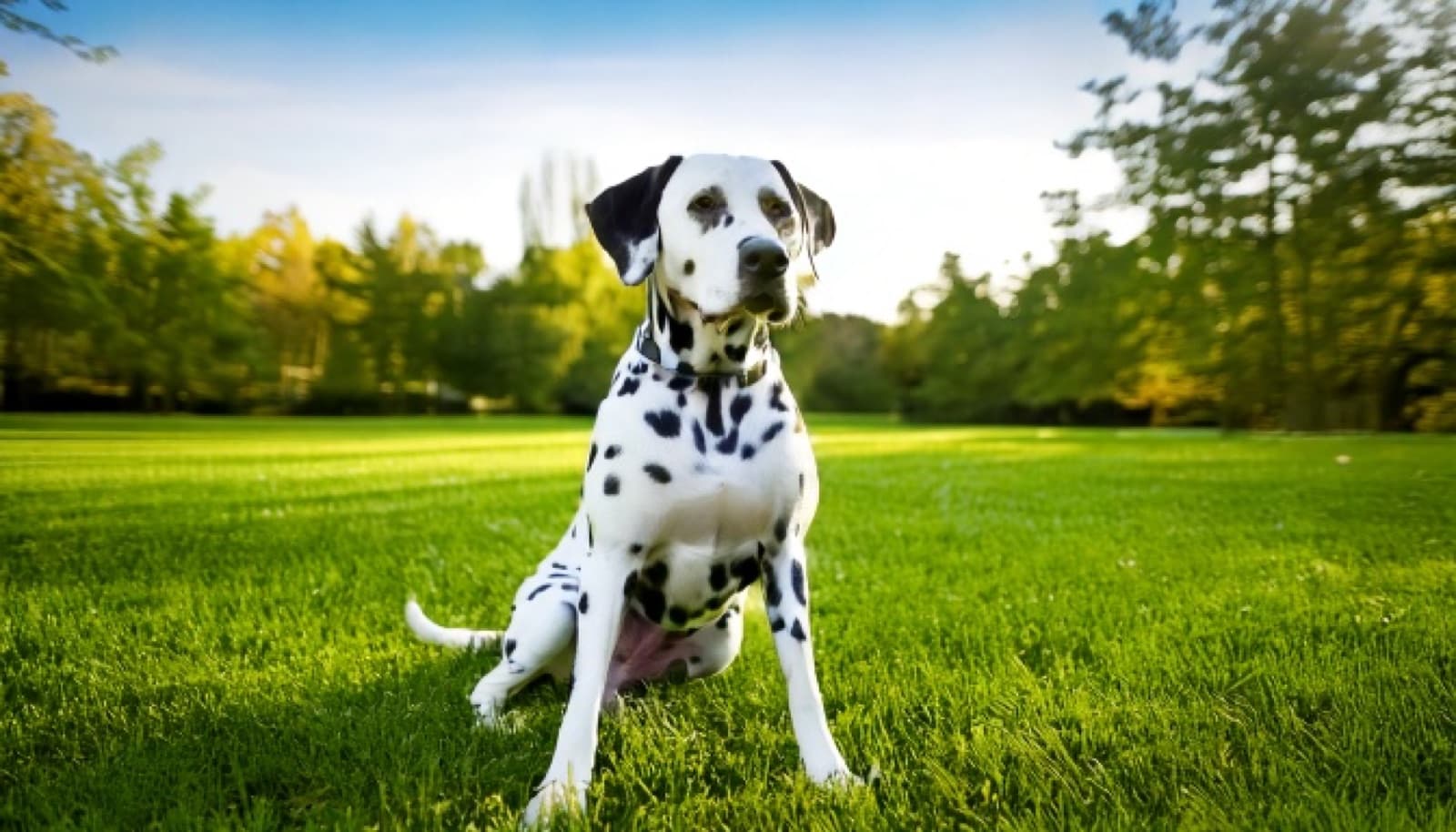
Dalmatian health is unusual: alongside the ordinary large-breed concerns, the breed has two genuinely distinctive traits, a higher-than-usual rate of deafness and a one-of-a-kind urate-stone risk shared by every Dalmatian. Both are very livable with the right knowledge, and understanding them is the key to a healthy Dalmatian. This is a planning list; every point should be discussed with your own veterinarian.
Inability to urinate is an emergency
Because every Dalmatian is prone to urate stones, straining to urinate, frequent urination, or blood in the urine warrants a prompt vet visit, and a complete inability to urinate (a blockage, more common in males) is a life-threatening emergency, get to a vet immediately. Ottawa has 24-hour care including the Alta Vista Animal Hospital. Ensure constant water and don’t make the dog hold urine.
The two signature issues, and the rest
Deafness. A relatively high incidence in the breed, tied to the white-coat genetics; puppies are BAER-tested. A deaf Dalmatian is a wonderful pet, trained with hand signals, kept leashed or fenced (no voice recall), and approached gently to avoid startling. Do not rule out a deaf dog, many are overlooked in rescue.
Urate stones. Every Dalmatian’s unique uric-acid metabolism makes urate stones a lifelong management item. Ensure constant water, feed an appropriate diet (follow current veterinary advice), allow frequent urination, and watch for urinary signs. This is the one breed-specific issue every owner must actively manage.
Hips, skin, eyes, thyroid. Hip dysplasia (keep the dog lean, source screened lines), skin allergies and dermatitis (address promptly), iris/eye conditions, and hypothyroidism all occur. For routine-care savings, see our Ottawa low-cost vet guide, and the Canadian Kennel Club for breed background.
Meet a healthy Dalmatian in Ottawa
Rescue Dalmatians come with a vet workup and honest health and hearing notes. Browse available Dalmatians and mixes from Ottawa and Ontario rescues.
See Available Dalmatians →Frequently Asked Questions
What health problems are Dalmatians prone to?
Dalmatians are generally an athletic, hardy breed, but they have two genuinely distinctive health concerns plus some more common ones, and understanding them is important before adopting. The two Dalmatian-specific issues are congenital deafness (a relatively high incidence in the breed, linked to the genetics of the extreme white coat) and urate bladder stones (all Dalmatians share a unique uric-acid metabolism that makes them prone to forming urate stones, sometimes requiring a special diet and, in emergencies, urgent treatment). Beyond those, Dalmatians can have hip dysplasia (as in many large breeds), skin conditions and allergies (Dalmatian bronzing or dermatitis, and food or environmental allergies are fairly common), and eye conditions including iris abnormalities. Some also have thyroid issues. Most of these are manageable, and the two breed-specific concerns, deafness and urate stones, are both very livable with the right knowledge: deaf Dalmatians thrive with hand-signal training, and urate stones are managed with diet, water, and vet monitoring. The single most valuable things an Ottawa owner can do are ensure the dog drinks plenty of water and follows an appropriate diet (for the stones), have hearing assessed, watch the skin, and keep the dog lean. Always make health decisions for your individual dog with your veterinarian.
Are Dalmatians often deaf, and can a deaf Dalmatian be a good pet?
Dalmatians do have a relatively high incidence of congenital (present-from-birth) deafness compared to most breeds, a consequence of the same genetics that produce their extreme white coat, and a Dalmatian can be born deaf in one ear (unilateral) or both ears (bilateral). Puppies are typically hearing-tested with a BAER test, and a reputable source will know a dog’s hearing status. The important and reassuring news is that a deaf Dalmatian can absolutely be a wonderful, happy pet, deafness is a manageable difference, not a barrier to a great life. Deaf dogs are trained using hand signals and visual cues instead of voice commands, learn beautifully, and adapt well, and many owners of deaf Dalmatians report they are just as trainable and delightful as hearing dogs. The main practical adjustments are: always keep a deaf dog leashed or in a securely fenced area (since you cannot call it back with your voice, recall relies on visual attention), approach the dog so as not to startle it (a gentle touch or vibration to get its attention), and use consistent hand signals. For an adopter, being open to a deaf Dalmatian genuinely widens your options and offers a rewarding companion, many deaf dogs are overlooked in rescue and make devoted pets. Ask the rescue about a dog’s hearing, and do not rule out a deaf dog, they are not harder to love, just trained a little differently.
What are urate bladder stones, and why are Dalmatians prone to them?
Urate bladder stones are one of the most important and genuinely Dalmatian-specific health issues, because unlike almost all other dogs, every Dalmatian has a unique quirk of uric-acid metabolism (they do not convert uric acid the way other breeds do), which makes the breed prone to forming urate stones and crystals in the urinary tract. This can lead to bladder stones that cause straining to urinate, frequent urination, blood in the urine, and, in a serious emergency, a complete urinary blockage (more common and more dangerous in males), which is life-threatening and needs immediate veterinary care. Because this metabolic trait is inherent to the breed, management is a normal, lifelong part of responsible Dalmatian ownership rather than a rare problem. The key preventive measures, to discuss with your vet, are: ensure constant access to fresh water and encourage high water intake (dilute urine is protective), feed an appropriate diet (many Dalmatians do well on a moderate-purine or specific urinary diet, and your vet can advise, historically a lower-purine diet was recommended, though nutrition guidance has evolved, so follow current veterinary advice), allow frequent urination (do not make the dog hold it for long), and monitor for any urinary signs. If your Dalmatian ever strains to urinate or cannot urinate, treat it as an emergency. For an adopted Dalmatian, ask about any urinary history, ensure good hydration and diet, and know the warning signs, this is the one breed-specific issue every Dalmatian owner must actively manage.
Do Dalmatians have skin, hip, or eye problems?
Yes, alongside the two signature issues (deafness and urate stones), Dalmatians are prone to a few more common conditions worth knowing. Skin is a notable one: the breed can develop allergies (food and environmental) and skin conditions, including a condition sometimes called Dalmatian bronzing or dermatitis, so itching, recurrent skin infections, and coat changes are worth watching and addressing with your vet, and some skin issues are linked to the breed’s urate metabolism. On joints, hip dysplasia, an inherited malformation leading to arthritis, occurs as in many large breeds, so keeping the dog lean, providing appropriate exercise, and sourcing from hip-screened lines all help. On eyes, Dalmatians can have iris abnormalities and various eye conditions, so annual eye checks and attention to any change are worthwhile. Some Dalmatians also have thyroid issues (hypothyroidism), which is easily tested and managed. None of these is a reason to avoid the breed, they are simply what a Dalmatian owner watches for, alongside the more distinctive deafness and stone concerns. For an owner, the practical protective steps across all of these are keeping the dog lean, feeding an appropriate diet with plenty of water, managing any skin allergies promptly, and staying on top of routine vet care. For an adopted Dalmatian, ask the rescue about any known skin, joint, or eye history.
How much does Dalmatian health care cost in Ottawa, and is insurance worth it?
Routine annual care for a large, active dog, a wellness exam, vaccines, parasite prevention, and dental attention, runs roughly $1,000 to $1,700 a year for a Dalmatian in Ottawa, plus Ontario’s 13 per cent HST, with grooming costs minimal (short coat, though heavy shedding). The breed-specific budget consideration is the urate-stone risk: an appropriate diet is an ongoing cost, and stone-related treatment can range from dietary management to surgery to remove stones (into the thousands) or emergency care for a urinary blockage, which is a genuine, potentially costly risk, especially in males. Hip surgery if dysplasia is severe, and skin-allergy management, are other possible costs. Deafness itself is not a cost (it is a manageable difference), but it is worth knowing about. On insurance: it is a reasonable, often worthwhile choice for the breed, because the urate-stone risk in particular can lead to unpredictable and sometimes urgent, expensive treatment, and insurance taken out while the dog is young and healthy locks in coverage before any urinary or other condition becomes a pre-existing exclusion, which matters a lot given that urate stones can recur. Premiums for a young Dalmatian commonly run $50 to $85 a month in Ottawa. Dalmatians typically live around 11 to 14 years, and a well-cared-for dog, kept lean, well-hydrated, on an appropriate diet, and well-exercised, has the best chance of a long, healthy life. For an adopted adult Dalmatian, ask about any urinary or skin history before insuring, and either way, hydration and diet are the biggest free health levers.
Related Guides
New dog? Start with these care guides
Everything a new adopter needs to set up a safe, happy home.