The short answer
Huskies are a relatively healthy breed, a real upside of their sound working heritage, but plan for a few specific issues. Eye disease leads the list: juvenile cataracts, PRA, and corneal dystrophy, so annual eye checks matter and any cloudiness in a young dog needs attention. Also watch for hip dysplasia (lower rates than most large breeds), zinc-responsive dermatosis (a manageable northern-breed skin condition), and hypothyroidism. Huskies live a long 12 to 15 years. Routine Ottawa care runs $900 to $1,600 a year plus HST, lower than many big breeds. Insure early if you insure, before eye conditions become pre-existing.
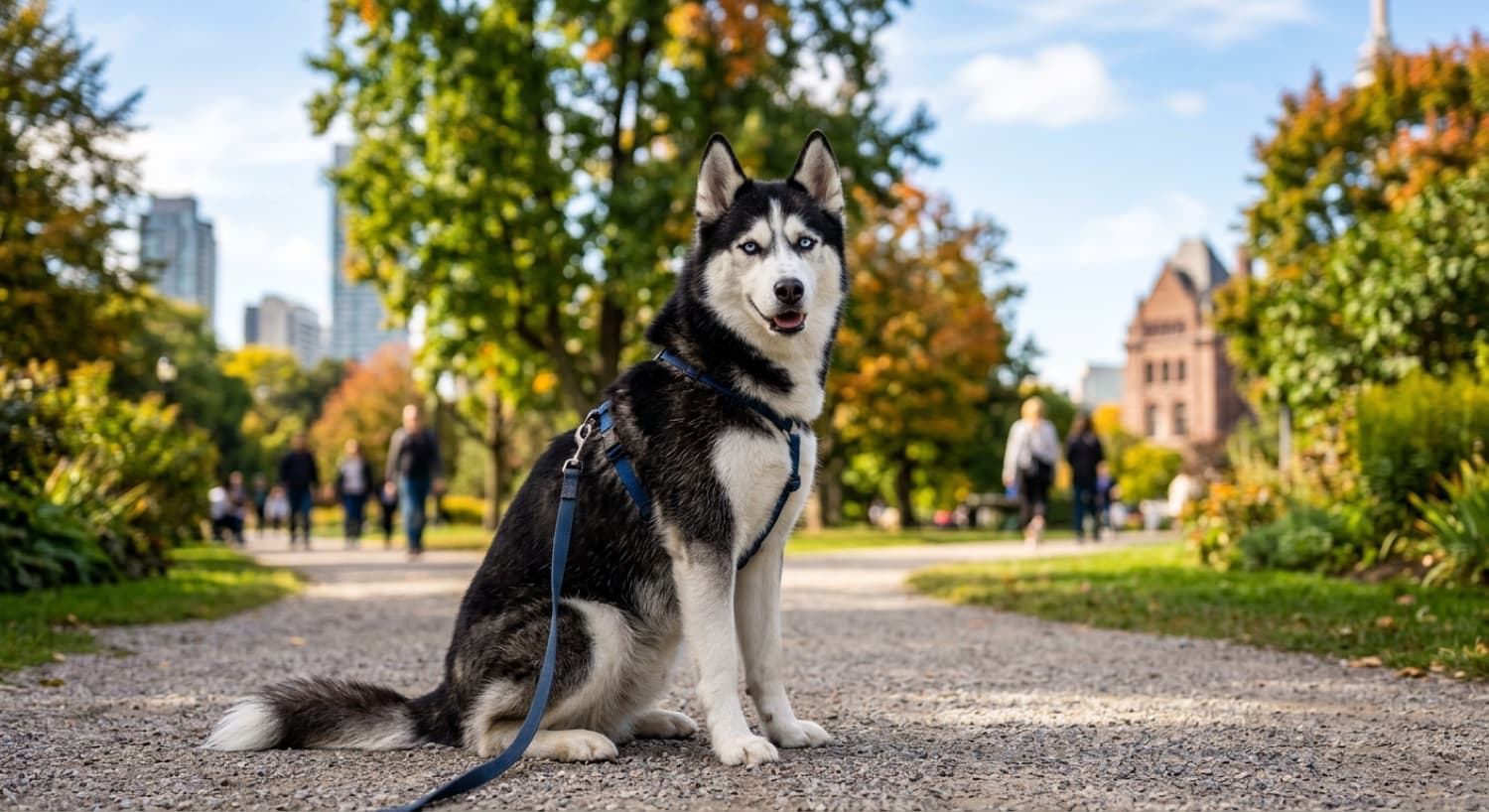
One of the genuine pleasures of the Husky is that, medically, it is an easy-keeper compared with many popular breeds. Bred as functional Arctic sled dogs where only sound animals could work, Huskies largely escaped the exaggerated features that burden breeds like Bulldogs. That does not mean no concerns, it means a short, specific list, so an Ottawa owner knows what to watch for and where the budget goes.
Watch the eyes, especially in young dogs
Because the breed is prone to inherited eye disease, any cloudiness, redness, or vision change, particularly in a young Husky, warrants a prompt vet visit and often a referral to a veterinary ophthalmologist. Sudden eye pain or a rapidly cloudy eye can indicate glaucoma, which is a same-day emergency. Ottawa has 24-hour and specialty care, including the Alta Vista Animal Hospital. Save the number now.
Eyes: the main thing to watch
Eye disease is the Husky’s most notable health area. The breed is prone to juvenile cataracts (which can appear before a year of age), progressive retinal atrophy (gradual, inherited vision loss that dogs adapt to well), corneal dystrophy (usually cosmetic cloudy spots), and occasionally glaucoma. Responsible breeders certify breeding dogs’ eyes annually with a veterinary ophthalmologist, which is exactly the screening a backyard breeder skips.
For an adopted Husky, build an annual eye check into the routine, and act promptly on any change. The striking eye colours the breed is famous for, blue, brown, one of each, or parti-coloured, are purely cosmetic and not linked to any disease.
Hips, skin, and thyroid
Hips. Hip dysplasia occurs but at lower rates than most large breeds. Keep the dog lean (easy for such an active breed) and screen through breeders who test.
Zinc-responsive dermatosis. A northern-breed skin condition tied to zinc metabolism, showing as crusty, scaly patches around the eyes, muzzle, and paws. Very manageable with vet-guided zinc supplementation, do not self-dose, as excess zinc is harmful.
Hypothyroidism. An underactive thyroid, easy to test for and cheap to treat with a daily pill. Suspect it if a Husky gains weight, slows down, or develops coat problems, though in an Ottawa winter, do not mistake normal cold tolerance for illness.
For routine-care savings, see our Ottawa low-cost vet guide.
Meet a healthy Husky in Ottawa
Rescue Huskies come with a vet workup and honest health notes, so you know what you are adopting. Browse available Huskies and Husky mixes from Ottawa and NCR rescues.
See Available Huskies →Frequently Asked Questions
Are Siberian Huskies a healthy breed?
Relatively, yes, and it is one of the genuine upsides of the breed. Because Huskies were bred as hardworking Arctic sled dogs where only sound, functional animals survived and worked, they escaped much of the exaggerated conformation that plagues some popular breeds, and they tend to be sturdy, athletic, and long-lived for a medium-large dog. That said, "relatively healthy" is not "problem-free." The breed’s notable concerns are eye conditions (Huskies are prone to several inherited eye diseases), hip dysplasia (lower rates than many large breeds but still present), zinc-responsive dermatosis (a skin condition tied to zinc metabolism), and hypothyroidism. Compared with a Bulldog or a giant breed, a Husky is an easy-keeper medically, which helps the budget, but responsible ownership still means eye checks, weight management, and awareness of the breed’s specific issues.
What eye problems are Huskies prone to?
Eye disease is the Husky’s most notable health area, and the breed is prone to several inherited conditions. Juvenile cataracts can appear in young dogs (as early as under a year) and cloud the lens, sometimes affecting vision. Progressive retinal atrophy (PRA) is a gradual degeneration of the retina leading to eventual blindness; dogs adapt remarkably well, but it is not reversible. Corneal dystrophy causes cloudy spots on the cornea and is usually cosmetic. Glaucoma can also occur. Because eye disease is so relevant to the breed, responsible breeders have breeding dogs’ eyes certified annually by a veterinary ophthalmologist. For an adopted Husky, an annual vet eye check (and referral to an ophthalmologist if anything looks off) catches problems early, and any cloudiness, redness, or vision change, especially in a young dog, warrants prompt attention. The blue, brown, or heterochromatic eye colour itself is not linked to disease.
Do Huskies get hip dysplasia?
They can, but at notably lower rates than many large and giant breeds, which is another benefit of their functional working heritage. Hip dysplasia is an inherited malformation of the hip joint that leads to arthritis, and while Huskies are not among the worst-affected breeds, it does occur, so it is worth knowing about. Signs include stiffness, difficulty rising, reluctance to jump or climb, a bunny-hopping gait, and lameness. Prevention starts with breeders who screen hips (OFA or PennHIP), and the biggest lever an owner controls is keeping the dog lean, since excess weight loads the joints, plus providing appropriate, non-jarring exercise. For an active breed that gets plenty of exercise anyway, maintaining a healthy weight is usually straightforward. If an older Husky shows stiffness or lameness, have the hips assessed, as management from weight control and supplements up to surgery depends on severity.
What is zinc-responsive dermatosis in Huskies?
It is a skin condition that Huskies and other northern breeds are specifically prone to, caused by problems absorbing or metabolising zinc. It shows up as crusty, scaly, or hairless patches, often around the eyes, muzzle, ears, and paws, and sometimes with a dull coat. It is not caused by a poor diet as such (though diet plays a role) but by the breed’s individual zinc metabolism, and it can appear even in well-fed dogs. The good news is that it is very manageable: once diagnosed by a vet, usually from the appearance and sometimes a skin biopsy, it is treated with zinc supplementation (dosed and monitored by the vet, since too much zinc is harmful) and sometimes dietary adjustment, and most dogs respond well. If your Husky develops crusty skin lesions around the face and paws, mention zinc-responsive dermatosis to your vet rather than assuming it is a simple allergy.
How much does Husky health care cost in Ottawa?
Because Huskies are relatively healthy and medium-large rather than giant, routine care is more affordable than for many big breeds: a wellness exam, vaccines, parasite prevention, and dental attention run roughly $900 to $1,600 a year in Ottawa, plus Ontario’s 13 per cent HST. Food and medication (dosed by weight) are moderate for the size. The budget wildcards are the breed-specific issues: eye conditions may need specialist ophthalmology assessment or, occasionally, cataract surgery; zinc-responsive dermatosis and hypothyroidism mean ongoing but inexpensive management; and hip issues, if they arise, can be costly. Overall the breed’s relative healthiness keeps expected lifetime vet costs lower than for many popular breeds, but the practical costs of a Husky, secure fencing, exercise, and daycare, often exceed the medical ones. See our Ottawa low-cost vet guide for routine-care savings.
Is pet insurance worth it for a Husky?
It can be, though the calculation is a bit different for a relatively healthy breed. Huskies avoid many of the expensive chronic conditions that make insurance a slam-dunk for breeds like Bulldogs or giant breeds, so the odds of a huge medical bill are somewhat lower. That said, the breed still carries real risks, eye conditions (cataract surgery is not cheap), hip issues, and the ordinary accidents an active, escaping, adventurous dog is prone to, from injuries to swallowed objects. Insurance taken out while your Husky is young and healthy locks in coverage before any condition becomes a pre-existing exclusion, which matters especially for the inherited eye diseases that can appear young. Premiums for a young Husky commonly run $40 to $70 a month in Ottawa. Weigh it against your savings buffer, and if you insure, do it early and confirm the eye conditions are covered.
How long do Huskies live?
Siberian Huskies are long-lived for a medium-large breed, typically 12 to 15 years, another benefit of their sound working heritage. A lean, well-exercised Husky with good genetics often reaches the upper end. Longevity depends on the usual levers: keeping the dog lean and well-exercised (rarely a challenge for such an active breed), staying current on eye checks, parasite prevention, and dental care, and annual vet visits that catch conditions like thyroid disease or eye problems early. For Ottawa owners, that lifespan means a long-term commitment to the breed’s substantial exercise and containment needs, they do not mellow into couch potatoes quickly, and budgeting for senior care in the later years. A Husky adopted as an adult still has many active years ahead, and the breed’s relative healthiness means those years are often lower-drama medically than for many popular breeds.
Related Guides
New dog? Start with these care guides
Everything a new adopter needs to set up a safe, happy home.