The short answer
You cannot legally adopt a pit bull in Ontario. Since 2005, the Dog Owners’ Liability Act has banned owning, breeding, transferring, importing, or training a pit bull acquired after the ban, and it remains in force in 2026. Only grandfathered dogs owned before 2005 may be kept, under muzzle, leash, and sterilization conditions (and virtually none remain today). The definition is broad, it covers the American Pit Bull Terrier, American Staffordshire Terrier, Staffordshire Bull Terrier, and dogs of substantially similar appearance, so it can catch look-alike mixed breeds. This is why no adoptable pit bulls are listed for Ottawa. The good news: many affectionate, loyal, family-friendly dogs are legal to adopt here. This is general information, not legal advice, contact the City of Ottawa or a lawyer for a specific situation.
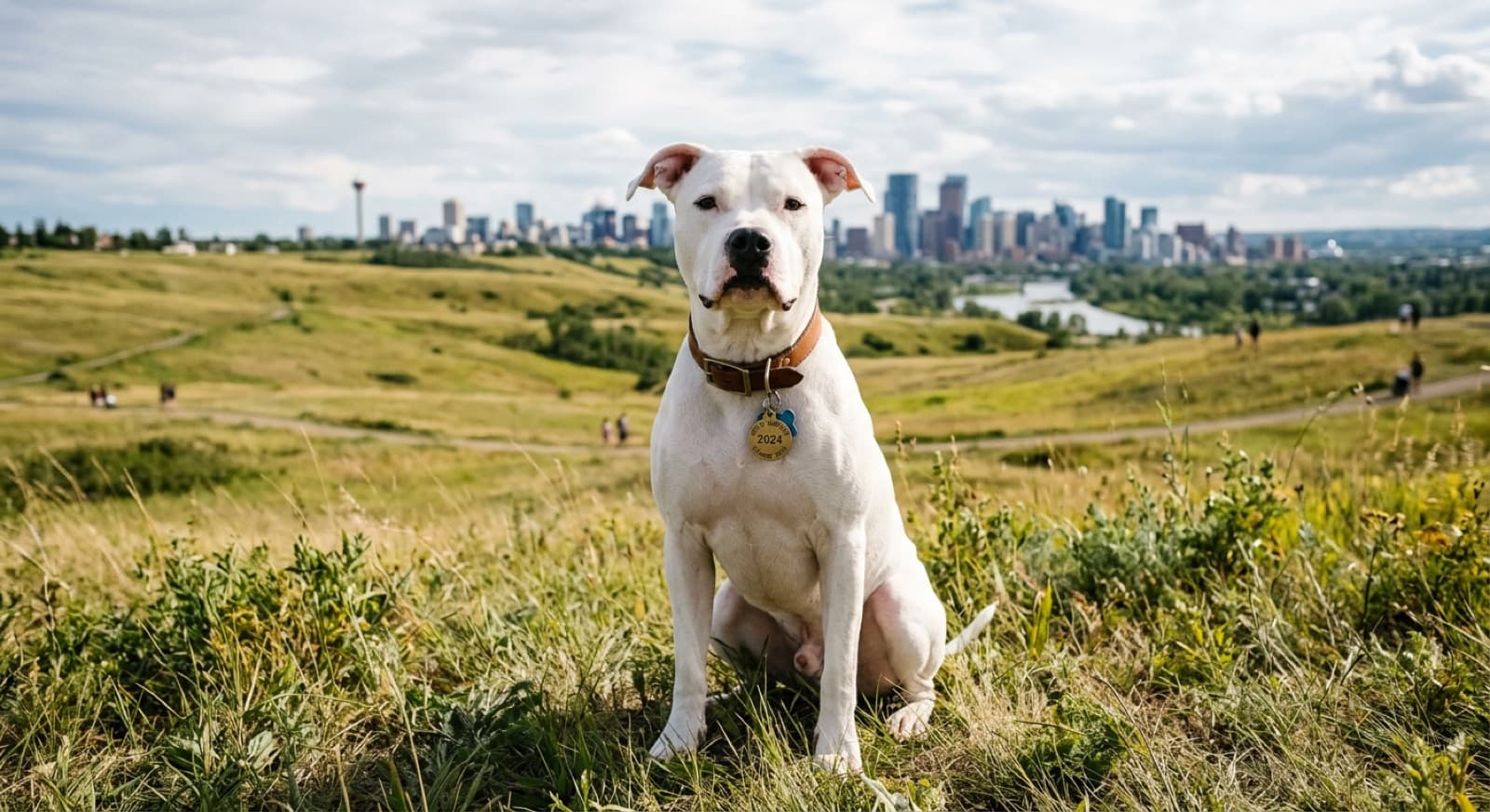
Because pit-bull-type dogs are among the most searched-for and most beloved by many adopters, it matters to give the honest, accurate answer for Ontario: the province bans them. This is not a judgment about the dogs, breed-specific legislation is genuinely controversial, and many animal-welfare and veterinary organizations oppose it, but it is the law today, and an informed adopter needs to know it before falling for a dog they cannot legally keep.
General information, not legal advice
This article explains the law in plain terms, but it is not legal advice, and classification of an individual dog can be a grey area (especially under the “substantially similar appearance” test). For any specific situation, a dog whose status is uncertain, a dog moving into Ontario, or questions about a grandfathered dog, contact the City of Ottawa (Dog Owners’ Liability Act and pit bull ban) or a lawyer.
What the law actually says
In 2005, Ontario amended the Dog Owners’ Liability Act to ban pit bulls province-wide. The ban prohibits owning, breeding, transferring, importing, and training a pit bull acquired after it took effect. The definition is broad, covering the American Pit Bull Terrier, American Staffordshire Terrier, Staffordshire Bull Terrier, and any dog of substantially similar appearance and physical characteristics, so it can extend to look-alike mixed breeds based on appearance rather than pedigree.
The only legal exception is grandfathered “restricted” pit bulls that were already owned in Ontario before the 2005 ban, which must be spayed or neutered and leashed and muzzled in public. Because those dogs predate 2005, almost none remain today. New pit bulls cannot legally be owned, which is why reputable Ontario rescues do not place pit bulls within the province (some transfer them out of province) and why you will not find adoptable pit bulls listed for Ottawa on this or any responsible platform.
Meet dogs you can adopt in Ottawa
Love the affectionate, loyal, family-dog qualities? Many legal breeds share them, Boxers, Labradors, and countless mixed-breed rescues. Browse adoptable dogs from Ottawa and Ontario rescues, every one legal to consider.
See Available Dogs in Ottawa →Frequently Asked Questions
Can you own or adopt a pit bull in Ontario?
No, with a narrow exception for grandfathered dogs. Since 2005, Ontario has banned pit bulls under amendments to the Dog Owners’ Liability Act (DOLA), and the ban remains in force. The law prohibits owning, breeding, transferring, importing, and training a pit bull acquired after the ban took effect, which means you cannot legally adopt a pit bull in Ontario, including in Ottawa. The only pit bulls that may legally be kept are “restricted” (grandfathered) dogs that were already owned in Ontario before the ban came into force in 2005, and even those must be kept under strict conditions (spayed or neutered, and leashed and muzzled in public). Because those grandfathered dogs were born before 2005, virtually none remain today given normal canine lifespans. New pit bulls, including puppies and dogs brought from elsewhere, cannot legally be owned in the province. This is why reputable Ontario rescues do not adopt out pit bulls within Ontario (some transfer them to provinces or states without such bans), and why you will not find adoptable pit bulls listed for Ottawa. This article is general information, not legal advice, for questions about a specific dog, contact the City of Ottawa or a lawyer.
What breeds count as a “pit bull” under Ontario law?
Ontario’s Dog Owners’ Liability Act defines a “pit bull” broadly, and this broad definition is one of the most important and contentious features of the law. Under the Act, a pit bull includes a pit bull terrier, a Staffordshire bull terrier, an American Staffordshire terrier, an American pit bull terrier, and, crucially, a dog that has an appearance and physical characteristics substantially similar to any of those dogs. That last clause means the ban can extend beyond the named breeds to mixed-breed dogs that simply look like a pit bull type, based on physical appearance rather than DNA or pedigree, which is why the law is controversial and why appearance-based enforcement can catch dogs whose actual ancestry is unknown or mixed. For an adopter, the practical implication is significant: a dog does not have to be a registered pit bull to fall under the ban, it can be caught by the “substantially similar” appearance test. This is a genuinely grey area, and how a given dog is classified can depend on assessment by authorities. If you are ever uncertain whether a specific dog would be considered a restricted pit bull under Ontario law, the responsible step is to contact the City of Ottawa or seek legal advice rather than guess, because the consequences of getting it wrong can be serious for both you and the dog.
Why does Ontario ban pit bulls, and is the ban still in effect in 2026?
Ontario enacted its pit bull ban in 2005 through the Public Safety Related to Dogs Statute Law Amendment Act, which amended the Dog Owners’ Liability Act, following high-profile dog-attack incidents and public-safety debate, and the ban remains in effect as of 2026, it has not been repealed. The legislation is a form of breed-specific legislation (BSL), meaning it targets dogs by breed or type rather than by individual behaviour, and it is genuinely controversial: many animal-welfare organizations, veterinary bodies, and advocates oppose breed-specific legislation, arguing that a dog’s breed or appearance is a poor predictor of behaviour, that responsible ownership and individual assessment matter far more, and that such bans punish well-behaved dogs and their owners while doing little to improve public safety. Supporters argue the ban addresses public-safety concerns. Over the years there have been political attempts to repeal or amend the ban and various debates about its effectiveness, and some regulatory adjustments have been made (for example, to how seized dogs are handled), but as of 2026 the core ban is still law in Ontario. Regardless of one’s view on BSL, the practical reality for an Ottawa resident today is straightforward: the ban is in force, and you cannot legally acquire a pit bull in Ontario. If the law changes in the future, this guidance would change with it, but for now the ban stands.
What happens if someone owns a banned pit bull in Ottawa?
Owning a non-grandfathered pit bull in Ontario is a violation of the Dog Owners’ Liability Act, and the consequences can be serious, though this article is general information and not legal advice. Enforcement is generally carried out at the municipal level (in Ottawa, through the City’s bylaw and animal-services framework alongside provincial law), and potential consequences under the Act can include the dog being seized and, in some cases, court proceedings that may result in the dog being ordered destroyed, as well as fines for the owner. Grandfathered “restricted” pit bulls that were legally owned before the 2005 ban are subject to strict requirements, including being spayed or neutered and being leashed and muzzled in public, and failing to comply with those conditions can also lead to penalties. Because the stakes are high for both the owner and the dog, anyone with a specific situation, such as a dog whose classification is uncertain, a dog moving into Ontario from elsewhere, or questions about a grandfathered dog, should contact the City of Ottawa’s animal services or seek legal advice rather than rely on general information. The key takeaway is that this is not a technicality to be casually ignored: the law carries real consequences, which is precisely why we do not encourage or facilitate pit bull adoption in Ontario and why prospective adopters should choose a breed they can legally and safely own.
What can I adopt in Ottawa if I love the pit bull type?
Plenty of wonderful dogs are legal to adopt in Ottawa and offer much of what draws people to the pit bull type, affectionate, loyal, people-oriented, strong, athletic family companions, so the good news is that a ban on one type does not mean a shortage of great dogs. Many adopters drawn to pit bulls love their devotion, playfulness, and strength, and breeds that share those qualities and are legal to own in Ontario include the Boxer (playful, loyal, great with families), the Labrador Retriever (friendly, sturdy, endlessly popular), and various other medium-to-large mixed-breed rescues that are not classified as pit bull type. The most important step is to work with a reputable Ottawa or Ontario rescue: they assess each dog’s temperament honestly, know which dogs are legal to place in Ontario, and can match you with an affectionate, family-friendly dog that fits your lifestyle and complies with the law. Be cautious with any dog whose appearance might fall under the “substantially similar” pit bull definition, and if you are ever unsure about a specific dog’s legal status, ask the rescue and, if needed, the City of Ottawa. LocalPetFinder aggregates adoptable dogs from Ottawa and across Ontario so you can search by breed and temperament, and every dog listed for Ottawa is one you can legally consider. Focus on the individual dog’s personality and fit, there are many devoted, loving dogs waiting for homes.
Related Guides
New dog? Start with these care guides
Everything a new adopter needs to set up a safe, happy home.