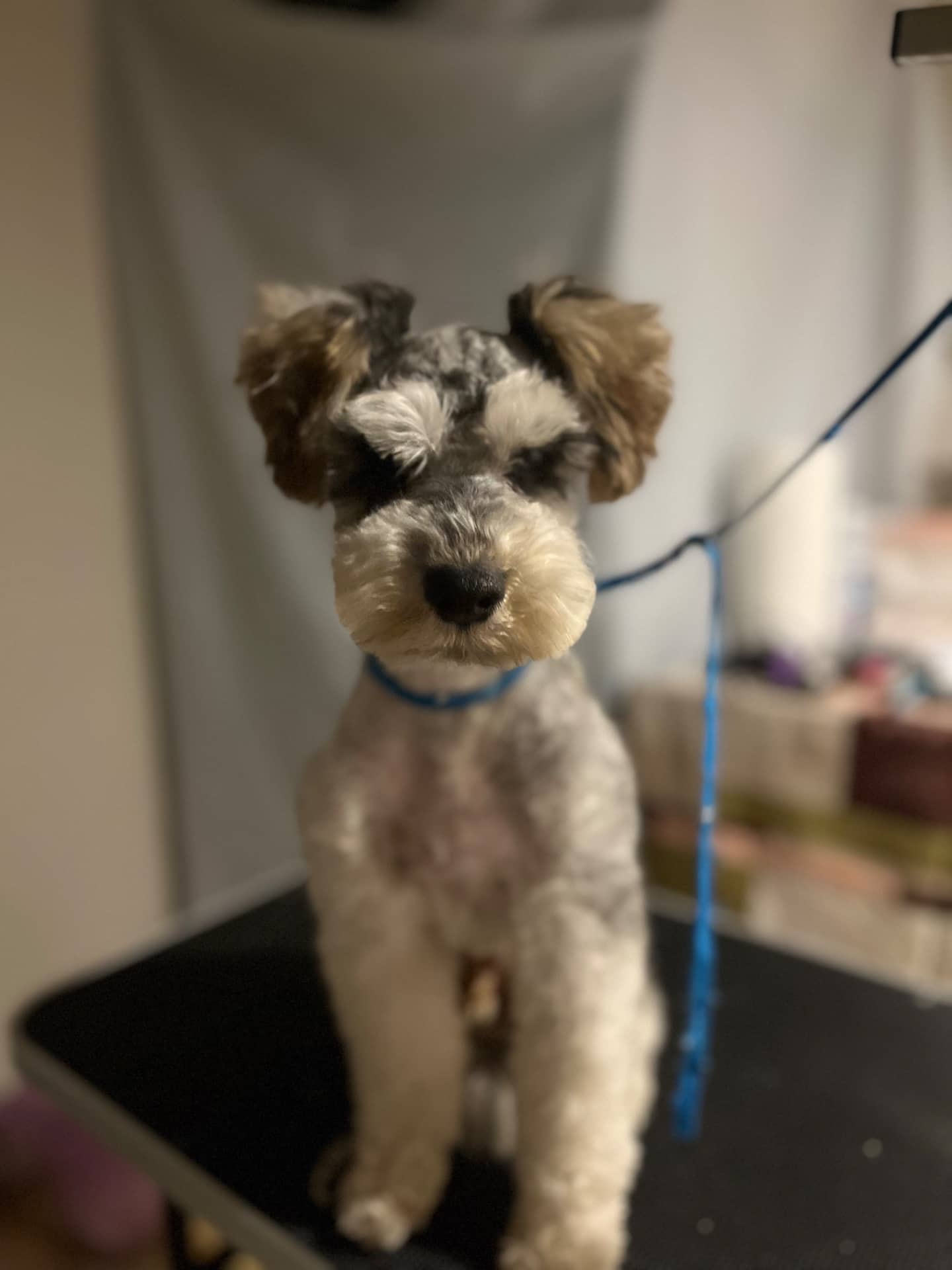
Miniature Schnauzers in Toronto, right now
We're currently tracking 1 adoptable Miniature Schnauzer in or near Toronto, listed by 1 rescue including Owner Rehoming. Listings update regularly, and most Miniature Schnauzers in Toronto get adopted within days of being posted — if one catches your eye, reach out fast.
Adopting a Miniature Schnauzer in Toronto
Miniature Schnauzers are a steady presence in Toronto and GTA rescue. The Toronto Humane Society on River Street, Save Our Scruff, City of Toronto Animal Services across the West, North and East shelters, and Ontario SPCA Toronto Area branches see Mini Schnauzers and Schnauzer crosses (Schnoodle, Schnug, Schnauzerie) regularly. Most rescue Mini Schnauzers are 3 to 8 year old adults from households that underestimated the hand-stripping grooming budget, the pancreatitis dietary management, or a senior Schnauzer inherited from an owner moving into long-term care.
This page pulls every adoptable Mini Schnauzer from the launched GTA shelters into one searchable place, refreshed regularly. The breed is an excellent GTA condo and apartment dog — 11 to 20 lbs is under most weight caps, the wire coat sheds minimally (often marketed as hypoallergenic, though no dog is truly allergen-free), and the temperament is alert, loyal and trainable. The catches are pancreatitis dietary management (which is more involved than most adopters expect) and the coat care choice between hand-stripping and clippering, which sets the breed apart from most small dogs in the GTA.
Pancreatitis — the breed-defining dietary management
Mini Schnauzers carry a strong genetic predisposition to pancreatitis, and the breed is also predisposed to hyperlipidemia (elevated blood fats) which itself triggers pancreatitis episodes. A pancreatitis flare presents as vomiting, lethargy, painful abdomen, and inappetence — emergency vet at Toronto Veterinary Emergency Hospital, VCA Canada Toronto branches, or Mississauga Oakville Veterinary Emergency Hospital (MOVE) runs $1,500 to $4,000 per episode depending on severity. Chronic recurrent pancreatitis is a real adopter cost over the dog's lifetime — pet insurance taken out the week of adoption covers post-policy episodes but not pre-existing.
The management is dietary and ongoing. A low-fat diet (under 10% fat dry matter, or under 20 grams fat per 1000 calories) is the breed-wide recommendation, lifetime. Brands commonly used in the GTA are Hill's i/d Low Fat, Royal Canin Gastrointestinal Low Fat, and Purina Pro Plan EN Low Fat. Fatty treats, table scraps, and high-fat training rewards are off the menu. A Mini Schnauzer that grew up in a household giving cheese cubes and beef strips is a candidate for pancreatitis within months. Ask the foster about the dog's current diet, episode history, and any fat-restriction protocol in place.
Diabetes, bladder stones and the rest of the health load
The breed is predisposed to diabetes mellitus, often appearing in middle-aged dogs (6 to 9 years) and frequently linked to chronic pancreatitis damage to the pancreas. Insulin therapy plus monitoring runs $1,500 to $3,000 annually once diagnosed. Calcium oxalate bladder stones are common in the breed — diagnostic ultrasound at GTA practices and cystotomy surgery at $2,500 to $4,500 if surgical removal is needed. Long-term urinary diet plus increased water intake prevents recurrence. Cataracts (often diabetes-related) and progressive retinal atrophy (PRA) appear in seniors — annual ophthalmology checks from age 5 reasonable.
Schnauzer comedo syndrome is a breed-specific skin condition characterised by comedones (blackheads) along the back. It is cosmetic, manageable with medicated shampoos, and not painful. A 12 to 15 year lifespan is realistic. Pet insurance is $50 to $90 a month for a young Mini Schnauzer at GTA insurers, and the breed-specific risks of pancreatitis and diabetes make insurance the single highest-value adopter purchase. Take it out the week of adoption.
Hand-stripping versus clippering — the coat care decision
The Miniature Schnauzer has a double coat with a wiry outer coat and soft undercoat. The conformation-correct grooming is hand-stripping (manually plucking dead outer coat to maintain the wire texture and colour) every 6 to 8 weeks at $80 to $120 in GTA salons. Hand-stripping preserves the proper coat texture, the breed colour pattern, and the natural shed-minimisation that gives the breed its hypoallergenic reputation. Salons that hand-strip in Toronto are limited — ask the rescue or the breeder for a referral.
Clippering (machine-trimming the coat instead of hand-stripping) is the alternative at $40 to $60 every 6 to 8 weeks at any GTA grooming salon. The trade-off is softer texture, lighter colour, more shedding (though still minimal), and a less conformation-correct look. Most Toronto pet-home Mini Schnauzers are clippered. Both are fine for a companion dog — choose based on budget, grooming preference, and salon access. Daily brushing between appointments prevents leg-furnishing mats either way.
What Mini Schnauzers are actually like to live with
A well-matched Mini Schnauzer in Toronto is alert, deeply loyal, trainable, and an excellent condo or apartment dog. The realistic parts to plan for:
- Low-fat diet for life. Pancreatitis is the breed-defining health risk. No table scraps, no fatty treats.
- Pet insurance is essential. Take it out the week of adoption — pancreatitis, diabetes and bladder stones are all common.
- Grooming budget. Hand-stripping at $80 to $120 every 6 to 8 weeks, or clippering at $40 to $60. Daily brushing of leg furnishings.
- Minimal shedding. The wire coat sheds little — often marketed as hypoallergenic (though no dog is truly allergen-free).
- High condo compatibility. 11 to 20 lbs is under most GTA condo weight caps.
- Alert-barker. Most Mini Schnauzers will vocalise at the condo lobby door, elevator dings, and passing dogs in shared common areas. Training helps.
- Excellent trainability. Force-free training, mental work and structured routine all suit the breed.
- 12 to 15 year lifespan. Realistic for a healthy line.
What the fee usually covers
Miniature Schnauzer adoption fees at Toronto and GTA rescues typically run $400 to $700 for an adult dog. The fee covers spay or neuter, core vaccinations, microchip, deworming, dental assessment at intake, and a vet check before placement. Pancreatitis history at intake is worth asking about specifically — a Schnauzer with a documented episode history shapes ongoing dietary management and pet insurance carrier choices. Confirm the exact number on the dog's own listing.
How to actually search
Use the filters above to narrow by size (small to medium), energy level (medium), good with kids and other dogs, and shelter. Apply the same day a good fit appears. Read foster notes on diet history, any pancreatitis episodes, grooming preferences (hand-stripped or clippered at intake), and behaviour around other dogs in a shared GTA condo environment. Foster homes will set up a video call before you drive across the 401 for an in-person meet.
Looking more broadly? Browse every adoptable dog across the province on Dog Adoption Ontario.
The rescues that most often list Miniature Schnauzers across Ontario are Toronto Humane Society, Save Our Scruff, City of Toronto Animal Services, and Ontario SPCA (Toronto Area). For breed-specific background, the Canadian Kennel Club is a useful reference.
Miniature Schnauzer Adoption FAQ — Toronto
How many Miniature Schnauzers are available for adoption in Toronto?
As of September 2026, Miniature Schnauzers are rare in Toronto rescue — only 1 is listed right now across 1 rescue on LocalPetFinder. They tend to get adopted fast, so setting an alert is the most reliable way to find one.
Where can I adopt a Miniature Schnauzer near me in Toronto?
Toronto and the GTA have Miniature Schnauzers and Schnauzer crosses (Schnoodle, Schnug) in rescue regularly. The major sources are the Toronto Humane Society on River Street, Save Our Scruff foster-based rescue, City of Toronto Animal Services West/North/East, and Ontario SPCA Toronto Area branches. Most rescue Schnauzers are 3 to 8 year old adults surrendered for grooming budget, dietary management, or schedule changes. Set up an alert and apply within 24 to 48 hours of a dog appearing.
How serious is pancreatitis in Miniature Schnauzers?
Real and predictable. The breed carries a strong genetic predisposition plus hyperlipidemia risk that itself triggers episodes. A flare presents as vomiting, lethargy, painful abdomen and inappetence — emergency vet at Toronto Veterinary Emergency Hospital, VCA Canada Toronto, or MOVE runs $1,500 to $4,000 per episode. Management is dietary and lifetime: a low-fat diet (under 10% fat dry matter) is the breed-wide recommendation, no table scraps or fatty treats. Brands commonly used in the GTA are Hill's i/d Low Fat, Royal Canin Gastrointestinal Low Fat, and Purina Pro Plan EN Low Fat. Pet insurance taken out the week of adoption covers post-policy episodes but not pre-existing.
Should I hand-strip or clipper a Miniature Schnauzer coat?
Either works for a companion dog. Hand-stripping (manually plucking dead outer coat) every 6 to 8 weeks at $80 to $120 at GTA salons preserves the wire texture, breed colour pattern, and natural shed-minimisation that gives the breed its hypoallergenic reputation. Salons that hand-strip in Toronto are limited — ask the rescue for a referral. Clippering (machine-trimming) at $40 to $60 at any salon is the cheaper alternative with softer texture, lighter colour, and slightly more shedding. Most Toronto pet-home Mini Schnauzers are clippered. Daily brushing of leg furnishings prevents mats either way.
Are Miniature Schnauzers actually hypoallergenic?
No dog is truly hypoallergenic, but the wire coat does shed minimally and the breed is one of the lower-allergen small dogs available. Allergy sufferers should spend time with the specific dog before committing — most GTA rescues will arrange a meet-and-greet at the foster home where the adopter can test their allergic response over 30 to 60 minutes. The Mini Schnauzer's allergen profile depends on the individual dog (saliva and dander vary), the grooming routine (hand-stripped sheds less than clippered), and the household's baseline allergy severity.
Are Mini Schnauzers a good fit for a Toronto condo?
Excellent on most counts. 11 to 20 lbs is under most GTA condo weight caps in Liberty Village, CityPlace, the Yonge corridor and downtown Mississauga. The wire coat sheds minimally. The breed is quiet enough indoors but is an alert-barker — most Mini Schnauzers vocalise at the condo lobby door, elevator dings, and passing dogs in shared common areas. Training reduces it but does not eliminate it. The dietary management for pancreatitis prevention is the harder routine, more than the housing fit.
How serious is pancreatitis risk in Mini Schnauzers?
It is the breed-defining health concern. Mini Schnauzers have one of the highest pancreatitis rates of any breed, compounded by genetic hyperlipidaemia. A single GTA emergency hospital stay can run $1,500 to $3,500 at 24-hour practices. Low-fat diet for life is non-negotiable — no table scraps, careful with treats, and a prescription gastrointestinal food is often warranted. Pet insurance taken out before any episode is documented is strongly recommended for the breed.
Do Mini Schnauzers bark a lot in a Toronto condo?
Yes — terrier-typical vocalisation, alert to every doorbell, hallway sound, and elevator ping. Condo or apartment ownership in the GTA requires a structured anti-bark training programme from day one or it creates neighbour conflict fast. Ask the foster specifically about the dog vocal pattern when left alone and when guests arrive.
What is the difference between a Miniature, Standard and Giant Schnauzer?
They are three separate breeds under their own standards rather than three sizes of one, though they share a wiry double coat, the same bearded outline and a common ancestry, since both the Miniature and the Giant were developed from the Standard. Roughly, a Miniature runs 11 to 20 pounds, a Standard 30 to 50, and a Giant 55 to 85 or more. For an apartment or a condo the size gap is the whole decision. A Miniature fits comfortably and is the one you will actually find in rescue; a Standard is a medium dog that needs real daily exercise; a Giant is a working breed that most condo boards and most schedules cannot absorb. The barking, though, comes in all three sizes.
How much does it cost to adopt a Miniature Schnauzer in Toronto?
Adopting a Miniature Schnauzer in Toronto typically costs $300 to $600, and puppies usually carry a premium at $500 to $900. The exact fee varies by rescue, and older dogs are often reduced. That fee is not a purchase price. It covers work already done on the dog: spay or neuter, vaccinations, deworming, microchip, and a basic vet workup, which would cost several hundred dollars more if you arranged it yourself after buying. Buying the same breed from a registered breeder generally runs well over $1,000, usually with a waitlist. Ask the rescue what is included before you apply, since a few include extras like a starter bag of food or a first-month insurance trial.
Are these Miniature Schnauzers for sale in Toronto?
Not for sale, for adoption, which is usually the better deal. Every Miniature Schnauzer here comes from a Toronto rescue or shelter, not a breeder, pet store, or classified seller. Adoption fees are typically $300 to $600, with puppies at $500 to $900 and already include vaccinations, deworming, microchip and spay or neuter when age-appropriate, versus roughly $2,000 to $5,000 or more to buy a Miniature Schnauzer from a breeder. If you searched "miniature schnauzer for sale toronto" or "miniature schnauzer puppies for sale," adopting gets you a healthy, vetted dog for a fraction of the price.
Where can I buy a Miniature Schnauzer in Toronto, and should I?
You can buy from a registered breeder, but it is worth weighing against adoption first. A reputable Miniature Schnauzer breeder typically charges $2,000 to $5,000 or more and often has a waitlist, while a rescue Miniature Schnauzer costs $300 to $600, with puppies at $500 to $900 fully vetted and may be available now. Be cautious of cheap miniature schnauzer-for-sale ads on classified sites and marketplaces, which are frequently backyard breeders or puppy-mill resellers with unvetted, sometimes sick animals and no health guarantee. If you do buy, insist on seeing where the puppies were raised and getting vet records. For most families in Toronto, adopting a rescue Miniature Schnauzer is cheaper, faster, and gives a dog in need a home.
Are there free Miniature Schnauzers in Toronto, or miniature schnauzers under $500?
Adoption is the closest honest answer, and it is not free. A rescue Miniature Schnauzer in Toronto typically costs $300 to $600, with puppies at $500 to $900, so the lower end lands under the "$500" people search for and the rest does not. What the fee buys is work already done, the vaccinations, deworming, microchip and spay or neuter, which would cost more than the fee itself if you arranged it yourself, and it is still far below breeder prices. Be wary of genuinely free miniature schnauzer listings. An animal advertised free to a good home has usually not been vetted, and free rehoming ads are the route flippers and unregistered breeders use to move animals with no health guarantee and no recourse. Paying a rescue fee buys you a dog someone has already examined, treated, and been honest with you about.
Are there Miniature Schnauzer puppies in Toronto, or only adults?
Both, but adults far outnumber puppies, and it is worth knowing that before you start looking. Most Miniature Schnauzers arriving in Toronto rescue are adolescents and adults, because that is the age at which first homes tend to give up. Puppies do come through, usually as accidental litters or with a surrendered mother, and they are typically spoken for quickly. Setting an alert beats refreshing the page. It is also worth asking whether you actually want one: an adult arrives with a temperament a foster has already observed and described, where a Miniature Schnauzer puppy is a prediction, and for this breed in particular knowing what you are getting is the more useful thing.
Where can I find a Miniature Schnauzer near me in Toronto?
Start with the listings on this page, which pull from Toronto rescues and shelters and are refreshed regularly, so what you see is what is genuinely available rather than a stale directory. If nothing suits today, that is normal for this breed: rescue intake is intermittent rather than steady, and a breed with none listed this week often has several next month. Setting an alert beats checking back, and it is worth widening to nearby towns, since most rescues serving Toronto will adopt out across a reasonable driving distance rather than only inside one municipality.
Have a dog to rehome?
Rehoming a Miniature Schnauzer in Toronto?
List your dog free. Local adopters browsing Toronto see owner listings first: no shelter, no fees, you choose the home.
List your pet free →Takes 3 minutes. You stay in control of who adopts.
Not seeing one yet?
Get notified when a Miniature Schnauzer is listed in Toronto
We'll email you the moment a Miniature Schnauzer is listed in Toronto on LocalPetFinder, from a rescue or an owner rehoming.
One email when there's a match. Unsubscribe anytime.
For rescues & shelters
Are you a Toronto-area rescue? List your adoptable dogs free.
Free shelter account: your dogs appear here and across LocalPetFinder, with analytics and adoption applications included.