1 Chihuahua puppy available in Ontario
Under a year old, listed by rescues and shelters. Updated as shelters publish.
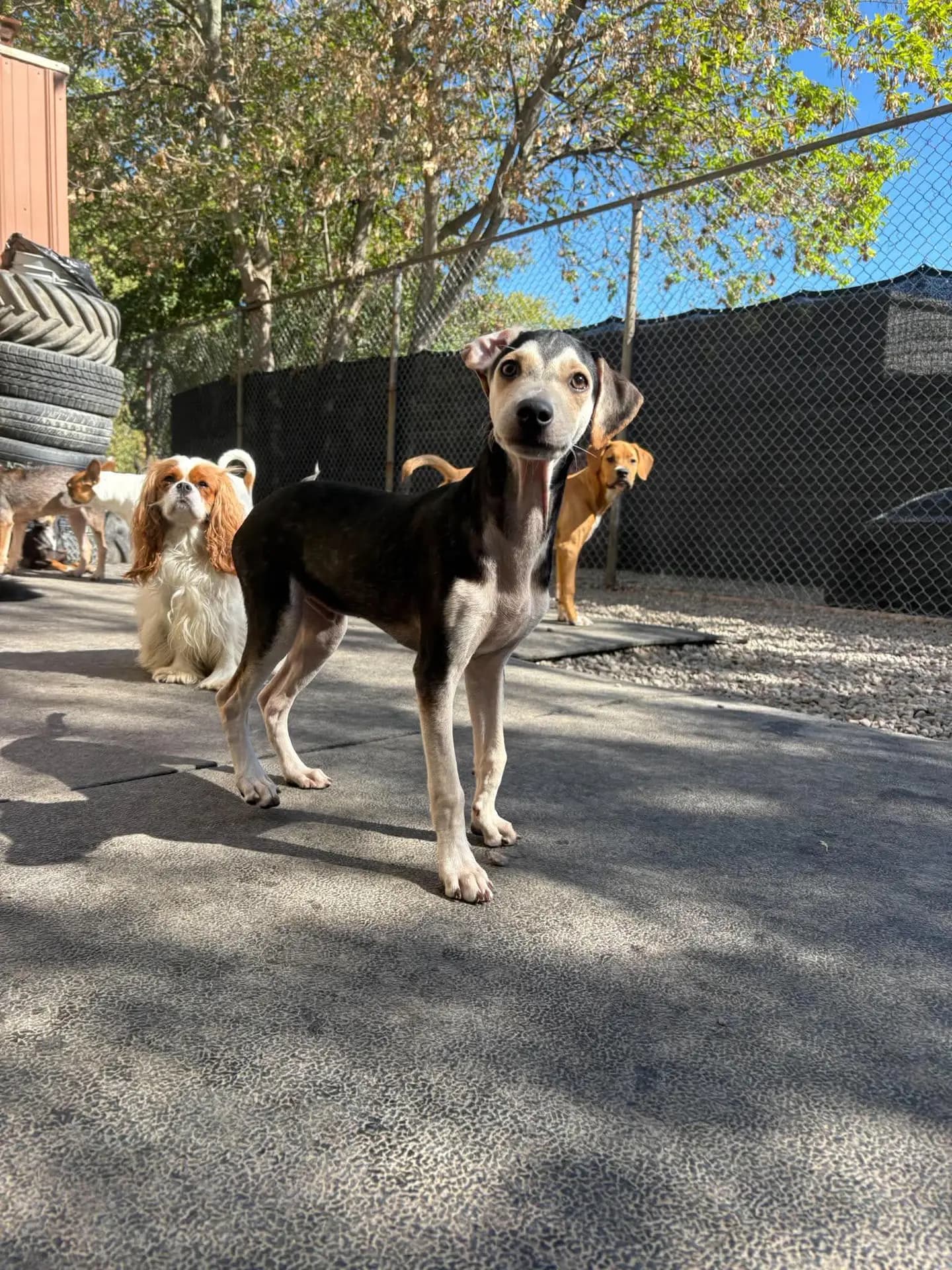
Showing 12 dogs
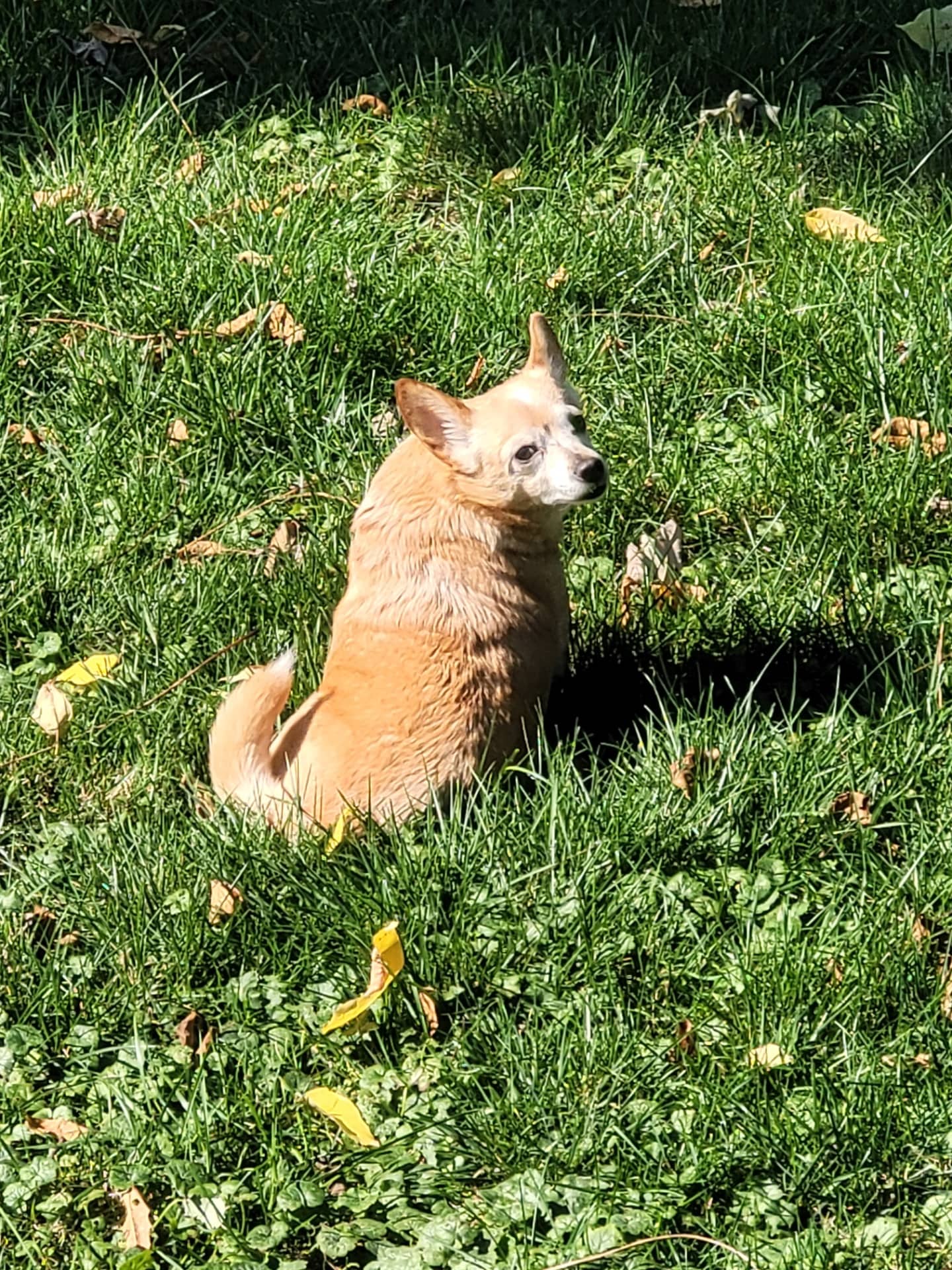
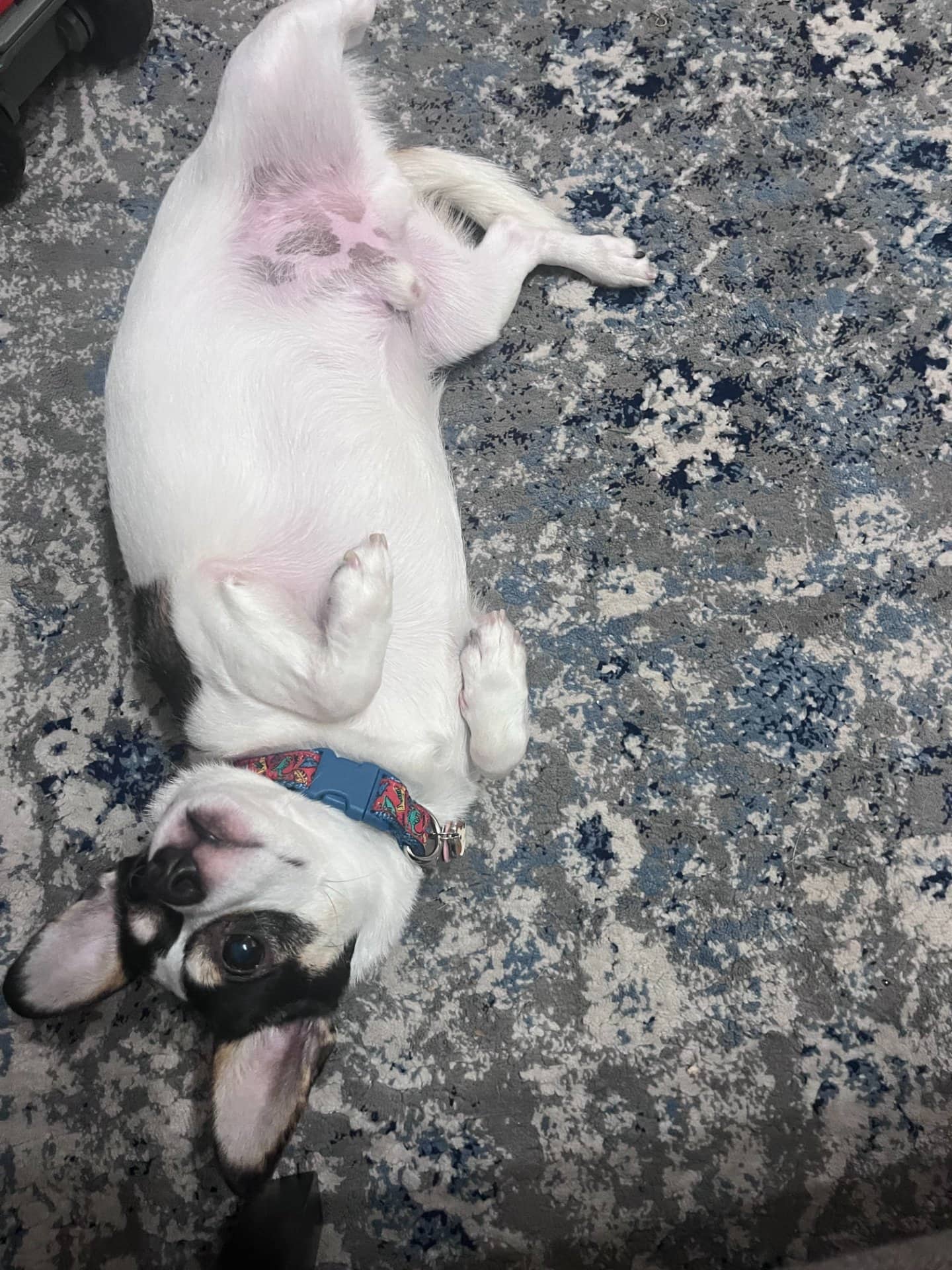
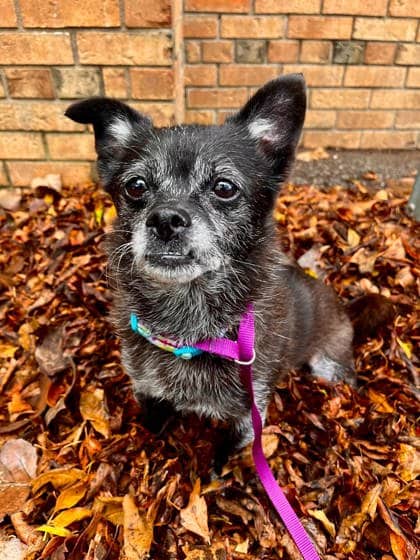
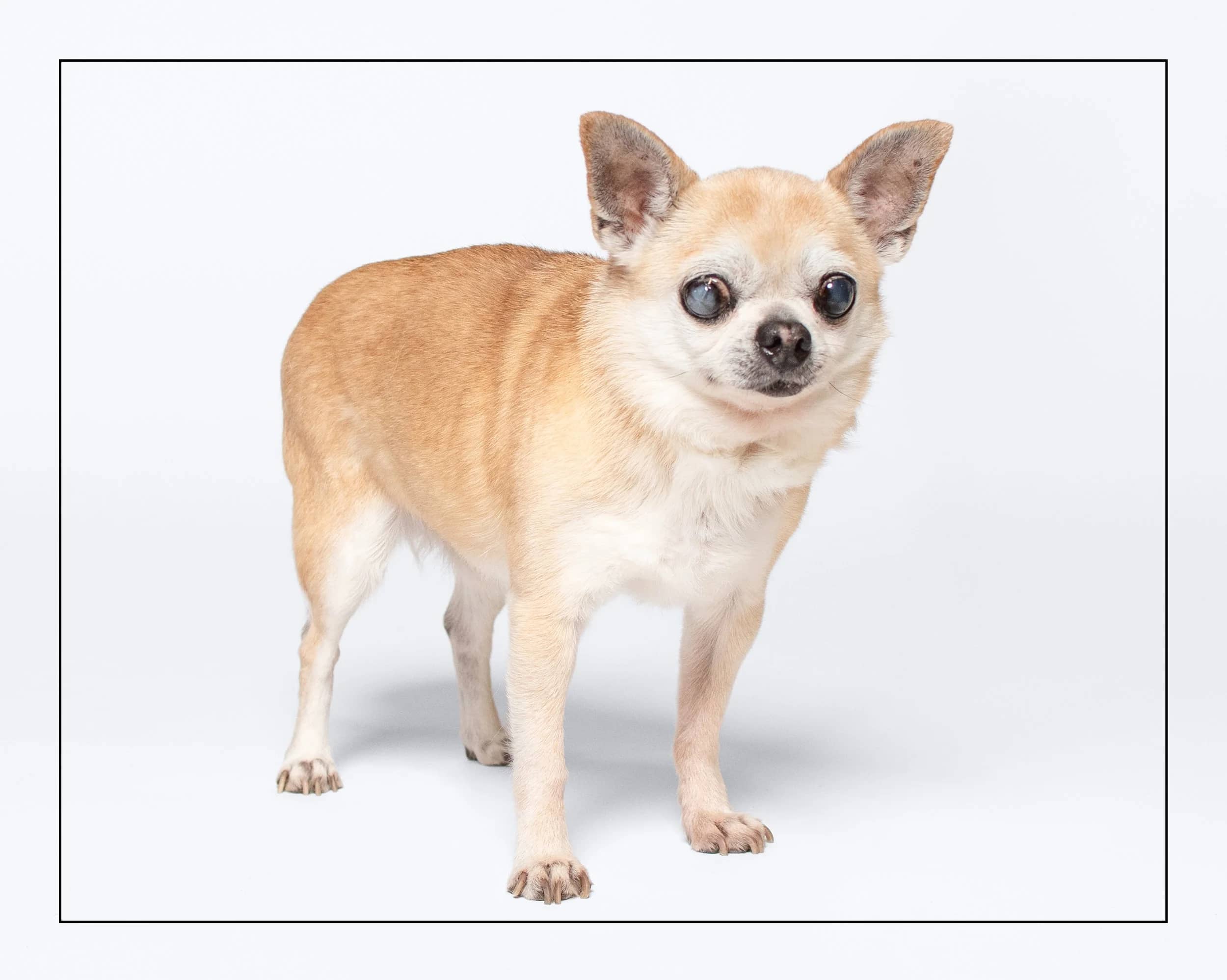
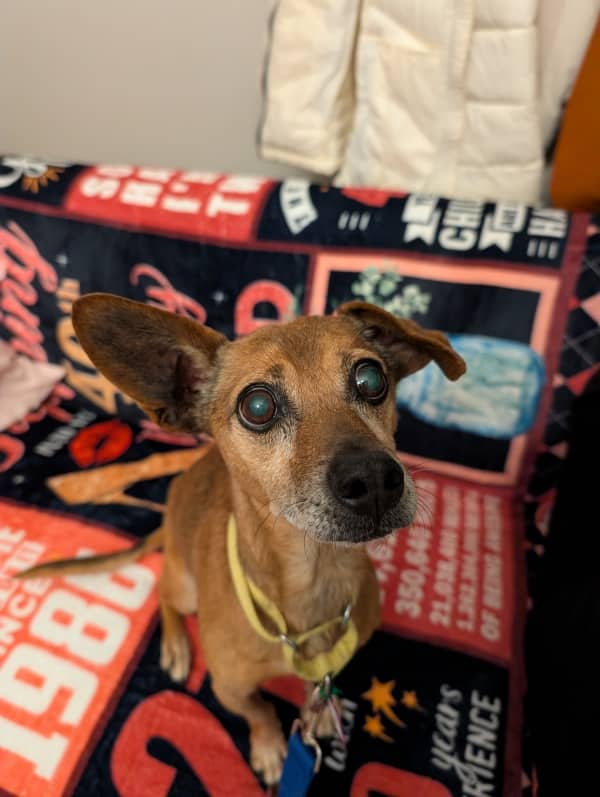
Little Susie
9 years 9 months • Chihuahua, Short Coat/Mix
Brant County SPCA
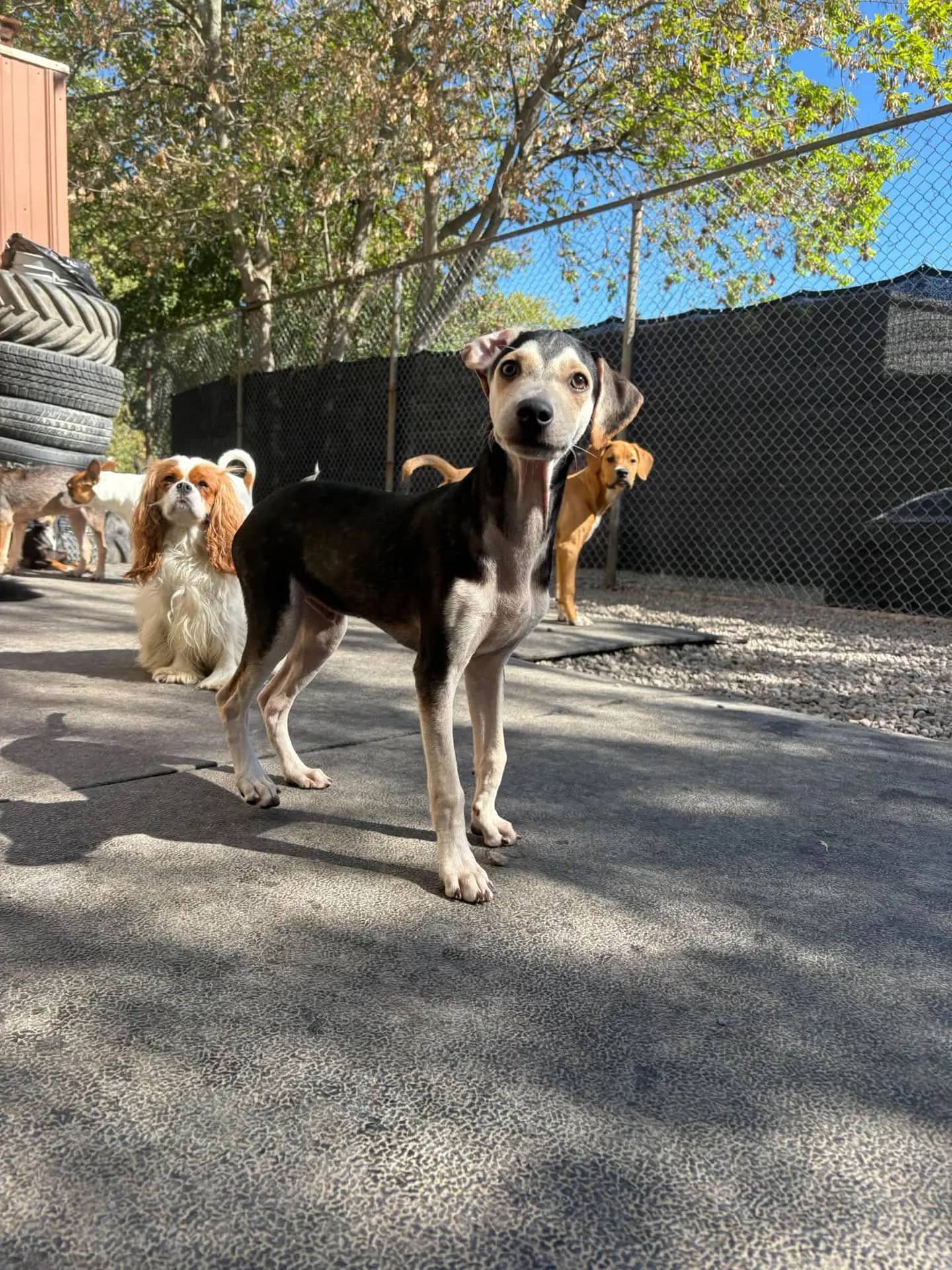
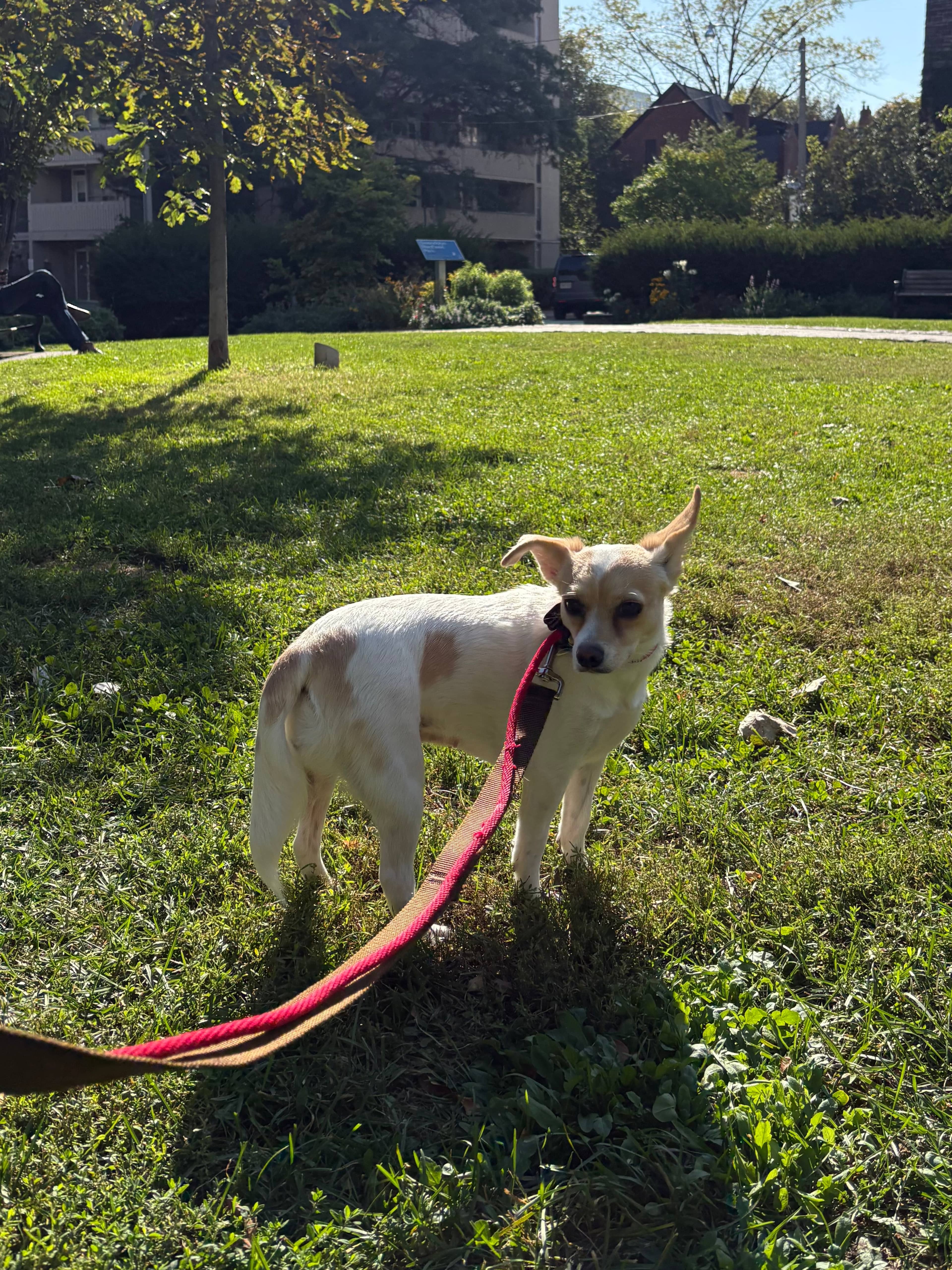
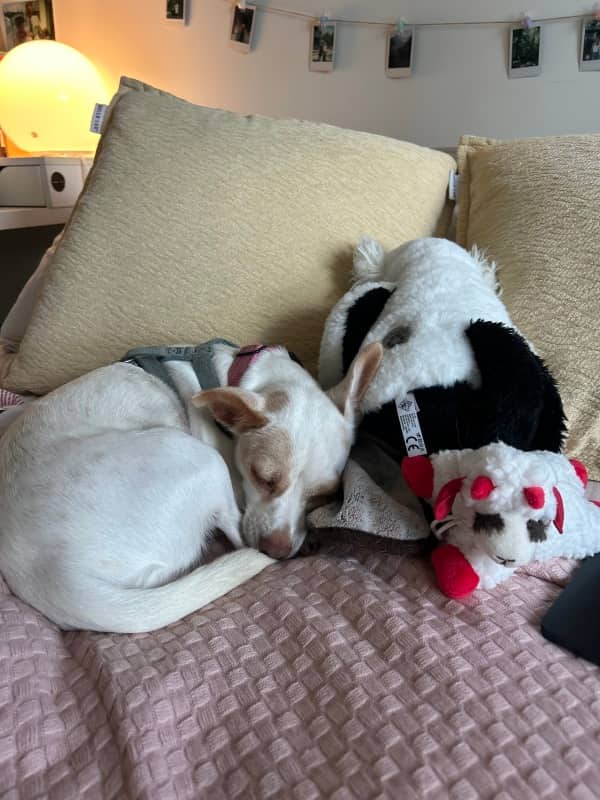
Get notified when a Chihuahua is listed
We will email you the moment a Chihuahua becomes available in Ontario, from a rescue or an owner rehoming.
Might also be a match
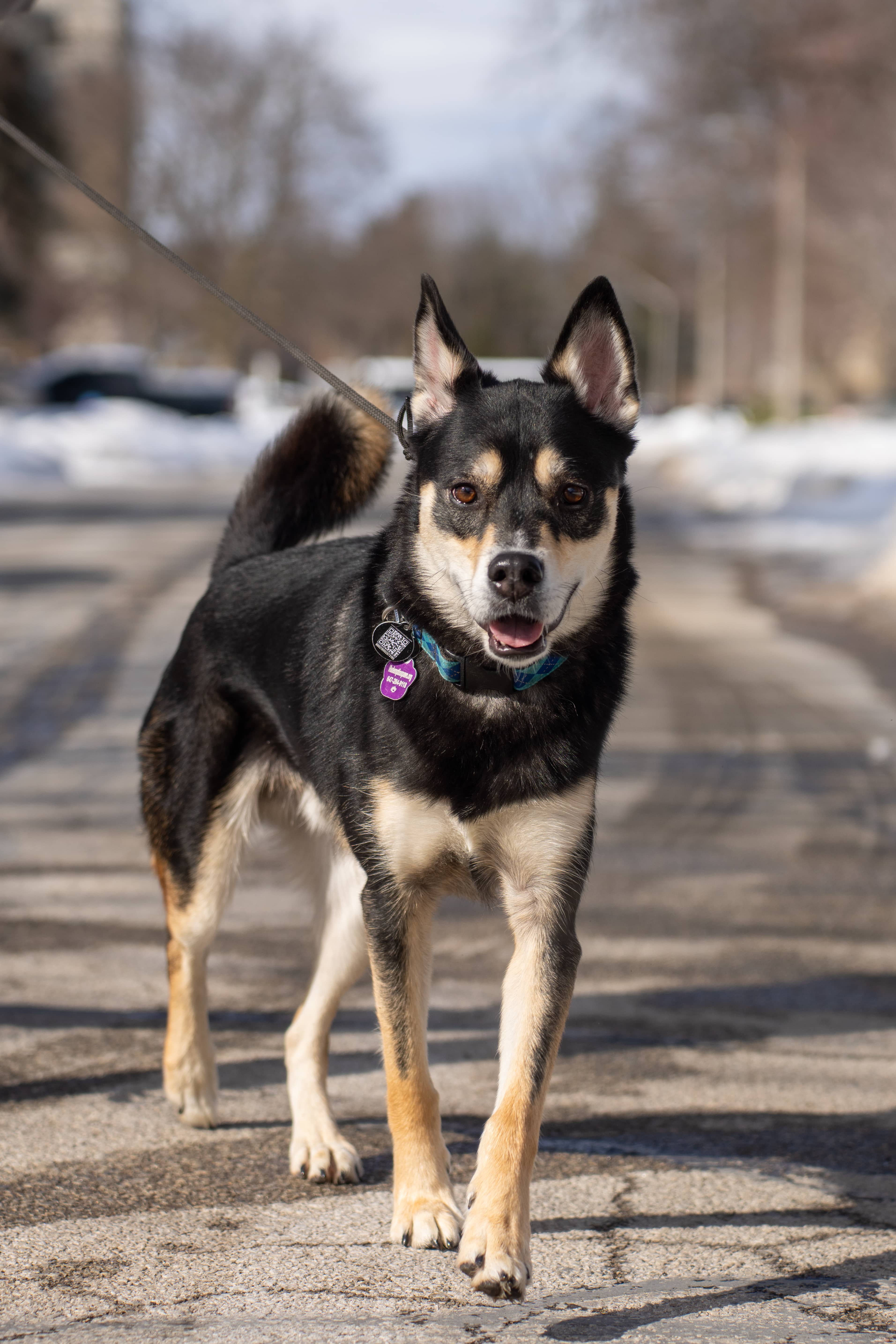
These 3 dogs look like Chihuahua in Ontario, but their shelter hasn’t listed a breed — so they are recorded simply as a mixed breed. We spotted the resemblance from their photo.
It's a guess from a picture, not a DNA test, so treat it as a starting point. Most rescue dogs are mixes, and the shelter is the best source on any individual dog.

Adopting a Chihuahua in Ontario
Chihuahuas and Chi crosses are one of the highest-volume rescue intakes in Ontario. The Toronto Humane Society, City of Toronto Animal Services, the Ottawa Humane Society, and Ontario SPCA branches all carry multiple Chihuahuas at any given time, and foster-based rescues across the province routinely pull groups of small dogs from rural shelter transfers. The surrender pattern is consistent: impulse purchases that did not work out, backyard-breeder dumps when an unspayed female produced more puppies than the household could keep, snapping or fear-biting issues from poor early socialisation, and seniors moving into care.
Because volume is high, a flexible adopter can usually meet several Chihuahuas within a week. Chi crosses (Chiweenie, Chorkie, Pomchi, Chihuahua-Pomeranian) often have a softer temperament than purebreds and are worth considering if the goal is a small family-friendly dog rather than a one-person Chihuahua specifically.
The teacup warning, and why "teacup" is a marketing label
A "teacup Chihuahua" is not a Canadian Kennel Club breed or size category. The term is a backyard-breeder marketing label for runt puppies and underweight adults, almost always sold at premium prices. These dogs typically have stacked health problems: hypoglycaemia, fragile bones that fracture from short falls, dental crowding that worsens through life, congenital heart defects, and shorter lifespans. The teacup Chihuahuas that arrive in Ontario rescue often come from collapsed breeder seizures where the Ontario SPCA or municipal services intervened. Adopt the dog by all means, but go in eyes open about the medical trajectory.
Standard Chihuahuas are 4 to 7 pounds at maturity and live 14 to 18 years on a healthy line, which is one of the longest lifespans in dog. Patellar luxation (slipping kneecaps), dental disease (small mouths, crowded teeth, professional cleaning every 12 to 18 months at $800 to $1,500 in the GTA), tracheal collapse, hypoglycaemia in puppies, and heart conditions are the standard concerns. Most Chihuahua care is managed at GTA and Ottawa primary practices; cardiac referrals occasionally go to VCA Canada or OVC Guelph.
Temperament reality and the small-dog-syndrome mismatch
Chihuahuas are confident, often pushy little dogs that bond intensely with one or two people and are reserved or snappy with strangers. Poorly socialised Chis are real bite risks — small but consequential, especially with children. Foster homes can tell you whether the specific dog is a stable companion or a fear-biter. Both exist in rescue. Chihuahuas are also fragile — a child dropping a 5-pound dog can break ribs, and the breed does not tolerate rough handling. Older kids and adults are the usual fit. Toronto and Ottawa winters require an insulated coat and booties from December through February, and many GTA Chi owners use indoor potty pads through the coldest weeks rather than fight the cold for short outdoor sessions.
Looking more broadly? Browse every adoptable dog across the province on Dog Adoption Ontario.
The rescues that most often list Chihuahuas across the province are Toronto Humane Society, City of Toronto Animal Services, and Ottawa Humane Society. For breed-specific background, the Canadian Kennel Club is a useful reference.
Chihuahua Adoption FAQ — Ontario
Tap a question to expand
How many Chihuahuas are available for adoption in Ontario?▼
What is the difference between apple-head, deer-head, and teacup Chihuahuas?▼
How much does it cost to adopt a Chihuahua, and can I get one for free?▼
Where can I adopt a Chihuahua near me in Ontario?▼
Are "teacup" Chihuahuas a real breed?▼
Are Chihuahuas good with kids?▼
What does a Chihuahua adoption fee include in Ontario?▼
Are these Chihuahuas for sale in Ontario?▼
Where can I buy a Chihuahua in Ontario, and should I?▼
Are there free Chihuahuas in Ontario, or chihuahuas under $500?▼
Are there Chihuahua puppies in Ontario, or only adults?▼
Where can I find a Chihuahua near me in Ontario?▼
Popular dog breeds in Ontario
Chihuahua adoption by city in Ontario
Each city page lists only the chihuahuas available from rescues serving that city, with local adoption details.
Need to rehome a Chihuahua?
If you can no longer keep your Chihuahua, you can list them for free on LocalPetFinder. Your dog stays in your home until you find the right family, you screen who applies, and there is no surrender fee. Not sure yet? Our guide to surrendering a dog in Canada walks through every option first.
List your dog for free →