How many low-energy dogs are available for adoption in Ontario?▼
As of October 2026, 133 low-energy dogs are available for adoption in Ontario across 26 rescues on LocalPetFinder. Listings update regularly as pets are adopted and new ones arrive — browse them above and apply directly through the rescue.
Which dogs are low-energy?▼
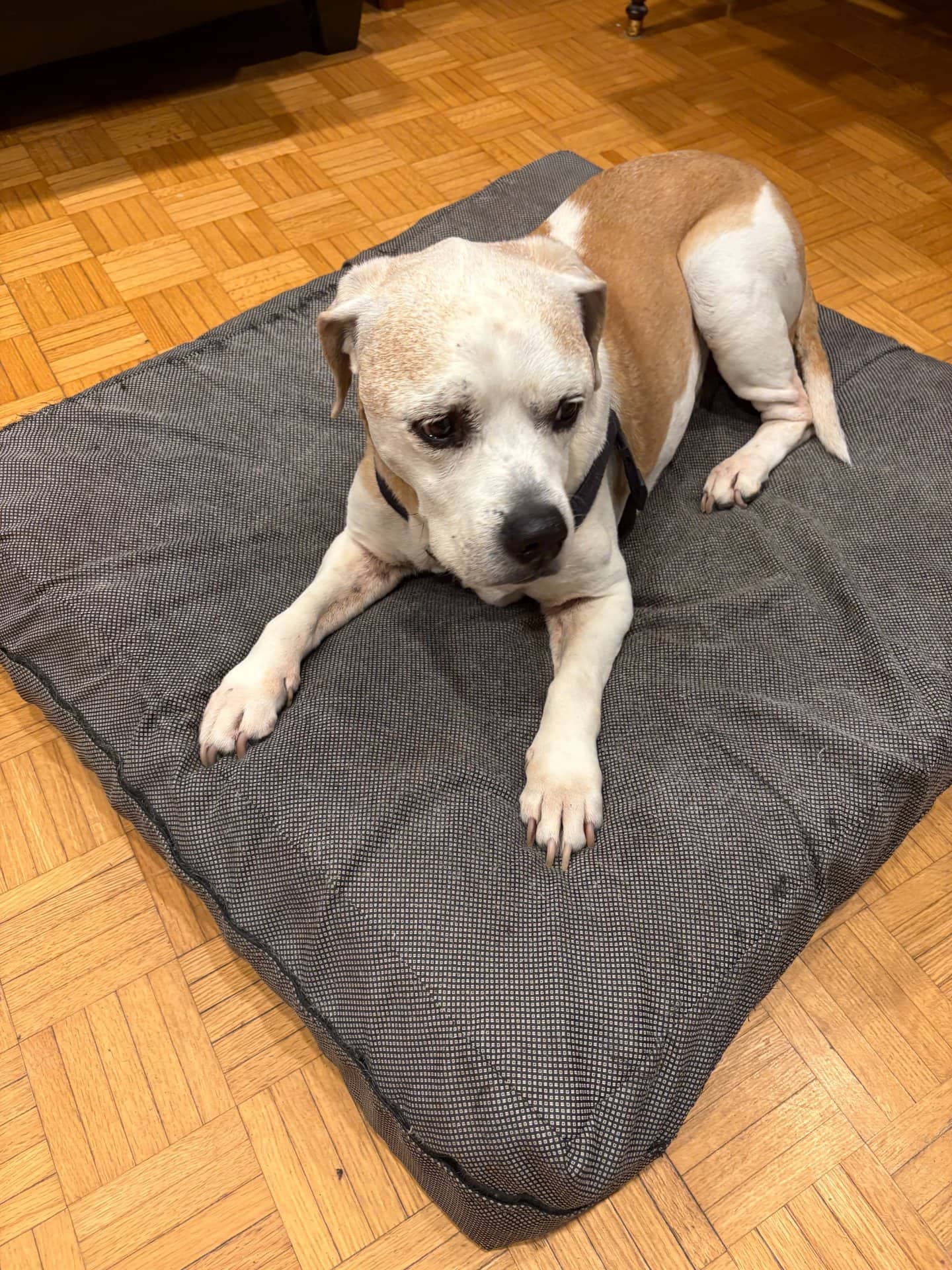
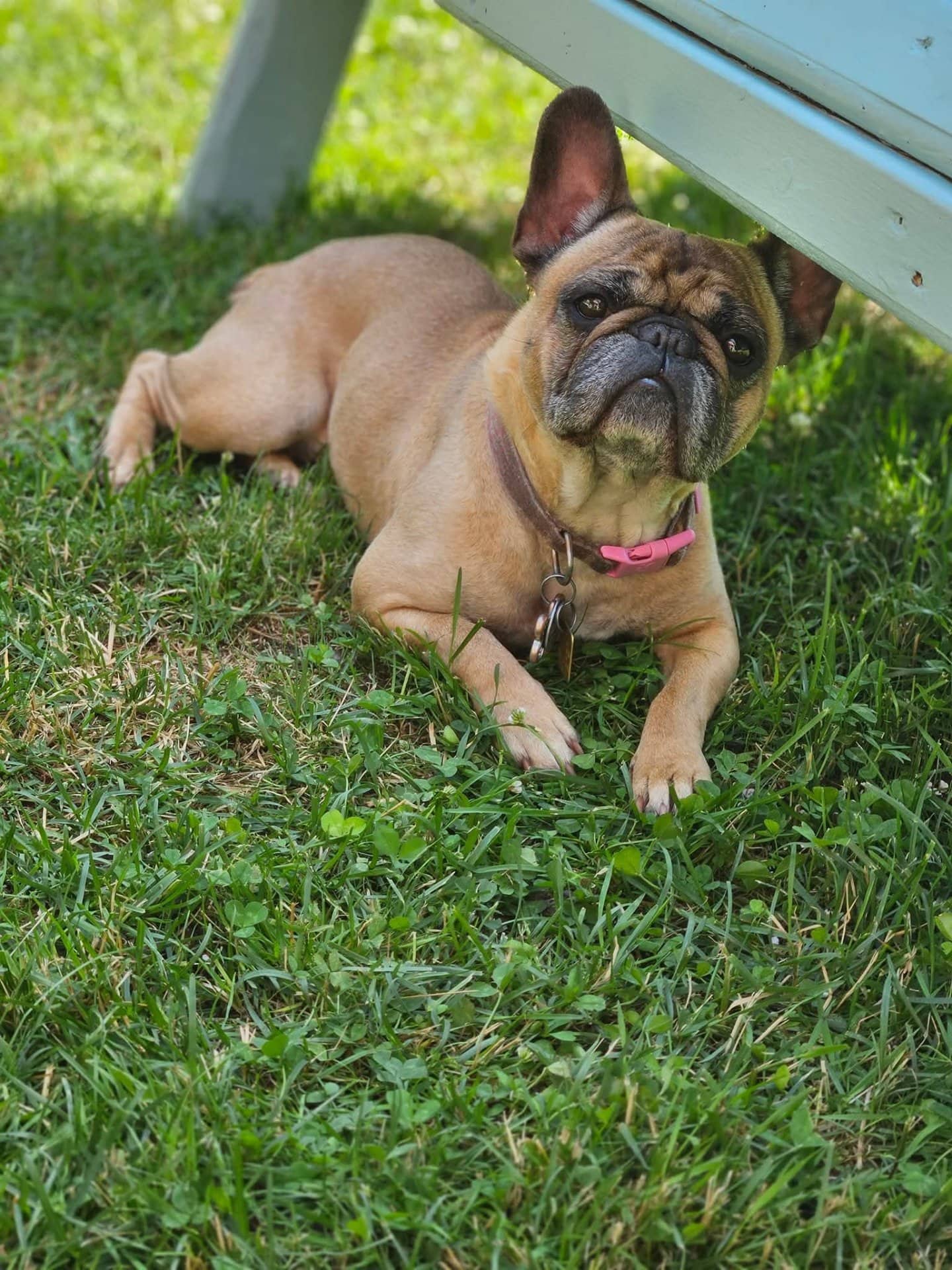
It comes down to the individual far more than the breed. Many seniors are naturally calm, and some breeds lean mellow, but you will also find low-key dogs in high-energy breeds and vice versa. The grid above shows dogs the rescues have assessed as low-energy, and a foster or rescue can tell you how a specific dog actually spends its day.
How much exercise does a low-energy dog need?▼
Usually a couple of short walks a day plus some play and sniffing time, which is realistic for a busy household or an apartment. The walks still matter, though — skip them entirely and even a calm dog gains weight and gets restless. Mental enrichment like puzzle feeders and short training games counts just as much as the distance walked.
Are low-energy dogs good for apartments and seniors?▼
Yes — they are one of the best matches for apartment living and for older adopters who want a steady companion rather than a project. Beyond energy, also ask the rescue about the dog’s house-training and bark level, since those matter just as much in a small space with shared walls.
Are low-energy dogs available to adopt right now?▼
Usually there are a few listed across the province in the grid above, including a good number of calm seniors. Energy level is assessed per dog, so if you are unsure whether a particular dog fits your pace, ask the rescue or foster directly. If nothing suits today, check back, as the listings refresh regularly.
Are these low-energy dogs for sale in Ontario?▼
Not for sale, for adoption, and for most people that is the better deal. Every dog listed here comes from a Ontario-area rescue or shelter rather than a breeder, pet store or classified seller. The adoption fee is typically a few hundred dollars and already covers spay or neuter, vaccinations, deworming and a microchip, which on their own would usually cost more than the fee. If you searched "low-energy dogs for sale ontario", this is the same search done a cheaper way, with a dog someone has already examined and can tell you about.
Where can I buy a calm dog in Ontario, and should I?▼
You can buy from a registered breeder, and it is worth pricing against adoption before you do. A breeder puppy generally runs well into four figures and often comes with a waitlist, while a rescue dog costs a few hundred dollars fully vetted and may be available this week. The listings to be careful with are the cheap ones on classified sites and marketplaces, which are frequently backyard breeders or puppy-mill resellers moving unvetted animals with no health guarantee. If you do buy, insist on seeing where the litter was raised and getting vet records.
Are there free low-energy dogs in Ontario, or low-energy dogs under $500?▼
Adoption is the closest honest answer and it is not free. A rescue dog in Ontario usually costs a few hundred dollars. The fee already covers medical work worth considerably more. Genuinely free listings deserve suspicion: a dog advertised free to a good home has usually not been vetted, and free rehoming ads are the route flippers and unregistered breeders use to move animals with no recourse for the buyer. Reduced-fee events, sponsored long-stay dogs and senior discounts are the legitimate ways the price comes down.
Are there calm puppies in Ontario, or mostly adults?▼
Both, but adults outnumber puppies and it is worth knowing that before you start. Most dogs arriving in Ontario rescue are adolescents and adults, because that is the stage at which first homes tend to give up. Puppies do come through, usually as accidental litters or with a surrendered mother, and they are typically spoken for quickly, so an alert beats refreshing the page. It is also worth asking whether you want one: an adult arrives with a temperament a foster has already lived with and can describe, where a puppy is a prediction.
Where can I find low-energy dogs near me in Ontario?▼
Start with the listings on this page, which pull from Ontario rescues and shelters and refresh regularly, so what you see is genuinely available rather than a directory that went stale months ago. If nothing suits today, check back or set an alert, because low-energy dogs in particular move fast and the list turns over. It is also worth widening slightly beyond the city, since most rescues serving Ontario will adopt across a reasonable driving distance rather than only within municipal limits.