The short answer
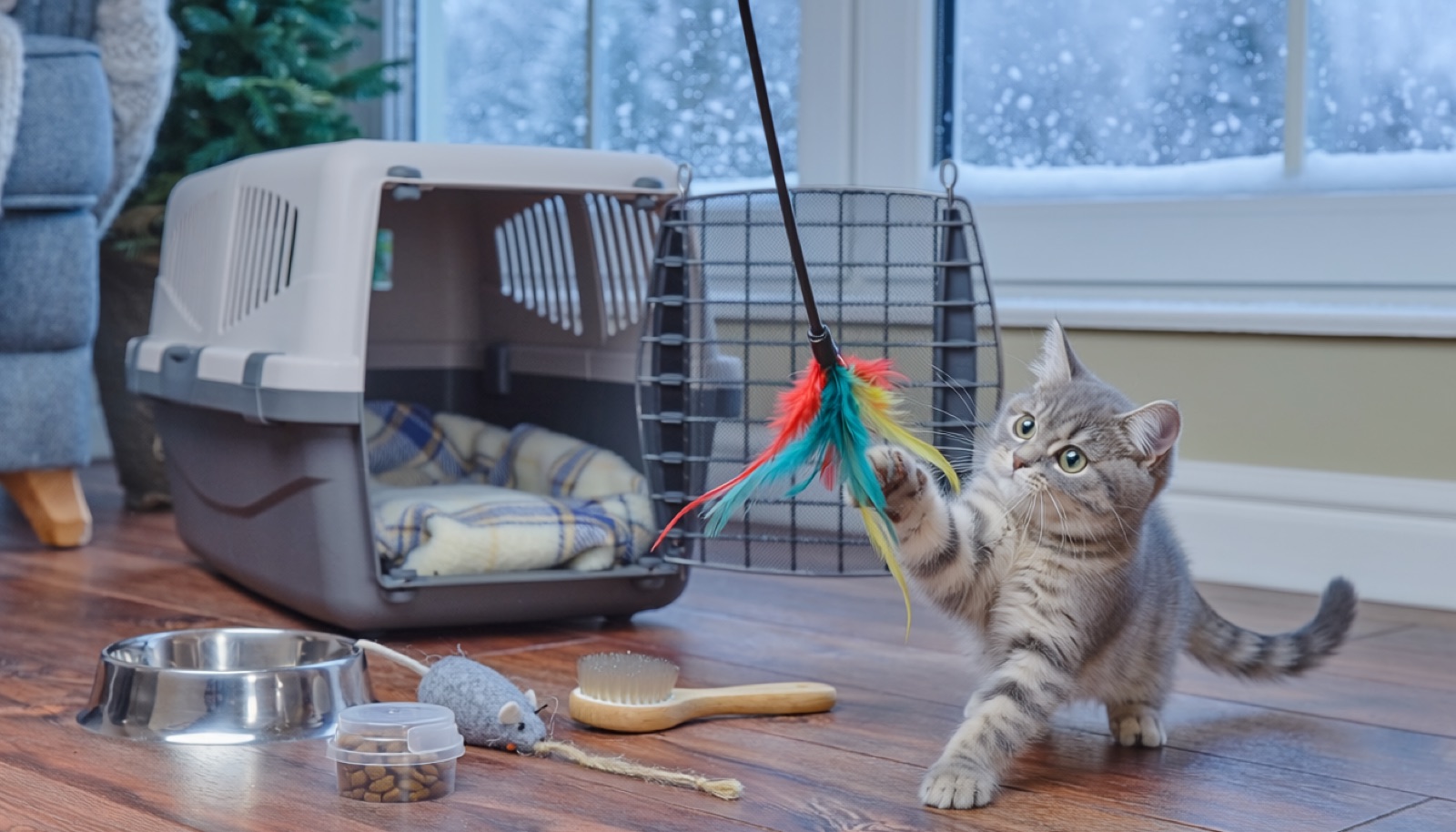
Before pickup: litter box, litter, kitten food, bowls, a hard-sided carrier, a scratching post, toys, and a bed, about $150 to $400 total. Adoption is the cheap line item: Saskatoon SPCA kittens are Pick Your Price from a $25 minimum ($165 suggested), spayed/neutered, vaccinated, and microchipped with a free vet visit; SCAT Street Cat Rescue kittens are $225 (or a pair for $335) with an FIV/FeLV test and one month of free insurance. Licence the kitten under Bylaw 7860 ($23.50 fixed) once it passes four months, and save the WCVM emergency number: 306-966-7126.
Heads up: This article is informational and is not veterinary advice. Your Saskatoon veterinarian sets your kitten's vaccine schedule, deworming plan, and diet. Adoption fees, licence rates, and emergency-service hours are current as of July 2026 and change; confirm with the rescue, the City of Saskatoon, and the clinic before relying on them.
The kitten is the cheapest thing on this list. That surprises most first-time Saskatoon adopters, and it is worth saying plainly: the Saskatoon SPCA will adopt you a fully vetted kitten for as little as $25 under its Pick Your Price model, and the supplies waiting at home will cost five to fifteen times that. This checklist covers the shopping list with realistic local prices, the kitten-proofing pass, the vet and vaccine plan, the licence the City of Saskatoon requires, and the first-week settling routine.
Saskatoon's other big kitten source is SCAT Street Cat Rescue, foster-based since 1996. SCAT kittens cost more up front ($225 under six months) but arrive with an unusually deep package: FIV/FeLV testing, microchip, ID tattoo, spay/neuter, one month of free pet insurance, and a free VCA exam certificate. Our Saskatoon cat rescues guide compares the organisations properly.
One prairie-specific note up top: if you are adopting between November and March, nothing about this checklist changes except the drive home. A new kitten lives indoors while it settles anyway, so a Saskatoon winter adoption is a feature, not a compromise.
Where Saskatoon Kittens Come From (and What They Cost)
| Source | Kitten Fee | What's Included |
|---|---|---|
| Saskatoon SPCA 306-374-7387 | Pick Your Price from $25 suggested minimum $165 | Spay/neuter, vaccinations, microchip, and a free vet visit. Satellite-location cats are $165. A $50 non-refundable 24-hour hold is available if you need a day to decide; it is not applied to the adoption fee. |
| SCAT Street Cat Rescue 306-955-7228 | $225 (under 6 months) pair $335 | Vet care and vaccines to adoption date, microchip, ID tattoo, FIV/FeLV test, spay/neuter, one month of free pet insurance, and a free VCA exam certificate. Older kittens 6–12 months are $200 ($300 pair). |
| Free-kitten ads | “Free” | Nothing included. The spay/neuter, vaccines, testing, and microchip all land on your bill, typically several hundred dollars at a full-service Saskatoon clinic. The $25 SPCA kitten is the better deal by a wide margin. |
SCAT has run its foster network and trap-neuter-return program since 1996, which is why so many of its kittens arrive already socialised in real homes with notes about litter habits and personality.
One Kitten or Two?
Two is often easier. A single kitten directs all of its hunting energy at your hands, feet, and 3 a.m. face. Two kittens direct it at each other, teach each other bite limits, and stay company for each other during work hours. Rescue volunteers push pairs because pairs generate fewer behaviour calls later, not for sentiment.
Saskatoon makes it cheap and legal. SCAT prices pairs at $335 for two kittens under six months, a $115 saving over two singles. And Saskatoon has no household pet limit; city council rejected a proposed cap in April 2025. Two licences at $23.50 each is the only doubling that matters.
The supply list barely grows. Add a second litter box (you should anyway) and slightly more food. The carrier, posts, and toys all share.
The Supply Checklist
Prices are directional estimates for Saskatoon pet retailers as of mid-2026. The bottom of each range outfits a kitten perfectly well; the top end is convenience and carpentry, not welfare.
| Item | Typical Cost | Notes |
|---|---|---|
| Litter box (low-sided, uncovered) | $15-$40 | A kitten needs to step in, not vault in. Add a second box early; one per cat plus one is the rule that prevents most litter problems. |
| Cat litter (unscented) | $15-$25/month | Unscented clumping is the default; ask your vet whether pellets are safer while the kitten is tiny and still tastes everything. |
| Kitten food (wet + dry) | $30-$60/month | Kitten formula until roughly the first birthday. Match what the rescue was feeding for week one, then transition slowly. |
| Bowls (ceramic or stainless) | $10-$30 | Shallow and heavy. Keep the water bowl well away from the litter box or it gets treated as suspicious. |
| Hard-sided carrier | $40-$80 | You need it on pickup day and for every WCVM or clinic trip after. Top-loading saves wrestling matches. |
| Scratching post or tree | $30-$150 | Scratching is a need, not a habit. A sisal post installed before arrival is the cheapest furniture insurance sold in Saskatoon. |
| Toys (wand, balls, kickers) | $15-$40 | Wand toys teach the house rule that matters most: hands are for petting, toys are for hunting. |
| Bed and washable blankets | $15-$40 | Put it somewhere warm and quiet. Accept that a cardboard box may win anyway. |
| Brush and nail clippers | $15-$35 | Two minutes of paw-handling a day in week one makes every future nail trim boring, which is the goal. |
| Scoop and litter mat | $10-$25 | Daily scooping keeps a kitten reliable in the box. The mat handles the archaeology. |
| Breakaway collar + ID | $10-$20 | Breakaway clasps only. Your kitten will be microchipped already; the collar is the visible layer of the same system. |
Up-front total: roughly $150 to $400, then $45 to $85 a month for food and litter. Carrier, litter box, and scratching post must exist before pickup day.
Kitten-Proofing Before Day One
String and cords first. Hair elastics, ribbon, floss, and yarn all read as prey and all cause the same problem when swallowed: intestinal surgery. Sweep them out of reach now. Bundle electrical cords or run them behind furniture; teething kittens chew what dangles.
Plants second. Lilies are the deal-breaker. Any part of any lily, in any amount, is an emergency for a cat. If there is a lily in the house, it goes before the kitten arrives. Check the rest of your plants against a toxic-plant list while you are at it.
Then the mechanical hazards. Latch cabinets with cleaners, close toilet lids, keep the dryer door shut and check inside before every load, block the gaps behind the fridge and stove, and press-test the window screens. Saskatoon apartments with balconies: a kitten and an open balcony door do not mix, ever.
Set up the starter room. One quiet room with the litter box, food and water (separated), the bed, a scratching post, and a hiding spot. The kitten starts here, not with the whole floor plan. Confidence grows one room at a time.
The First Vet Visit, the Vaccine Series, and the 2 a.m. Plan
Both major Saskatoon sources pre-pay your first appointment: the SPCA includes a free vet visit and SCAT includes a free VCA exam certificate. Book it inside the first two weeks. The clinic confirms the kitten's health, checks for parasites, and schedules the remaining vaccine boosters from the record in your adoption paperwork.
The vaccine series, in plain terms: core kitten vaccines start around six to eight weeks and repeat every few weeks until about sixteen weeks, with rabies added during the series. Your kitten arrives partway through. The AVMA's vaccination guidance explains why the boosters are the point: maternal antibodies fade unpredictably, and repeat doses close the gap. Your vet sets the exact schedule; your job is showing up for the later doses.
Also worth asking about: deworming, feeding portions, when to switch to adult food, and insurance quotes while the kitten has a clean file. SCAT adopters already have a month of coverage running; deciding whether to continue it is easiest before it lapses.
Emergency plan: write this down before you need it
Saskatoon's only true 24/7 small-animal emergency service is the WCVM Veterinary Medical Centre at the University of Saskatchewan, 52 Campus Drive: 306-966-7126.
- Between 10 p.m. and 7:30 a.m., intake is restricted to life-threatening cases only, and calling ahead is mandatory.
- If phones go unanswered overnight, proceed to the centre and use the foyer telephone. The entrance is on the east side, off Veterinary Road.
- Cats must arrive in a carrier.
- Earlier in the evening, Stonebridge Veterinary Hospital (306-244-2815) offers extended evening hours; call ahead.
The Saskatoon Cat Licence (Bylaw 7860)
Saskatoon licenses cats, not just dogs. Under Bylaw 7860, The Animal Control Bylaw, every cat over four months must be licensed within 30 days. The 2026 fee is $23.50 for a spayed or neutered cat and $52.50 for an intact one, and kittens under twelve months pay the fixed rate either way. Your rescue kitten arrives already fixed, so $23.50 is your number.
The microchip exemption: a physical tag is not required if your cat is microchipped and the chip is registered on file with the City. Every SPCA and SCAT kitten comes microchipped, so registering the chip with the City both satisfies the tag rule and keeps a collar-shy cat traceable.
Why bother: failure-to-license fines start at $250, ten years of licences up front. And the at-large rules in the bylaw apply to cats too, so a licensed, chipped indoor cat that slips out is a quick phone call home instead of a shelter intake. Our Saskatoon cat spay/neuter guide covers the intact-fee gap and the city's subsidised program in detail.
The First Week (Winter Edition)
Day one is the starter room, a quiet evening, and low expectations. Let the kitten hide if it wants to; sit on the floor and let it approach. When it eats in front of you and greets you at the door, open the next room. The full settling arc, including the hiding phase and the first-night crying that alarms every new adopter, lives in our first-week guide for rescue cats.
Keep the kitten indoors, this week and beyond. Saskatoon Januaries average -18°C overnight with several nights a year at -30°C or colder, and the bylaw's at-large rules cover cats regardless of season. The long-term question of outdoor access, catios, and harness walks belongs to our indoor vs. outdoor guide for Saskatoon, so start there before any door opens.
Winter pickup day, done right
- Warm the vehicle fully before loading the kitten. Repeat for every clinic trip until spring.
- Blanket over the carrier for the walk between building and car. A kitten's cold tolerance at -30°C is effectively zero.
- No stops on the way home, and never a kitten alone in a parked winter car, even briefly.
- Starter room away from drafty windows; a heated bedroom beats a finished basement in January.
- Dry winter air can flake a kitten's skin. Usually harmless; mention it at the free vet visit if it persists.
Browse adoptable Saskatoon cats and kittens
Pick Your Price kittens at the SPCA, tested-and-insured pairs at SCAT. Every one arrives fixed, vaccinated, and microchipped.
See Available Saskatoon Cats →Frequently Asked Questions
How much does it cost to adopt a kitten in Saskatoon?
Less than almost anywhere in Canada. Saskatoon SPCA cats and kittens are “Pick Your Price” from a $25 minimum donation, with a suggested minimum of $165, and every adoptable leaves spayed/neutered, vaccinated, and microchipped with a free vet visit. SCAT Street Cat Rescue kittens under six months are $225, or $335 for a pair, and include an FIV/FeLV test, microchip, ID tattoo, spay/neuter, and one month of free pet insurance. Add the $23.50 city licence for a fixed cat.
What supplies do I need before the kitten comes home?
Litter box and litter, kitten-formula food, bowls, a hard-sided carrier, a scratching post, toys, a bed, grooming basics, and a breakaway collar. Expect $150 to $400 up front, then roughly $45 to $85 a month for food and litter. The carrier, litter box, and scratching post need to exist before pickup day; the rest can arrive during week one without drama.
Should I adopt one kitten or two?
If your budget and space allow, two kittens is genuinely easier than one. They wrestle each other instead of your ankles, learn bite limits from each other, and keep each other company through Saskatoon winters. SCAT prices pairs deliberately: two kittens under six months cost $335 instead of $450 separately. And Saskatoon has no household pet limit, so the only cap is your common sense. Bonded pairs at any rescue are the easiest yes in cat adoption.
Do I need to license a kitten in Saskatoon?
Yes, once the kitten is over four months old. Bylaw 7860 requires every cat and dog over four months to be licensed within 30 days. The 2026 fee is $23.50 for a fixed cat ($52.50 intact), and kittens under twelve months pay the fixed rate. One useful wrinkle: if your cat is microchipped and the chip is on file with the City, the physical tag is not required. Your rescue kitten arrives microchipped, so registering the chip covers you.
When should my kitten see a vet?
Within the first week or two. Saskatoon SPCA adoptions come with a free vet visit, and SCAT adoptions include a free VCA exam certificate, so the first appointment is already paid for either way. Use it early: the visit builds a clinic file while the kitten is healthy, checks for parasites, and schedules the remaining vaccine boosters. Bring the adoption paperwork so the clinic can see exactly which vaccines are already done.
What vaccines does a kitten need?
Kittens work through a core vaccine series that usually begins around six to eight weeks and repeats every few weeks until about sixteen weeks, with rabies added during the run. Your Saskatoon rescue kitten arrives vaccinated for its age, and the paperwork shows where it sits in the series. Your vet sets the schedule for the rest. Finish the series; the booster doses are what close the immunity gaps, not the first shot.
How do I kitten-proof an apartment or house?
Cords, string, and plants are the big three. Bundle or hide electrical cords, put away anything string-like (elastics, ribbon, floss; swallowed string means surgery), and remove toxic plants, with lilies as the absolute must-go. Latch cleaning cabinets, close toilet lids and dryer doors, block gaps behind appliances, and confirm window screens hold. Then set up one quiet starter room and let the kitten earn the rest of the home over days, not hours.
Where do I take a kitten emergency in Saskatoon at 2 a.m.?
The WCVM Veterinary Medical Centre at the University of Saskatchewan (52 Campus Drive) runs the only true 24/7 small-animal emergency service in the city: 306-966-7126. Know the overnight rule: between 10 p.m. and 7:30 a.m. intake is restricted to life-threatening cases, and calling ahead is mandatory. If the phones go unanswered overnight, proceed anyway and use the foyer telephone. Cats must arrive in a carrier, which is one more reason the carrier is on the checklist.
What do I feed a kitten?
Kitten-formula food, wet, dry, or a mix, until your vet calls it at around the first birthday. Start with the rescue's current food and swap to yours gradually over a week so the stomach keeps up. No milk; most cats cannot digest it. Portion guidance from your vet beats the feeding chart on the bag, because bags do not know your kitten. Fresh water always, placed away from the litter box.
Can my Saskatoon kitten go outside?
Plan on an indoor cat. Saskatoon's at-large rules in Bylaw 7860 apply to cats as well as dogs, so a roaming cat is a bylaw issue on top of a safety one, and January nights here average -18°C with several nights a year at -30°C or colder. Our indoor vs. outdoor guide for Saskatoon covers the whole decision, including catios and harness training for cats who insist on weather reports firsthand.
How long until a kitten settles in?
Anywhere from three days to three weeks, and both ends are normal. Keep the kitten in its starter room until it eats confidently and greets you, then expand the territory one room at a time. Hiding under the bed early on is standard behaviour, not rejection. Our first-week guide for Saskatoon rescue cats walks the whole timeline, including when hiding stops being normal and warrants a vet call.
Is winter a bad time to adopt a kitten in Saskatoon?
It is a great time. A new kitten should be indoors regardless, so the season costs you nothing, and shelters are quieter after kitten-season adopters thin out in fall. The only real winter tasks: warm the car before the drive home, drape a blanket over the carrier between door and vehicle, and set the starter room away from drafty windows. A kitten adopted in a Saskatoon January gets a full winter of lap time to bond.
Related Saskatoon Guides
Checklist Ready? The Kitten Is Too.
Saskatoon rescue kittens arrive spayed/neutered, vaccinated, and microchipped, with the first vet visit already covered. From a $25 minimum at the SPCA.
Browse Available Saskatoon Cats →New cat? Start with these care guides
Everything a new adopter needs to set up a safe, happy home.