Showing 57 dogs
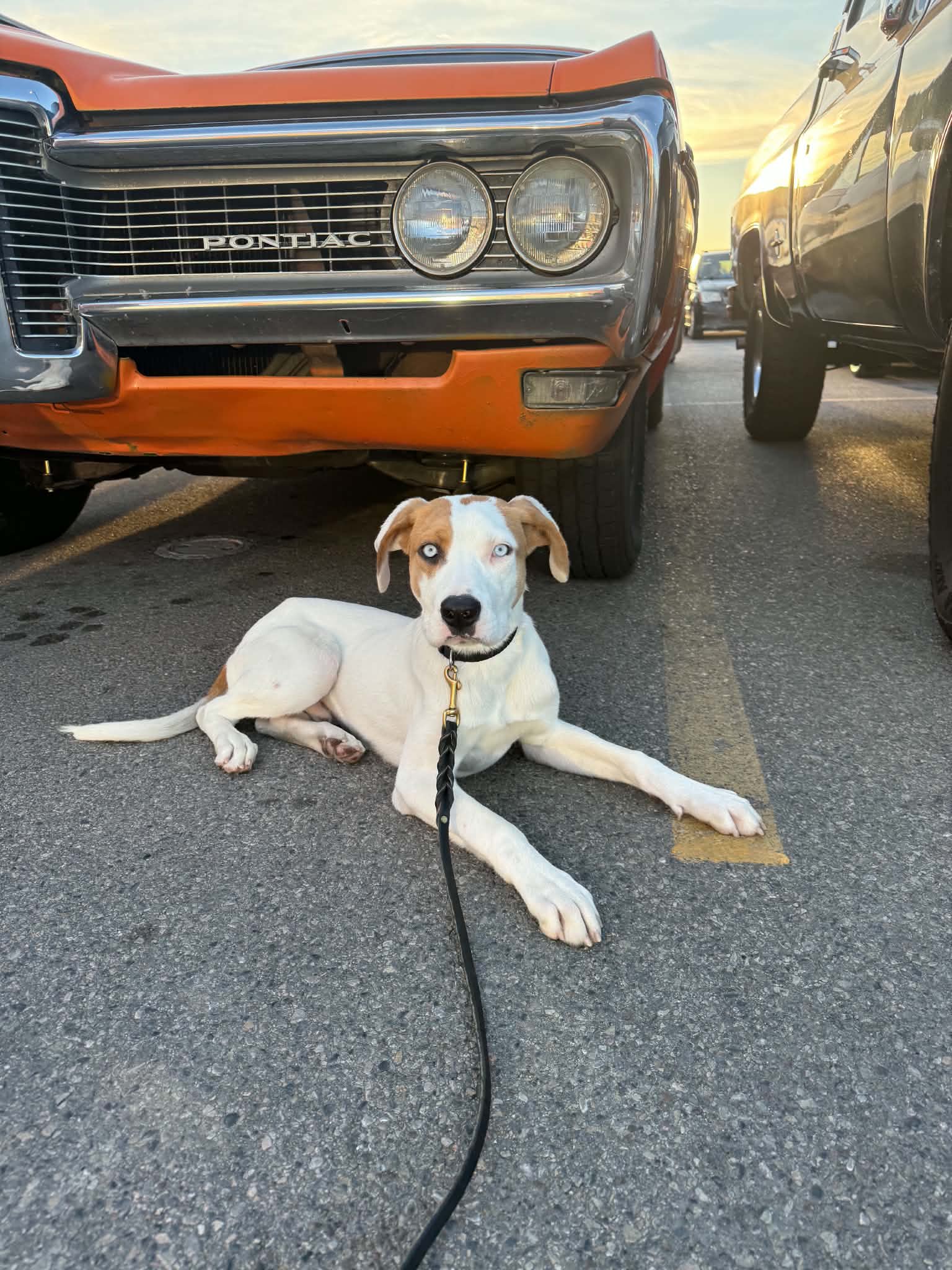

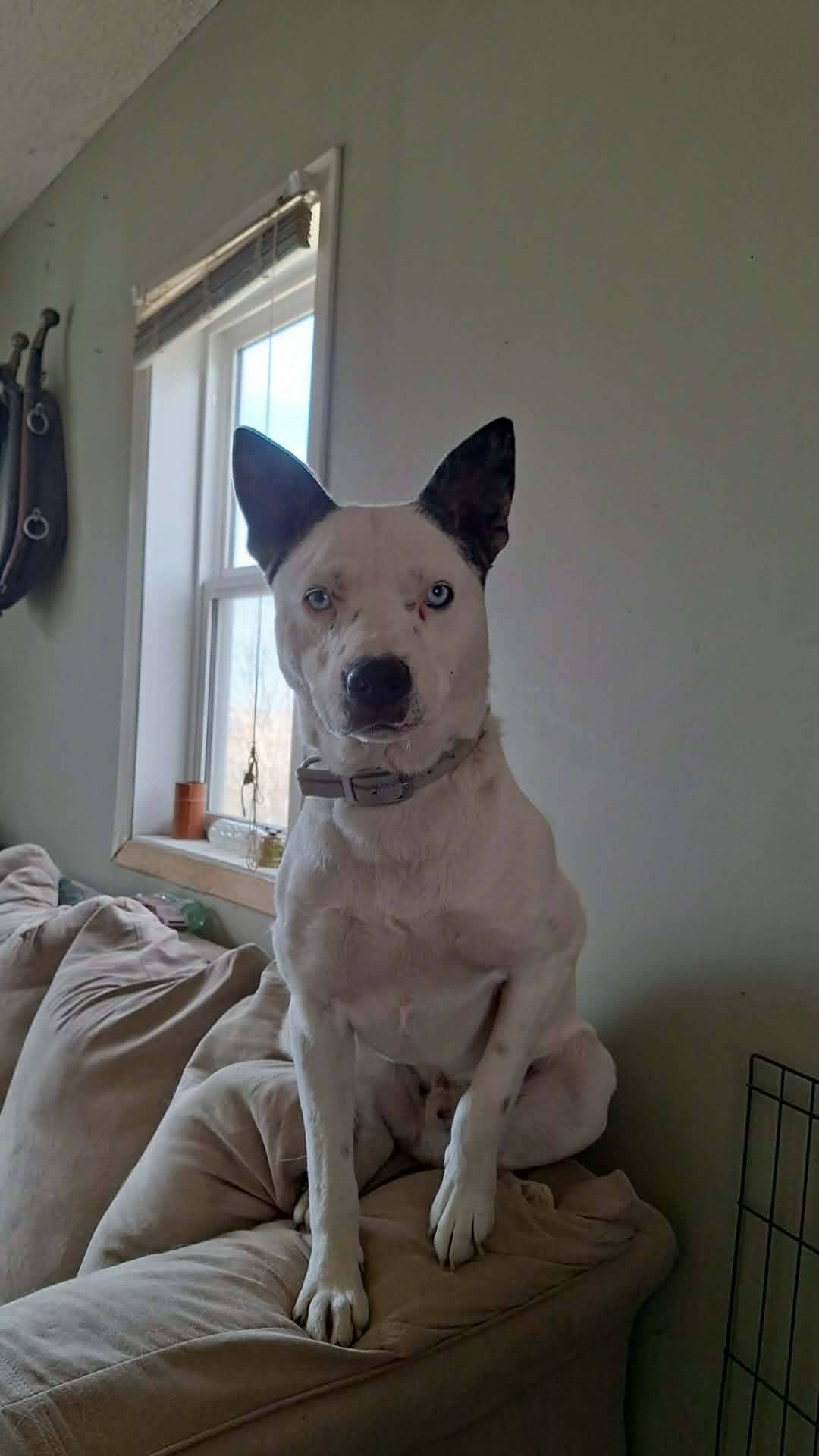



Where to find mixed breed dogs for adoption in Regina? LocalPetFinder lists 57 mixed breed dogs currently available from Regina rescues including Regina Humane Society and Bright Eyes Dog Rescue, plus mixed breed intakes from regional Saskatchewan rescue networks. Mixed breeds dominate Regina rescue inventory — roughly 70 to 80% of rescue dogs are some form of mix (Sheprador, Borador, Labsky, Pitador, Cattle Dog mix, Husky/Shepherd/Lab mixes, Doodle mixes, and undocumented “mutt” mixes). Regina's mixed-breed pipeline is unique among prairie cities because Bright Eyes Dog Rescue runs an active international intake program transporting dogs from the Dominican Republic and Mexico into Regina foster homes alongside local Saskatchewan intake. Listings refresh regularly.
Mixed breed dogs are the heart of Regina rescue. They're typically healthier than purebreds (hybrid vigour means lower rates of breed-specific genetic conditions), live 1 to 2 years longer on average, and have personalities that blend traits from multiple parent breeds in unexpected, often perfect ways. They are also the dogs most likely to be overlooked at Regina shelters because adopters arrive looking for specific breeds — which means mixed breeds are often the best-matched, most-grateful adoptions you can make.
What makes Regina's mixed-breed rescue pipeline distinct is the dual-source intake: Regina Humane Society handles broad local surrenders from Regina and rural southern Saskatchewan acreages, while Bright Eyes Dog Rescue runs an internationally focused foster program transporting mixed-breed dogs (often called satos) from the Dominican Republic and Mexico into Regina-area foster homes. This is the differentiator from Saskatoon's rural-and-reserve-heavy pipeline — Regina adopters can choose between local Saskatchewan shepherd/cattle dog/Lab mixes and Caribbean/Mexican hound-Lab-terrier mixes with strong hybrid vigour, all in the same city. Listings refresh regularly. Apply directly through the rescue when you find a match.
What is a Mixed Breed Dog?
A mixed breed dog (also called a “mutt,” “crossbreed,” or “mix”) has parents from two or more different breeds — or unknown ancestry that doesn't match a single breed standard. There are three categories Regina adopters typically encounter:
- Designer mixes (intentional crosses) — two purebred parents bred together intentionally. Examples: Goldendoodle (Golden + Poodle), Labradoodle (Lab + Poodle), Cavapoo (Cavalier + Poodle), Bernedoodle (Bernese + Poodle), Sheprador (Shepherd + Lab).
- Identifiable two-breed mixes — physical traits clearly indicate two parent breeds. Examples: Borador (Border Collie + Lab), Labsky (Husky + Lab), Pitador (Pit Bull + Lab).
- Multi-generational mutts — ancestry from three or more breeds, often unknown. The most common Regina rescue category, especially among Bright Eyes Dog Rescue international intakes where Caribbean and Mexican street-dog ancestry often spans 5 to 8 breed contributors. DNA testing reveals 4 to 7 breeds in the typical North American mutt, and often more in international rescue dogs.
All three categories thrive in family homes. The differences are mostly in predictability of size and temperament — designer mixes are most predictable; multi-generational mutts (including international rescues) are the most surprising and often the most rewarding.
Are Mixed Breed Dogs Healthier Than Purebreds?
Generally yes. Multiple veterinary studies (UC Davis, University of Edinburgh, Royal Veterinary College) find that mixed breed dogs have:
- 1 to 2 year longer average lifespan than the average for their size category
- Roughly 40% lower rates of breed-specific inherited conditions (hip dysplasia, brachycephalic syndrome, certain cancers)
- Lower lifetime veterinary costs — fewer chronic conditions means lower insurance premiums and fewer specialist visits
- Better overall genetic diversity — the “hybrid vigour” effect
The exception: mixes that combine two health-compromised breeds inherit risks from both. A Frenchton (French Bulldog + Boston Terrier) inherits brachycephalic respiratory issues from both parents. A Cavapoo can inherit syringomyelia from the Cavalier side and hip dysplasia from the Poodle side. The hybrid vigour benefit is biggest when the parent breeds have non-overlapping health profiles — Lab + Border Collie (Borador), Shepherd + Lab (Sheprador), Husky + Lab (Labsky) typically benefit; Frenchie + Pug (Frug) typically does not.
International rescue mixes have particularly strong hybrid vigour. Bright Eyes Dog Rescue intakes from the Dominican Republic and Mexico are typically multi-generational street-dog descendants — the genetic diversity is broader than any North American mix, and Caribbean and Mexican street dogs are commonly described by veterinarians as among the most genetically healthy populations of dogs in the world. The trade-off is that parentage is completely undocumented and adult traits can surprise you. DNA testing is especially valuable here.
The foster-evaluated personality of a mixed breed dog matters more than the breed label in most cases. Regina rescues with strong foster networks (Bright Eyes Dog Rescue, Regina Humane Society) typically share detailed temperament notes from the foster home that tell you more about the dog than a guessed breed assessment.
Why Regina Has So Many Mixed Breed Rescue Dogs
Regina's mixed-breed rescue inventory comes from two distinct intake pipelines, which is what makes the city different from every other Canadian prairie market. Regina Humane Society handles the broad local intake: Regina urban surrenders plus rural southern Saskatchewan acreage and farm surrenders, producing the standard prairie mix of shepherd, husky, Lab, and cattle dog crosses. Bright Eyes Dog Rescue runs the international stream, transporting mixed-breed dogs from the Dominican Republic and Mexico into Regina foster homes year-round through partnerships with Caribbean and Mexican shelter networks. The two pipelines together produce a more diverse mixed-breed inventory than other prairie cities.
Practical implications for adopters:
- You have two style options. Local Saskatchewan mixes (shepherd/cattle dog/Lab/husky crosses, often working-breed energy levels suited to rural and acreage homes) and international street-dog mixes (medium hound-Lab-terrier crosses, often described as calmer, exceptionally affectionate, and adaptable to apartment living). Pick by lifestyle fit rather than “exotic vs local” framing.
- Foster evaluations are detailed in both pipelines. Both Regina Humane Society and Bright Eyes Dog Rescue use foster homes for temperament evaluation before adoption. Read the foster notes carefully — they're more accurate than any breed label, especially for international rescues where parentage is fully unknown.
- International rescue dogs come with full intake medical workups. Bright Eyes Dog Rescue completes vaccinations including rabies, parasite treatment, spay/neuter, and quarantine before adoption — the same medical baseline as a local rescue, just sourced from further away.
- Adoption fees differ between streams. Local Regina mixes run $250 to $600. International rescues through Bright Eyes typically run $500 to $700 to cover transport, expanded vaccination protocols, and quarantine costs. Both are far below breeder prices.
- Local litter intake peaks April through September (accidental Saskatchewan litters). International intake runs year-round on Bright Eyes' transport schedule.
Most Common Mixed Breed Dogs in Regina Rescues
Based on actual Regina rescue intake patterns across both pipelines, these mix categories dominate the inventory:
Shepherd Mixes
The most numerous local mix category in Regina Humane Society intake. Sheprador (Shepherd + Lab), Shollie (Shepherd + Border Collie), Shepsky (Shepherd + Husky), Shepweiler. Heavy rural Saskatchewan surrender pipeline. Browse our Shepherd Mix page.
International Hound-Lab-Terrier Mixes
The Bright Eyes Dog Rescue intake from the Dominican Republic and Mexico (commonly called satos). Typically medium-sized 30 to 55 lb mixes with strong hybrid vigour, often described as calmer and exceptionally affectionate. Unique to Regina among prairie cities.
Lab Mixes
Almost as common in local intake. Borador (Border Collie + Lab) is the smartest Lab mix; Labsky (Husky + Lab) the most independent; Pitador (Pit Bull + Lab) the most affectionate. See our Lab page.
Cattle Dog & Heeler Mixes
Border Heeler (Border Collie + Cattle Dog), Texas Heeler (Cattle Dog + Aussie). Southern Saskatchewan farm and ranch surrender pattern — common in Regina Humane Society intake. High-energy working dogs needing 60+ min daily exercise.
Husky Mixes
Labsky, Pomsky (Husky + Pomeranian), Gerberian Shepsky (Husky + Shepherd). Husky mixes typically inherit a softened version of the Husky drive but still need substantial exercise. See Husky page.
Pit Bull Mixes
“Pit Bull Terrier Mix” is a common label, often visual best-guess. DNA testing usually reveals primary Mastiff, Boxer, American Bulldog, or Lab ancestry. See our Pit Bull page.
Doodle Mixes
Cavapoo, Cockapoo, Goldendoodle, Bernedoodle, Aussiedoodle. Lower-shedding designer mixes. Less common in rescues but appear regularly. See Goldendoodle page.
Small Mixes
Chiweenie (Chihuahua + Dachshund), Maltipoo (Maltese + Poodle), Yorkipoo (Yorkie + Poodle), Pomchi (Pomeranian + Chihuahua). Apartment-friendly. See our Regina small dogs page.
Bright Eyes Dog Rescue International Intake
Bright Eyes Dog Rescue is the differentiator that sets Regina's mixed-breed adoption inventory apart from every other Canadian prairie city. Alongside their local Saskatchewan rescue work, they run an active international foster-and-transport program bringing mixed-breed dogs from the Dominican Republic and Mexico into Regina-area foster homes. Caribbean street dogs are commonly called “satos” (Spanish slang for mutt), and Mexican street dogs are sometimes called “perros callejeros” (street dogs) — both populations share multi-generational street-dog ancestry that produces broad genetic diversity and typically excellent health.
What the typical Bright Eyes international rescue dog looks like:
- Medium-sized (30 to 55 lbs) hound-Lab-terrier mix with short to medium coat
- Multi-generational mixed ancestry — DNA tests typically reveal 5 to 8 breed contributors with no single breed exceeding 30%
- Strong hybrid vigour — veterinarians describe Caribbean and Mexican street-dog populations as among the genetically healthiest dog populations in the world
- Adopter-described temperament patterns — commonly reported as calmer than the Saskatchewan working-breed mixes, exceptionally affectionate, highly food-motivated (making training straightforward), and adaptable to apartment living
- Full intake medical workup before adoption — vaccinations including rabies, parasite treatment, spay/neuter, quarantine, and behavioural evaluation in foster homes
How the intake process works: Bright Eyes partners with Caribbean and Mexican shelter networks to identify adoptable street dogs, completes full vaccination and quarantine protocols, transports the dogs to Regina, and places them in Saskatchewan foster homes for 2 to 6 weeks of temperament evaluation before they appear on the adoption list. By the time a Regina adopter meets the dog, it has already been observed in a Canadian home environment.
Adoption fees typically run $500 to $700, reflecting the transport and expanded vaccination costs but still well below any breeder price. Many adopters report that international rescue dogs settle into Saskatchewan winters faster than expected (the foster homes acclimate them), and that the “sato” temperament — calm, adaptable, intensely bonded — suits Regina apartment and townhome living particularly well.
Adopt a Mixed Breed Puppy in Regina
Want to adopt a mixed breed puppy in Regina? Mixed breed puppies appear in Regina rescues regularly through two distinct sources. Local Saskatchewan puppies through Regina Humane Society — primarily shepherd-mix, husky-mix, Lab-mix, and cattle dog-mix puppies from rural Saskatchewan acreage surrenders. Most are 8 to 16 weeks old at intake and adopt out within days. International puppies through Bright Eyes Dog Rescue — young Caribbean and Mexican street-dog puppies that typically arrive in Regina at 12 to 20 weeks after the quarantine, vaccination, and transport process. The challenge with international puppies is that adult size and traits are harder to predict, but the foster network usually provides reasonable estimates.
Where to find mixed breed puppies for adoption in Regina: set up email alerts on Regina Humane Society and Bright Eyes Dog Rescue websites — mixed breed puppy intake usually appears on the rescue site first, then on LocalPetFinder. Local litter intake is most common April through September (accidental litters peak in spring and early summer); international puppy intake runs year-round on Bright Eyes' transport schedule. For more, see our Regina puppies for adoption page.
How to estimate adult size of a mixed breed puppy:
- Look at the paws — large paws on a 12-week puppy usually indicate a 50+ pound adult
- Ask about the mother's size if known (mother weight is the strongest predictor)
- The rescue's estimated adult size is usually within 10 to 15 pounds of accurate
- DNA testing can predict adult weight with reasonable accuracy by 10 to 12 weeks
- International rescue puppies tend to mature into the medium 30 to 55 lb range regardless of expected size, reflecting the typical adult size of Caribbean and Mexican street-dog populations
DNA Testing Your Mixed Breed Rescue Dog
DNA testing reveals your mixed breed dog's genetic ancestry, identifies breed-specific health risks to monitor, and gives context for behaviour patterns. Especially valuable for international rescue dogs from Bright Eyes Dog Rescue where parentage is unknown. Top options for Regina adopters:
- Embark Breed + Health Kit ($159 USD) — the most accurate and comprehensive. Tests 250+ genetic conditions plus full breed identification. Saliva swab; results in 2 to 4 weeks. Ships to Regina. The best option for international rescues because the breed database includes Caribbean and Mexican street-dog ancestry markers.
- Wisdom Panel Premium ($130 USD) — broader breed database than Embark, includes 200+ health tests, slightly less accurate on rarer breeds.
- DNA My Dog ($90) — budget option, breed identification only (no health testing). Less accurate than Embark/Wisdom Panel but reasonable for casual curiosity.
- Vet-arranged testing — some Regina vets offer in-clinic DNA tests at similar prices to mail-in kits, with the benefit of the vet integrating results into your dog's health record.
Most Regina adopters who DNA test report being surprised. The labels rescues use (“Shepherd mix,” “Pit Bull mix”) are usually visual best-guesses; DNA results often show the dog is primarily a different breed combination than expected. International rescue dogs almost always reveal multi-breed ancestry spanning 5 to 8 contributors, often including breeds the foster network never guessed.
Mixed Breed Adoption Costs in Regina
Regina mixed breed adoption fees vary by intake stream. Local Saskatchewan mixes through Regina Humane Society typically run $250 to $600 — the same as purebred rescue dogs. International rescue dogs through Bright Eyes Dog Rescue typically run $500 to $700 to cover transport from the Dominican Republic or Mexico, expanded vaccination protocols including rabies, and intake quarantine costs. Senior mixed breed dogs often have reduced fees ($100 to $250). All fees include spay/neuter, vaccinations, microchip, and basic vet workup ($700 to $1,200 retail value).
Long-term cost advantage: mixed breeds are typically cheaper to insure and have lower lifetime vet costs because they have fewer breed-specific inherited conditions. International rescue mixes typically have the lowest lifetime vet costs of any rescue category because multi-generational street-dog ancestry produces such strong hybrid vigour. Annual ownership costs run $1,500 to $3,000 depending on size, but mixes often run lower than the average for their size due to fewer chronic conditions.
Top Regina Rescues for Mixed Breed Dogs
All Regina-area rescues handle mixed breed dogs — mixed breeds make up 70 to 80% of any rescue's inventory. The shelters with the highest mixed breed volume:
- Regina Humane Society — the largest intake centre in the city. Broad local mix including Regina urban surrenders and rural southern Saskatchewan acreage and farm surrenders. Mostly shepherd, husky, Lab, cattle dog, and Pit Bull mixes across all sizes. Foster-evaluated before placement.
- Bright Eyes Dog Rescue — foster-based rescue with dual local + international intake pipelines. The internationally focused half of the rescue transports mixed-breed dogs (commonly called satos) from the Dominican Republic and Mexico into Saskatchewan foster homes year-round, producing a category of mixed-breed rescue dog you can't find anywhere else on the prairies.
- Regional Saskatchewan rescue networks — prairie rescues regularly transport mixed breeds (Pyrenees mixes, Lab mixes, Husky mixes, Cattle Dog mixes) from rural and northern Saskatchewan into Regina-area foster homes for adoption.
For the live current list across all Regina-area rescues, browse the dogs above.
Mixed Breed Dog Adoption FAQ (Regina)
Where can I find mixed breed dogs for adoption in Regina?▼
LocalPetFinder lists 57 mixed breed dogs currently available from Regina rescues including Regina Humane Society and Bright Eyes Dog Rescue, plus mixed breed intakes from regional Saskatchewan rescue networks. Mixed breeds dominate Regina rescue inventory — most rescue dogs are some form of mix. Regina's mixed-breed pipeline is unique among prairie cities because Bright Eyes Dog Rescue runs an active international intake program transporting dogs from the Dominican Republic and Mexico into Regina foster homes alongside local Saskatchewan intake. Listings update regularly.
Are mixed breed dogs healthier than purebreds?▼
Generally yes, due to “hybrid vigour” — mixed breed dogs benefit from a wider gene pool and lower rates of breed-specific genetic conditions. Studies suggest mixed breeds live 1 to 2 years longer on average and have roughly 40% lower rates of inherited conditions. International rescue mixes from Bright Eyes Dog Rescue (Dominican Republic, Mexico) have particularly strong hybrid vigour because multi-generational street-dog ancestry produces broad genetic diversity. The exception: mixes that combine two health-compromised breeds (e.g., Frenchton = French Bulldog + Boston Terrier) inherit risks from both.
What are the most common mixed breed dogs in Regina rescues?▼
Shepherd mixes (Sheprador, Shollie, Shepsky), international hound-Lab-terrier mixes through Bright Eyes Dog Rescue (Caribbean and Mexican satos), Lab mixes (Borador, Pitador, Labradoodle), Cattle Dog mixes (Border Heeler, Texas Heeler — common from southern Saskatchewan farm and ranch surrenders), Husky mixes (Labsky, Pomsky), Pit Bull mixes, and Doodle mixes (Cavapoo, Cockapoo, Bernedoodle). Combined these make up the majority of Regina rescue inventory.
How much does a mixed breed dog cost to adopt in Regina?▼
Local Regina mixed breed adoption fees typically run $250 to $600 — same as purebred rescue dogs. International rescue dogs through Bright Eyes Dog Rescue often run slightly higher ($500 to $700) to cover transport from the Dominican Republic or Mexico, vaccination protocols including rabies, and quarantine costs. Senior mixed breed dogs often have reduced fees ($100 to $250). All fees include spay/neuter, vaccinations, microchip, and basic vet workup ($700 to $1,200 retail value).
Should I get a DNA test for my mixed breed rescue?▼
Worth it for many adopters, and especially valuable for international rescue dogs from Bright Eyes Dog Rescue where parentage is rarely documented. Embark ($159 USD), Wisdom Panel ($130 USD), or DNA My Dog ($90) reveal the dog's genetic ancestry, identify breed-specific health risks to monitor, and give context for behaviour patterns. Most accurate option: Embark. Most Regina adopters who DNA test report being surprised — the visual breed labels rescues use are usually best-guesses, and international rescue dogs almost always reveal multi-breed ancestry spanning 5 to 8 contributors.
Are mixed breed puppies available in Regina?▼
Yes — mixed breed puppies appear in Regina rescues regularly through two streams. Local Saskatchewan puppies through Regina Humane Society (shepherd-mix, husky-mix, Lab-mix, cattle dog-mix puppies from rural acreage surrenders) and international puppies through Bright Eyes Dog Rescue (Caribbean and Mexican street-dog puppies that arrive in Regina at 12 to 20 weeks after quarantine and vaccination). Local litter intake peaks April through September; international puppy intake runs year-round.
What is the Bright Eyes Dog Rescue international intake program?▼
Bright Eyes Dog Rescue is a Regina-based foster rescue that runs an active international intake pipeline alongside their local Saskatchewan work, transporting mixed-breed dogs from the Dominican Republic and Mexico into Regina-area foster homes for adoption. Caribbean street dogs are commonly called satos. These dogs are typically medium-sized hound-Lab-terrier mixes with strong hybrid vigour from multi-generational street-dog ancestry, generally healthy after the intake quarantine and vaccination process, and often described by adopters as exceptionally affectionate and resilient. The program differentiates Regina's mixed-breed rescue inventory from other Canadian prairie cities.
How do I know what breeds are in my mixed breed rescue?▼
Three options: trust the rescue's assessment (Regina rescues with experienced foster networks like Regina Humane Society and Bright Eyes Dog Rescue are usually accurate for local intakes, though international rescue dogs often defy breed labels because Caribbean and Mexican street-dog populations have multi-generational mixed ancestry), DNA test for definitive answer (especially valuable for international rescues), or look at the dog's actual physical traits (coat type, ear shape, body proportions are stronger breed indicators than colour or face shape). Most “Pit Bull Terrier Mix” labels turn out to be inaccurate when DNA-tested.
Are these mixed breed dogs for sale in Regina?▼
Not for sale, for adoption, and for most people that is the better deal. Every dog listed here comes from a Regina-area rescue or shelter rather than a breeder, pet store or classified seller. The adoption fee is typically a few hundred dollars and already covers spay or neuter, vaccinations, deworming and a microchip, which on their own would usually cost more than the fee. If you searched "mixed breed dogs for sale regina", this is the same search done a cheaper way, with a dog someone has already examined and can tell you about.
Where can I buy a mixed breed dog in Regina, and should I?▼
You can buy from a registered breeder, and it is worth pricing against adoption before you do. A breeder puppy generally runs well into four figures and often comes with a waitlist, while a rescue dog costs a few hundred dollars fully vetted and may be available this week. The listings to be careful with are the cheap ones on classified sites and marketplaces, which are frequently backyard breeders or puppy-mill resellers moving unvetted animals with no health guarantee. If you do buy, insist on seeing where the litter was raised and getting vet records.
Are there free mixed breed dogs in Regina, or mixed breed dogs under $500?▼
Adoption is the closest honest answer and it is not free. A rescue dog in Regina usually costs a few hundred dollars. The fee already covers medical work worth considerably more. Genuinely free listings deserve suspicion: a dog advertised free to a good home has usually not been vetted, and free rehoming ads are the route flippers and unregistered breeders use to move animals with no recourse for the buyer. Reduced-fee events, sponsored long-stay dogs and senior discounts are the legitimate ways the price comes down.
Are there mixed breed puppies in Regina, or mostly adults?▼
Both, but adults outnumber puppies and it is worth knowing that before you start. Most dogs arriving in Regina rescue are adolescents and adults, because that is the stage at which first homes tend to give up. Puppies do come through, usually as accidental litters or with a surrendered mother, and they are typically spoken for quickly, so an alert beats refreshing the page. It is also worth asking whether you want one: an adult arrives with a temperament a foster has already lived with and can describe, where a puppy is a prediction.
Where can I find mixed breed dogs near me in Regina?▼
Start with the listings on this page, which pull from Regina rescues and shelters and refresh regularly, so what you see is genuinely available rather than a directory that went stale months ago. If nothing suits today, check back or set an alert, because mixed breed dogs in particular move fast and the list turns over. It is also worth widening slightly beyond the city, since most rescues serving Regina will adopt across a reasonable driving distance rather than only within municipal limits.