Showing 2 dogs

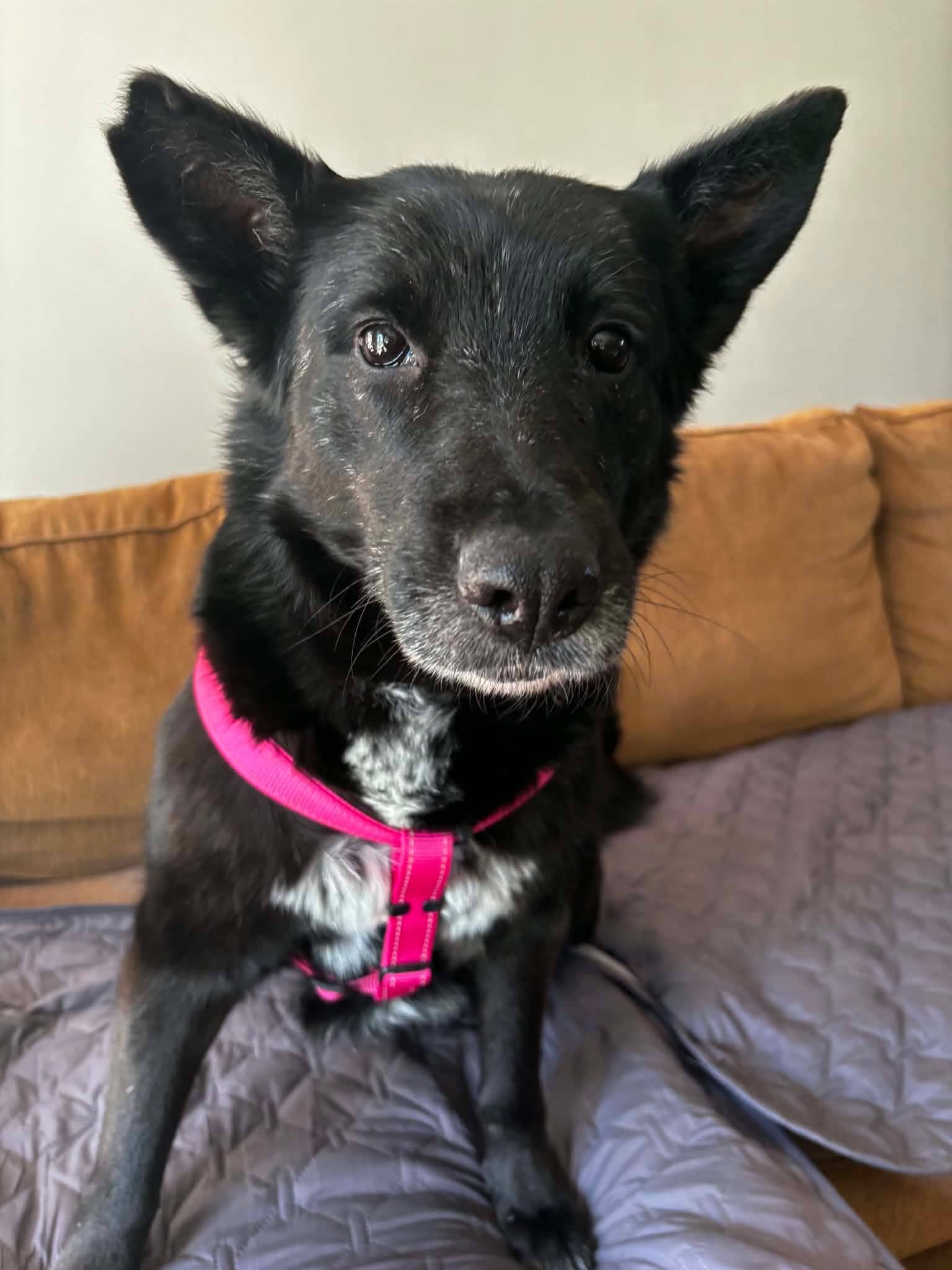
German Shepherds in Saskatoon, right now
We're currently tracking 2 adoptable German Shepherds in central Saskatchewan, listed by 2 rescues including Owner Rehoming and Running Wild Rescue. Listings update regularly, and most German Shepherds in Saskatoon get adopted within days of being posted — if one catches your eye, reach out fast.
Adopting a German Shepherd in Saskatoon
German Shepherds are one of the most common large breeds in Saskatoon rescue. The Saskatoon SPCA on Hanselman Avenue sees them most months, the Saskatoon Animal Control Agency pound on Clarence Avenue South intakes Shepherds and Shepherd crosses regularly, and Saskatoon Dog Rescue plus Bright Eyes Dog Rescue carry steady numbers through their foster networks. The story foster homes hear from surrenderers is the same one over and over. A working family ranch or acreage household took on a Shepherd puppy, the dog grew into 75 to 90 lbs of unstructured drive, and the workload the puppy was meant for never materialised.
This page pulls every adoptable GSD from the Saskatoon shelters we cover into one searchable place, refreshed regularly. Saskatoon is a compact city so a drive from Stonebridge out to Lawson Heights or from Riversdale to Sutherland is a normal trip when the right dog is on the other end. Foster homes routinely arrange meets at their home regardless of which neighbourhood you live in.
Why German Shepherds cycle through Saskatoon rescue
The first reason is the gap between the puppy and the adult. A German Shepherd between 8 and 18 months hits a window where drive ramps up, training holes show, and the family realises they did not actually want the dog they bought. Foster homes pick up GSDs at that age every month of the year in Saskatoon. The second is the rural-to-urban move. Saskatchewan farming families place Shepherds with relatives in the city when a dog no longer has work to do, and the dog that thrived on a section of land struggles in a Stonebridge townhouse with no fence.
The third pattern is the working-line problem. Some Czech, DDR and West German working-line puppies get sold to SK pet families that thought they were buying a companion. The dog has the genetics of a police or sport prospect, the household has the schedule of a casual walker, and the dog falls into rescue by 12 to 24 months. Bright Eyes Dog Rescue and Saskatoon Dog Rescue both see these dogs after the household has tried two or three trainers without progress.
A working dog in a prairie climate
A German Shepherd is a working breed in a pet body, and that is the single most useful thing for a Saskatoon adopter to understand. The dog needs mental work as much as physical exercise: training, scent games, structured walks, a routine it can rely on. A GSD left to fill its own day in a Sutherland walk-up finds outlets the household will not like. Sutherland Beach off-leash on the South Saskatchewan River, Hampton Village off-leash, Avalon off-leash and the Meewasin Trail system through the river valley all work for the physical side.
Saskatoon winter is the easy season for this breed. The double coat handles -35°C to -45°C with windchill comfortably, and the dry prairie cold beats a Toronto-style wet winter for a heavy-coated dog. The harder season is humid summer thunderstorm weather, when hot dry afternoons can still spike to 30°C and mosquito plus tick pressure ramps up May through October. Walk early morning or after dark on the hottest July and August days, and ask your vet about heartworm prevention because Saskatoon has seen cases.
Health concerns worth asking the foster about
German Shepherds have several well-documented health concerns Saskatoon fosters should answer plainly. Hip and elbow dysplasia are the most common. Degenerative myelopathy, a progressive spinal condition, shows up in older dogs of the breed. Bloat, the sudden twisting of the stomach, is the emergency every deep-chested large dog owner should know. Exocrine pancreatic insufficiency and chronic skin allergies also come up. A foster who has lived with the dog for weeks knows whether it moves smoothly, holds weight, and is comfortable. Ask directly. Saskatoon has a real advantage here that other prairie cities do not — the Western College of Veterinary Medicine (WCVM) on the University of Saskatchewan campus is in-city, and WCVM specialty services in cardiology, oncology, neurology, ophthalmology and surgery accept GSD referrals directly. That makes a degenerative myelopathy workup or a hip surgery consultation a 10-minute drive, not a road trip to Calgary or Edmonton.
What German Shepherds are actually like to live with
A well-matched German Shepherd in Saskatoon is loyal, trainable and deeply bonded to its household. The harder parts of the breed show up at home, and they are why so many end up in rescue:
- Needs a job. A GSD without mental work and structure invents its own, usually destructively.
- Bonds hard, can be wary of strangers. Plan a slow introduction routine for visitors and apartment neighbours.
- High exercise needs. Plan on an hour or more of real activity daily, year-round, regardless of windchill or July heat.
- Sheds constantly. The double coat blows heavily twice a year. Expect a vacuum routine, and a wet coat after a slushy March walk for weeks.
- Reactivity is common in rescue GSDs. Many need a calm handler and a training plan, not a busy off-leash area on day one.
- Large and strong. Walking gear, the home and the budget all need to fit a powerful 70 to 90 lb dog. Saskatoon rental listings carry a pet premium for large breeds.
What the fee usually covers
German Shepherd adoption fees at Saskatoon rescues typically run $300 to $600 for an adult dog. The fee covers the medical work the rescue already paid for: spay or neuter, core vaccinations, microchip, deworming, and a vet check before placement. Confirm the exact number on the dog's own listing, because it varies with age and any special medical care.
How to actually search
Use the filters above to narrow by energy level (most GSDs are high), size (large), compatibility, and shelter. Read the listing carefully for notes on reactivity and stranger comfort, because rescue GSDs vary widely. If a dog fits, apply the same day. Foster homes across Saskatoon are usually willing to set up a video call before you drive across the city for an in-person meet.
Looking more broadly? Browse every adoptable dog across the province on Dog Adoption Saskatchewan.
The rescues that most often list German Shepherds across Saskatchewan are Saskatoon SPCA, Saskatoon Dog Rescue, Bright Eyes Dog Rescue, and Saskatoon Animal Control Agency. For breed-specific background, the Canadian Kennel Club is a useful reference.
German Shepherd guides for Saskatoon adopters
German Shepherd Adoption Saskatoon: Rescues, Costs
Where to adopt a German Shepherd in Saskatoon: rescue costs vs breeders, GSD surrender patterns, working vs show lines, and free-GSD scam warnings.
12 min readGerman Shepherd Health Issues Saskatoon
Hip dysplasia, degenerative myelopathy, bloat, and the GSD conditions Saskatoon owners should know, plus WCVM specialty care in-city. Consult your vet.
12 min readGerman Shepherd Training and Temperament Saskatoon
How to raise a stable German Shepherd in Saskatoon: exercise needs, reactivity, force-free training, winter enrichment, and the working-breed reality.
12 min readGerman Shepherd adoption in other Saskatchewan cities
German Shepherd Adoption FAQ — Saskatoon
How many German Shepherds are available for adoption in Saskatoon?
As of September 2026, German Shepherds are rare in Saskatoon rescue — only 2 are listed right now across 2 rescues on LocalPetFinder. They tend to get adopted fast, so setting an alert is the most reliable way to find one.
Where can I adopt a German Shepherd near me in Saskatoon?
Saskatoon has German Shepherds and GSD crosses in rescue most months of the year. The major sources are the Saskatoon SPCA on Hanselman Avenue, the Saskatoon Animal Control Agency pound on Clarence Avenue South, Saskatoon Dog Rescue, and Bright Eyes Dog Rescue. This page lists what is currently available across all of them. Each profile links directly to the rescue to apply.
Do German Shepherds handle Saskatoon winter?
Yes — winter is the easy season for this breed. The dense double coat handles -35°C to -45°C with windchill comfortably, and the dry prairie cold is gentler on a heavy-coated dog than a wet eastern winter. Watch for ice between paw pads after walks on salted sidewalks downtown, and keep the dog out of vehicles in extreme cold even for short stops. Summer humid thunderstorm afternoons that push 30°C are harder than the cold for this breed.
Can I keep a German Shepherd in a Saskatoon apartment?
Sometimes, but check the lease and the building in writing first. Many Stonebridge, Riversdale, Nutana and downtown Saskatoon apartments allow large dogs, but some buildings restrict by weight or by breed. A 70 to 90 lb GSD also needs a real exercise routine — an hour daily, year-round — and a Sutherland Beach off-leash trip or a Meewasin Trail walk is non-negotiable, not optional. Most foster homes will ask about your housing on the application.
Where can I exercise a German Shepherd in Saskatoon?
Sutherland Beach off-leash on the South Saskatchewan River is the largest fenced off-leash area in the city and works well for a high-drive GSD. Hampton Village off-leash, Avalon off-leash, and the Meewasin Trail system through the river valley handle longer outings. For a reactive rescue GSD, a long line in a quieter spot beats a busy off-leash area on day one. Pike Lake provincial park is a good weekend trip when the rescue clears you for off-leash.
Are SK rescue German Shepherds working line or pet line?
Almost all are pet-line or mixed-line, not working-line. A pet-line Shepherd is moderate energy and trainable with reasonable effort. Foster homes can tell you whether the specific dog settles in the evening or paces, which is the best indicator of whether you are looking at a family-suitable Shepherd or a high-drive working dog.
What is the difference between working-line and show-line German Shepherds?
Working-line German Shepherds are bred for drive, stamina, and job focus, and tend to be leaner and more intense with a straighter back. Show-line dogs, especially West German show lines, are bred more for appearance and often have the sloped topline you see in the ring. In rescue you will mostly meet Shepherds and Shepherd mixes where the line is unknown and barely matters. Judge the individual dog: its energy, recall, and temperament tell you far more than any label about how it will fit your home.
How much does it cost to adopt a German Shepherd in Saskatoon?
Adopting a German Shepherd in Saskatoon typically costs $400 to $800, and puppies usually carry a premium at $600 to $1,000. The exact fee varies by rescue, and older dogs are often reduced. That fee is not a purchase price. It covers work already done on the dog: spay or neuter, vaccinations, deworming, microchip, and a basic vet workup, which would cost several hundred dollars more if you arranged it yourself after buying. Buying the same breed from a registered breeder generally runs well over $1,000, usually with a waitlist. Ask the rescue what is included before you apply, since a few include extras like a starter bag of food or a first-month insurance trial.
Are these German Shepherds for sale in Saskatoon?
Not for sale, for adoption, which is usually the better deal. Every German Shepherd here comes from a Saskatoon rescue or shelter, not a breeder, pet store, or classified seller. Adoption fees are typically $400 to $800, with puppies at $600 to $1,000 and already include vaccinations, deworming, microchip and spay or neuter when age-appropriate, versus roughly $2,000 to $5,000 or more to buy a German Shepherd from a breeder. If you searched "german shepherd for sale saskatoon" or "german shepherd puppies for sale," adopting gets you a healthy, vetted dog for a fraction of the price.
Where can I buy a German Shepherd in Saskatoon, and should I?
You can buy from a registered breeder, but it is worth weighing against adoption first. A reputable German Shepherd breeder typically charges $2,000 to $5,000 or more and often has a waitlist, while a rescue German Shepherd costs $400 to $800, with puppies at $600 to $1,000 fully vetted and may be available now. Be cautious of cheap german shepherd-for-sale ads on classified sites and marketplaces, which are frequently backyard breeders or puppy-mill resellers with unvetted, sometimes sick animals and no health guarantee. If you do buy, insist on seeing where the puppies were raised and getting vet records. For most families in Saskatoon, adopting a rescue German Shepherd is cheaper, faster, and gives a dog in need a home.
Are there free German Shepherds in Saskatoon, or german shepherds under $500?
Adoption is the closest honest answer, and it is not free. A rescue German Shepherd in Saskatoon typically costs $400 to $800, with puppies at $600 to $1,000, so the lower end lands under the "$500" people search for and the rest does not. What the fee buys is work already done, the vaccinations, deworming, microchip and spay or neuter, which would cost more than the fee itself if you arranged it yourself, and it is still far below breeder prices. Be wary of genuinely free german shepherd listings. An animal advertised free to a good home has usually not been vetted, and free rehoming ads are the route flippers and unregistered breeders use to move animals with no health guarantee and no recourse. Paying a rescue fee buys you a dog someone has already examined, treated, and been honest with you about.
Are there German Shepherd puppies in Saskatoon, or only adults?
Both, but adults far outnumber puppies, and it is worth knowing that before you start looking. Most German Shepherds arriving in Saskatoon rescue are adolescents and adults, because that is the age at which first homes tend to give up. Puppies do come through, usually as accidental litters or with a surrendered mother, and they are typically spoken for quickly. Setting an alert beats refreshing the page. It is also worth asking whether you actually want one: an adult arrives with a temperament a foster has already observed and described, where a German Shepherd puppy is a prediction, and for this breed in particular knowing what you are getting is the more useful thing.
Where can I find a German Shepherd near me in Saskatoon?
Start with the listings on this page, which pull from Saskatoon rescues and shelters and are refreshed regularly, so what you see is what is genuinely available rather than a stale directory. If nothing suits today, that is normal for this breed: rescue intake is intermittent rather than steady, and a breed with none listed this week often has several next month. Setting an alert beats checking back, and it is worth widening to nearby towns, since most rescues serving Saskatoon will adopt out across a reasonable driving distance rather than only inside one municipality.
Have a dog to rehome?
Rehoming a German Shepherd in Saskatoon?
List your dog free. Local adopters browsing Saskatoon see owner listings first: no shelter, no fees, you choose the home.
List your pet free →Takes 3 minutes. You stay in control of who adopts.
Not seeing one yet?
Get notified when a German Shepherd is listed in Saskatoon
We'll email you the moment a German Shepherd is listed in Saskatoon on LocalPetFinder, from a rescue or an owner rehoming.
One email when there's a match. Unsubscribe anytime.
For rescues & shelters
Are you a Saskatoon-area rescue? List your adoptable dogs free.
Free shelter account: your dogs appear here and across LocalPetFinder, with analytics and adoption applications included.