The short answer
German Shepherds are one of the more commonly surrendered large breeds on the prairies. Best Saskatoon rescues: the Saskatoon SPCA, Saskatoon Dog Rescue, New Hope Dog Rescue, and We All Need a Rescue. Adoption fee: about $300 to $600 versus $1,500 to $3,000 or more from a breeder. Most surrenders trace back to under-stimulated, under-trained dogs and behaviour from poor backyard breeding. Skip free GSD listings, which are usually backyard breeders or scams. Shepherd-husky crosses are especially common here through northern transport. Most rescue shepherds are 1-to-5-year adults. GSDs are demanding for first-time owners. Adult and senior rescues are the easier path.
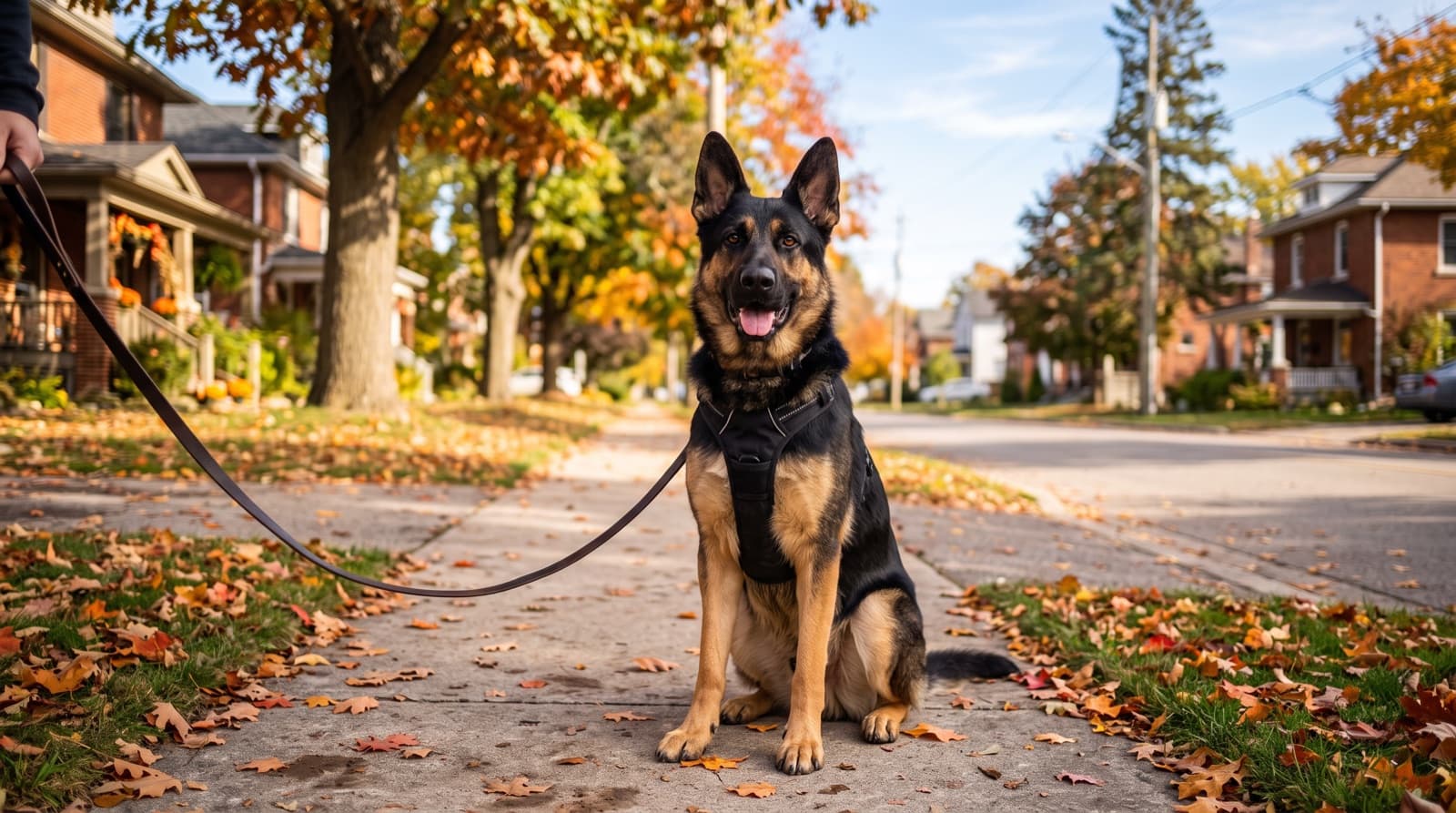
Where can I adopt a German Shepherd in Saskatoon?
German Shepherds and shepherd crosses appear in Saskatoon rescues regularly. Best places to check: the Saskatoon SPCA, Saskatoon Dog Rescue, New Hope Dog Rescue, and We All Need a Rescue. Browse all currently available shepherds and shepherd mixes across local rescues on LocalPetFinder's German Shepherd breed page. Listings update regularly. The most common Saskatoon GSD surrender reasons: exercise and training demands underestimated, reactivity from poor socialisation, hip or joint issues, and lifestyle changes. Most surrendered GSDs are 1 to 5 year old adults; purebred puppies are rare.
For the full Saskatoon rescue landscape and how each organisation works, see our best dog rescues in Saskatoon guide. A shepherd is a years-long commitment, so read up on the breed-specific medical and temperament patterns before you apply.
Is there a German Shepherd-specific rescue in Saskatchewan?
Breed-specific shepherd rescues exist across Canada, but their reach into Saskatchewan varies, and some operate as volunteer-only Facebook networks rather than registered charities. We mention this honestly because adopters search for a dedicated German Shepherd rescue and then send money to whatever name comes up first. Before applying or paying any breed-specific rescue, run this checklist:
(1) Canada Revenue Agency charitable registry
(2) A physical address or named foster network
(3) Public-facing vet references
(4) Recent adoptable dog listings
Most Saskatoon GSD adopters work through the general rescues, which carry steady shepherd inventory and verified governance: the Saskatoon SPCA, Saskatoon Dog Rescue, New Hope Dog Rescue, and the Regina Humane Society for those willing to drive south. Their shepherds have usually had a full vet workup and a foster temperament assessment.
How much does it cost to adopt a German Shepherd in Saskatoon?
Saskatoon GSD rescue adoption fees range roughly $300 to $600. Fees include spay or neuter, vaccinations, microchip, deworming, and a basic vet workup. Senior GSDs are often reduced. Buying from a breeder: $1,500 to $3,000 or more for pet-quality, and more for working or show lines. Annual care: roughly $1,800 to $3,500 per year because adult shepherds eat a lot and tend to carry higher vet costs, and Saskatchewan adds about 11 percent tax to vet services and pet food. Pet insurance is commonly $50 to $90 per month for a young healthy GSD.
| Source | GSD Fee Range | What's Included |
|---|---|---|
| Saskatoon SPCA | $315 to $575 | Spay or neuter, vaccines, microchip, vet check |
| Foster-based rescue (Saskatoon Dog Rescue, New Hope) | $300 to $500 | Spay or neuter, vaccines, microchip, foster temperament plus medical history |
| Senior GSD (8+ years) | Often reduced | Same as above, at a lower fee |
| Pet-quality breeder puppy | $1,500 to $3,000 or more | Initial vaccines only |
| Working / show line | $3,000 or more | CKC papers, OFA-tested parents (verify) |
For the full first-year budget with the Saskatchewan tax picture, see our Saskatoon adoption costs guide.
Are there free German Shepherds for adoption in Saskatoon?
Almost never legitimately. Free German Shepherd listings on Kijiji, Facebook Marketplace, or local buy-and-sell groups are typically:
(1) Backyard breeders using free framing as bait-and-switch (the real cost reveals when you arrive)
(2) Owners trying to bypass rescue surrender screening by giving the dog to anyone (behavioural unknowns and no medical workup)
(3) Outright scams demanding shipping or vet-release fees for non-existent dogs
(4) Dogs with serious behavioural problems (reactivity, aggression, prey-drive incidents) being rehomed without disclosure
Real GSD adoption is never free. Even the lowest rescue fee covers basic medical care at well below cost. Owner-rehoming with a small fee can be legitimate, but it requires verification: vet records, an in-person meeting at the dog's current home, and full behavioural transparency including any bite history.
Should I look at “German Shepherd puppies for sale Saskatoon” instead of adoption?
Adoption is the better path for most Saskatoon households. The prairie shepherd surrender rate is high precisely because too many people bought on looks without understanding the breed. Adopting an adult means the breed reality has already played out and the rescue can tell you what you are getting. Buying through a breeder makes sense only if you specifically need a puppy with verifiable parent health testing for protection sport, herding, or a working farm role.
If you do buy from a breeder, only choose breeders who:
- Are CKC-registered (Canadian Kennel Club)
- OFA-test both parents for hips and elbows
- Run a DM (degenerative myelopathy) genetic test on the parents
- Allow home visits and meeting both parents
- Take dogs back at any age
- Never sell through buy-and-sell sites or classifieds
- Require a contract and run a waitlist
Shepherd breeder search results in Saskatchewan are dominated by backyard breeders without health testing. Verify carefully. For what daily life with the breed actually demands, read our German Shepherd training and temperament guide.
Working line vs show line vs pet line: what is the difference?
Three broad types within the same breed.
| Type | Bred for | Build / coat | Pet suitability |
|---|---|---|---|
| Working line | Police, military, sport, farm work (incl. DDR and Czech) | Athletic, flatter back, sable common | High drive. Usually too intense for pet homes |
| Show line | Conformation rings | Sloping back (linked to hip and spine issues), classic black-and-tan | More typical pet, somewhat calmer |
| Pet line | Companion (often backyard-bred, untested) | Unpredictable structure and coat | Varies widely. Temperament is a gamble without testing |
Saskatoon rescues see all three, but most rescue shepherds are mixed-line pet-quality dogs or shepherd crosses rather than purpose-bred working or show dogs. For a pet companion, an even-tempered adult assessed in foster usually matters more than the line label. The American Kennel Club breed profile covers the formal standard if you want the background.
Common shepherd crosses in Saskatchewan rescue
Most rescue shepherds here are crosses, and the shepherd-husky is the most common of all.
| Cross | Weight | Notes |
|---|---|---|
| Shepherd-Husky (Shepsky) | 45 to 85 lbs | The most common prairie cross. Cold-hardy double coat, high energy, strong roaming and escape drive. Needs a secure yard. |
| Shepherd-Lab (Sheprador) | 60 to 85 lbs | More outgoing and biddable than a purebred GSD. Less guarding instinct. Common and family-friendly. |
| Shepherd-Cattle Dog | 45 to 70 lbs | Very high drive and intelligence. Needs a real job. Common on and around acreages. |
| Shepherd-Rottweiler | 80 to 110 lbs | Intelligent and naturally protective. Family-loyal, more stubborn. |
All shepherd crosses inherit some combination of high energy, intelligence, training need, and possible reactivity. Saskatoon rescues often label dogs as shepherd mix on appearance alone, so read each rescue's temperament notes carefully.
Why are so many German Shepherds in Saskatchewan rescues?
GSDs are consistently among the more commonly surrendered large breeds on the prairies. Common reasons:
(1) Exercise and training demands underestimated. 60 to 90 minutes daily plus ongoing socialisation
(2) Reactivity. Poorly socialised shepherds become reactive to strangers and other dogs, leading to leash-lunging and bite incidents
(3) Health-related surrenders. Hip dysplasia and bloat surgery costs overwhelm owners
(4) The outgrew-the-puppy-phase surrender. An adult shepherd in full drive surprises unprepared owners
(5) Behaviour from poor backyard breeding, and shepherd crosses arriving through northern and reserve-community transport
Most surrendered GSDs are well-socialised but have specific needs (active home, secure yard, training commitment) that screen out many adopters. For the breed-specific medical patterns behind some of these surrenders, see our German Shepherd health issues guide.
Browse adoptable German Shepherds in Saskatoon
Live inventory from Saskatoon rescues, including shepherd crosses and senior dogs at reduced fees. A cold-hardy breed well suited to prairie winters. Refreshed regularly.
See Available German Shepherds →Frequently Asked Questions
Where can I adopt a German Shepherd near me in Saskatoon?
German Shepherds and shepherd crosses appear in Saskatoon rescues regularly, because they are one of the more commonly surrendered large breeds on the prairies. Best places to check: the Saskatoon SPCA on Hanselman Avenue, Saskatoon Dog Rescue, New Hope Dog Rescue, and We All Need a Rescue. Browse all currently available Saskatoon GSDs and shepherd mixes across local rescues on LocalPetFinder's German Shepherd breed page, which updates regularly. The most common Saskatoon GSD surrender reasons are underestimated exercise and training demands, reactivity from poor socialisation, hip or joint issues, and lifestyle changes. Most surrendered GSDs are 1 to 5 year old adults, and purebred puppies are rare.
Is there a German Shepherd-specific rescue in Saskatchewan?
Breed-specific Shepherd rescues exist across Canada, but their reach into Saskatchewan varies, and some operate as volunteer-only Facebook networks rather than registered charities. Rather than send money to an unverified breed-specific group, most Saskatoon adopters work through the general rescues that carry steady shepherd inventory: the Saskatoon SPCA, Saskatoon Dog Rescue, New Hope Dog Rescue, and the Regina Humane Society for those willing to drive south. If you do find a Saskatchewan German Shepherd rescue, verify it before applying or paying: check the Canada Revenue Agency charitable registry, a physical address or named foster network, public-facing vet references, and recent adoptable dog listings.
How much does it cost to adopt a German Shepherd in Saskatoon?
Saskatoon German Shepherd rescue adoption fees range roughly $300 to $600. The Saskatoon SPCA and foster-based rescues cover spay or neuter, vaccinations, microchip, deworming, and a basic vet workup in that fee. Senior GSDs are often reduced. A purchased GSD puppy from a breeder typically runs $1,500 to $3,000 for pet-quality, and more for working or show lines. Annual care for a GSD in Saskatoon runs roughly $1,800 to $3,500 because adult Shepherds eat a lot and tend to carry higher vet costs from genetic predispositions, and Saskatchewan adds about 11 percent tax to vet services and food. Pet insurance is strongly recommended, commonly $50 to $90 per month for a young healthy GSD.
Are there free German Shepherds for adoption in Saskatoon?
Almost never legitimately. Free German Shepherd listings on Kijiji, Facebook Marketplace, or local buy-and-sell groups are typically backyard breeders using free framing as bait-and-switch, owners trying to bypass rescue surrender screening by giving the dog to anyone, outright scams demanding shipping or vet-release fees, or dogs with serious behavioural problems being rehomed without disclosure. Real GSD adoption is never free. Even the lowest rescue fee covers spay or neuter, vaccines, microchip, and a vet exam at well below cost. Owner-rehoming with a small fee can be legitimate, but it requires verification: vet records, an in-person meeting at the dog's current home, and full behavioural transparency including any bite history.
Should I look at German Shepherd puppies for sale in Saskatoon instead of adoption?
Adoption is the better path for most Saskatoon households. Buying through a breeder makes sense only if you specifically need a puppy with verifiable parent health testing for protection sport, herding, or a working role on a farm. For pet companions, adoption gives you a known adult temperament, a complete medical workup, a $300 to $600 fee instead of $1,500 to $3,000 or more, and you save a GSD from rescue. The prairie shepherd surrender rate is high precisely because too many people bought on looks without understanding the breed. If you do buy, only choose CKC-registered breeders who OFA-test both parents for hips and elbows, run a DM genetic test, allow home visits and meeting the parents, take dogs back at any age, and never sell through buy-and-sell sites.
What is the difference between working line, show line, and pet line German Shepherds?
Three broad types within the breed. Working line GSDs, including DDR and Czech working lines, are bred for police, military, and sport work, with higher drive, a flatter back, and a more intense temperament that overwhelms most pet homes. Some Saskatchewan farms and acreages keep working-line shepherds, and those dogs sometimes end up in rescue when the drive proves too much. Show line GSDs are bred for the conformation ring, often with the sloping back and classic black-and-tan colouring and a somewhat calmer temperament. Pet line is a loose term for dogs bred mainly as companions, often by backyard breeders, with unpredictable structure and temperament. Most Saskatoon rescue shepherds are mixed-line pet-quality dogs or shepherd crosses rather than purpose-bred working or show dogs.
What is a shepherd-husky cross like?
The shepherd-husky cross, sometimes called a Gerberian Shepsky, is one of the most common mixes in Saskatchewan rescue because both breeds are heavily represented in northern and reserve-community intake. These dogs stack husky energy and roaming drive on top of German Shepherd intelligence and drive, which makes them one of the most demanding crosses to own. Expect a cold-hardy double coat well suited to prairie winters, high exercise needs, a strong prey and escape drive that demands a secure yard, and real training commitment. They are wonderful dogs for an experienced, active owner and a poor fit for a first-time owner who underestimates the exercise. Shepherd-Lab and shepherd-cattle-dog crosses also appear regularly and tend to be more biddable.
Why are so many German Shepherds in Saskatoon and Saskatchewan rescues?
GSDs are consistently among the more commonly surrendered large breeds on the prairies. The common reasons are underestimated exercise and training demands, reactivity from poor socialisation that leads to leash-lunging and bite incidents, health-related surrenders when hip dysplasia or bloat surgery costs overwhelm owners, the outgrew-the-puppy-phase surrender when an adult shepherd in full drive surprises an unprepared owner, and behaviour from poor backyard breeding. Northern and reserve-community transport also brings in shepherd crosses that need homes. Most surrendered GSDs are well-socialised but have specific needs, an active home, a secure yard, and a training commitment, that screen out many adopters.
Are there German Shepherd puppies in Saskatoon rescues?
Rare. Most Saskatoon rescue GSDs are 1 to 5 year old adults, surrendered after the puppy phase reveals the full breed reality. Purebred shepherd puppies almost never appear in rescues because they sell quickly through breeders. If you specifically want a puppy, be open to a young adult shepherd of 1 to 3 years, which has the same temperament potential but is past the worst chewing and training phase, is often house-trained, and lets you verify hip and joint health on X-rays. Shepherd mix puppies, especially shepherd-husky and shepherd-cattle-dog crosses, appear somewhat more often, usually as litter surrenders from northern transport.
How long do German Shepherds live?
German Shepherds typically live 9 to 13 years, shorter than most medium breeds. The shorter lifespan is driven by higher rates of hip dysplasia, elbow dysplasia, degenerative myelopathy (a progressive spinal-cord disease), bloat (a deep-chested breed at high risk of gastric torsion), and hemangiosarcoma. With excellent care, including weight management, joint care from puppyhood, a bloat-prevention feeding routine, pet insurance, and proactive vet care, many Shepherds reach 11 to 14 years. A Saskatoon adopter has one real advantage here: the Western College of Veterinary Medicine keeps specialty care in-city, so a GSD needing orthopedic or oncology work does not face the long drive that owners in many prairie towns do. See our German Shepherd health issues guide for breed-specific conditions.
What is a German Shepherd temperament like?
German Shepherds are intelligent, driven, and deeply bonded to their people. They are one of the most trainable breeds, but that intelligence cuts both ways, because a bored or under-exercised shepherd invents its own jobs, which usually means barking, digging, chewing, or fixating on movement. Key traits: handler-focused (they look to their person for direction and thrive on training), high energy and high mental needs (60 to 90 minutes of exercise daily plus mental work), naturally protective (aloof with strangers, which becomes reactivity without early socialisation), sensitive (they respond best to calm, consistent, force-free handling), and Velcro dogs that struggle with long stretches alone. Well-raised GSDs are stable and loyal. Poorly socialised or under-stimulated ones fill rescues.
Are German Shepherds good for first-time dog owners in Saskatoon?
Generally challenging. GSDs are intelligent and demanding, and they need consistent training, daily exercise, and ongoing socialisation to develop into stable adults. Without those things, shepherds become reactive, anxious, or destructive, which is exactly why so many end up in prairie rescue. If you are committed to a shepherd as your first dog, the non-negotiables are force-free training from week one with a trainer experienced with working breeds, a genuine 60-to-90-minute daily exercise commitment (including winter, when a coat is rarely needed for this double-coated breed but paw care against road salt is), lifelong socialisation, and budget and time for vet care with pet insurance enrolled before symptoms. Adult and senior rescue shepherds are easier first-time picks than puppies because temperament is already known.
Related Guides
New dog? Start with these care guides
Everything a new adopter needs to set up a safe, happy home.