The short answer
Go immediately for: difficulty or open-mouth breathing (cats almost never breathe through the mouth except in severe distress), urinary blockage symptoms (especially in male cats; life-threatening within 24-48 hours), suspected toxin ingestion (lilies, antifreeze, human medications), severe trauma, seizures, sudden collapse, persistent vomiting more than 3 times in 24 hours, blood in vomit or stool, severe lethargy. Edmonton emergency vet costs: $200 to $400 consultation alone; treatment scenarios commonly $1,500 to $10,000+. Urinary obstruction $1,500 to $4,000. Foreign body ingestion $2,000 to $6,000. Trauma $1,500 to $10,000+. Pet insurance enrolled at adoption before symptoms develop is the single best financial protection. When in doubt, call the emergency vet phone line; they will help triage.
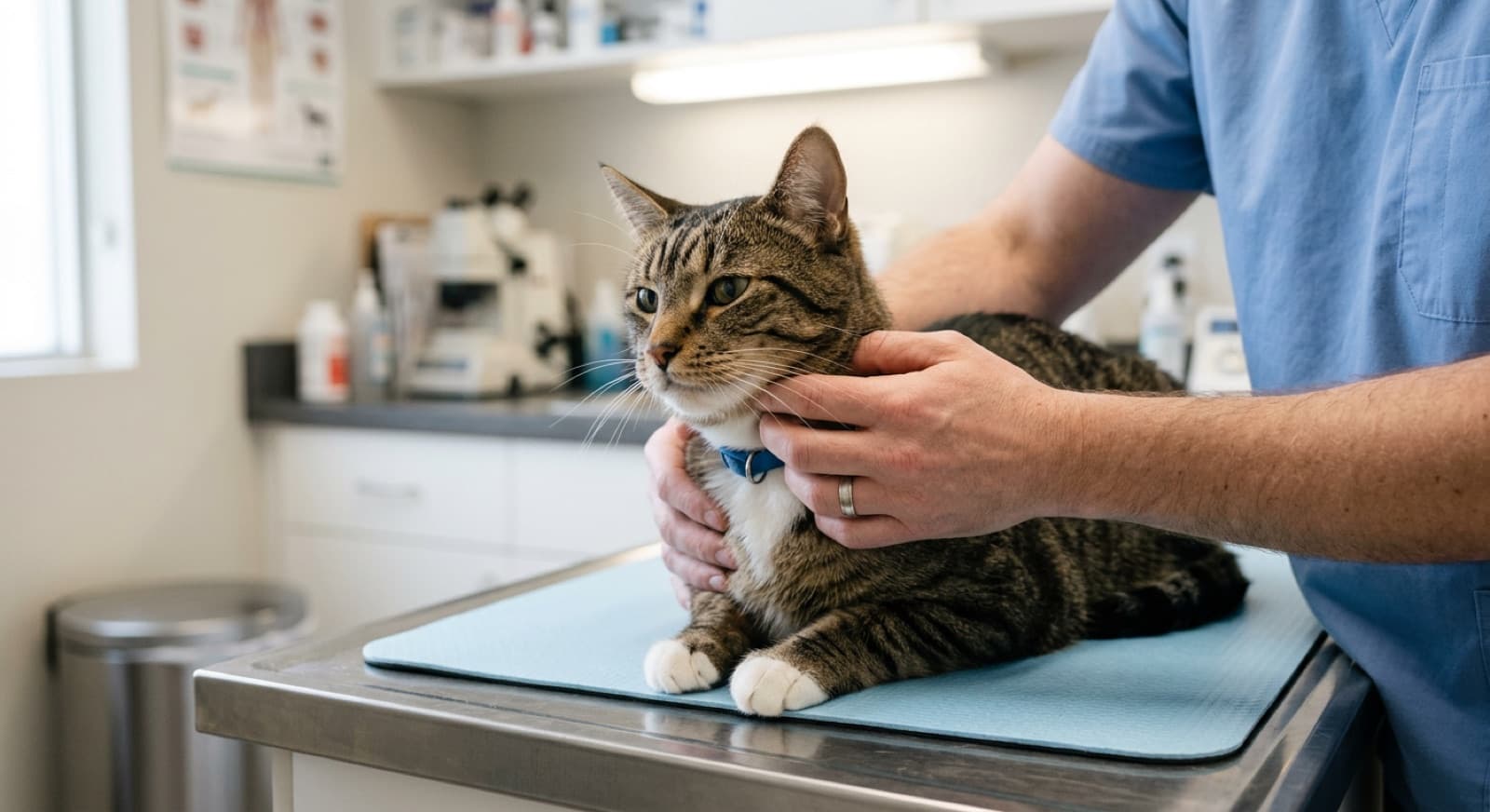
Symptoms requiring immediate emergency vet visit
These symptoms are time-sensitive. Do not wait for a primary vet appointment the next morning. Go to a 24-hour emergency vet.
- Difficulty breathing or open-mouth breathing (cats almost never breathe through the mouth except in severe distress; this is always an emergency)
- Straining to urinate or no urine output for more than 12 hours (urinary obstruction is life-threatening, particularly in male cats; can be fatal within 24-48 hours)
- Repeated vomiting more than 3 times in 24 hours, or blood in vomit
- Blood in stool or urine
- Seizures
- Sudden weakness, collapse, or inability to stand
- Sudden vision loss or dramatic pupil changes
- Suspected ingestion of toxic substance (lilies, antifreeze, human medications, chocolate, grapes, household chemicals)
- Severe trauma (vehicle collision, fall, fights with other animals)
- Extreme lethargy or unresponsiveness
- Severe abdominal pain (hunched posture, vocalising when touched, refusal to move)
- Persistent high fever
- Prolonged labour in pregnant cats
When in doubt, call the emergency vet phone line. Many vets have phone triage available; describing symptoms can help determine whether immediate care is needed or whether the situation can wait. The cost of a phone call is zero; the cost of waiting too long can be enormous. The American Veterinary Medical Association publishes general guidance on recognising feline emergencies; the ASPCA Animal Poison Control Center maintains a 24-hour hotline for suspected toxin ingestion (consultation fee may apply).
Browse adoptable cats in Edmonton
Pet insurance enrolled at adoption before symptoms develop is the best financial protection against catastrophic emergency vet costs.
See Available Cats →Frequently Asked Questions
When should I take my cat to the emergency vet in Edmonton?
Go to a 24-hour emergency vet immediately for any of these symptoms: difficulty breathing or open-mouth breathing (cats almost never breathe through the mouth except in severe distress), straining to urinate or no urine output for more than 12 hours (urinary obstruction is a life-threatening emergency, particularly in male cats), repeated vomiting more than 3 times in 24 hours, blood in vomit or stool, seizures, sudden weakness or collapse, sudden vision loss, suspected ingestion of toxic substance (lily plants, antifreeze, human medications, household chemicals), severe injury from trauma (vehicle collision, fall, fight), extreme lethargy or unresponsiveness, severe abdominal pain (hunched posture, vocalising when touched), persistent high fever, prolonged labour in pregnant cats. When in doubt, call the emergency vet phone line; they will help you decide whether to come in immediately or monitor at home.
What is feline urinary obstruction and why is it an emergency?
Feline urinary obstruction (also called urinary blockage or "blocked cat") occurs when the cat's urethra becomes blocked, preventing urine from leaving the bladder. The condition is much more common in male cats because of the longer narrower urethra. Symptoms: straining to urinate without producing urine, frequent litter box trips with small or no output, vocalising during litter box use, blood in urine, lethargy, vomiting, hiding. Untreated, the blockage causes bladder rupture and kidney failure within 24 to 48 hours; the condition is fatal without veterinary intervention. Treatment involves catheterization to relieve the blockage plus IV fluids, monitoring, and addressing the underlying cause (urinary stones, urethral plugs, idiopathic cystitis). Edmonton emergency vet cost: $1,500 to $4,000 typically; recurrent obstruction may require perineal urethrostomy surgery at additional cost. Pet insurance covers most of this scenario at 70-90% reimbursement.
What if my cat ingested something toxic?
Go to the emergency vet immediately. Do not induce vomiting at home unless specifically directed by a veterinarian; many toxic substances are more damaging on the way back up. Common cat toxins: lilies (all parts, including pollen; even small amounts can cause fatal kidney failure within 24-48 hours), antifreeze (ethylene glycol; sweet taste attracts cats; tiny amounts are fatal), human medications (acetaminophen/Tylenol is particularly toxic to cats; ibuprofen, ADHD medications, antidepressants), household chemicals (cleaning products, pesticides), houseplants (philodendron, dieffenbachia, sago palm, oleander), chocolate (less toxic than to dogs but still problematic), grapes and raisins, onions and garlic. Bring the product packaging or photograph to the emergency vet to help identify dose and active ingredients. Time matters substantially: many toxin treatments are most effective within the first 2 to 4 hours. Edmonton emergency vet decontamination cost: $500 to $2,000; treatment of confirmed toxicity may extend to $3,000 to $8,000.
What does an Edmonton emergency vet visit cost?
Edmonton 24-hour emergency vet consultation and exam fee alone runs $200 to $400. Treatment costs add quickly depending on the issue. Typical Edmonton ranges by scenario: urinary obstruction $1,500 to $4,000; foreign body ingestion or obstruction $2,000 to $6,000; trauma (vehicle, fall, fights) $1,500 to $10,000+; severe dental disease requiring extraction $1,500 to $3,000; cardiac emergencies $1,000 to $5,000; respiratory emergencies $1,000 to $4,000; toxin ingestion $500 to $8,000 depending on substance and treatment intensity; severe vomiting/diarrhea requiring hospitalisation $800 to $2,500. Pet insurance enrolled before symptoms develop covers most of these scenarios at 70-90% reimbursement after deductible. Without insurance, emergency vet bills are one of the most common reasons for difficult euthanasia decisions in otherwise treatable cats.
How do I know if my cat is breathing normally?
Normal cat respiration: 20 to 30 breaths per minute at rest, breathing through the nose, chest moving smoothly. Abnormal: open-mouth breathing in a cat (cats almost never breathe through the mouth except in severe distress; this is always an emergency), rate above 40 breaths per minute at rest, visible distress with each breath, exaggerated chest movement, gasping, audible wheezing or rattling, blue or grey tongue or gums. Cats hide breathing distress until it is severe; by the time symptoms are obvious, the situation is critical. Common causes: asthma, heart disease (hypertrophic cardiomyopathy is the most common feline heart condition), pneumonia, fluid in the chest cavity, allergic reaction, trauma. Open-mouth breathing in a cat is a fail-stop emergency; go to the 24-hour vet immediately. Do not wait for a vet appointment the next morning.
What should I do if my cat is hit by a vehicle?
Even if the cat seems fine after a vehicle collision, take the cat to the emergency vet. Internal injuries (ruptured organs, internal bleeding, lung bruising, diaphragmatic hernia) are common and may not produce obvious external symptoms for hours. Cats are extremely good at masking pain. At the scene: approach carefully (injured cats may bite or scratch), wrap the cat in a towel or blanket to control movement, transport in a carrier or sturdy box, get to the emergency vet quickly. The vet will conduct a thorough examination including chest and abdominal x-rays. Common findings: diaphragmatic hernia (the diaphragm tears and abdominal organs move into the chest cavity; surgical repair required), pulmonary contusion (lung bruising), internal bleeding, fractures. Treatment cost varies enormously by severity: $1,500 for minor injuries to $10,000+ for major surgery and prolonged hospitalisation. Pet insurance with accident coverage handles these scenarios.
What are signs my cat is in pain?
Cats mask pain extremely well; subtle signs matter. Behavioural changes: hiding more than usual, reduced interaction, decreased grooming or over-grooming a specific area, change in litter box habits (avoiding the box, vocalising during use), reduced appetite, increased aggression, restlessness or inability to settle. Physical signs: hunched posture, tucked or twitching tail, ears flattened back, squinting eyes, vocalising more than usual (especially yowling), reluctance to move, limping, panting (rare in cats; significant when present), drooling, dilated pupils, increased respiratory rate. Any combination of these signs warrants a vet visit, often urgently. Cats showing obvious pain (yowling, refusing to move, severely hunched) are typically experiencing pain that has been escalating for some time. Trust your instincts; if something seems wrong, call the vet.
How can I prepare for a cat emergency before it happens?
Several practical steps before an emergency occurs. (1) Identify and save the address and phone of a 24-hour emergency vet in Edmonton; load it in your phone GPS before you need it. (2) Keep a clean cat carrier accessible (not buried in storage). (3) Have a current emergency contact card with your name, phone, address, vet name, and cat's name and any medical conditions. (4) Save a recent photograph of your cat for identification. (5) Maintain a record of your cat's vaccination history, current medications, and known allergies. (6) Enrol in pet insurance before any symptoms develop; the financial difference between insured and uninsured emergencies is substantial. (7) Know the cat-toxic substances and remove or secure them: lilies, antifreeze, human medications, household chemicals. (8) Have a small emergency cash reserve or available credit for the consultation and initial diagnostics. (9) Know how to handle an injured cat safely: towel-wrap technique, carrier transport. (10) Discuss emergency protocols with your primary vet during routine appointments.
What about senior cat emergency considerations?
Senior cats (8+ years) have specific emergency considerations. Common senior cat emergencies: kidney failure crisis (the most common senior cat emergency; symptoms include sudden lethargy, vomiting, increased thirst and urination then sudden decrease), diabetic ketoacidosis (in diagnosed diabetics or newly-presenting diabetes; sudden lethargy, vomiting, weakness, sweet-smelling breath), hyperthyroid crisis (in undiagnosed or undertreated hyperthyroidism; rapid heart rate, agitation, weight loss accelerating), cardiac emergencies (more common in seniors; sudden breathing distress, hindleg paralysis from aortic thromboembolism is a particularly painful and urgent presentation), cancer-related emergencies (acute bleeding from tumour, mass effect causing organ failure). Senior cat owners should establish baseline bloodwork annually with their primary vet so emergency presentations can be evaluated against known normal values. Pet insurance enrolled while the cat is healthy is the most cost-effective senior cat care strategy.
Bottom line for Edmonton cat emergency vet care?
When in doubt, call the 24-hour emergency vet line. Many vets have phone triage available; describing symptoms can help determine whether immediate care is needed or whether the situation can wait for a primary vet visit. Symptoms requiring immediate emergency vet visit: difficulty breathing, urinary blockage symptoms (especially in male cats), suspected toxin ingestion, severe trauma, seizures, sudden collapse, severe ongoing vomiting. Edmonton emergency vet costs: $200 to $400 consultation alone; treatment scenarios commonly $1,500 to $10,000+. Pet insurance enrolled at adoption before symptoms develop is the single best financial protection. Prevention strategies: lily-free home, securing toxins, indoor-only lifestyle, regular vet care, weight management, dental hygiene, prompt attention to subtle behaviour changes. Most cat emergencies are time-sensitive; waiting often makes outcomes worse and treatment more expensive.
Adoptable Cats in Edmonton
Live listings from Edmonton Humane Society, Zoe's, SCARS, and AARCS Edmonton fosters.
Cat Adoption Costs Edmonton
Pet insurance discussion and the financial framework for unexpected emergency vet costs.
Cat Adoption Guide Edmonton
Main pillar guide including establishing a primary vet and emergency vet relationship in the first month.
Indoor vs Outdoor Cats Edmonton
Indoor-only lifestyle prevents many emergency vet scenarios; the framework for the decision.
New cat? Start with these care guides
Everything a new adopter needs to set up a safe, happy home.