The short answer
For most Calgary adopters, the Beagle is right if four conditions hold. One: you accept the dog will live on a leash or behind a fence for life because the nose overrides recall every time. Two: vocal baying and howling will not get you evicted or divorced. Three: you can dog-proof a kitchen and run measured-meal portion control for the next 12 to 15 years. Four: you have flexibility on workdays through daycare, a dog walker, or a hybrid schedule. The breed is gentle with kids, dog-social, and a wonderful family companion when the fit is right. The deal-breakers are lifestyle mismatch, not temperament. If those four fit, keep reading. If even one is shaky, our resources hub covers steadier first-dog options.
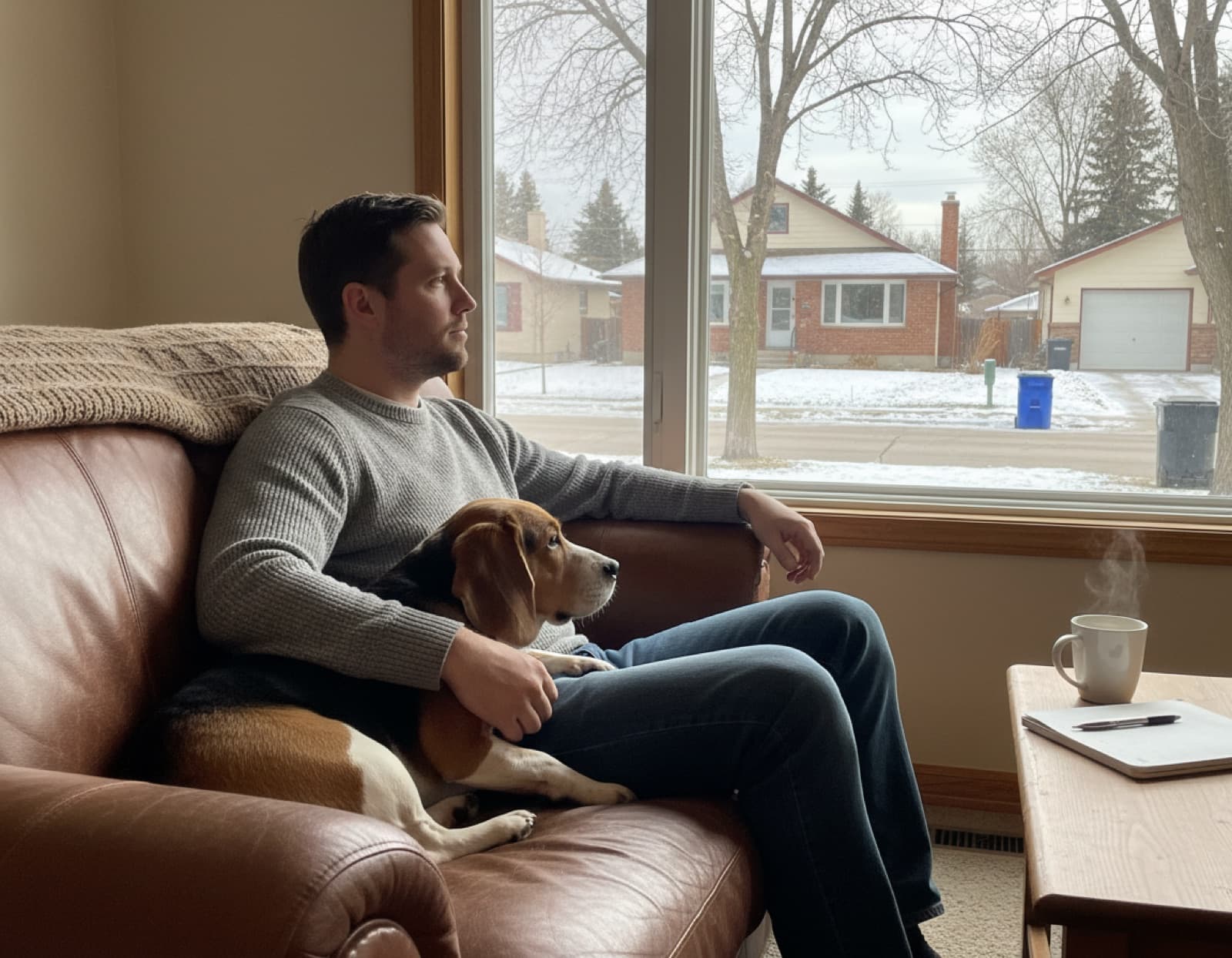
Honest Pros: Why People Love the Beagle
Friendly with kids and family-bonded
Beagles are cheerful, patient, and tolerant of household chaos. The sturdy small-medium build means kids can pet, brush, and play without the fragility of a toy breed, and the easygoing temperament absorbs noise, sudden movement, and toddler hands well. The breed wants to be in the room with the family, lying on a couch or trotting around looking for the next interesting smell. For families looking for an active and affectionate dog under 30 lbs, the Beagle is one of the best options in the category.
Sturdy small-medium size
There are two AKC and CKC size varieties: the 13-inch Beagle (13 to 20 lbs) and the 15-inch Beagle (20 to 30 lbs). Both are big enough to handle a Calgary winter walk and a busy family home without the fragility of a Chihuahua or Yorkie, and small enough to fit in apartments, condos, and townhouses where space is tight. Travel is easier, vet costs are lower than a large breed, and the dog is light enough to lift in an emergency.
Long-lived
Beagles live 12 to 15 years on average, with some reaching 16 and beyond. Lean body condition, regular ear care, and routine vet visits push the lifespan toward the high end. Obesity is the single biggest lifespan-shortener for the breed (roughly 2 to 3 years off the average), so the dog you want is the lean dog with a visible waist. The American Kennel Club and the Canadian Kennel Club publish breed-specific longevity and health guidance worth reading.
Intelligent and food-motivated
Beagles are smart, problem-solving dogs with a strong food drive that makes them highly trainable with the right method. High-value rewards (cheese, chicken, freeze-dried liver) buy almost any behaviour. The catch is the dog is also independent and selective, so training sessions need to be short, positive, and varied. Force-free trainers like Raising Canine and Pup City Pup Academy run group classes that suit the breed well.
Good with other dogs
Pack heritage means most Beagles are dog-social. Multi-dog households work well for the breed, and many Beagles are happier with a canine housemate than alone. The fenced section at Sue Higgins Park is a good Calgary option for socialising a Beagle with other dogs in a safe environment. The breed rarely starts trouble, though Beagles will hold their own if pressed.
Generally non-aggressive and approachable
Beagles were bred to hunt rabbits in packs alongside other hounds and human handlers. Aggression toward people or other dogs was selected out of the breed for centuries. Most Beagles are friendly with strangers, dog-social, and gentle in handling. This makes the breed approachable for first-time small-medium dog owners. Behaviours that get misread as problems (counter-surfing, vocal protest, selective recall) are management issues, not aggression.
Good first dog when the package fits
For households who go into the breed with eyes open about the food drive, the scent drive, and the vocal nature, the Beagle is one of the better first-dog choices in the small-medium category. The breed is forgiving of training mistakes, tolerant of household chaos, and rewards consistent owners with a loyal cheerful companion for over a decade. The successful first-time Beagle owners are the ones who research before adopting.
Honest Cons: What the Cheerful Photos Do Not Show
Food obsession that leads to counter-surfing and weight problems
Beagles share the POMC food-drive gene tendency with Labradors. The dog feels hungry most of the time and treats every food source as a target. The practical result is counter-surfing, trash raids, food theft from kids, sandwich snatching, and a strong tendency toward obesity. Calgary Beagle owners learn fast to lock the trash, install baby gates, never leave food on tables, and run a measured-meal portion-control routine. Slow-feeder bowls help. Free-feeding does not work for the breed.
Scent-hound recall failure means leash-life
The Beagle nose carries 220 million scent receptors, second only to the Bloodhound. Once a scent locks in (rabbit, deer, food wrapper, neighbour’s barbecue), the recall fails. The dog will follow the trail through traffic, across fields, and over property lines. This is not a training failure. It is the breed’s functional design. Universal Beagle advice: never off-leash in unfenced spaces. The realistic Calgary options are a fenced yard, the fenced section at Sue Higgins Park, Sniffspot rentals at $15 to $30 an hour, or long-line walks with a 15 to 30 foot biothane line ($30 to $80). Off-leash spaces like Nose Hill and Fish Creek are not safe for an off-leash Beagle.
Vocal baying and howling generate condo neighbour complaints fast
Beagles do not just bark. They bay. The deep resonant hound-throat sound carries through condo walls, townhouse partitions, and across yards. Triggers include separation, doorbells, sirens, other dogs, mealtimes, and the smell of something interesting on the wind. Apartment dwellers and townhouse owners with shared walls need to factor in neighbour tolerance honestly. Training can reduce frequency, but the breed is vocal by design. The Responsible Pet Ownership Bylaw in Calgary covers persistent barking complaints, and Beagles in noise-sensitive buildings can rack up tickets quickly.
Separation anxiety from pack-bonded breeding
Beagles were bred to live and work in packs, which means the breed is genuinely uncomfortable alone for long stretches. Full-workday-alone households often see vocal protest, destructive chewing, indoor accidents, and escape attempts. The realistic accommodation for a 9-5 schedule is a daycare two or three days a week, a midday dog walker, or a flexible work-from-home arrangement on some days. Beagle Paws and similar breed rescues often decline applications from full-workday-alone households for this reason.
Demanding 60 to 90 minute daily exercise needs
Beagles are not low-energy. The breed needs 60 to 90 minutes of daily exercise split into two or three outings, plus mental enrichment. A short potty walk does not cut it. Beagles who get less than this become destructive, vocal, obese, and depressed. The good news is the breed handles Calgary cold well, so winter rarely shortens the routine unless temperatures drop below -20C. The harder season is Calgary summer above 25C, when walks shift to early morning and late evening.
Slow to housetrain (6 to 12 months is common)
Beagles are slower to housetrain than most breeds. Six to twelve months to fully reliable housetraining is common, versus three to four months for a Lab or Golden. The dog is slow to generalise the rule across rooms, weather conditions, and routines. Crate training, scheduled 2-hour potty breaks for the first month, and patience with regressions are the standard approach. Calgary winter complicates the process because the dog will resist going out in -20C, so plan an indoor potty option for the coldest weeks. See our full housetraining and separation anxiety guide for the routine.
Sheds more than people expect
Despite the short coat, Beagles shed year-round and blow coat lightly in spring and fall. The short hairs work into upholstery, car seats, and dark clothing. Twice-weekly brushing with a rubber curry or deshedding tool helps, but the breed is not low-shed. Households with a high standard for a hair-free home will struggle. Households that accept dog-hair-as-decor will be fine.
Chronic ear infections
Most Beagles deal with recurring ear infections during their lifetime. The long pendulous ears trap moisture, warmth, and debris, creating the conditions for yeast and bacteria. Weekly ear cleaning with a vet-recommended solution is non-negotiable. Watch for head-shaking, ear-scratching, redness, foul odour, or dark discharge. Treated ear infections clear; ignored ones progress to chronic otitis that needs surgical intervention. Budget for routine vet visits even on a healthy dog.
Other breed-typical health issues
Beagles see epilepsy at roughly 2 to 3 percent of the breed (lifetime), hypothyroidism, intervertebral disc disease (lower rate than a Basset but real), cherry eye, Beagle Pain Syndrome (SRMA), and Musladin-Lueke Syndrome (MLS, now DNA testable so responsible breeders screen). Hip dysplasia rates are lower than many breeds, which is one health bright spot. See our full health guide for the depth on each condition, screening recommendations, and Calgary specialty vet contacts.
Who Beagles Are RIGHT For
Active households with 60 to 90 minutes a day for the dog
If your household has the time and energy for two or three walks plus mental enrichment most days, the Beagle is wonderful. The breed wants to be busy, sniffy, and engaged. Calgary households who walk the Bow River pathway, visit Sue Higgins Park, and do scent-work at home tend to have happy Beagles.
Work-from-home or flexible-schedule owners
Pack-bonded breeding makes Beagles uncomfortable alone for full workdays. Work-from-home owners, hybrid schedules, retired adopters, or households where someone is home most of the day fit the breed best. If your schedule is rigid 9-5, build in daycare two or three days a week and a midday dog walker.
Tolerant of food-management vigilance
If you find a clever counter-surfer endearing rather than maddening, the Beagle is a great fit. The household needs to dog-proof aggressively: locked trash, baby gates, no food on tables or counters, measured meals, treat budgeting. The food drive is also a training advantage; high-value rewards work brilliantly.
Comfortable with a vocal dog
If baying makes you laugh rather than wince, the breed is fine. Detached homes work well. Townhouses with shared walls work if neighbours are dog-friendly. Thin-wall condos are usually a poor fit unless your neighbours are also dog people.
Fenced yard or long-line commitment
A securely fenced yard is the gold standard because it lets the dog sniff and explore safely without the recall question. Without one, you need a 15 to 30 foot biothane long-line, a route plan, and time to walk it daily. Check fence integrity carefully: Beagles dig under fences and squeeze through gaps that look too small.
Kid-tolerant household with kids 5 and up
Beagles thrive with school-age kids who learn to respect the dog and not feed treats from the table. Toddlers need supervision because a food-driven Beagle may try to take food from a small hand. With basic rules and supervision, the breed is one of the most family-friendly small-medium breeds.
Budget for ear and weight-related vet costs
Recurring ear infections and weight-related vet visits add up over the breed’s 12 to 15 year lifespan. Pet insurance from a young age is often worth the math. If the vet budget is tight, the breed will eventually outpace it. Specialty referral for serious cases goes to Western Veterinary Specialist Centre.
Who Beagles Are NOT Right For
Full-workday-alone households without daycare or walker support
The single most common Beagle surrender reason in Calgary is separation distress in 9-5 alone households. The breed is pack-bonded by design and does not cope well with eight or nine hours alone. If your household cannot fund daycare, a midday dog walker, or a hybrid schedule, choose a different breed. Beagle Paws and similar breed rescues will often decline applications from full-workday-alone households.
Low-energy lifestyles
If your idea of a dog routine is a 15 minute potty walk twice a day, the Beagle is the wrong breed. The dog needs 60 to 90 minutes of real exercise plus mental enrichment, every day, for 12 to 15 years. Couch-only Beagles get destructive, vocal, and obese. Consider a Pug, French Bulldog, or Cavalier King Charles Spaniel if a lower-energy small dog fits your life better.
Condos with thin walls and strict noise bylaws
The single most common Beagle complaint from neighbours is the baying. The sound is deep, carries far, and triggers easily. Calgary’s Responsible Pet Ownership Bylaw handles persistent barking complaints, and a Beagle in a thin-wall building can rack up tickets quickly. Detached homes are fine. Thick concrete condos with dog-friendly neighbours are usually fine. Thin-wall buildings are a poor fit.
Owners expecting fast obedience and crisp recall
If you want a dog that sits the instant you cue it, recalls reliably off-leash, and competes in obedience trials, choose a different breed. The Beagle will frustrate you. The breed is smart but independent, and the nose overrides every other instinct when a scent locks in. Owners who reframe the relationship as cooperation rather than command do well. Owners who do not, surrender within 18 months.
Off-leash hiking lifestyles
If your weekends are off-leash trail hikes in Kananaskis or scrambles around the foothills, the Beagle is the wrong dog. The breed cannot do this safely. Once a scent locks in, the dog disappears. Pick a recall-reliable breed (a well-trained Lab, Golden, or Aussie Shepherd, for example) if off-leash mountain life is non-negotiable.
Low-vet-budget households
Beagles cost more in vet care than the breed’s cheerful demeanour suggests. Recurring ear infections, weight-related visits, occasional epilepsy or hypothyroidism diagnoses, and senior care add up over 12 to 15 years. Pet insurance from a young age helps. If the budget is tight, the breed will outpace it.
Family Compatibility: Kids, Cats, and Other Dogs
Beagles are one of the most family-compatible breeds when the basics are respected. The honest picture by household type:
- Kids 5 and up: Generally excellent. The breed is gentle, patient, and tolerant. Teach kids never to feed table scraps (it reinforces counter-surfing) and to respect the dog’s sleeping space.
- Toddlers under 5: Workable with supervision. The risk is not aggression; it is the food drive. A Beagle may try to take food from a small hand or eat off a low table. Adult supervision around meals and snack times is non-negotiable.
- Cats: Variable. Beagles raised with cats from puppyhood usually coexist fine. Adult Beagles introduced to a resident cat often work out with patient introductions, especially if the cat is dog-savvy. Some individuals have high prey drive and never settle.
- Small pets (rabbits, hamsters, guinea pigs): Poor fit. The Beagle was bred to hunt small mammals. Even raised together, the prey drive on a scurrying rabbit is real. Keep them in separate rooms with secure barriers.
- Other dogs: Excellent. Pack heritage shows. Beagles thrive in multi-dog homes and are usually friendly at off-leash spaces (in fenced areas). Many Beagles are happier with a canine housemate than alone.
- Older adopters and retirees: Great match. The breed’s exercise needs are manageable for active retirees, the dog is small enough to handle safely, and the long lifespan means a long companionship. Calmer adult Beagles from rescue are often the best fit.
Adult vs Puppy vs Lab-Rescue: Which Beagle Should You Adopt?
For most Calgary adopters, an adult Beagle between 3 and 7 years old is the safer pick. The rescue has evaluated how the dog does with kids, cats, other dogs, vets, alone time, grooming, and food handling. You match a known temperament to your home instead of betting on a developing one. Adults also have housetraining established (a huge advantage for the breed) and are past the adolescent chaos.
A Beagle puppy is the right pick only if:
- You have time at home during the critical 6 to 16 week socialisation window. Working full-day-alone with a puppy is a recipe for separation anxiety from the start.
- You accept the 6 to 12 month housetraining timeline and the chewing, mouthing, and counter-surfing experiments that come with it.
- You can commit to a force-free puppy class from week 10. Calgary force-free trainers include Raising Canine and Pup City Pup Academy.
- You can dog-proof aggressively from day one (locked trash, baby gates, food off counters).
Lab-rescue Beagles (dogs released from research labs) are a third special category that deserves its own consideration. These adoptions are extraordinarily rewarding and life-changing for the dog. They are also genuinely demanding: the dog has never lived in a home, never walked on grass, never climbed stairs, never met a stranger calmly. Foster-trial routes through experienced rescues are the safest path. The right adopter for a lab-rescue Beagle has patience measured in months, a calm household, and ideally a resident dog to model normal life. See our lab-rescue Beagle guide for the realities.
Senior Beagles aged 8 and up are a wonderful option that adopters often overlook. Calmer, fully housetrained, past the destructive phase, and often surrendered through no fault of their own. Realistic expectations on remaining lifespan (4 to 7 years typically, since the breed lives long) and senior vet costs are the trade-off. Calgary Humane Society, AARCS, and ARF Alberta sometimes have senior Beagles who would thrive in a calm retirement home. For first-time Beagle owners specifically, a 3 to 7 year old adult is the sweet spot. See our full adoption guide for where to find rescue Beagles in Calgary.
Puggle, Beagador, and Other Beagle Mixes
Beagles cross with several breeds, and Beagle mixes show up in Calgary rescue intake more often than purebreds. The most common ones:
- Puggle (Beagle x Pug): Smaller, often less vocal, more couch-friendly. Brachycephalic risks from the Pug parent (breathing, heat sensitivity) need attention. Calgary summer above 25C is harder on a Puggle than a purebred Beagle.
- Beagador (Beagle x Labrador): Larger, often more trainable, slightly better recall potential (still not off-leash reliable). The Lab’s biddability moderates the Beagle’s independence. A common rescue intake in Calgary.
- Beaglier (Beagle x Cavalier King Charles Spaniel): Softer temperament, often less vocal, smaller. Watch for Cavalier-side heart issues (MVD) on older dogs.
- Cheagle (Chihuahua x Beagle): Smaller, often more vocal in the Chihuahua direction. Variable temperament depending on which parent dominates.
- Doxle (Beagle x Dachshund): Long-backed Beagle with elevated IVDD risk from both parents. Ramps and no-jumping rules from day one. A skilled foster-trial rescue can match the right home.
For most first-time Beagle-leaning families in Calgary, a Beagle or Beagador from rescue is often the smoothest landing. Ask the rescue specifically about temperament evaluation results, energy level, and how the dog handles alone time.
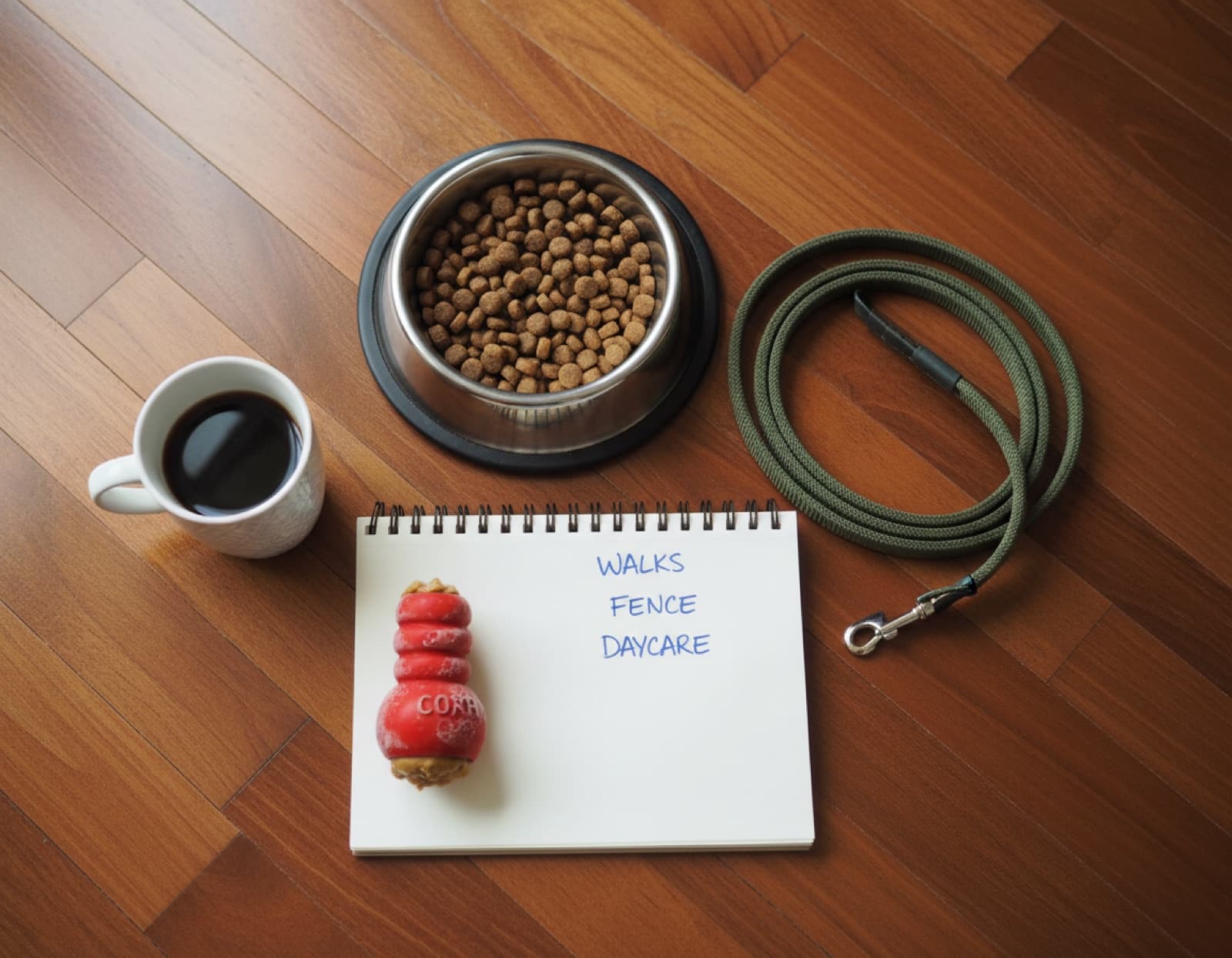
The Calgary Lifestyle Math
Calgary is unusually well-suited to Beagle ownership in some ways and challenging in others. The honest picture:
- Winter is the easier season: Beagles handle Calgary winters down to -15C comfortably with paw protection on salted sidewalks. Below -20C, walks shorten and the dog rests indoors. The short coat is fine for most of the season because the breed’s sturdy build holds heat well. Add a sweater or jacket for the coldest weeks if your individual dog feels the cold.
- Summer is the harder season: Calgary July and August above 25C demand a routine shift. Walks go to before 8 AM and after 8 PM. Midday is rest indoors. Above 28C, no hard exercise. Hot asphalt is a paw risk; test with the back of your hand for 5 seconds.
- Off-leash spaces are not realistic: Nose Hill, Fish Creek, Bowmont, and Edworthy are not safe for an off-leash Beagle. The only realistic Calgary off-leash option is the fenced section at Sue Higgins Park. Sniffspot rentals at $15 to $30 an hour are the better answer for solo off-leash time.
- Bow River pathway is a good long-line route: Long stretches with low foot traffic, good sight-lines, and a moderate scent environment. A 15 to 30 foot biothane long-line gives the dog freedom to explore safely.
- Rescue availability is moderate: Beagles are popular and surrender to rescue more often than people expect, often because the new owner did not understand the food drive, the scent drive, or the vocal nature. Calgary intake typically runs 3 to 8 Beagles a year across Calgary Humane Society, AARCS, BARCS, ARF Alberta, Cochrane Humane, Pawsitive Match, and Heaven Can Wait. Beagle Paws Edmonton is the Alberta breed-specific rescue worth following, though verify their current status and intake before applying.
- Calgary vet access is good: The city has plenty of practices comfortable with Beagle-specific issues (ears, weight management, occasional epilepsy or hypothyroidism workups). Specialty referral for serious cases goes to Western Veterinary Specialist Centre or VCA Canada West.
The “I Want One” Reality Check: Daily and Weekly Time
Most Beagle adoption regret comes from underestimating the routine care burden. The breed is not low-maintenance even though it looks low-maintenance. Run the actual numbers:
- Daily walks: 60 to 90 minutes total, split into 2 or 3 outings. On-leash or in a fenced yard. Add long-line route variety on weekends.
- Daily portion control: Measured meals, no free-feeding, treat budgeting. Weekly weigh-ins. Obesity is the single biggest preventable cause of shortened Beagle lifespan.
- Daily mental enrichment: 20 to 30 minutes of snuffle mats, scatter feeding, scent games, or short force-free training. Beagles need brain work even more than a marathon walk.
- Weekly ear cleaning: 5 to 10 minutes with a vet-recommended solution. Non-negotiable for the breed.
- Weekly brushing: Twice-weekly with a rubber curry or deshedding tool, 10 minutes per session. Coat blow weeks in spring and fall add a third session.
- Workday support: Daycare two or three days a week, or a midday dog walker, or a flexible work-from-home schedule on some days. Not optional for full-time-employed owners.
- Vet visits: Annual wellness, plus 2 to 4 ear-related visits a year for many Beagles. Senior dogs need more.
- Dog-proofing maintenance: Locked trash, baby gates, food off counters and tables, secure fence checks. Built into the home design once, then maintained for life.
Combined daily minimum, conservative: roughly 90 to 120 minutes of dog-focused time, every day, for the next 12 to 15 years. Plus the daycare or walker budget for workday owners. Compare honestly to the time and resources you have.
Browse adoptable Beagles in Calgary
Calgary Beagle intake runs 3 to 8 a year across the city, so foster-trial routes through rescues like Calgary Humane Society, AARCS, BARCS, ARF Alberta, and Pawsitive Match are the realistic adoption path. Set up rescue alerts and check the live inventory page regularly. Beagle mixes (Beagador, Puggle, Beaglier) come up more often than purebreds.
See Available Beagles →10-Question Self-Assessment
Answer honestly. If you answer “no” or “not sure” to more than two, the Beagle is probably not the right fit right now. That is useful information, not a judgment.
1. Will I accept that this dog lives on a leash or behind a fence for life?
Universal Beagle advice: never off-leash in unfenced spaces. If you wanted an off-leash hiking partner, the breed will frustrate you. Be honest with yourself before you adopt, not after.
2. Will baying and howling create a household or neighbour problem?
Apartment dwellers with thin walls, townhouse owners with shared walls, and households with a noise-sensitive partner need to factor this in honestly. Training can reduce frequency, but the breed is vocal by design, and Calgary’s Responsible Pet Ownership Bylaw covers persistent barking complaints.
3. Can I dog-proof aggressively and run measured-meal portion control?
Locked trash, baby gates, no food on counters or tables, measured meals, treat budgeting. The Beagle’s food drive is genuine and lifelong. Households that cannot make this commitment end up with an obese counter-surfing dog within a year.
4. Do I have a workday plan: work-from-home, daycare, or a midday walker?
Beagles are pack-bonded and do not cope well with full workdays alone. Build in daycare two or three days a week, a midday dog walker, or a flexible schedule. Rigid 9-5 alone without support is the most common Beagle surrender reason.
5. Can I commit to 60 to 90 minutes of daily exercise plus mental enrichment?
Two or three walks plus snuffle-mat or scent-game work, every day, for 12 to 15 years. Short potty walks do not cut it. Couch-only Beagles become destructive, vocal, and obese.
6. Am I willing to use force-free, positive-only training methods?
No alpha rolls, no leash pops, no e-collars. Beagles shut down or stubbornly disengage with harsh handling. Force-free trainers like Raising Canine and Pup City Pup Academy are the Calgary go-to.
7. Do I have a fenced yard, or will I commit to long-line walks?
A securely fenced yard is the gold standard. Check the fence for gaps and dig points; Beagles escape. Without a fenced yard, you need a 15 to 30 foot biothane long-line, a route plan, and time to walk it daily. Sniffspot rentals at $15 to $30 an hour fill the off-leash gap.
8. Can I budget for routine ear care and the elevated lifetime vet cost?
Chronic ear infections, weight-related visits, occasional epilepsy or hypothyroidism diagnoses, and senior care add up over 12 to 15 years. Pet insurance from a young age is often worth the math. If the budget is tight, the breed will outpace it.
9. Can I tolerate slow housetraining (6 to 12 months) without giving up?
Beagles are slower than most breeds to housetrain. Crate training, scheduled potty breaks, indoor potty options for Calgary winter cold snaps, and patience with regressions. Adopting an adult is the housetraining shortcut.
10. Am I ready for a 12 to 15 year commitment with patience as the daily currency?
Beagles reward consistent owners with a loyal cheerful companion for over a decade. The adolescent years are demanding; adults are wonderful; seniors are gold. If you find slow charming, the breed is wonderful. If you find slow infuriating, the breed will wear you down within a year.
Frequently Asked Questions
Are Beagles too mischievous for first-time owners?
Not too mischievous, but mischievous enough that first-time owners need to know what they are signing up for. Beagles steal food, dig under fences, raid the trash, and treat counters as a buffet line. None of this is bad behaviour; it is the breed working as designed. First-time owners who succeed in Calgary tend to dog-proof the home aggressively, use baby gates, lock the trash, and run a measured-food routine. If you find a clever escape artist endearing rather than maddening, a Beagle is a wonderful first dog. If you wanted a dog that ignores food on the counter, choose a different breed.
Can I have a Beagle if I work 9-5?
Maybe, but only with a mid-day plan. Beagles were bred to hunt in packs and have strong separation anxiety tendencies when left alone for a full workday. Most Calgary Beagles in 9-5 households need either a daycare two or three days a week, a dog walker for a 30 to 60 minute midday visit, or a flexible work-from-home schedule on some days. Without that support, you get vocal protest, destructive chewing, and possibly neighbour noise complaints. Beagle Paws and similar breed rescues will often decline applications from full-workday-alone households for this reason.
Do Beagles ever calm down?
Yes, around age 4 or 5. The puppy and adolescent years (months 4 through 36) are genuinely demanding: high energy, vocal, food-obsessed, and slow to housetrain. Most owners report a noticeable shift around year three when the dog settles into a calmer adult routine. By year five, the same dog that climbed the counters at 18 months is napping on the couch most of the day. Adult and senior Beagles from rescue arrive past this stage, which is one reason adopting an adult is often the smoother first-Beagle experience.
How many walks does a Beagle need per day?
Plan on 60 to 90 minutes of daily exercise split into two or three outings, plus mental enrichment. A typical Calgary Beagle routine is a 30 to 45 minute morning walk, a shorter midday potty break or yard time, and a 20 to 30 minute evening walk. Scent-work games at home (snuffle mats, scatter feeding, hide-and-find) count for mental tiring. Beagles who get less than this become destructive, vocal, and obese. Beagles who get more are happy. The breed handles cold well, so Calgary winter walks rarely shorten unless temperatures drop below -20C.
Are Beagles good with kids and other pets?
Generally excellent with kids 5 and up, and very good with other dogs. Beagles were bred to hunt in packs alongside other hounds and human handlers, so the dog-social temperament is built in. Most Beagles are gentle, patient, and tolerant with school-age kids. Toddlers need supervision because a food-driven Beagle may try to take food from a small hand. Cats are nuanced: Beagles raised with cats usually coexist, but the prey drive on small animals is real, so introducing a Beagle to a resident rabbit, hamster, or guinea pig is a poor fit.
Can a Beagle ever be off-leash in Calgary?
Effectively never in unfenced spaces. This is universal Beagle advice, not a personality quirk. The Beagle nose carries 220 million scent receptors, second only to the Bloodhound, and once a scent locks in, the dog will follow it through traffic, across fields, and over the horizon. Calgary off-leash spaces like Nose Hill and Fish Creek are not safe for an off-leash Beagle. The realistic options are a securely fenced yard, the fenced section at Sue Higgins Park, paid Sniffspot rentals at roughly $15 to $30 an hour, or long-line walks with a 15 to 30 foot biothane line (around $30 to $80). See our full scent-drive and escape-prevention guide for the gear and the routine.
How loud are Beagles really?
Loud enough to generate neighbour complaints in shared-wall housing. Beagles bay, bark, and howl. The bay is a deep, resonant hound sound that carries through condo walls, townhouse partitions, and across yards. Triggers include separation, doorbells, sirens, other dogs, food prep, and the smell of something interesting on the wind. Training can reduce frequency, but the breed is vocal by design. Apartment dwellers and townhouse owners with shared walls need to factor in neighbour tolerance honestly. Detached homes are fine; thin-wall condos are a poor fit.
How hard is housetraining a Beagle puppy?
Harder than most breeds. Six to twelve months to fully reliable housetraining is common, versus three to four months for a Lab or Golden. Beagles are slow to generalise the rule across rooms, weather, and routines. Crate training, scheduled 2-hour potty breaks for the first month, and patience with regressions are the standard approach. Calgary winter complicates the process because the dog will resist going out in -20C, so plan an indoor potty option for the coldest weeks. Force-free trainers like Raising Canine and Pup City Pup Academy run puppy classes that incorporate housetraining support.
How food-obsessed is a Beagle really?
Genuinely obsessed. Beagles share the POMC food-drive gene tendency with Labradors, which means the dog feels hungry most of the time and treats food as a primary motivator. The practical result is counter-surfing, trash raids, food theft from kids, and a tendency toward obesity if portions are not strictly controlled. Dog-proof the kitchen aggressively, lock the trash, never leave food on tables, and use measured meals with a slow-feeder bowl. The food drive is also a training advantage: high-value rewards work brilliantly. The dog will do almost anything for cheese.
Should I adopt a Beagle puppy, adult, or lab-rescue dog?
For most first-time Beagle owners, an adult between 3 and 7 years old is the safer pick. The rescue has evaluated how the dog does with kids, cats, other dogs, vets, alone time, grooming, and food handling. You match a known temperament to your home and skip the 6 to 12 month housetraining adventure. Puppies are the right pick only if you have time at home during weeks 8 to 16 for socialisation. Lab-rescue Beagles (dogs released from research labs) are a special category: extraordinarily rewarding adoptions, but they need experienced foster-trial support because they have never lived in a home. See our lab-rescue Beagle guide for the realities.
Do Beagles have a lot of health problems?
Fewer than many purebreds, but the ones that show up matter. Chronic ear infections recur in most Beagles because the long pendulous ears trap moisture. Epilepsy affects a small percentage and needs lifetime medication when it appears. Hypothyroidism, intervertebral disc disease, cherry eye, and Beagle Pain Syndrome (SRMA) show up at lower but meaningful rates. Musladin-Lueke Syndrome (MLS) is now DNA testable so responsible breeders screen for it. The breed is generally healthy and lives 12 to 15 years with lean body condition and routine vet care. See our full health-issues guide for the depth.
Sources and further reading
- National Beagle Club of America at nationalbeagleclub.org: breed standard, health screening recommendations, and ethical breeding guidelines.
- Canadian Kennel Club (CKC) at ckc.ca: breed group, registered breeders, and Canadian breed standards.
- American Kennel Club (AKC) at akc.org: Beagle breed page, temperament, lifespan, and breed history.
- Orthopedic Foundation for Animals: breed-specific screening recommendations for hips, eyes, and MLS DNA testing.
- Calgary Humane Society at calgaryhumane.ca: local adoption process and surrender support.
This article is informational only and not a substitute for veterinary, behavioural, or insurance advice. Consult a Calgary veterinarian, a force-free trainer, and a Beagle-experienced rescue for personalised guidance.
Related Beagle guides
Beagle Adoption Calgary →
Where to find a rescue Beagle in Calgary, real adoption costs, what reputable rescues assess, and the foster-trial route.
Beagle Scent Drive and Escape Prevention →
The leash-life routine, long-line gear, fence-proofing, and the force-free approach that actually works on a scent hound.
Beagle Health Issues Calgary →
Ear infection prevention, epilepsy and hypothyroidism, IVDD risk, cherry eye, MLS DNA testing, and pet insurance ROI.
Beagles for Adoption in Calgary →
Live listing of available Beagles and Beagle mixes across Calgary rescues when inventory exists.
New dog? Start with these care guides
Everything a new adopter needs to set up a safe, happy home.