The short answer
Rhodesian Ridgebacks are uncommon in Calgary rescues; mixes appear more often than purebreds. Apply at Calgary Humane Society, AARCS, Pawsitive Match, ARF Alberta, BARCS Rescue, and Cochrane Humane Society. Adoption fees commonly run $300 to $700. This is a large, powerful, high-energy hound that needs one to two hours of real exercise a day, and it is independent, strong-willed, and aloof with strangers, which makes it a demanding choice for a first-time owner. In an active, experienced home that commits to training and socialisation, a Ridgeback is a magnificent, loyal companion. Know the breed before the looks win you over.
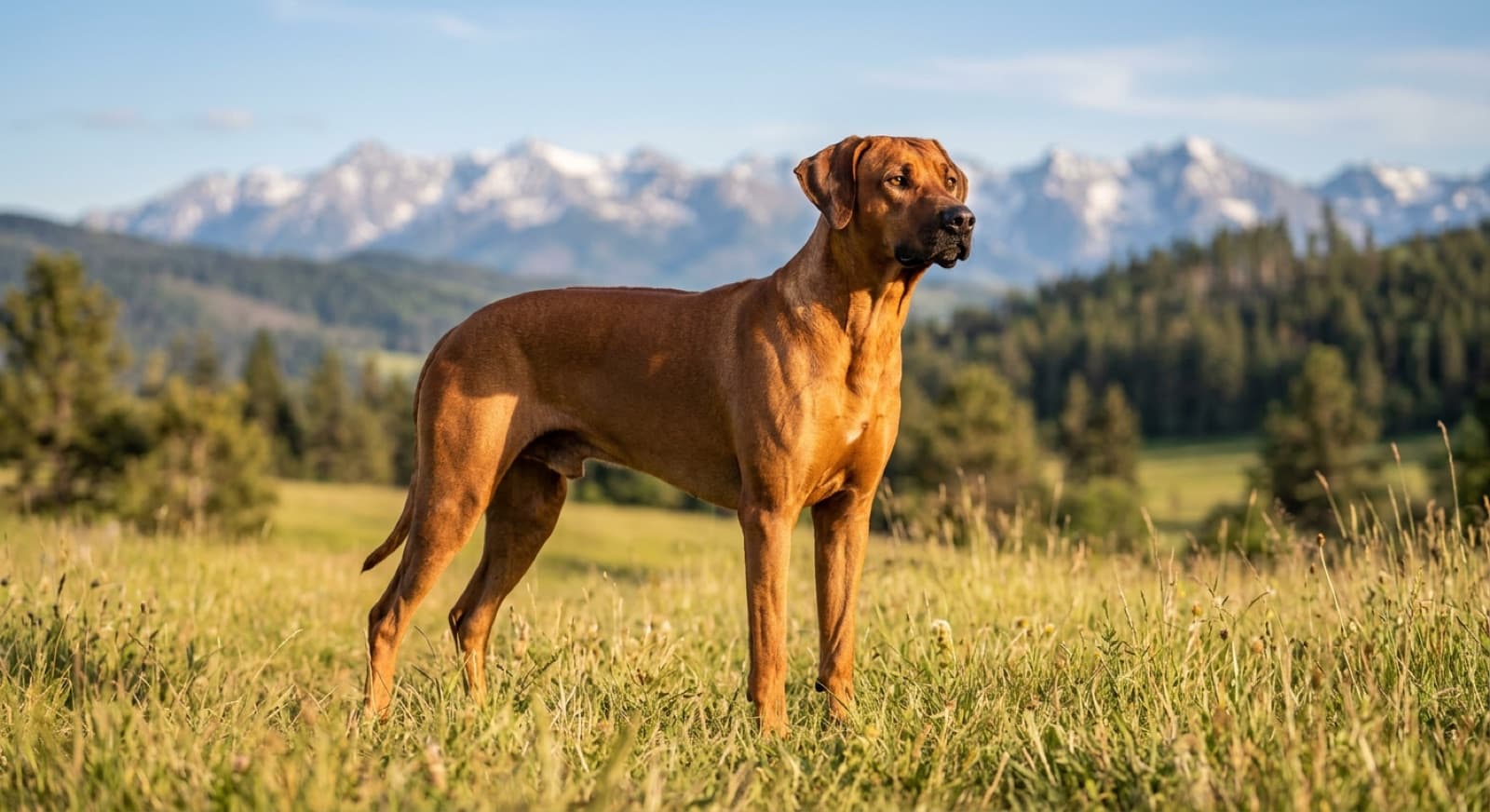
The Rhodesian Ridgeback is an all-purpose African hound whose hallmark is the ridge, a stripe of backward-growing hair down the spine. The breed earned its reputation tracking and baying lions in southern Africa (never killing them), and that history tells you what you need to know: this is an athletic, brave, independent dog, not a soft, biddable one. Ridgebacks make devoted family companions in the right home. This guide is about whether yours is the right home, and what it takes in Calgary to do the breed justice.
Where to adopt a Rhodesian Ridgeback in Calgary
Purebred Ridgebacks are not a common rescue dog in Calgary; you will see Ridgeback mixes more often than purebreds. The realistic path is to apply across several rescues at once and be ready to move when a large-hound listing appears.
- Calgary Humane Society: Calgary's largest shelter; occasional large-breed and hound-mix intakes.
- AARCS: foster-based, with structured behaviour evaluations that are especially useful for a strong-willed breed.
- Pawsitive Match: Calgary foster-based; broad intake including the occasional large hound.
- ARF Alberta: Calgary foster-based; medium-to-large dogs frequently.
- BARCS Rescue: Calgary foster-based; transports many medium-to-large dogs.
- Heaven Can Wait: Calgary-area rescue with broad intake.
- Cochrane Humane Society: Cochrane-based, serving the broader Calgary region.
- A national Ridgeback or large-breed rescue: breed clubs and rescues sometimes coordinate Alberta placements when a foster home and transport line up.
Set up notifications on the LocalPetFinder Rhodesian Ridgeback breed page, which aggregates listings across Calgary rescues.
What does a Rhodesian Ridgeback cost in Calgary?
Calgary rescue adoption fees commonly run $300 to $700, typically including spay or neuter, vaccinations, a microchip, and a basic vet exam. A responsible breeder's puppy runs roughly $1,500 to $3,000. Adopting an adult is far cheaper, and with a strong-willed breed it carries a real advantage: you can see the temperament and energy in front of you instead of gambling on a puppy.
Ongoing cost is a normal large-breed budget: quality food, prevention, and routine vet care. Two things worth planning for with this breed specifically are training (a few sessions with a good positive-reinforcement trainer pay for themselves with an independent dog) and a securely fenced yard, which matters more for a high-prey-drive hound than for an average dog.
Energy and temperament: the heart of the breed
This is where adopters most often misjudge the breed. A Ridgeback is athletic and high-energy, built to cover ground all day, and it needs one to two hours of genuine daily exercise: running, a long jog or bike alongside you, real activity. An under-exercised Ridgeback is a bored, powerful, destructive dog, and that is the most common road to a surrender.
Temperament is the other half. Ridgebacks are intelligent but independent and strong-willed, not eager-to-please like a retriever. They are typically devoted and affectionate with their family and aloof and dignified with strangers, a reserve that is normal for the breed and is not the same thing as aggression. What turns that natural aloofness into a stable, confident adult is early, thorough socialisation and consistent, positive, reward-based training through a long adolescence. This is why the breed suits an experienced, active owner and challenges a first-time one. A Ridgeback will happily out-stubborn an inconsistent handler.
Why Rhodesian Ridgebacks end up in rescue
The pattern is consistent, and it is rarely the dog's fault. People are drawn to the striking looks and the lion-hound mystique, then find themselves with a large, powerful, independent adolescent that needs far more exercise, training, and structure than they expected. The size and the strong will that are wonderful in the right home become overwhelming in the wrong one.
The upside is real. A Ridgeback that reaches an active, experienced home, one ready to exercise and train it properly, is loyal, dignified, funny, and deeply bonded. Adopting an adult whose temperament and energy you can already assess is the smart way into the breed, and it gives a misunderstood dog the informed home it needed.
Health traits to know
The breed-specific condition to be aware of is dermoid sinus, a skin defect along the spine that is linked to the ridge and that reputable breeders screen for. As a large, deep-chested breed, Ridgebacks can also be at risk of bloat (GDV), a stomach emergency, and like many big dogs they can have hip or elbow dysplasia, thyroid issues, and some neurological conditions. Their typical lifespan is about 10 to 12 years.
This is general information, not a diagnosis. Build a health plan with your Calgary vet, learn the signs of bloat (unproductive retching, a distended belly, restlessness, going straight to a 24-hour emergency vet), and remember that adopting an adult from a rescue that has done a vet workup surfaces many concerns before you ever commit.
Calgary climate and containment
The Ridgeback's short, sleek coat is built for African heat, not a Calgary January, so this is a dog that feels the cold and needs a warm coat on a deep-freeze day, plus the usual paw care against salt and ice. The bigger practical point is containment: a Ridgeback's prey drive means a squirrel or a rabbit can trigger a chase, so a securely fenced yard and a leash or long line in open areas are not optional. For safe off-leash running, favour fully fenced spaces; our Calgary off-leash parks guide flags which areas are enclosed, and our winter dog care guide covers keeping a short-coated dog exercised through the cold.
Browse Rhodesian Ridgebacks in Calgary
See current Rhodesian Ridgebacks and Ridgeback mixes across Calgary rescues in one place. Purebreds are uncommon, so set up notifications and apply to several rescues in parallel when one appears.
See Calgary Rhodesian Ridgebacks →Frequently Asked Questions
Where can I adopt a Rhodesian Ridgeback in Calgary?↓
How much does a Rhodesian Ridgeback cost to adopt in Calgary?↓
How much exercise does a Rhodesian Ridgeback need?↓
Are Rhodesian Ridgebacks good for first-time dog owners?↓
Are Rhodesian Ridgebacks aloof or aggressive with strangers?↓
Are Rhodesian Ridgebacks good with kids?↓
What health issues should I know about with a Rhodesian Ridgeback?↓
Continue reading
Live listings across Calgary rescues.
Fenced spaces for a high-prey-drive hound.
Keeping a short-coated African hound warm and active.
Settling a strong-willed new dog in, day by day.
New dog? Start with these care guides
Everything a new adopter needs to set up a safe, happy home.