The short answer
Boxers are a cardiac plus cancer defined breed. ARVC (Boxer cardiomyopathy) carries real sudden-death risk and needs annual 24-hour Holter monitor screening from age 3, a standard of care the American College of Veterinary Internal Medicine documents. Mast cell tumours are the breed-defining skin cancer (lifelong monthly skin checks are mandatory). Lymphoma and brain gliomas appear at elevated rates. Hips, cruciate tears, hypothyroidism, mild brachycephalic airway involvement, allergies, bloat, and Boxer-specific ulcerative colitis round out the picture. White Boxer puppies need a BAER hearing test. Enrol in pet insurance week one: every Canadian provider excludes pre-existing conditions, and the cancer plus cardiac stack makes insurance essentially mandatory.

The Boxer breed health picture, briefly
Boxers are one of the most distinctive breeds in veterinary medicine, with a health profile dominated by two themes: cardiac arrhythmia (ARVC, the Boxer-specific cardiomyopathy) and cancer (mast cell tumours, lymphoma, brain gliomas). Lifespan averages 10 to 12 years. Most Edmonton rescue Boxers arrive in functional health; the medical work is shaping the next decade with realistic cardiac and oncology expectations and a strong vet relationship.
The Boxer prioritisation list is heavy but well-mapped. ARVC dominates the cardiac picture (covered at depth below). Subaortic stenosis is the other breed-relevant cardiac concern. Mast cell tumours are the breed-defining cancer; lymphoma and brain gliomas appear at elevated rates. Hip dysplasia and cruciate ligament tears are the orthopaedic concerns. Hypothyroidism is common and frequently misread as behaviour. Boxers are mildly brachycephalic (less severe than Pugs or French Bulldogs but flatter than most breeds), with a subset needing surgical airway correction. Allergies and atopic dermatitis are common. Bloat is the deep-chested emergency. A Boxer-specific ulcerative colitis is documented in the breed. Cataracts and corneal ulcers fill out the eye picture. White Boxer puppies need BAER hearing testing.
The other reality every Edmonton Boxer owner should know: pet insurance enrolled in week one is the single highest-leverage health decision you make. The cardiac plus cancer stack produces unusually predictable lifetime spending. Every Canadian provider excludes pre-existing conditions, and skipping insurance is a valid choice only if you can self-insure $30,000 to $60,000 in lifetime out-of-pocket vet costs. The American Animal Hospital Association publishes general pet-insurance evaluation guidance that applies to Canadian providers.
Arrhythmogenic Right Ventricular Cardiomyopathy (ARVC): the breed-defining concern
ARVC is the cardiac reality that defines Boxer ownership. The right ventricular muscle progressively develops fibrofatty infiltration that disrupts electrical conduction, producing ventricular arrhythmias. The danger is sudden cardiac death from a fatal arrhythmia, often in a dog that looked perfectly healthy hours earlier. Many Boxer sudden deaths are first-presentation ARVC in dogs with no prior cardiac signs.
The three clinical categories of ARVC
ARVC presents in three categories that matter for screening and management. The concealed form has electrical abnormalities only (ventricular premature complexes on Holter) without clinical signs; the dog appears healthy. The overt arrhythmic form produces syncope or fainting episodes from runs of ventricular tachycardia. The myocardial-failure form layers congestive heart failure on top of arrhythmia and produces exercise intolerance, cough, and laboured breathing. The concealed form carries sudden-death risk despite the absence of clinical signs, which is why annual screening matters so much.
The Striatin SR1 genetic test
A Striatin gene mutation (SR1) has been associated with ARVC. A DNA test from a veterinary genetics lab costs $50 to $150 and is one-time. A positive result raises ARVC risk and prompts closer screening, but a negative result does not rule out the disease (the genetics are incomplete, and other contributing mutations are still being characterised). The practical use of the test is risk stratification, not diagnosis. Many Edmonton rescue Boxers come in with unknown genetic status; testing in month one is reasonable.
Annual cardiac screening protocol
The standard of care recommended by the American College of Veterinary Internal Medicine and Boxer breed organisations is annual screening from age 3 with two tests run together:
- 24-hour Holter monitor: a portable ECG that records every heartbeat for a full day. Catches ventricular premature complexes (VPCs) and runs of ventricular tachycardia that resting auscultation and short ECG strips miss. Edmonton Holter rental and analysis runs $300 to $500.
- Echocardiogram: ultrasound of the heart performed by a board-certified veterinary cardiologist. Identifies the myocardial-failure subtype of ARVC and rules in or out subaortic stenosis at the same visit. Edmonton echocardiogram runs $500 to $800.
- Specialty consultation: board-certified veterinary cardiologist interprets the studies, counts VPCs, and assigns a status (clear, concealed ARVC, overt arrhythmic, myocardial failure). Adds $150 to $300.
Total annual cost is roughly $1,000 to $1,600. This sounds expensive until you compare it to the alternative: a Boxer dropping dead from a fatal arrhythmia that screening would have caught. For rescue Boxers with unknown cardiac history, baseline screening in month one is reasonable regardless of age, then annual from age 3 onward.
Management of confirmed ARVC
Boxers with confirmed ARVC are commonly managed with sotalol or other antiarrhythmic medications under cardiology guidance, with dosing titrated to suppress VPCs on follow-up Holter. Omega-3 fatty acid supplementation is part of many protocols. Exercise is modified depending on arrhythmia burden and the presence of syncope. Dogs that progress to myocardial failure add diuretics, ACE inhibitors, and pimobendan to the protocol. Monthly medication costs for actively managed ARVC commonly run $80 to $250 plus periodic specialist rechecks. Quality of life with good management can be excellent for years; sudden death remains a possibility that is meaningfully reduced but not eliminated by treatment.
Subaortic stenosis (SAS): the congenital cardiac concern
Subaortic stenosis is a congenital narrowing of the outflow tract below the aortic valve. The narrowing obstructs blood flow from the left ventricle, and the heart compensates by thickening the left ventricular wall. Over time the thickened muscle predisposes to ventricular arrhythmias, exercise intolerance, syncope, and in severe cases sudden death. The condition is also recognised in Newfoundlands, Golden Retrievers, and Rottweilers.
Severity ranges from mild (often subclinical lifelong, minimal lifespan impact) to severe (significant lifespan impact even with management). Diagnosis starts with cardiac auscultation; an experienced vet hears a characteristic left-basilar systolic ejection murmur. Confirmatory diagnosis and grading are done by echocardiogram with Doppler at a cardiology practice. Mild cases need annual monitoring only. Moderate to severe cases benefit from beta-blocker therapy and strict exercise modification under cardiology guidance.
The practical case for an Edmonton Boxer puppy or young dog with any heart murmur: prompt echocardiogram before any anaesthetic event (including spay or neuter), so the anaesthesia plan accounts for the cardiac status. SAS dramatically changes the anaesthetic risk profile and the surgical team needs to know.
Mast cell tumours: the breed-defining cancer
Boxers have one of the highest documented mast cell tumour (MCT) rates of any breed. Veterinary oncology references commonly cite a lifetime risk that is several times the general dog population. MCT is the breed-defining skin cancer, and lifelong monthly skin checks are the most important habit a Boxer owner builds.
What MCT looks like
The challenge with MCT is that it can look like almost anything: a small bump, a wart, a hairless patch, a red raised lesion, sometimes one that fluctuates in size as mast cell degranulation causes local swelling (the so-called Darier sign). Every new skin lesion on a Boxer warrants a fine needle aspirate; the cytology takes minutes at a vet visit, costs $80 to $200, and changes the prognosis. Waiting and watching a lump on a Boxer is bad medicine.
Grading and staging
Once MCT is confirmed by aspirate, surgical excision provides the tumour for histopathology grading. Two grading systems are commonly used: the older Patnaik system (grades I, II, III) and the newer Kiupel system (low-grade or high-grade), which has better prognostic agreement between pathologists. Grade dictates treatment. Staging for higher-grade tumours adds regional lymph node aspirate, abdominal ultrasound (spleen and liver are common spread sites), and sometimes thoracic radiographs.
Treatment and cost
Treatment by grade:
- Grade I and low-grade II: usually cured by wide surgical excision with clean margins. Edmonton surgical excision runs $1,500 to $4,000 depending on size and location.
- High-grade II and grade III: surgical excision plus staging plus systemic therapy. Vinblastine plus prednisone is a common protocol; toceranib (Palladia) is used in some cases; radiation therapy is added when surgical margins are incomplete and re-excision is not possible. Chemotherapy or radiation protocols at an Edmonton specialty oncology practice run $5,000 to $12,000.
The American College of Veterinary Internal Medicine Oncology specialty board credentials veterinary oncologists. The American College of Veterinary Surgeons governs the surgical specialty board. For most Edmonton Boxer MCT cases, your general-practice vet does the aspirate, refers to a surgical specialist for wide excision on tricky locations, and refers to oncology for higher-grade staging and chemotherapy.
Browse adoptable Edmonton Boxers
Current Edmonton Boxer and Boxer-mix listings. Foster notes flag any documented cardiac, skin, or orthopaedic history. Plan a first-month vet workup that establishes the cardiac and skin baseline, sets the monthly skin-check habit, and routes you to a cardiology pathway before the dog turns 3.
See Available Boxers →Lymphoma and brain tumours (gliomas)
Beyond mast cell tumours, two other cancers appear at elevated rates in Boxers.
Lymphoma
Lymphoma most often presents as painless enlargement of peripheral lymph nodes (mandibular under the jaw, pre-scapular in front of the shoulder, popliteal behind the knee), sometimes with weight loss, lethargy, or appetite changes. Diagnosis is by fine needle aspirate of an enlarged node. Specialty practice adds flow cytometry and PCR for clonality to subtype B-cell versus T-cell disease. Subtyping matters because B-cell lymphoma typically responds well to chemotherapy with median survival around 12 to 14 months on standard CHOP protocols, while T-cell lymphoma carries a more guarded prognosis.
CHOP chemotherapy at an Edmonton specialty oncology practice runs roughly $5,000 to $15,000 depending on protocol length and complications. Most dogs tolerate chemotherapy better than humans do; veterinary protocols are tuned for quality of life rather than maximum tolerated dose. Palliative options (prednisone alone) extend life by a couple of months with minimal cost and may be the right choice for senior dogs or for families that cannot pursue chemotherapy. The decision is deeply personal; veterinary oncologists walk families through the options.
Brain tumours (gliomas)
Boxers are one of the breeds overrepresented in glioma literature. Onset is typically middle-aged to senior. Signs to recognise:
- New-onset seizures in a previously healthy adult Boxer (idiopathic epilepsy onset in mid-life is unusual; brain tumour is on the differential list)
- Behaviour changes: disorientation, circling, reduced engagement, unusual aggression or fear, head pressing against walls
- Gait abnormalities not explained by orthopaedic findings
- Vision changes, particularly unilateral
- Progressive decline that does not fit a metabolic or orthopaedic picture
MRI at a specialty practice is the diagnostic gold standard; Edmonton MRI runs roughly $1,800 to $3,000. Treatment options include surgical resection where the tumour location permits, radiation therapy, palliative care with anti-seizure medication and steroids, and supportive care. Prognosis varies widely by tumour type and location and is generally guarded for high-grade gliomas. The practical takeaway: any first seizure in a Boxer over age five warrants prompt vet evaluation and neurology referral rather than wait-and-see.
Hip dysplasia and cruciate ligament tears (orthopaedic)
Boxers are athletic working dogs, and orthopaedic injury is part of the breed picture even though it is less dominant than cancer or cardiac.
Hip dysplasia
Hip dysplasia has moderate prevalence in Boxers. Abnormal hip joint development progresses to arthritis with age. Signs include a bunny-hopping gait, reluctance to climb stairs or jump into vehicles, stiffness after rest, weight shifting away from the affected hip, and visible muscle wasting in the hindquarters. Diagnosis is by hip radiographs graded under the Orthopedic Foundation for Animals or PennHIP systems, typically $300 to $600 at an Edmonton clinic. Conservative management with lean body weight, joint supplements, hydrotherapy, and prescription anti-inflammatories defers or replaces surgery in most cases. Severe cases get femoral head ostectomy ($3,000 to $5,000) or total hip replacement ($7,000 to $10,000 per hip) at specialty practice.
Cruciate ligament tears
Cranial cruciate ligament rupture is common in Boxers, often presenting as acute hindlimb lameness during play or after a slip. Signs include sudden lameness with weight-bearing avoidance, palpable instability on careful exam (cranial drawer test), and progressive arthritis if untreated. Diagnosis is by physical exam and radiographs. Surgical correction with TPLO (tibial plateau levelling osteotomy) or TTA (tibial tuberosity advancement) at an Edmonton specialty practice runs $4,000 to $7,000 per knee. Bilateral cruciate disease is common (one side blows, the other follows within 12 to 18 months in many cases), so budget mentally for that possibility. Conservative management is an option for smaller dogs or partial tears but is less satisfactory in a 60-pound athletic Boxer. The American College of Veterinary Surgeons governs the surgical specialty board.
Hypothyroidism, mild BOAS, and allergies
Hypothyroidism
Hypothyroidism is common in Boxers and frequently misread as behaviour problems or normal ageing. Symptoms cluster around metabolism: weight gain despite stable diet, lethargy, reduced exercise tolerance, dull or thinning coat (often symmetrical hair loss on the flanks or tail), recurrent skin or ear infections, cold intolerance, and behaviour changes including increased anxiety, reduced sociability, or new-onset reactivity. The behaviour link is the most under-recognised piece; a middle-aged Boxer whose temperament shifts deserves a full thyroid panel before training adjustments.
Diagnosis is by full thyroid panel including TSH and free T4 by equilibrium dialysis. Baseline total T4 alone has limited diagnostic value. Treatment is daily levothyroxine at $25 to $50 per month plus periodic rechecks. Most hypothyroid Boxers recover normal energy, coat, and temperament within four to eight weeks of starting medication.
Brachycephalic Obstructive Airway Syndrome (BOAS)
Boxers are mildly brachycephalic. The breed has a shorter muzzle than most breeds but a longer muzzle than Pugs or French Bulldogs, which makes BOAS milder and less universal than in the flatter-faced brachycephalics. Many Boxers are functionally fine. A subset have meaningful airway involvement and benefit from surgical correction of stenotic nares, an elongated soft palate, or everted laryngeal saccules. Signs to recognise: noisy breathing at rest, excessive snoring, exercise intolerance disproportionate to fitness, heat intolerance, regurgitation or vomiting, and gum colour changes during exertion.
Workup at a specialty practice includes sedated airway exam and sometimes CT imaging. Surgical correction (typically stenotic nares plus soft palate resection, with everted saccule removal as needed) runs $2,500 to $5,500 at an Edmonton specialty practice. Done young, the surgery often dramatically improves quality of life and reduces emergency presentations. Any Boxer with documented BOAS needs strict heat caution and avoidance of intense midday exercise during Edmonton summer.
Allergies and atopic dermatitis
Atopic dermatitis is common in Boxers. The breed has a higher-than-average rate of environmental allergies, often presenting as recurrent ear infections, paw licking, face rubbing, and recurrent skin or skin-fold infections. Edmonton seasons drive allergy patterns: spring tree pollens, summer grass pollens, and indoor allergens (dust mites) during the long winter. Workup ranges from simple symptomatic management (medicated shampoos, anti-itch medications like oclacitinib or lokivetmab, dietary trials) up to formal allergy testing and immunotherapy at a veterinary dermatologist. Lifelong management is the norm; cure is rare. Plan for $500 to $2,500 per year on allergy management once a Boxer becomes symptomatic.
Bloat (GDV) and Boxer ulcerative colitis
Bloat (gastric dilatation-volvulus, GDV)
Gastric dilatation-volvulus is a life-threatening emergency where the stomach distends with gas and twists on its axis, cutting off blood supply. Without surgical correction within hours it is fatal. Boxers are deep-chested, placing them at elevated GDV risk (not the highest end of the breed risk spectrum, but real). Symptoms to recognise immediately:
- Visibly distended or hard abdomen, sometimes drum-tight to the touch
- Non-productive retching (tries to vomit but nothing comes up; this is the most reliable early sign)
- Restlessness or inability to settle, pacing
- Drooling and frothy saliva
- Pale gums (check by lifting the lip)
- Rapid shallow breathing that does not match the activity
- Progressive weakness or collapse
If you see any combination of these in a Boxer, drive directly to a 24-hour Edmonton emergency veterinary clinic without calling first. Bloat surgery typically runs $5,000 to $10,000 including post-op care; survival improves dramatically the earlier the dog arrives. Prophylactic gastropexy at the time of spay or neuter adds $400 to $800 and dramatically reduces lifetime GDV risk. Pre-save the contact info for at least one 24-hour Edmonton emergency vet before you need it.
Boxer ulcerative colitis (granulomatous colitis)
Boxer ulcerative colitis (more accurately histiocytic ulcerative colitis or granulomatous colitis) is a Boxer-specific inflammatory bowel disease associated with adherent and invasive E. coli colonising the colon mucosa. Onset is typically in young adult Boxers, often before age four. Signs include chronic large-bowel diarrhoea (often with fresh blood and mucus), increased frequency and urgency of defecation, weight loss, and persistence despite empirical treatment for parasites or simple inflammatory bowel disease. Diagnosis is by colonoscopy with biopsy at a specialty practice (often $2,500 to $4,500 including anaesthesia and pathology). Treatment with extended-course enrofloxacin (a fluoroquinolone antibiotic chosen for tissue penetration) produces dramatic and often durable remission in many cases. The condition is a true breed-specific entity worth knowing about: persistent bloody diarrhoea in a young Boxer that does not respond to standard treatment deserves colonoscopy rather than another round of empirical therapy.
Eye conditions and white Boxer deafness
Cataracts and corneal ulcers
Boxers have moderate rates of cataracts (lens opacity that progressively reduces vision) and elevated rates of corneal ulcers, including the slow-healing variant known as Boxer ulcer or SCCED (spontaneous chronic corneal epithelial defect). Cataracts in younger dogs may be hereditary; in older dogs they are usually age-related. Surgical correction with phacoemulsification at a veterinary ophthalmologist runs $3,500 to $5,500 per eye when vision restoration is the goal. Boxer SCCED corneal ulcers fail to heal with standard treatment and need a specific debridement procedure (diamond burr keratotomy or grid keratotomy) plus contact lens placement; treatment at a veterinary ophthalmologist runs $500 to $1,500. Any persistent eye redness, squinting, or visible cloudiness in a Boxer warrants prompt veterinary evaluation rather than over-the-counter eye drops. The American College of Veterinary Ophthalmologists credentials the specialists who handle complex cases; Edmonton has ophthalmology specialty access.
White Boxer congenital deafness
White Boxers are at elevated risk of congenital sensorineural deafness, the same pigment-related deafness pattern seen in Dalmatians and white Bull Terriers. Roughly 18 to 20 percent of white Boxers have unilateral or bilateral deafness in published veterinary literature, with bilateral deafness producing a profoundly deaf dog. The Brainstem Auditory Evoked Response (BAER) test is the only reliable way to confirm hearing status; behavioural testing in a puppy is unreliable. BAER is performed at a few specialty practices and the Western College of Veterinary Medicine in Saskatoon and costs roughly $200 to $400. A deaf Boxer is still a wonderful pet with hand-signal training and lifelong leash discipline, but knowing the status changes how you train and live with the dog. For any white Boxer without documented BAER status, schedule the test in month one.
Edmonton winter and summer: a short-coated, mildly brachycephalic breed
Boxers have short coats with low body fat, which produces real cold sensitivity that Edmonton winter exposes. The breed is also mildly brachycephalic, which reduces heat tolerance in Edmonton summer. Both seasons need accommodation.
Winter protocol
- Insulated winter coat (an actual insulated coat with chest and belly coverage, not a fashion vest) for any outing below freezing
- Booties for paw protection on salt, ice, and extreme cold
- Short outings in deep cold (-25C or colder); split exercise into multiple shorter outings rather than one long walk
- Indoor exercise programming (fetch in a hallway, treadmill work, scent games, structured training sessions) to make up the activity deficit
- Watch for shivering, lifted paws, reluctance to keep moving, and ear-tip frostbite risk in extreme cold
- Avoid leaving a Boxer outside unattended in winter, even in a yard
Summer protocol
Boxers tire and overheat faster than most breeds during intense activity. Exercise in the cool of the day (early morning, evening), avoid intense midday exertion on hot days, carry water on any outing, and watch for excessive panting, gum colour changes from pink to deep red or pale, weakness, and any wobble. A Boxer showing heat distress needs immediate shade, water, and active cooling (wet the belly and groin with cool water, not ice). Any Boxer with documented BOAS needs strict heat caution and a low threshold to skip a walk on a hot day.
The cardiac picture interacts with climate. Dogs with confirmed ARVC or SAS should not be doing high-intensity exercise in temperature extremes in either direction. Your cardiologist can advise on specific exercise modifications. Cold stress and heat stress both increase cardiovascular workload, and a Boxer in concealed ARVC has reduced reserve.
Edmonton specialty veterinary access reality
Edmonton has solid general-practice veterinary coverage for Boxers. For routine care (annual physical, vaccinations, dental, bloodwork, weight management), any reputable Edmonton clinic is a fine starting point. For Boxer-specific work, particularly cardiology and oncology, the picture is more nuanced.
Edmonton cardiology
Edmonton has board-certified veterinary cardiology capacity adequate for annual Boxer ARVC screening (Holter analysis, echocardiogram, specialist interpretation, SAS assessment). The cardiology network is smaller than Calgary's. For most cardiac screening and routine arrhythmia management, your general-practice vet refers locally and the workup happens here. For advanced procedures (pacemaker placement, electrophysiology studies, complex congenital cardiac surgery), some Edmonton owners drive to Calgary specialty centres or route to the WCVM in Saskatoon.
Edmonton oncology
Edmonton has veterinary oncology specialty access adequate for routine Boxer cancer workup and treatment (MCT staging and chemotherapy, lymphoma CHOP protocols, palliative care). For complex cases (advanced radiation therapy, clinical trial enrolment, unusual diagnoses), some Edmonton owners drive to Calgary specialty centres or route to the WCVM in Saskatoon. The earlier you connect with an oncologist for a higher-grade tumour, the better the treatment trajectory; aspirate cytology in primary care plus specialty referral within days, not weeks.
WCVM Saskatoon
The Western College of Veterinary Medicine at the University of Saskatchewan is the closest full veterinary teaching hospital, about five and a half hours each way from Edmonton. WCVM handles complex Boxer referrals beyond local capacity: difficult cardiac cases, advanced oncology including radiation, neurology and neurosurgery (relevant for brain tumour cases), unusual orthopaedic revisions, and rare-disease investigation. The University of Alberta does not have a veterinary school, which is why Saskatoon is the closest academic referral. Your general-practice or specialty vet initiates the referral.
Building your network in month one
The practical move when you adopt a Boxer: establish a primary Edmonton vet in the first month, ask specifically which cardiology and oncology specialists they refer Boxers to, and write the answers down. Pre-save at least one 24-hour Edmonton emergency clinic in your phone. Most Edmonton Boxers will need cardiology referral at some point in their lives, and a meaningful fraction will need oncology referral for an MCT. Knowing the pathway before you need it cuts friction out of the process.
Pet insurance for an Edmonton Boxer
Week-one pet insurance enrolment is the single highest-leverage health decision for any rescue Boxer. Every Canadian provider excludes pre-existing conditions, which means the day a vet documents anything (a skin lump, a heart murmur, an arrhythmia on auscultation, a slightly low T4, a mild limp), that condition becomes a permanent exclusion on any policy enrolled afterward. The clock starts the day you adopt.
The Boxer-specific value math is exceptionally strong because the catastrophic risks are unusually predictable:
- ARVC screening: $1,000 to $1,600 per year for annual Holter plus echo; antiarrhythmic medication for confirmed disease runs $80 to $250 per month
- Mast cell tumour: $1,500 to $4,000 surgical excision for low-grade; $5,000 to $12,000 for high-grade staging plus chemotherapy or radiation
- Lymphoma CHOP chemotherapy: $5,000 to $15,000
- Brain tumour MRI plus treatment: $5,000 to $15,000 or more depending on modality
- Bloat (GDV) emergency surgery: $5,000 to $10,000
- Hip dysplasia surgical correction: $5,000 to $12,000 per hip
- TPLO cruciate surgery: $4,000 to $7,000 per knee (often bilateral over time)
- BOAS surgical correction: $2,500 to $5,500
- Boxer ulcerative colitis workup and colonoscopy: $2,500 to $4,500
- Allergy management at the specialty dermatology end: $500 to $2,500 per year ongoing
A Boxer who develops a high-grade MCT plus later cruciate surgery can easily generate $20,000 to $35,000 in out-of-pocket costs across just a few years; a dog with ARVC plus lymphoma or a brain tumour reaches $40,000 to $60,000+ over a decade. A typical pet insurance policy for a young healthy Boxer in Edmonton runs $70 to $120 per month depending on deductible, reimbursement percentage, and coverage limits. Over the dog's lifetime, premiums total $12,000 to $20,000.
What to look for in a Boxer policy:
- Hereditary and congenital conditions explicitly covered (policies that exclude these are useless for a Boxer)
- Explicit oncology coverage with no separate cancer cap (some policies cap cancer separately, which is brutal for a Boxer)
- Annual coverage caps of $20,000 or more (cancer plus a single emergency surgery can exceed lower caps)
- Explicit coverage of cardiac conditions, including ongoing medication for arrhythmia management
- Coverage for diagnostic imaging including MRI (brain tumour workup depends on it)
- Reasonable wait times for cardiac and orthopaedic coverage (typically 14 to 30 days)
Compare three to four providers before enrolling. The American Animal Hospital Association publishes general guidance on pet insurance evaluation. Your Edmonton vet and your foster contact can both share which providers other Boxer adopters have used and what their claim experience has been.
Adoption health workup: what the rescue covers vs what you re-screen
Edmonton rescues do a baseline vet workup before adoption, but the depth varies by rescue and by individual dog. Understanding what is and is not covered helps you plan the first-month vet visit, which for a Boxer should explicitly establish cardiac, thyroid, and skin baselines.
What most Edmonton rescues cover
- Physical exam by a vet at intake including cardiac auscultation and skin assessment
- Core vaccinations (DAPP and rabies, sometimes Bordetella if boarded)
- Spay or neuter surgery
- Microchip implant and registration
- Deworming and flea and tick treatment
- Basic adult bloodwork (CBC and chemistry panel) in many cases
- Treatment of any acute concerns identified at intake
What is usually NOT covered (and what to plan for)
- Baseline 24-hour Holter monitor and echocardiogram (the core Boxer cardiac screen)
- Striatin SR1 genetic test
- Specialty cardiology consultation
- Full thyroid panel for dogs over two
- Fine needle aspirate cytology on existing skin lumps not flagged at intake
- BAER hearing test for white Boxers
- Hip and elbow radiographs (OFA or PennHIP grading)
- Sedated airway exam for suspected BOAS
- Ophthalmology consult with a board-certified veterinary ophthalmologist
Plan a first-month vet visit with your chosen Edmonton vet that establishes the Boxer baseline you can build on. The standard ask: a careful cardiac auscultation by a vet familiar with Boxer murmurs, a thorough skin survey with photo documentation of every lump or unusual spot, an orthopaedic exam, baseline thyroid panel, a frank conversation about the cardiology referral pathway, and a date on the calendar for baseline cardiology if the dog is 3 or older. If the rescue can share intake imaging, bloodwork, or vet notes, bring them.
For senior Boxers (eight years and up), the first-month workup is more involved: full senior bloodwork, urinalysis, baseline thyroid panel, careful cardiac auscultation with low threshold to refer for echocardiogram and Holter, dental evaluation, lymph node palpation, and a thorough lump check with aspirate cytology on any suspicious lesion. Budget $700 to $1,500 for the senior intake workup at an Edmonton clinic. The American Animal Hospital Association publishes senior-care guidelines that frame the visit.
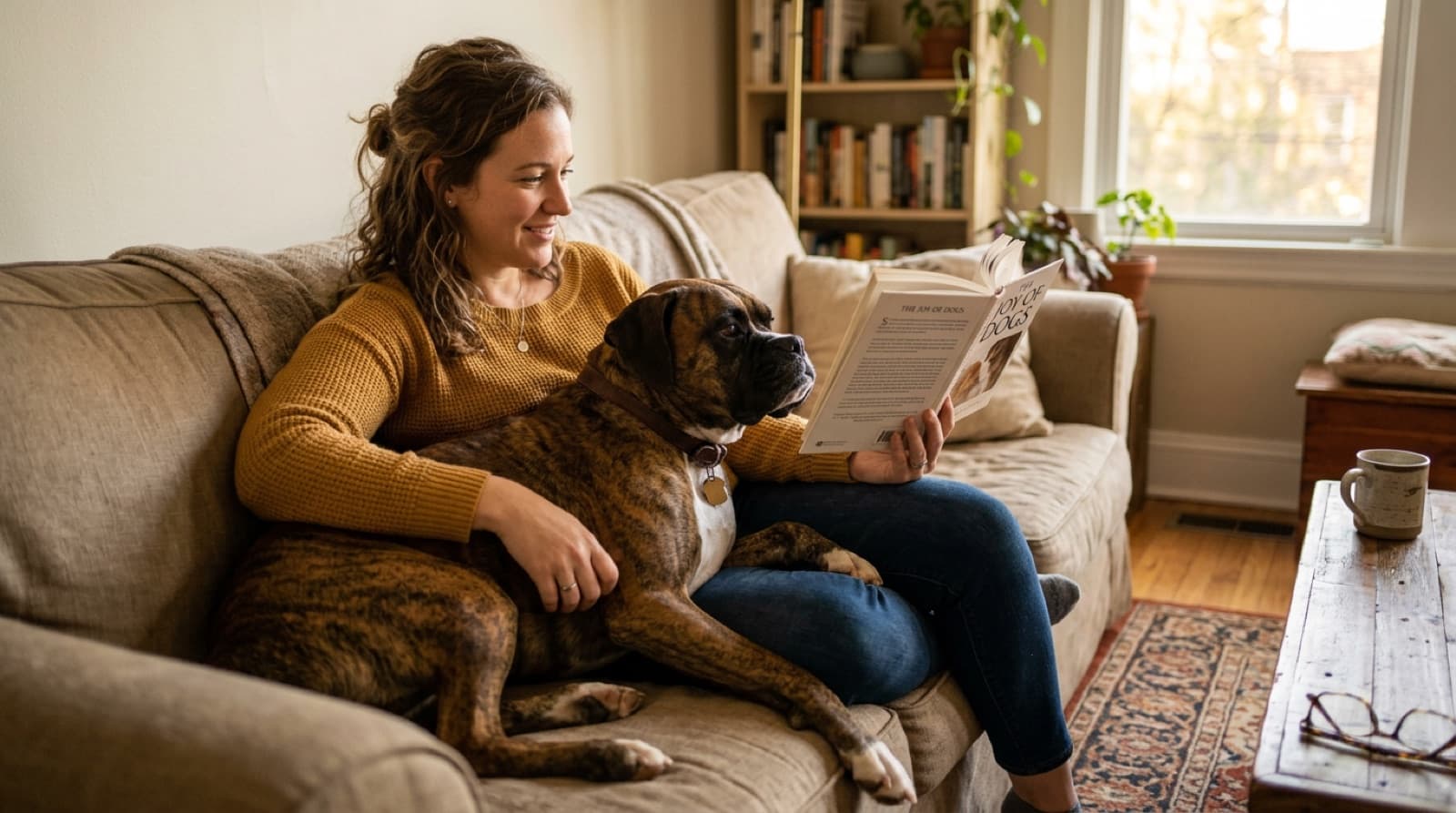
Senior Boxer health after age eight
Boxers are at the shorter end of medium-to-large-breed lifespan, typically reaching 10 to 12 years, so senior care begins in earnest around age seven to eight. The trade-off for adopting an older Boxer is shorter overall companionship in exchange for a calmer dog past the years-long Boxer adolescence. Many Edmonton rescue volunteers will tell you senior Boxer adoptions are among the most rewarding placements they see; the dogs bond deeply and settle into attentive homes with grace.
Reasonable senior-care adjustments, all guided by your Edmonton vet:
- Biannual vet exams instead of annual
- Full annual senior bloodwork including thyroid panel and urinalysis
- Annual cardiology rechecks (Holter and echocardiogram) regardless of prior status; ARVC can develop or progress in any year
- Annual ophthalmology check (cataracts and SCCED corneal ulcer risk both progress through these years)
- Routine dental care including professional cleanings every 18 to 24 months
- Joint support (glucosamine, chondroitin, omega-3) and prescription anti-inflammatories during arthritis flares
- Tight weight monitoring (overweight Boxers do worse on every front, especially the cardiac one)
- Aggressive lump monitoring (MCT, lymphoma, and lipomas all increase in frequency from middle age); aspirate cytology on every new lump rather than wait-and-see
- Mobility aids if needed: orthopaedic bed, traction rugs on hardwood, ramps for stairs and vehicles
- Climate comfort: a warm bed for Edmonton winter, a cool refuge for summer; senior dogs thermoregulate less efficiently and Boxers were already temperature-sensitive in both directions
Some Boxers develop canine cognitive dysfunction in their later years, with disorientation, anxiety, or sleep changes. Your vet can advise on management options ranging from environmental adjustments to prescription medications.
Pet insurance becomes harder and more expensive to obtain for first-time enrolment past age eight, and some providers will not enrol senior Boxers at all (particularly those with documented cardiac or cancer findings). If you adopt a senior Boxer, price-compare carefully and consider whether a dedicated savings account makes more sense than insurance. Talk through the math with your vet at the first visit, and discuss honest quality-of-life conversations early; for many senior Boxers, the choice is calm comfortable years rather than aggressive intervention.
Frequently asked questions
Where can I find a cardiologist for a Boxer near me in Edmonton?
Start with your general-practice Edmonton vet, who refers to local board-certified veterinary cardiologists for echocardiogram and 24-hour Holter monitor screening. Edmonton has a smaller cardiology specialty network than Calgary, but local capacity covers routine annual Boxer ARVC screening. For complex cases (advanced arrhythmia management, pacemaker placement, electrophysiology studies), some Edmonton owners drive to Calgary specialty centres or route to the Western College of Veterinary Medicine in Saskatoon. Establish a primary vet in month one, ask which cardiologist they refer Boxers to, and budget for annual cardiac screening from age three. The American College of Veterinary Internal Medicine Cardiology specialty board credentials these specialists.
What are the main Boxer health issues to know before adopting?
Boxers carry a distinctive health load dominated by cardiac and cancer concerns. In rough order of practical importance: Arrhythmogenic Right Ventricular Cardiomyopathy (ARVC, the breed-specific cardiomyopathy carrying sudden-death risk); subaortic stenosis (congenital cardiac); mast cell tumours (the breed-defining skin cancer with elevated lifetime risk); lymphoma; brain tumours (gliomas, with Boxer overrepresentation); hip dysplasia; cruciate ligament tears; hypothyroidism; mild brachycephalic airway syndrome; allergies and atopic dermatitis; gastric dilatation-volvulus (bloat) from deep-chested anatomy; Boxer ulcerative colitis (a breed-specific GI disease); cataracts and corneal ulcers; and congenital deafness in white Boxers (BAER test recommended). Week-one pet insurance is essentially mandatory because the cancer and cardiac risks are unusually predictable.
What is ARVC (Boxer cardiomyopathy)?
Arrhythmogenic Right Ventricular Cardiomyopathy is the Boxer-specific form of cardiomyopathy. The right ventricular muscle progressively develops fibrofatty infiltration that disrupts electrical conduction and produces ventricular arrhythmias. The danger is sudden cardiac death from a fatal arrhythmia, often in a dog that looked perfectly healthy hours earlier. ARVC has three clinical categories: concealed (electrical abnormalities only, no clinical signs), overt arrhythmic (syncope or fainting episodes), and myocardial failure (congestive heart failure on top of arrhythmia). A Striatin gene mutation (SR1) is associated with the disease; a DNA test from a veterinary genetics lab identifies carriers and at-risk dogs. The 24-hour Holter monitor is the diagnostic gold standard because resting auscultation and even short ECG strips often miss the arrhythmias. Annual cardiac screening from age 3 is the standard of care that the American College of Veterinary Internal Medicine and Boxer breed organisations recommend.
How is ARVC screened and managed in Boxers?
Standard annual screening combines a 24-hour Holter monitor with an echocardiogram and a Striatin SR1 genetic test (the genetic test is one-time). The Holter counts ventricular premature complexes (VPCs) across the day; literature uses thresholds such as more than 100 VPCs per 24 hours raising suspicion and more than 300 to 1,000 VPCs increasing confidence of ARVC. Echocardiogram assesses chamber size and contractility to identify the myocardial-failure subtype. Edmonton Holter rental and analysis runs roughly $300 to $500; echocardiogram runs $500 to $800; specialist interpretation adds $150 to $300; total annual cost lands around $1,000 to $1,600. Management of confirmed ARVC commonly involves sotalol or other antiarrhythmics, omega-3 supplementation, and exercise modification under cardiology guidance. Genetic-test positive dogs need closer monitoring even if their Holter is currently quiet. The disease can progress unpredictably, which is why annual rescreening matters.
What is subaortic stenosis (SAS) in Boxers?
Subaortic stenosis is a congenital narrowing of the outflow tract below the aortic valve that obstructs blood flow from the left ventricle. The heart compensates by thickening the left ventricular wall, which over time predisposes to arrhythmias, exercise intolerance, syncope, and sudden death. Severity ranges from mild (often subclinical lifelong) to severe (significant lifespan impact). The condition is also recognised in Newfoundlands, Golden Retrievers, and Rottweilers. Diagnosis starts with cardiac auscultation; an experienced vet hears a left-basilar systolic murmur. Echocardiogram with Doppler is confirmatory and grades severity. Mild cases need annual monitoring only. Moderate to severe cases benefit from beta-blocker therapy and strict exercise modification under cardiology guidance. The case for an Edmonton Boxer puppy or young dog with any heart murmur is the same: prompt echocardiogram before any anaesthetic event (including spay or neuter) so the anaesthesia plan accounts for the cardiac status.
How common are mast cell tumours in Boxers, and how are they treated?
Boxers have one of the highest documented mast cell tumour rates of any breed; veterinary oncology references commonly cite a lifetime risk that is several times the general dog population. Mast cell tumours can look like almost anything on the skin: a small bump, a wart, a hairless patch, a red raised lesion, sometimes one that fluctuates in size as mast cell degranulation causes local swelling. Every new skin lesion on a Boxer gets a fine needle aspirate; the cytology takes minutes and changes the prognosis. Treatment depends on grade and stage. Grade I and low-grade II tumours are usually cured by wide surgical excision with clean margins. High-grade II and grade III tumours need surgical excision plus staging (lymph node aspirate, abdominal ultrasound, sometimes thoracic radiographs) and often chemotherapy or radiation. Surgical excision at an Edmonton clinic runs $1,500 to $4,000 depending on size and location; staging adds $1,000 to $2,500; chemotherapy or radiation protocols at a specialty oncology practice run $5,000 to $12,000. Lifelong monthly skin checks are the most important habit a Boxer owner builds; early excision saves dogs.
How serious is lymphoma in Boxers, and what does treatment cost?
Lymphoma is one of the more common cancers in Boxers and most often presents as painless enlargement of peripheral lymph nodes (mandibular, pre-scapular, popliteal), sometimes with weight loss, lethargy, or appetite changes. Diagnosis is by fine needle aspirate of an enlarged node, with flow cytometry and PCR for clonality used at specialty practice to subtype B-cell versus T-cell disease. Subtyping matters because B-cell lymphoma typically responds well to chemotherapy with median survival around 12 to 14 months on standard CHOP protocols, while T-cell lymphoma carries a more guarded prognosis. CHOP chemotherapy at an Edmonton specialty oncology practice runs roughly $5,000 to $15,000 depending on protocol length and complications. Palliative options (prednisone alone) extend life by a couple of months with minimal cost. The decision is deeply personal; veterinary oncologists at Edmonton specialty practices and the WCVM in Saskatoon walk families through the options. Pet insurance enrolled before any lymph node enlargement is documented covers the bulk of treatment cost.
Why are Boxers prone to brain tumours, and what should I watch for?
Boxers are one of the breeds overrepresented in glioma (a type of brain tumour) literature; the exact mechanism is not fully understood but the pattern is consistent across veterinary neurology references. Onset is typically middle-aged to senior. Signs to recognise: new-onset seizures in a previously healthy adult Boxer, behaviour changes (disorientation, circling, reduced engagement, unusual aggression or fear), gait abnormalities, vision changes, or head pressing against walls. MRI at a specialty practice is the diagnostic gold standard; Edmonton MRI runs roughly $1,800 to $3,000. Treatment options include surgical resection where the tumour location permits, radiation therapy, palliative care with anti-seizure medication and steroids, and decision-based supportive care. Prognosis varies widely by tumour type and location and is generally guarded for high-grade gliomas. The practical takeaway: any first seizure in a Boxer over age five warrants prompt vet evaluation and neurology referral rather than wait-and-see. Idiopathic epilepsy onset in mid-life is unusual; brain tumour is on the differential list.
Should I get pet insurance for an Edmonton rescue Boxer?
Yes, and enrol in week one. The Boxer math is exceptionally strong because the catastrophic risks are predictable: mast cell tumour lifetime risk is elevated (a single high-grade MCT workup runs $5,000 to $12,000 including chemotherapy); ARVC management runs $1,000 to $1,600 annually for screening plus medication costs once diagnosed; lymphoma treatment $5,000 to $15,000; brain tumour MRI and treatment $5,000 to $15,000+; bloat surgery $5,000 to $10,000. Every Canadian provider excludes pre-existing conditions and the clock starts the day you adopt. A skin lump documented at intake, a heart murmur on auscultation, or a low T4 becomes a permanent exclusion. Monthly premiums for a young healthy Boxer in Edmonton typically run $70 to $120 depending on deductible and reimbursement percentage. Look for explicit hereditary and congenital coverage, annual caps of $20,000 or more (cancer plus a single emergency event can exceed lower caps), explicit oncology coverage (some policies cap oncology separately), and reasonable wait times for cardiac and cancer coverage.
Why does a white Boxer puppy need a BAER test?
White Boxers are at elevated risk of congenital sensorineural deafness, the same pigment-related deafness pattern seen in Dalmatians and white Bull Terriers. Roughly 18 to 20 percent of white Boxers have unilateral or bilateral deafness in the published veterinary literature, with bilateral deafness producing a profoundly deaf dog. The Brainstem Auditory Evoked Response (BAER) test is the only reliable way to confirm hearing status; behavioural testing in a puppy is unreliable. BAER is performed at a few specialty practices and the WCVM in Saskatoon and costs roughly $200 to $400. A deaf Boxer is still a wonderful pet with hand-signal training and lifelong leash discipline, but knowing the status changes how you train and live with the dog. Many Boxer breed-rescue organisations BAER-test white puppies before adoption; ask your rescue whether the result is on file. For any white Boxer without documented status, schedule a BAER test in month one.
Do Boxers handle Edmonton winter and summer?
Both seasons need accommodation. Boxers are short-coated with low body fat, which produces real cold sensitivity that Edmonton winter exposes. Plan an insulated dog coat below freezing, booties on salted paths, shorter outings in deep cold, and indoor exercise programming to make up the activity deficit. Watch for shivering, lifted paws, and ear-tip frostbite risk in extreme cold. The summer side matters too: Boxers are mildly brachycephalic (shorter muzzle than a Pug or French Bulldog but flatter than most breeds), which reduces heat tolerance. Exercise in the cool of the day during Edmonton summer heat, watch for excessive panting and gum colour changes, and avoid intense midday activity on hot days. A Boxer with any documented airway involvement (BOAS, even mild) needs strict heat caution. The cardiac picture interacts with climate too: dogs with documented ARVC or SAS should not be doing high-intensity exercise in temperature extremes, summer or winter.
Related Edmonton Boxer guides
Edmonton Adoptable Dogs
Current Edmonton-area Boxer and Boxer-mix listings from SCARS, Zoe's, EHS, GEARS, Hope Lives Here, AHHRB, and AARCS Edmonton fosters.
Boxer Adoption Edmonton
Rescue sources, real adoption costs, Boxer vs Boxer-mix availability, surrender patterns, and the breed-vs-buy reframe for Edmonton adopters.
Boxer Cancer Awareness Edmonton
Lifelong skin-check routine, lump cytology pathway, oncology referral patterns, and the practical case for early aspirate on every new lesion.
Boxer Adolescence & Training Edmonton
The years-long Boxer adolescence, force-free training pathway, bounce-and-mouth management, and the experienced-handler reality of a young Boxer.
Find your Edmonton rescue Boxer
Browse current Edmonton-area Boxer and Boxer-mix listings. Foster temperament notes help you flag any documented cardiac, skin, or orthopaedic history before you apply, and your first-month vet workup builds the cardiac, thyroid, and skin baseline.
Browse All Edmonton Dogs →New dog? Start with these care guides
Everything a new adopter needs to set up a safe, happy home.