

Get notified when a Tabby is listed
We will email you the moment a Tabby becomes available in British Columbia, from a rescue or an owner rehoming.
Adopting a tabby in British Columbia
Tabby is a coat pattern, not a breed. A tabby can be any temperament, any size, and any pedigree, because the striped or whorled marking that gives them their name appears across nearly every cat lineage. The practical effect for adopters is that tabbies are abundant in BC rescue, and they cover the full range of personality.
This page lists every adoptable tabby and tabby-pattern cat across the BC rescues we cover, refreshed regularly. The pattern is common, so search by temperament rather than by colour.
Pattern, not breed
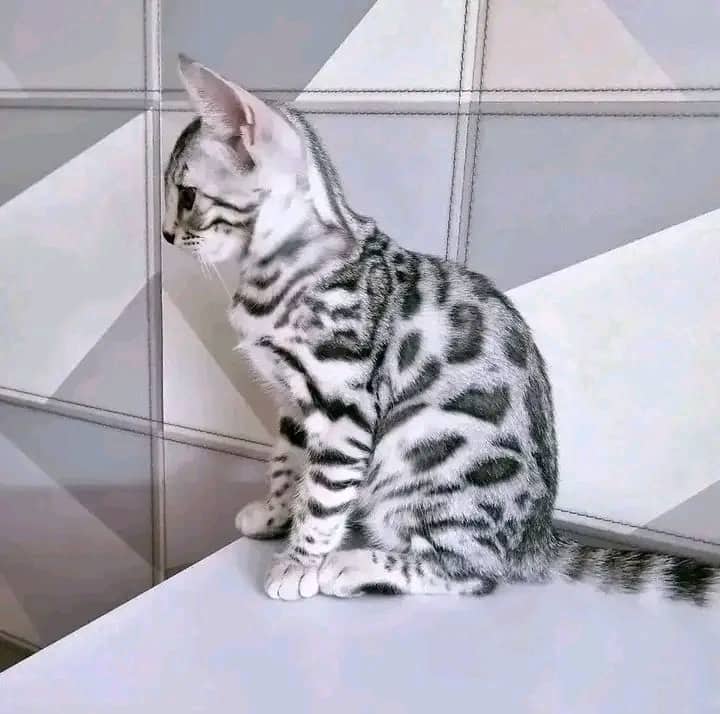
Every domestic cat carries the tabby gene. In most modern breeds it is masked by selective breeding for solid colours or specific patterns, but in mixed-ancestry domestic shorthairs and longhairs the tabby pattern shows up constantly. There are four main variants: classic (the swirled, marbled pattern), mackerel (the narrow vertical stripes), spotted (broken stripes that look like dots), and ticked (each hair banded but no visible stripes overall).
The forehead M-shape is the give-away mark of a tabby and shows up regardless of which variant the cat has. Black, grey, brown, orange, cream, and silver tabbies are all common in BC rescue. Orange tabbies skew male; most calicos and tortoiseshells are tabbies underneath their colour pattern.
Personality varies, profile matters
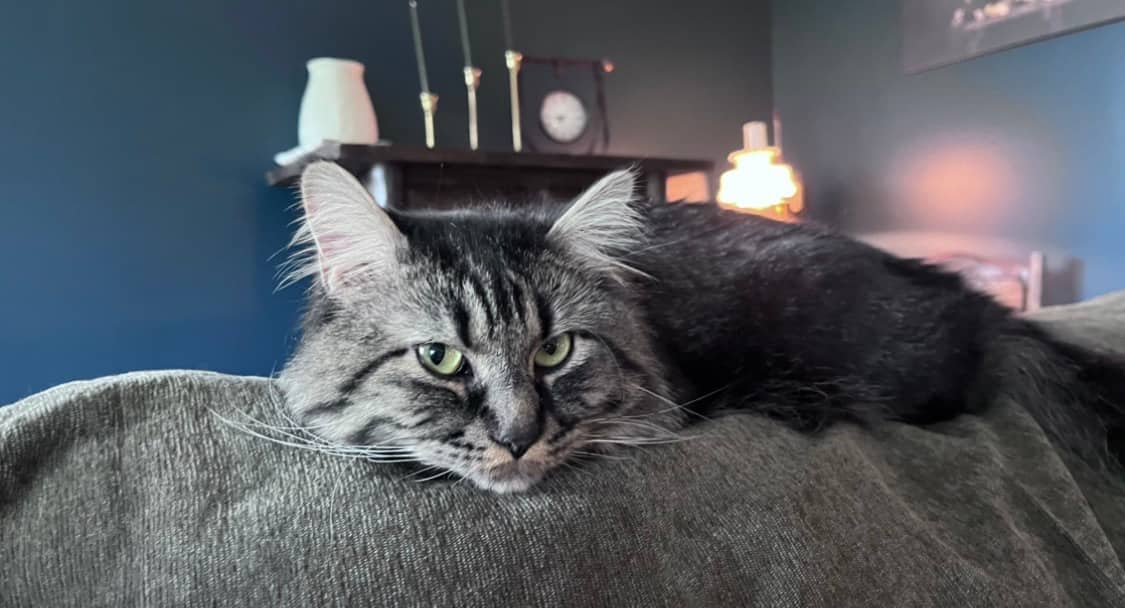
Because tabby is a pattern, not a breed, the temperament is determined by the individual cat, not the coat. An orange tabby can be the lap-cuddler stereotype suggests or a reserved cat who watches from a shelf. A brown classic tabby can be a vocal Maine Coon mix or a quiet domestic shorthair. The foster home's notes on each cat are the best guide; read them carefully.
Health and care
Tabbies, as mixed-ancestry domestic cats, inherit the broad gene pool that makes domestic shorthairs and longhairs so healthy. There are no pattern-specific health issues, and most live 15 to 20 years with good indoor care. Watch the weight; many indoor cats overeat and become diabetes risks. Annual vet visits, dental care, and portion control matter.
What tabby cats are actually like to live with
Because the pattern says nothing about personality, plan around the individual cat. Some general patterns:
- Wide temperament range. Tabbies cover the full spectrum from clingy lap cat to independent loner.
- Sturdy and adaptable. Mixed-ancestry tabbies adjust to new homes well.
- Easy coats. Shorthair tabbies are low-maintenance; longhair tabbies need weekly brushing.
- Long-lived. Mixed-ancestry domestic cats often reach their late teens with routine care.
- Good with families. Most tabbies are tolerant of children, calm dogs, and other cats.
- Watch the weight. Easy keepers; portion meals and keep them moving.
- Indoor-only. As with every rescue cat in BC, indoor only.
What the fee usually covers
Tabby adoption fees at BC rescues sit in the same range as other rescue cats. The fee covers spay or neuter, core vaccinations, microchip, deworming, and a vet check before placement. Confirm the exact figure on the cat's listing.
How to actually search
Filter above by age and compatibility, and read foster profiles for temperament rather than colour. A tabby cat that fits your home is easy to find in BC rescue at any time of year.
Looking more broadly? Browse every adoptable cat across the province on Cat Adoption British Columbia.
The rescues that most often list Tabbies across the province are BC SPCA, VOKRA, Heart and Soul Dog and Cat Rescue, and Broken Promises Rescue Society.
Tabby Adoption FAQ — British Columbia
Tap a question to expand
How many Tabbies are available for adoption in British Columbia?▼
Where can I find tabby cat adoption near me in British Columbia?▼
Is tabby a breed?▼
Are orange tabbies always male?▼
Do tabbies have a specific personality?▼
How long do tabby cats live?▼
How much does it cost to adopt a tabby in British Columbia?▼
Is LocalPetFinder a tabby cat rescue?▼
Popular cat breeds in British Columbia
Tabby adoption by city in British Columbia
Each city page lists only the tabbies available from rescues serving that city.