Showing 15 dogs
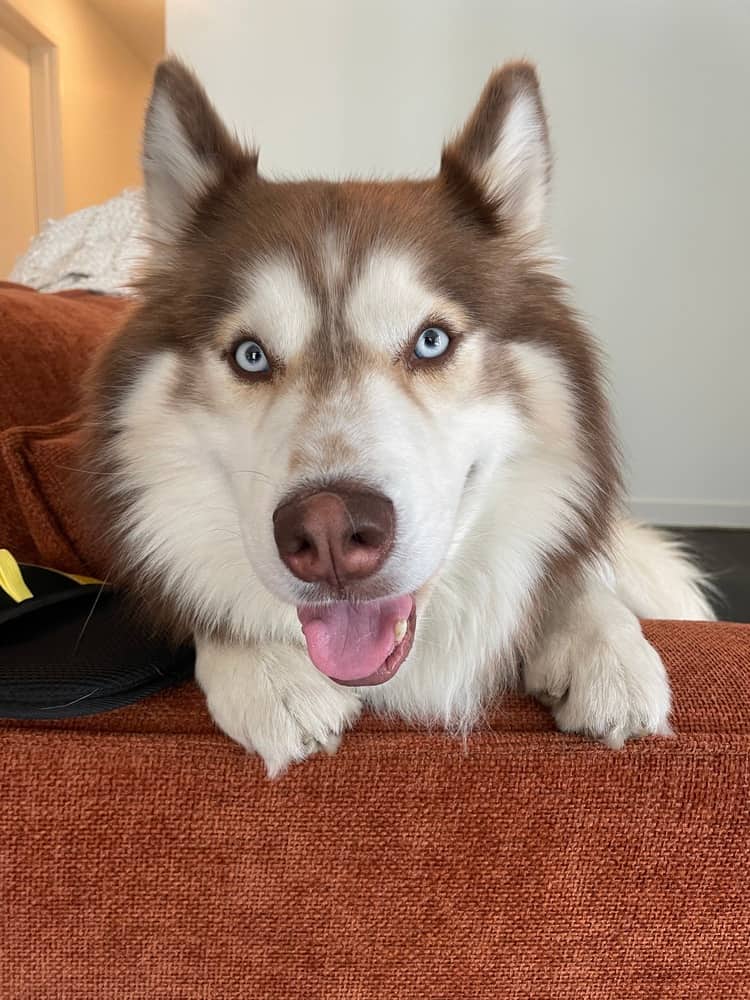
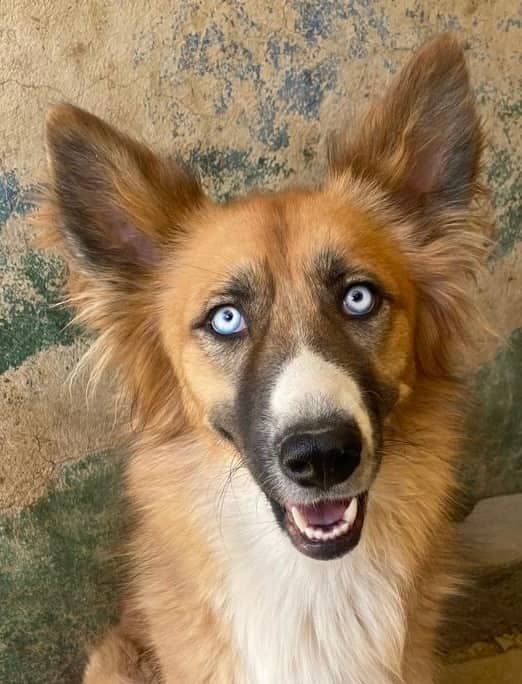
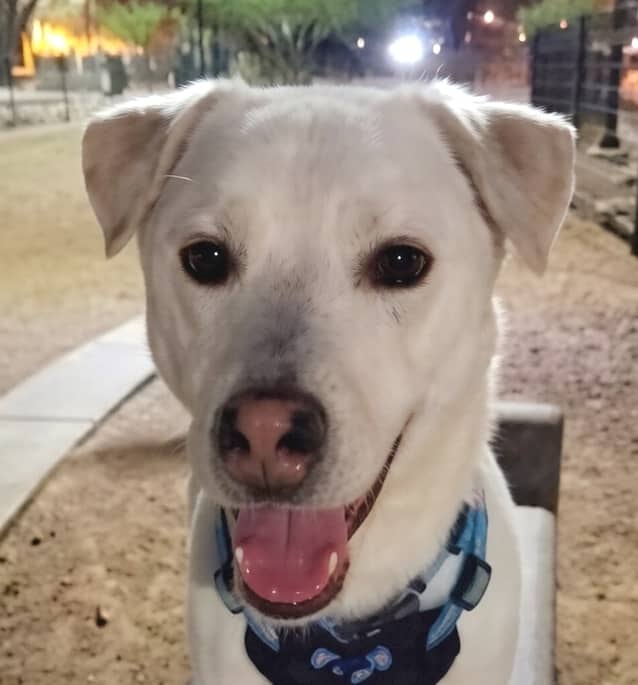
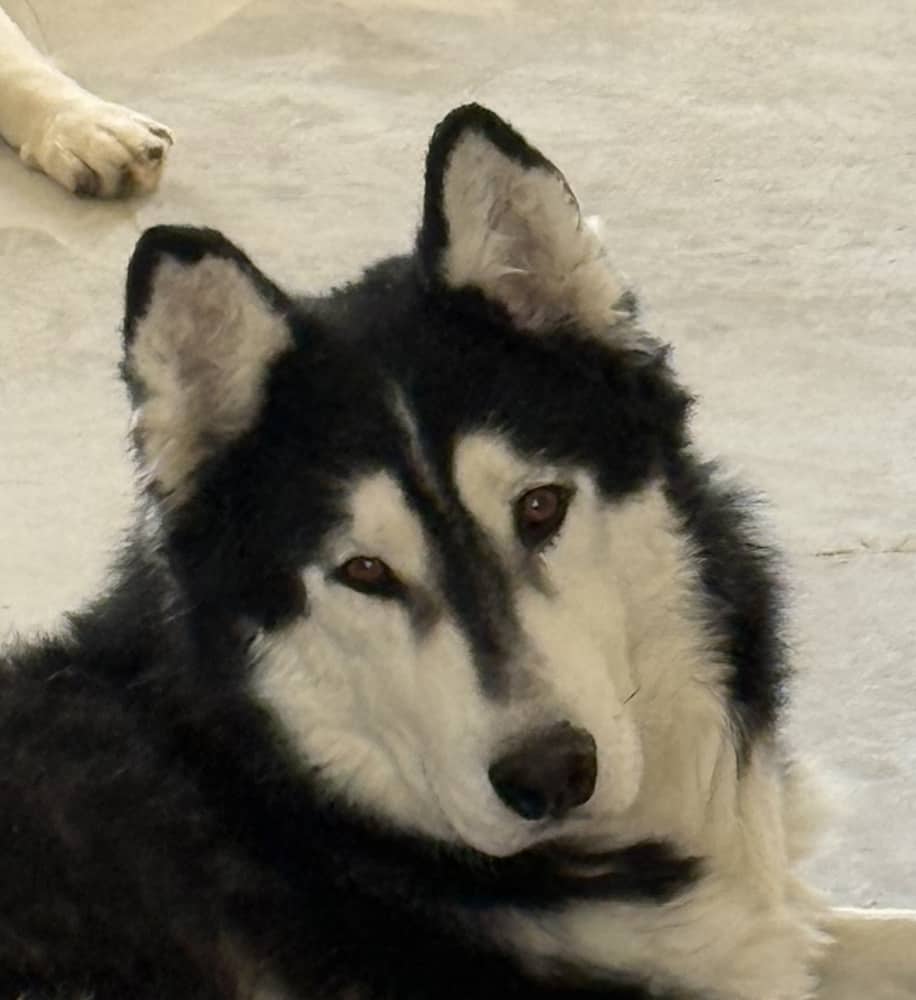
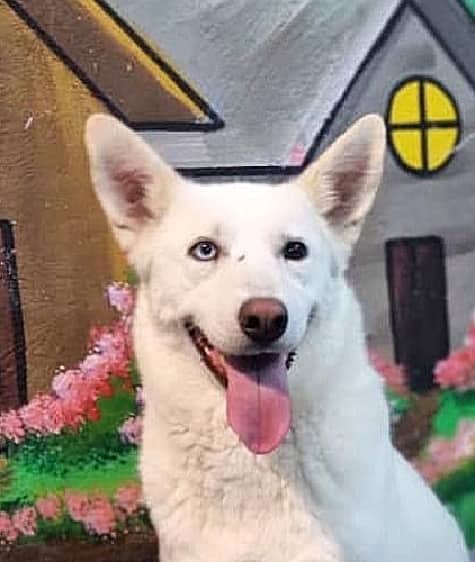
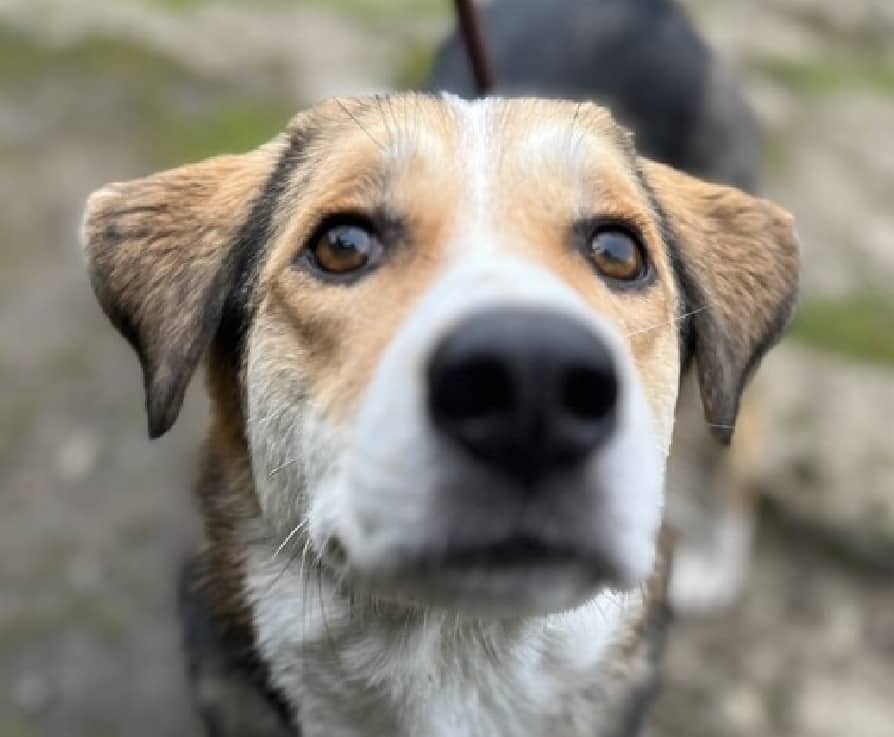
Huskys in Vancouver, right now
We're currently tracking 15 adoptable Huskies in the Lower Mainland, listed by 2 rescues including BC SPCA and Loved at Last Dog Rescue. Listings update regularly, and most Huskys in Vancouver get adopted within days of being posted — if one catches your eye, reach out fast.
Adopting a Husky in Vancouver
Huskies turn up in nearly every Metro Vancouver rescue we follow. BC SPCA Vancouver on East 7th sees them most months of the year, RAPS in Richmond carries Husky and Husky-cross dogs through the no-kill shelter regularly, and the foster-based rescues across Langley, Surrey, and Burnaby take in more than the public realises. They are one of the most common large-breed surrenders in the region.
This page pulls every adoptable Husky from the launched Lower Mainland shelters into one searchable place, refreshed regularly. A serious Husky adopter should search Metro-wide, not by neighbourhood. Most rescues will arrange a meet at the foster home regardless of whether you live downtown, in East Van, on the North Shore, or out in Maple Ridge.
Why Huskies cycle through Vancouver rescue
Two patterns drive most Husky surrenders in Metro Vancouver. The first is housing. Vancouver has the tightest condo and strata pet rules in Canada. A 25 to 30 lb weight limit is common, and a Husky at 45 to 60 lbs is over that line in most buildings. Renters who get notice from a strata council, or move to a new building with stricter rules, sometimes have to choose between the dog and the home. Heart and Soul, Loved at Last, and the BC SPCA hear this story constantly.
The second is the breed itself. A Husky needs real daily exercise, escapes from confinement, has serious prey drive, and vocalises. The buyer who picked up a fluffy puppy in West Van or Coquitlam without planning for any of that often surrenders within 18 months. The typical Husky in Vancouver rescue is not a damaged dog. It is a normal dog whose first home was the wrong fit, often a downtown condo or a townhouse with shared walls.
A double coat on the rain coast
Huskies are built for hard winter, and Metro Vancouver is the wrong climate for that coat. Coastal winters here rarely drop below freezing for long, and a Husky walking Pacific Spirit Regional Park or Stanley Park in February is carrying a parka it does not need. The bigger day-to-day problem is the rain. Atmospheric rivers between November and February soak the double coat, and a wet Husky takes hours to dry properly. Plan for towels by the door, a routine that prevents the dog from sitting damp, and monthly ear checks because moisture trapped under a thick coat sets up infections.
Summer is the other concern. Vancouver heat is mild compared with the Okanagan, but July and August dry stretches now regularly push into the high twenties, and Vancouver smoke-season air quality during BC wildfire months is genuinely hard on a heavy-coated breed. Walk early morning or after dark in summer, never midday, and skip outdoor exercise on heavy-smoke days.
Health concerns worth asking the foster about
Huskies are a fairly hardy breed, but Vancouver rescues see a few conditions often enough to ask about up front. Hip dysplasia, hereditary eye conditions (cataracts and progressive retinal atrophy), and skin and coat issues including alopecia X come up most often. The wet coast makes chronic ear infections more common than the breed average. A foster who has lived with the dog for weeks knows whether it is moving stiffly, scratching, squinting in bright light, shaking its head at the ear, or losing patches of fur. Ask them directly.
What Huskies are actually like to live with
The friendly first meeting at the shelter is the part of Husky ownership most adopters do see. The harder parts only show up at home, and they are why so many of these dogs end up in Metro Vancouver rescue:
- Recall is genuinely unreliable. A Husky off-leash at Spanish Banks, Jericho or Pacific Spirit is a real risk, even on what looks like a quiet trail.
- Escape from a fenced yard is common. Huskies dig under, climb over, and slip through what looks secure. East Van and North Burnaby yards rarely meet the bar.
- Prey drive is high. The coyotes that live throughout Stanley Park, Pacific Spirit, and the river paths are a real factor. Cats and small dogs in the building are not safe assumptions either.
- Vocalisation is part of the breed. Howling and what owners call talking carry through condo walls and bother neighbours, which matters more in a Vancouver strata building than almost anywhere else in Canada.
- Daily exercise needs are real. Plan on at least an hour of vigorous activity, year-round, regardless of rain, heat, or smoke.
What the fee usually covers
Husky adoption fees at Metro Vancouver rescues sit in the same range as other large rescue dogs in the region. The fee covers the medical work the rescue already paid for: spay or neuter, core vaccinations, microchip, deworming, and a vet check before placement. Confirm the exact number on the dog's own listing, because it varies with age and any special medical care.
How to actually search
Use the filters above to narrow by energy level (Huskies are high), size (large), compatibility (especially cats, which most Huskies are not safe with), and shelter. If a dog fits, apply the same day. Husky inventory across Metro Vancouver moves fast, and well-prepared applicants get the first conversation. Foster homes in Langley, Surrey or White Rock are usually willing to set up a video call before you drive across the bridge for an in-person meet.
Looking more broadly? Browse every adoptable dog across the province on Dog Adoption British Columbia.
The rescues that most often list Huskys across BC are BC SPCA Vancouver, RAPS, Loved at Last Dog Rescue, and Langley Animal Protection Society. For breed-specific background, the Canadian Kennel Club is a useful reference.
Husky guides for Vancouver adopters
Husky adoption in other BC cities
Husky Adoption FAQ — Vancouver
How many Huskies are available for adoption in Vancouver?
As of October 2026, 15 Huskies are available for adoption in Vancouver across 2 rescues on LocalPetFinder. Listings update regularly as dogs are adopted and new ones arrive — browse the current Huskies above and apply directly through the rescue.
Where can I adopt a Husky near me in Vancouver?
Metro Vancouver has Huskies in rescue most months of the year. The major sources are BC SPCA Vancouver on East 7th Avenue, RAPS in Richmond, Loved at Last Dog Rescue in Langley, and the foster networks at Heart and Soul Dog and Cat Rescue and Langley Animal Protection Society. This page lists what is currently available across all of them. Each profile links directly to the rescue to apply.
Are Huskies a good fit for Vancouver weather?
The cold is not the problem. Metro Vancouver winters rarely drop below freezing for long, and a Husky barely notices the chill. The harder issues are the rain and the smoke. Atmospheric river weather between November and February soaks the double coat, which takes hours to dry and sets up ear infections if the dog sits damp. Wildfire smoke days in July and August are genuinely hard on a heavy-coated breed. Plan a towel routine for wet seasons and skip outdoor exercise on heavy-smoke days.
Can I keep a Husky in a Vancouver condo?
In most buildings, no. Metro Vancouver has the strictest strata pet rules in the country. A 25 to 30 lb weight limit is common, and a Husky at 45 to 60 lbs is over that line in most condo buildings downtown, in Yaletown, Olympic Village, or the West End. Read the strata bylaws and rules before you apply. A few buildings allow larger dogs, and a townhouse complex sometimes does, but assume the answer is no until you see the rules in writing.
How much exercise does a Husky need in Vancouver?
At least an hour of real activity every day, every season. Pacific Spirit Regional Park is the closest thing to a Husky-appropriate workout in the city. Long-line walks at Spanish Banks, Jericho, and Locarno work in shoulder seasons. Recall is unreliable enough that off-leash in unfenced areas is a genuine risk, so most owners use a fenced off-leash space (Hadden Park, Trout Lake during off-leash hours) or a long line. Rain, heat and wildfire smoke all complicate the schedule, so plan to flex outings to the cool, clear ends of the day.
Are there different types of Husky, and what do the colours and eyes mean?
Most dogs people call a Husky are Siberian Huskies. An Alaskan Husky is not a formal breed but a mixed sled dog bred for speed and stamina, often leaner. Siberians come in many coats (black and white, grey and white, red and white, agouti, solid white) and can have blue eyes, brown eyes, or one of each. None of that changes the core Husky reality: high energy, strong prey drive, a real escape-artist streak, and heavy shedding. Colour and eye colour are purely cosmetic; the exercise and containment needs are what to plan for.
How much does it cost to adopt a Husky in Vancouver?
Adopting a Husky in Vancouver typically costs $250 to $650, and puppies usually carry a premium at $450 to $800. The exact fee varies by rescue, and older dogs are often reduced. That fee is not a purchase price. It covers work already done on the dog: spay or neuter, vaccinations, deworming, microchip, and a basic vet workup, which would cost several hundred dollars more if you arranged it yourself after buying. Buying the same breed from a registered breeder generally runs well over $1,000, usually with a waitlist. Ask the rescue what is included before you apply, since a few include extras like a starter bag of food or a first-month insurance trial.
Are these Huskies for sale in Vancouver?
Not for sale, for adoption, which is usually the better deal. Every Husky here comes from a Vancouver rescue or shelter, not a breeder, pet store, or classified seller. Adoption fees are typically $250 to $650, with puppies at $450 to $800 and already include vaccinations, deworming, microchip and spay or neuter when age-appropriate, versus roughly several thousand dollars to buy a Husky from a breeder. If you searched "husky for sale vancouver" or "husky puppies for sale," adopting gets you a healthy, vetted dog for a fraction of the price.
Where can I buy a Husky in Vancouver, and should I?
You can buy from a registered breeder, but it is worth weighing against adoption first. A reputable Husky breeder typically charges several thousand dollars and often has a waitlist, while a rescue Husky costs $250 to $650, with puppies at $450 to $800 fully vetted and may be available now. Be cautious of cheap husky-for-sale ads on classified sites and marketplaces, which are frequently backyard breeders or puppy-mill resellers with unvetted, sometimes sick animals and no health guarantee. If you do buy, insist on seeing where the puppies were raised and getting vet records. For most families in Vancouver, adopting a rescue Husky is cheaper, faster, and gives a dog in need a home.
Are there free Huskies in Vancouver, or huskies under $500?
Adoption is the closest honest answer, and it is not free. A rescue Husky in Vancouver typically costs $250 to $650, with puppies at $450 to $800, so the lower end lands under the "$500" people search for and the rest does not. What the fee buys is work already done, the vaccinations, deworming, microchip and spay or neuter, which would cost more than the fee itself if you arranged it yourself, and it is still far below breeder prices. Be wary of genuinely free husky listings. An animal advertised free to a good home has usually not been vetted, and free rehoming ads are the route flippers and unregistered breeders use to move animals with no health guarantee and no recourse. Paying a rescue fee buys you a dog someone has already examined, treated, and been honest with you about.
Are there Husky puppies in Vancouver, or only adults?
Both, but adults far outnumber puppies, and it is worth knowing that before you start looking. Most Huskies arriving in Vancouver rescue are adolescents and adults, because that is the age at which first homes tend to give up. Puppies do come through, usually as accidental litters or with a surrendered mother, and they are typically spoken for quickly. Setting an alert beats refreshing the page. It is also worth asking whether you actually want one: an adult arrives with a temperament a foster has already observed and described, where a Husky puppy is a prediction, and for this breed in particular knowing what you are getting is the more useful thing.
Where can I find a Husky near me in Vancouver?
Start with the listings on this page, which pull from Vancouver rescues and shelters and are refreshed regularly, so what you see is what is genuinely available rather than a stale directory. If nothing suits today, that is normal for this breed: rescue intake is intermittent rather than steady, and a breed with none listed this week often has several next month. Setting an alert beats checking back, and it is worth widening to nearby towns, since most rescues serving Vancouver will adopt out across a reasonable driving distance rather than only inside one municipality.
Have a dog to rehome?
Rehoming a Husky in Vancouver?
List your dog free. Local adopters browsing Vancouver see owner listings first: no shelter, no fees, you choose the home.
List your pet free →Takes 3 minutes. You stay in control of who adopts.
Not seeing one yet?
Get notified when a Husky is listed in Vancouver
We'll email you the moment a Husky is listed in Vancouver on LocalPetFinder, from a rescue or an owner rehoming.
One email when there's a match. Unsubscribe anytime.
For rescues & shelters
Are you a Vancouver-area rescue? List your adoptable dogs free.
Free shelter account: your dogs appear here and across LocalPetFinder, with analytics and adoption applications included.