The short answer
The Cane Corso's main health concerns are hip and elbow dysplasia, bloat (GDV) (a sudden, life-threatening emergency deep-chested breeds are prone to, learn the signs), heart disease (including dilated cardiomyopathy), and eyelid conditions (entropion, ectropion, cherry eye). Like all giant breeds it has a shorter lifespan (~9 to 12 years). The levers you control: keep the dog lean, feed to reduce bloat risk, exercise appropriately, and stay on routine vet care. Know the bloat warning signs, unproductive retching and a distended belly mean an emergency vet, immediately. And insure early, before conditions are excluded.
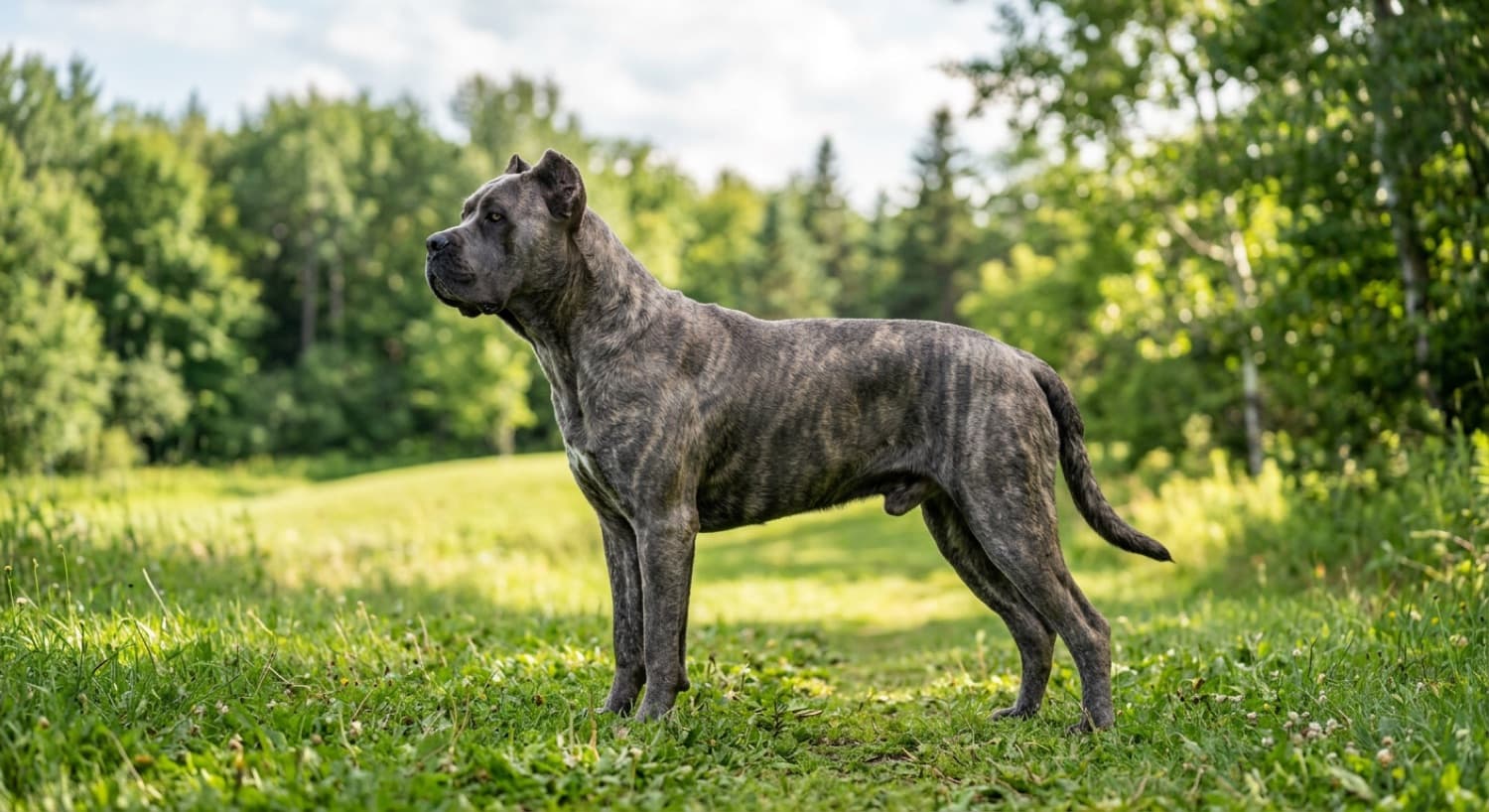
A Cane Corso is a giant guardian breed, and its health map is the giant-breed map. None of this should scare off a prepared owner, most Corsos live full lives with good care, but knowing the risks, and especially recognizing bloat, is part of responsible ownership. Here is the medical picture, condition by condition.
Hips, elbows, and weight
Hip and elbow dysplasia are among the most common issues in Cane Corsos, as in most large and giant breeds, malformations of the joint that lead to arthritis, pain, and reduced mobility over time. Signs include stiffness, difficulty rising, reluctance to exercise or climb stairs, limping, or a swaying, bunny-hopping gait.
Management ranges from weight control, joint supplements, appropriate exercise, and anti-inflammatory medication for milder cases up to corrective surgery for severe ones. The single most important thing an owner controls is weight: keeping a Corso lean dramatically reduces joint load and slows arthritis. Appropriate exercise (easy with Vancouver's trails) that builds supporting muscle without overstressing growing or arthritic joints also helps, avoid forced running on hard surfaces, especially in puppies and seniors. Ask the rescue about any known mobility issues, and start good weight and joint management from day one.
Bloat (GDV), the emergency to know
Bloat, or gastric dilatation-volvulus (GDV), is a sudden, life-threatening emergency where the stomach fills with gas and can twist on itself, cutting off blood supply. It can kill within hours, and deep-chested giant breeds like the Corso are at high risk. This is one of the most important things a Corso owner must understand. Warning signs: a swollen or distended abdomen, unproductive retching (trying to vomit but nothing comes up), restlessness and obvious distress, drooling, and pacing. If you see these, get to a Vancouver emergency vet immediately, minutes matter.
Risk reduction: feed two or more smaller meals a day rather than one large one, avoid vigorous exercise right before and after eating, use a slow-feeder if the dog gulps, and do not let the dog gorge on water. Many giant-breed owners discuss a preventive gastropexy (a surgical tacking of the stomach that prevents the twist) with their vet, sometimes done at spay or neuter. The VCA guide to bloat is essential reading before you bring a Corso home.
Heart and eyes
Heart: Cane Corsos are predisposed to cardiac conditions including dilated cardiomyopathy (DCM), where the heart muscle weakens and enlarges. Signs can include exercise intolerance, coughing, weakness, or fainting, though early heart disease may be silent, which is why routine checkups (listening to the heart, with a cardiac workup if a murmur or symptoms appear) matter for this breed.
Eyes: the Corso's facial structure predisposes it to eyelid conditions, entropion (eyelids rolling inward so lashes irritate the cornea), ectropion (rolling outward), and cherry eye (prolapse of the third-eyelid gland). These often need surgical correction and can cause discomfort or eye damage if untreated, so watch for redness, discharge, squinting, or a visible red mass in the corner of the eye, and see the vet. Both heart and eye issues are far more manageable when caught early through routine care.
Lifespan and keeping a Corso healthy
Cane Corsos have a shorter average lifespan, typically around 9 to 12 years, normal for a giant guardian breed. You cannot change a rescue dog's genetics, but you control the factors that most affect health and longevity: keep the dog lean, feed appropriately for a large breed with meals split through the day and bloat precautions, provide appropriate regular exercise, and stay on routine vet care so heart, joint, and eye issues are caught early.
Know the signs of bloat and have an emergency plan. Dental care, parasite prevention, and current vaccinations round it out. A Corso that is kept lean, well-exercised, appropriately fed, and regularly checked has the best shot at a full, comfortable life, and much of that is simply consistent, informed daily care.
Is pet insurance worth it?
For a Cane Corso, pet insurance is well worth considering, because giant breeds combine higher baseline vet costs (larger doses, bigger everything) with a real risk of expensive conditions: hip or elbow surgery, emergency bloat surgery (which can run into the thousands), and cardiac care. Vancouver veterinary and emergency care is not cheap, and a single GDV or orthopedic procedure can be a major bill.
The key, as with any breed, is to take out insurance while the dog is young and healthy, before any condition is diagnosed and excluded. Compare providers, understand coverage and any breed-specific limits, and read the fine print. For many owners, insurance turns the unpredictable risk of a large emergency bill into a manageable monthly cost, which suits a breed prone to sudden, expensive emergencies like bloat. If you self-insure, commit to a substantial emergency vet fund. See our Vancouver adoption and ownership costs guide for how the numbers add up.
Browse adoptable Cane Corsos in Vancouver
Rescue Corsos come vet-checked, and a good rescue will share a dog's known health history so you can adopt informed. Refreshed regularly across Lower Mainland rescues.
See Available Cane Corsos →Frequently Asked Questions
What are the main health problems?
Hip and elbow dysplasia, bloat (GDV), heart disease including DCM, and eyelid conditions (entropion, ectropion, cherry eye). Like all giant breeds it has a shorter lifespan (~9 to 12 years). Weight control and knowing the bloat signs are the biggest levers you control.
What is bloat and why is it so dangerous?
GDV is a sudden emergency where the stomach fills with gas and can twist, killing within hours, deep-chested giant breeds are at high risk. Signs: distended belly, unproductive retching, restlessness, drooling. Get to an emergency vet immediately. Feed smaller meals, avoid exercise around eating, and ask your vet about preventive gastropexy.
Do they have hip and joint problems?
Yes, hip and elbow dysplasia and arthritis are common. Keeping the dog lean is the biggest thing you control, it dramatically reduces joint load. Appropriate exercise that builds muscle without overstressing joints helps too. Ask a rescue about known mobility issues.
What heart and eye conditions affect them?
Heart: dilated cardiomyopathy and other cardiac disease, sometimes silent early, so routine checkups matter. Eyes: entropion, ectropion, and cherry eye from the facial structure, often needing surgery. Both are more manageable caught early.
How long do they live?
Around 9 to 12 years, normal for a giant breed. Keep the dog lean, feed with bloat precautions, exercise appropriately, and stay on routine vet care to give a Corso the best shot at a full, comfortable life.
Is pet insurance worth it?
For a giant breed prone to bloat and orthopedic issues, yes. A single GDV or hip surgery can run into the thousands. Take it out while the dog is young, before conditions are excluded. If you self-insure, keep a substantial emergency fund, giant-breed emergencies do not wait.
Related Vancouver guides
Cane Corso Adoption in Vancouver
Where to adopt in BC, the guardian temperament, real costs, and who the breed truly suits.
Cane Corso Temperament & Training
Socialization, leadership, and the training commitment that makes a Corso safe and trustworthy.
Adoptable Cane Corsos in Vancouver
All currently available Corsos and Corso mixes with foster health notes. Updates regularly.
Low-Cost Vet Care in Vancouver
Affordable clinics and options for routine care and the checks a giant breed needs.
New dog? Start with these care guides
Everything a new adopter needs to set up a safe, happy home.