The short answer
Cavaliers are uncommon in rescue but do turn up. Check the BC SPCA in Vancouver, the foster-based rescues, and small-dog rescues, and set an alert. Adult adoption fees typically run $250 to $650 versus $3,200 to $4,000+ from CKC-registered breeders that publish prices. Temperamentally they are close to ideal: sweet, gentle, affectionate velcro lap dogs, great with kids, dogs, and cats, and excellent for Vancouver condos, though they dislike being left alone. The one big caveat is health: the breed carries serious hereditary heart disease (MVD) and a neurological condition (syringomyelia), so heart monitoring is part of every Cavalier's life. Adopt prepared for the health commitment, and insure early.
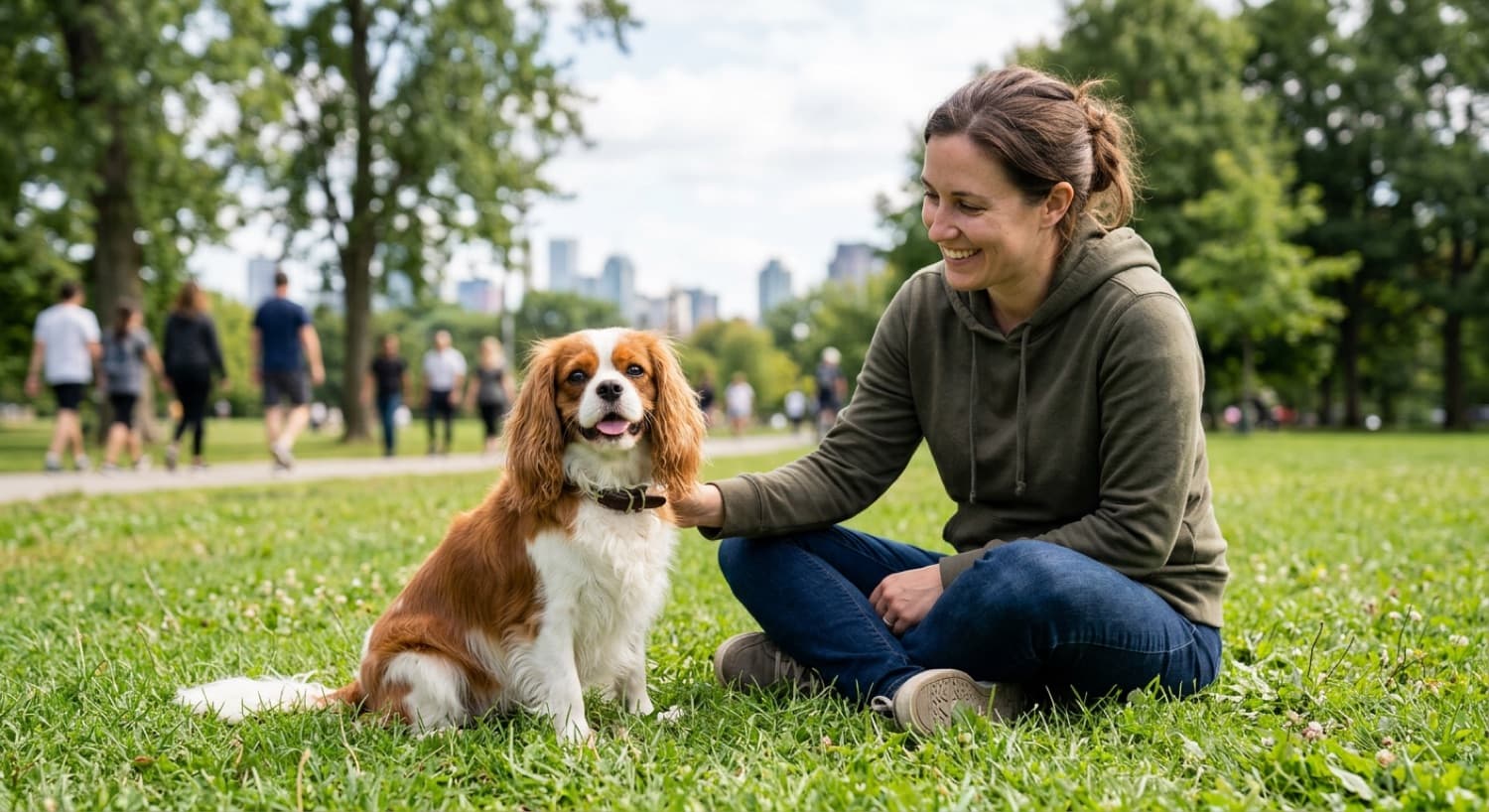
Where can I adopt a Cavalier in Vancouver?
Check the major Lower Mainland rescues: BC SPCA Vancouver, Loved at Last Dog Rescue, Langley Animal Protection Society (LAPS), Heart and Soul Dog and Cat Rescue, Taco Dog Rescue Society, and Furever Freed Dog Rescue, plus small-dog rescues. There is no active BC Cavalier breed rescue to apply to: the Cavalier Club of BC is not taking adoption applications, and the Cavalier King Charles Spaniel Club of Canada rescue averages only one or two dogs a year with a long waiting list. Cavaliers are uncommon in rescue, so patience and an alert help. Browse currently available Cavaliers and Cavalier mixes at LocalPetFinder's Cavalier breed page. Because of the breed's serious hereditary health issues, the foster notes on any known heart murmur or neurological signs are especially worth reading.
For the full Vancouver rescue landscape, see our best dog rescues in Vancouver guide, or browse every adoptable dog on the main Vancouver dog adoption listings.
Are Cavaliers good family dogs?
Yes, wonderfully so, temperament is where Cavaliers truly shine. They are affectionate, gentle, sweet-natured, and famously people-oriented velcro lap dogs that want nothing more than to be with their people, and they are typically excellent with children, other dogs, and even cats. They are adaptable, moderate in energy (happy with a couple of walks and lots of cuddling), and their friendly, easygoing nature makes them a fantastic fit for many households, including Vancouver condos and families with kids. In personality, a Cavalier is close to an ideal companion dog. The one major caveat is not temperament but health: the breed has serious hereditary conditions, particularly heart disease and a neurological condition, that every adopter must understand and budget for. Go in prepared for the health reality, and a Cavalier is one of the most loving companions you can have.
What health problems do Cavaliers have?
This is the most important thing to understand about the breed, because Cavaliers, sadly, have some of the most significant hereditary health problems of any breed. The two big ones: mitral valve disease (MVD), a degenerative heart condition that is extremely common in Cavaliers, often develops relatively young, and affects as many as 90% of Cavaliers by age 10, according to a 2020 peer-reviewed study in the journal Animals; and syringomyelia (SM), a serious and painful neurological condition in which fluid-filled cavities form in the spinal cord, related to the breed's skull shape. Cavaliers are also prone to eye conditions, ear problems, hip issues, and patellar luxation. The breed's heart-disease risk in particular is high enough that heart monitoring should be part of every Cavalier's life. Going in with a realistic understanding of the health commitment, and strongly considering pet insurance while the dog is young, is essential.
Our Cavalier health guide covers the conditions in full, and our MVD heart-management guide covers living with and monitoring the breed's signature heart disease.
Are Cavaliers good apartment dogs?
Yes, excellent, Cavaliers are one of the best small breeds for Vancouver condo and apartment living. They are small, adaptable, moderate in energy, and quiet by many standards, and above all people-oriented companions perfectly happy in a smaller space as long as they are with their humans. A couple of daily walks plus playtime and plenty of lap time meets their needs, and they are not typically nuisance barkers, which suits shared-wall living. The main consideration is their intense attachment: Cavaliers genuinely dislike being left alone for long and can develop separation anxiety, so they suit someone home often or able to arrange company, not a household where the dog would be alone all day. For a Vancouver apartment dweller who wants a gentle, affectionate, low-drama small companion and can offer plenty of togetherness, a Cavalier is close to perfect, with the health reality being the thing to budget for.
Why do Cavaliers end up in rescue?
Several reasons. Some come into rescue when owners cannot manage or afford the breed's serious health issues, particularly the heart disease, which can require ongoing medication and care. Others are surrendered due to life changes, or because the dog's attachment needs (and possible separation anxiety) did not suit the household. The breed's popularity has also fueled puppy-mill and backyard breeding of poorly bred Cavaliers with even worse health, some of whom end up in rescue, and occasionally retired breeding dogs are surrendered or rescued. A rescue Cavalier is usually a sweet, loving dog whose situation changed, and because the breed is so temperamentally easy, a vet-checked rescue Cavalier whose health is somewhat known can be a wonderful adoption. Adopting also means you can often learn about a dog's heart status before committing, genuinely valuable for this breed.
How much does it cost to adopt a Cavalier in Vancouver?
Canadian rescue adoption fees typically run $250 to $650 for an adult dog and $450 to $800 for a puppy, well under the $3,200 to $4,000+ that CKC-registered breeders who publish prices ask (October 2026, small sample). Show-line dogs cost more, and cheap ads well below breeder prices are a red flag; our Cavalier puppy price guide has the breeder detail. Fees include spay or neuter, vaccinations, microchip, and a vet workup. But the honest financial reality is the ongoing and potential future vet cost, because of the breed's heart disease in particular. A Cavalier that develops MVD may need lifelong cardiac medication, monitoring (including periodic echocardiograms), and cardiology care, and syringomyelia, if it occurs, can require expensive diagnosis and management. So while a Cavalier is a small dog with modest food and routine costs, the potential health costs are significant, which is why pet insurance is strongly recommended and should be taken out while the dog is young and healthy, before any heart or neurological condition is diagnosed and excluded.
| Source | Fee Range | What's Included |
|---|---|---|
| Adult dog, Canadian rescue or shelter | $250 to $650 typical | Spay or neuter, vaccines, microchip, vet check; foster notes on temperament and any heart findings |
| Puppy, Canadian rescue or shelter | $450 to $800 typical | Same as above. Check each rescue's own fee page. |
| CKC-registered breeder puppy | $3,200 to $4,000+ (published prices, October 2026, small sample) | Initial vaccines only; ongoing health not guaranteed |
Browse adoptable Cavaliers in Vancouver
Live inventory from Lower Mainland rescues, each with a foster's notes on temperament and any known heart or health history, exactly what you want to know for this breed. Refreshed regularly.
See Available Cavaliers →Frequently Asked Questions
Where can I adopt a Cavalier King Charles Spaniel near me in Vancouver?
Check the BC SPCA in Vancouver and the Lower Mainland foster-based rescues, and set an alert, because Cavaliers are uncommon in rescue. The Cavalier Club of BC is not taking adoption applications, and the national Cavalier King Charles Spaniel Club of Canada rescue averages only one or two dogs a year with a long waiting list. Browse current listings at LocalPetFinder's Cavalier breed page, and read the foster notes on any heart or neurological history.
Are Cavalier King Charles Spaniels good family dogs?
Wonderfully so, and temperamentally close to ideal: sweet, gentle, affectionate velcro lap dogs, great with kids, dogs, and cats. The one big caveat is health, not temperament. Go in prepared for the heart-disease reality.
What health problems do Cavalier King Charles Spaniels have?
Serious hereditary conditions: mitral valve disease (MVD), a very common heart disease that a 2020 peer-reviewed study in the journal Animals says affects as many as 90% of Cavaliers by age 10, and syringomyelia (a painful neurological condition), plus eye, ear, and joint issues. Heart monitoring should be part of every Cavalier's life.
Are Cavalier King Charles Spaniels good apartment dogs?
Excellent, and one of the best small breeds for condos. Small, quiet, adaptable, and happy anywhere with their people. Just offer plenty of company: they dislike being left alone and can develop separation anxiety.
Why do Cavalier King Charles Spaniels end up in rescue?
Often the cost of the breed's health issues, plus life changes, separation-anxiety mismatches, and poorly bred dogs from mills. A vet-checked rescue Cavalier whose heart status is known can be a wonderful, informed adoption.
How much does it cost to adopt a Cavalier King Charles Spaniel in Vancouver?
Canadian rescue adoption fees typically run $250 to $650 for an adult dog and $450 to $800 for a puppy, versus $3,200 to $4,000+ from CKC-registered breeders that publish prices (October 2026, small sample). But the real cost is potential heart-disease care (lifelong medication, echocardiograms). Insure while young and healthy, before any condition is diagnosed and excluded.
Related Vancouver guides
Adoptable Cavaliers in Vancouver
All currently available Cavaliers and Cavalier mixes with foster notes on temperament and health. Updates regularly.
Cavalier King Charles Health Issues: Heart, SM
Cavalier King Charles Spaniel health issues to plan for: mitral valve heart disease, Chiari-like malformation and syringomyelia, episodic falling, eye disease and teeth.
Best Dog Rescues in Vancouver
Every Vancouver-area rescue reviewed on cost, wait time, and best fit by adopter type.
New dog? Start with these care guides
Everything a new adopter needs to set up a safe, happy home.