The short answer
A Chow Chow's temperament is famously cat-like, dignified, calm, aloof, independent, and deeply loyal on its own terms, not eager to please or demonstrative. They are typically one-family dogs, wary of strangers, with guarding instincts, and they do not tolerate rough handling. Three things make a Chow well-adjusted: early and thorough socialization (critical, an under-socialized Chow can become suspicious or reactive), patient, respectful, positive training (never harsh, which backfires), and realistic expectations. The breed can show same-sex dog aggression, so manage other-dog interactions carefully. A rescue Chow can be a great option for an experienced owner, you see the real adult.
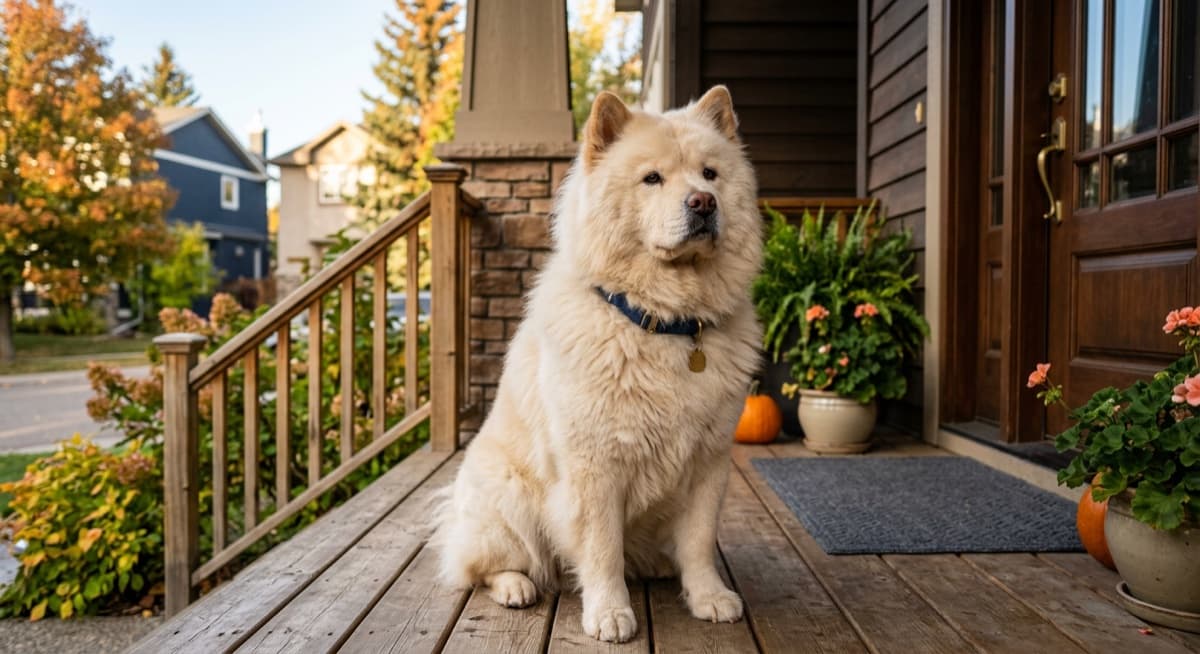
What the temperament is really like
A Chow Chow's temperament is one of the most distinctive in the dog world, often described as cat-like. Chows are dignified, calm, quiet, and reserved, deeply loyal and bonded to their own family but famously aloof, independent, and undemonstrative, not the eager-to-please, follow-you-everywhere dog many breeds are. A well-raised Chow tends to be devoted but on its own terms, often choosing when to seek attention rather than constantly demanding it, and is frequently indifferent or wary toward strangers, with a natural guarding instinct.
They are typically one-person or one-family dogs, strong-willed and self-possessed with a stubborn streak, and they do not tolerate rough or disrespectful handling, they want their space respected. This is a serious, adult-minded temperament even in a fluffy package, and it suits an owner who values a dignified, low-key, loyal companion and does not need a demonstrative or biddable dog. Understanding and accepting this temperament, rather than expecting a Chow to act like a Golden Retriever, is the foundation of a good relationship.
Why socialization is so important
Early, extensive socialization is critical for a Chow Chow, arguably more so than for many breeds, because the Chow's natural aloofness and guarding instincts can tip into problematic wariness, suspicion, or reactivity toward strangers and other dogs if the dog is not well-socialized when young. A thoroughly and positively socialized Chow learns to be a stable, discerning adult that tolerates the world calmly, whereas an under-socialized one can become overly territorial, fearful, or aggressive, a real problem in a strong, guarding breed.
Socialization should start early and continue, and it should be positive and unforced, respecting the Chow's nature while broadening its comfort zone. For a rescue Chow whose early socialization is unknown, careful, patient, positive exposure and often professional guidance are important, go at the dog's pace. Vancouver's dog-friendly culture and training community make socialization achievable, but with a Chow it takes deliberate, thoughtful effort, and it is not optional if you want a well-adjusted adult.
How to train a Chow Chow
Training a Chow Chow requires patience, consistency, respect, and realistic expectations, because Chows are intelligent but independent and stubborn, and not naturally eager to please. They will often weigh whether they feel like complying, so you cannot rely on a desire to please, you have to make training rewarding and build genuine mutual respect. Use positive, reward-based methods, keep sessions short and interesting, and be firm and consistent without being harsh, heavy-handed methods backfire badly, damaging trust and provoking defensiveness in a breed that does not tolerate disrespect.
Establish calm, consistent leadership and clear boundaries early. Focus on solid foundational obedience and, importantly, on handling exercises, getting the dog comfortable being touched, groomed, and examined, which matters given the grooming and eye-care needs. Early training and socialization are far easier than fixing problems later. Professional help from a trainer experienced with independent or primitive breeds is valuable, especially for a first-time Chow owner or a rescue Chow. The goal is a well-mannered, socialized, handleable dog, achievable, but on the Chow's terms, with respect and patience rather than force. A qualified positive-reinforcement trainer can help.
Are Chow Chows aggressive or dangerous?
Chow Chows are not inherently vicious, but they are a guarding breed with a strong, serious temperament, and a poorly socialized, poorly trained, or badly bred Chow can develop aggression or dangerous reactivity, which combined with their strength is a real concern. Well-raised Chows in responsible homes are typically dignified, controlled, and reserved rather than aggressive, protective of family and territory but not indiscriminately hostile.
The risks come from the breed's natural aloofness and guarding instincts going unmanaged: inadequate socialization can produce a fearful or suspicious Chow, and the breed can show same-sex dog aggression and does not tolerate rough handling, so a Chow that is teased, cornered, or handled disrespectfully may react. This is why Chows suit experienced owners, are better with older respectful children, and need careful socialization and management. Responsible ownership, good socialization, positive training, respectful handling, and appropriate management make the difference between a stable, dignified companion and a problem dog.
Good with other dogs and pets?
Chow Chows can be selective and are not naturally social with other dogs, so this needs careful management. The breed is known for same-sex dog aggression, and their aloof, dominant tendencies mean dog-to-dog relationships require thoughtful introductions and supervision. A Chow raised from a young age with other pets and well-socialized can coexist, and many do fine with a dog of the opposite sex or with cats they were raised with, but do not assume a Chow will happily accept unfamiliar dogs, and dog parks are often not a good fit for the breed.
Their prey drive and guarding nature also mean small pets need care. For a rescue Chow, a good rescue will assess and disclose how the dog does with other animals, invaluable information, adopt based on the individual dog's known behaviour and be realistic about multi-pet arrangements. With a Chow, careful introductions, supervision, and respecting the dog's selective social nature are the keys, rather than expecting easygoing dog-park sociability.
Is a rescue Chow harder to train than a puppy?
Not necessarily, and a rescue Chow can be a good option for an experienced owner, because you get to see the adult dog's real temperament, socialization level, and any issues rather than gambling on a puppy. A good rescue assesses each Chow and can tell you how the dog does with people, strangers, other animals, handling, and grooming, especially valuable for this individual breed. Many rescue Chows are past the demanding puppy stage and, if reasonably socialized, settle well into an understanding home.
The considerations: a rescue Chow may have unknown history, socialization gaps, or learned wariness needing patient, respectful work, and an adult guardian breed with baggage needs an experienced owner and often professional help. The approach is the same as with any Chow, patient, positive, respectful, consistent, tailored to the individual, with an emphasis on building trust. Work closely with the rescue and, if needed, a qualified trainer, go at the dog's pace, and be realistic. For an experienced owner who understands the breed, a rescue Chow can be a deeply rewarding, dignified companion, with the advantage of knowing what you are getting.
Browse adoptable Chow Chows in Vancouver
A good rescue assesses each Chow's temperament with people, strangers, and other animals, so you can adopt the right individual for your experience level. Refreshed regularly across Lower Mainland rescues.
See Available Chow Chows →Frequently Asked Questions
What is the temperament really like?
Famously cat-like, dignified, calm, aloof, independent, and loyal on its own terms, not eager to please or cuddly. Typically a one-family dog, wary of strangers, with guarding instincts, strong-willed, and intolerant of rough handling. Accepting this nature is the foundation.
Why is socialization so important?
The breed's aloofness and guarding instincts can tip into suspicion or reactivity without early, thorough socialization. A well-socialized Chow is stable and discerning; an under-socialized one can become territorial or fearful, a serious problem in a guarding breed. It is not optional.
How do I train one?
Patience, consistency, respect, and realistic expectations. Chows are smart but independent and stubborn, so make training rewarding and build mutual respect with positive methods, never harsh, which backfires. Prioritize handling exercises for grooming and eye care. Professional help with primitive breeds is valuable.
Are they aggressive or dangerous?
Not inherently, but a poorly socialized or badly bred guarding breed can develop aggression, and their strength makes that serious. Well-raised Chows are dignified and controlled. Good socialization, positive training, and respectful handling make the difference, which is why they suit experienced homes.
Good with other dogs and pets?
Selective, not naturally social. The breed is known for same-sex dog aggression, so manage introductions carefully, dog parks are often a poor fit. A Chow raised with opposite-sex dogs or cats can coexist. A rescue will assess and disclose how a dog does.
Is a rescue Chow harder than a puppy?
Not necessarily, you see the real adult and its assessed temperament rather than gambling on a puppy. It may have gaps or wariness needing patient, respectful work and an experienced owner. For someone who understands the breed, a rescue Chow is a deeply rewarding companion.
Related Vancouver guides
Chow Chow Adoption in Vancouver
Where to adopt in BC, the aloof dignified temperament, grooming, real costs, and who it suits.
Chow Chow Health Issues
Entropion and eye conditions, hip dysplasia, skin problems, and the breed's vet picture.
Adoptable Chow Chows in Vancouver
All currently available Chows and Chow mixes with foster temperament notes. Updates regularly.
Best Dog Rescues in Vancouver
Every Vancouver-area rescue reviewed on cost, wait time, and best fit by adopter type.
New dog? Start with these care guides
Everything a new adopter needs to set up a safe, happy home.