The short answer
The Cockapoo's two defining health issues are chronic ear infections (the floppy, hairy Cocker-type ears trap moisture, especially in damp Vancouver) and a range of eye conditions (cataracts, glaucoma, PRA, cherry eye from both parents). Other issues: patellar luxation, allergies and skin problems, dental disease, and some hip and joint issues. Lifespan is a good, long ~13 to 16 years (often benefiting from hybrid vigor). The levers you control: diligent ear care, eye monitoring, good grooming and skin care, dental care, and weight control. Because ear care is recurring and eye conditions can be expensive, the insurance case is real, insure while young (and understand pre-existing exclusions for an adopted adult).
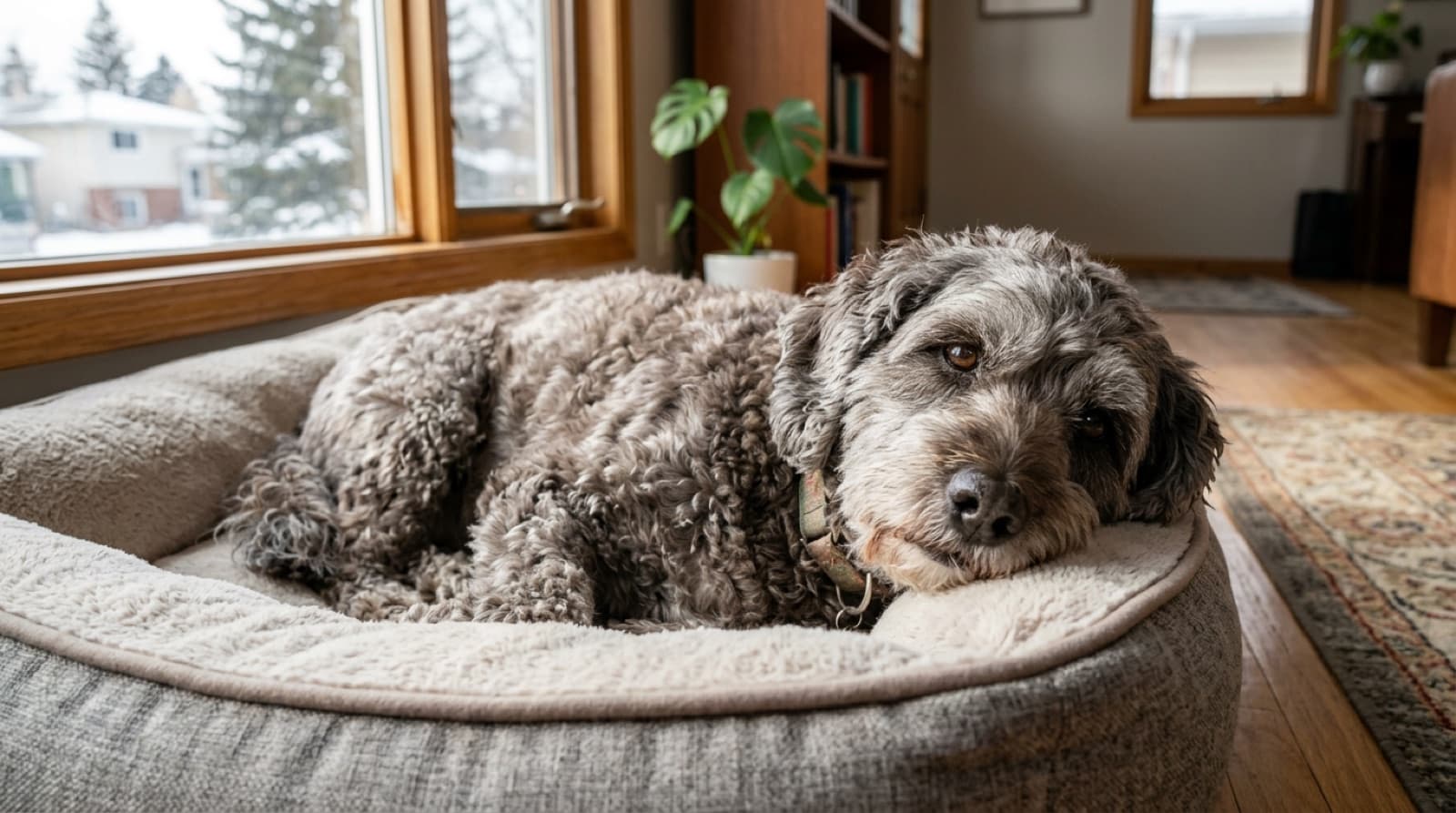
A Cockapoo's health depends on which traits it inherits from its Cocker and Poodle parents. Hybrid vigor helps, but two areas, the ears and the eyes, dominate the health map and respond well to preventive care. Here is the medical picture, condition by condition.
Chronic ear infections, the signature issue
Cockapoos are notably prone to ear infections, one of the breed's most characteristic issues, inherited especially from the Cocker Spaniel side. The Cocker's long, heavy, pendulous, hairy ears cover the ear canal, creating a warm, dark, moist, poorly-ventilated environment ideal for the bacteria and yeast that cause infections, and Cockapoos often inherit these floppy, hairy ears (the Poodle also contributes ear-canal hair), so the combination makes Cockapoo ears very prone to infection, which can become chronic if neglected.
The good news: most are preventable with consistent care, regular ear checks (redness, odour, discharge, head shaking), regular cleaning with a vet-recommended cleaner, and, crucially, keeping the ears dry, especially after baths, swimming, or wet, muddy walks. Managing the ear-opening hair improves circulation. In damp Vancouver, ear care is especially important. If an infection develops, see the vet promptly. Diligent, regular ear care is not optional, it is one of the essential care tasks of owning the breed. Our ear-care guide covers the routine step by step.
Eye conditions
Cockapoos can inherit a range of eye conditions from both parents, making eye health an important consideration alongside the ears. From the Cocker side: cataracts (sometimes needing surgery), glaucoma (a serious, painful condition that can be an emergency), PRA (leading to vision loss), and cherry eye; the Poodle also contributes PRA and others. Watch for cloudiness, redness, squinting, excessive tearing or discharge, a visible change, bumping into things, or pawing, and have concerns assessed promptly, many are treatable if caught early and some (like glaucoma) are urgent.
Routine vet care including eye examination, and prompt attention to changes, is the key, and keeping the facial hair around the eyes trimmed helps prevent irritation. Given the number of potential eye issues, some expensive or needing surgery, the eye-health predisposition is a real consideration and part of the argument for insurance, and along with the ears, eye health is where Cockapoo owners should be especially attentive. The American College of Veterinary Ophthalmologists maintains hereditary eye-condition resources.
Joints, skin, and dental
Beyond the ears and eyes, Cockapoos can be affected by several other conditions from their parents. Joints: patellar luxation (slipping kneecaps) is common (from the Poodle side), and hip dysplasia can occur, especially in larger Cockapoos, keeping the dog lean helps. Skin and allergies: both parents can be prone to allergies and skin problems, so Cockapoos can develop itchy skin and sensitivities (compounding the ear tendency), and a neglected, matted coat contributes. Dental: common small-breed dental disease, so brushing and cleanings matter.
Mild patellar luxation is managed conservatively (severe cases may need surgery), good grooming and skin care matter (especially in damp Vancouver), and good dental care is worthwhile. These are generally manageable with good routine care, grooming, weight control, and prompt attention, and while the ear and eye issues are the most characteristic Cockapoo concerns, the joint, skin, and dental considerations are all part of the breed's health picture.
Lifespan and keeping a Cockapoo healthy
Cockapoos typically live around 13 to 16 years, a good, long lifespan (often benefiting from hybrid vigor), and much of keeping one healthy is within your control. Maintain diligent, regular ear care (the single most important routine task, especially in damp Vancouver), monitor eye health and assess changes promptly, keep up good grooming and skin care, maintain good dental care, keep the dog lean, provide moderate exercise and companionship, and stay on routine vet care so ear, eye, joint, skin, dental, and other issues are caught early.
Feed a good-quality diet, and maintain parasite prevention and vaccinations. Be alert to the breed-specific signs, ear problems, eye changes, skin issues, and joint problems, and seek care promptly. A Cockapoo that receives diligent ear care, eye monitoring, good grooming, weight management, and routine care has an excellent chance at a long, healthy, happy life, much of it down to an engaged owner keeping up the specific care, especially the ears.
Is pet insurance worth it?
Pet insurance is worth considering for a Cockapoo, because the breed's range of potential health issues can add up, particularly the recurring cost of chronic ear infections and the potential for expensive eye conditions (cataract or glaucoma treatment, cherry eye surgery), plus patellar luxation, allergies, and dental care, and Vancouver vet care is not cheap. The likely ongoing ear-care costs plus the real possibility of expensive eye conditions make the case relevant.
As always, take out insurance while the dog is young and healthy, before any condition, especially a chronic ear or eye issue, is diagnosed and excluded. Compare providers, understand coverage and any limits, and read the fine print. For many owners, insurance, or at minimum a dedicated vet fund, provides good protection against the breed's likely ear, eye, and other costs. If you self-insure, keep a solid vet fund with ear care and especially eye conditions in mind. For an adopted adult or senior, understand what a policy covers. See our Vancouver adoption and ownership costs guide for the numbers.
Browse adoptable Cockapoos in Vancouver
Rescue Cockapoos come vet-checked, and a good rescue will share a dog's known ear, eye, and health history so you can adopt informed. Refreshed regularly across Lower Mainland rescues.
See Available Cockapoos →Frequently Asked Questions
What are the main health problems?
Chronic ear infections (from the Cocker side) and a range of eye conditions (cataracts, glaucoma, PRA, cherry eye) are the two defining ones, plus patellar luxation, allergies and skin problems, dental disease, and some hip issues. Lifespan a good 13 to 16 years. Ear care and eye monitoring matter most.
Why are they so prone to ear infections?
The floppy, hairy Cocker-type ears (plus Poodle ear-canal hair) cover the canal and trap moisture and debris, ideal for infection. Prevent with regular checks, cleaning, and keeping the ears dry (especially after wet Vancouver walks). Diligent ear care is an essential, non-optional task.
What eye conditions affect them?
Cataracts, glaucoma (serious, sometimes an emergency), PRA, and cherry eye, from both parents. Watch for cloudiness, redness, squinting, or vision changes, and see the vet promptly, many are treatable early and glaucoma is urgent. The range of eye issues is part of the insurance case.
Do they have joint, skin, or dental issues?
Yes, patellar luxation and possible hip dysplasia (joints), allergies and skin problems (both parents), and common small-breed dental disease. Keep the dog lean, groom well, and keep up dental care. All manageable with good routine care and prompt attention.
How long do they live?
A good, long 13 to 16 years, often benefiting from hybrid vigor. Maintain diligent ear care, monitor the eyes, keep up grooming and dental care, keep the dog lean, and stay on routine vet care. An engaged owner keeping up the specific care, especially the ears, gives a Cockapoo the best shot.
Is pet insurance worth it?
Worth considering, the recurring ear-care costs plus potentially expensive eye conditions can add up, along with patellar luxation, allergies, and dental. Take insurance out while the dog is young, before ear or eye issues are excluded. For an adopted senior, understand what a policy covers.
Related Vancouver guides
Cockapoo Adoption in Vancouver
Where to adopt in BC, the happy temperament, grooming and ear care, real costs, and who it suits.
Cockapoo Ear Care & Grooming
The ear-cleaning routine that prevents infections, plus the coat grooming commitment in damp Vancouver.
Adoptable Cockapoos in Vancouver
All currently available Cockapoos and doodle mixes with foster health notes. Updates regularly.
Low-Cost Vet Care in Vancouver
Affordable clinics and options for routine care, ear and eye checks, and the care a Cockapoo needs.
New dog? Start with these care guides
Everything a new adopter needs to set up a safe, happy home.