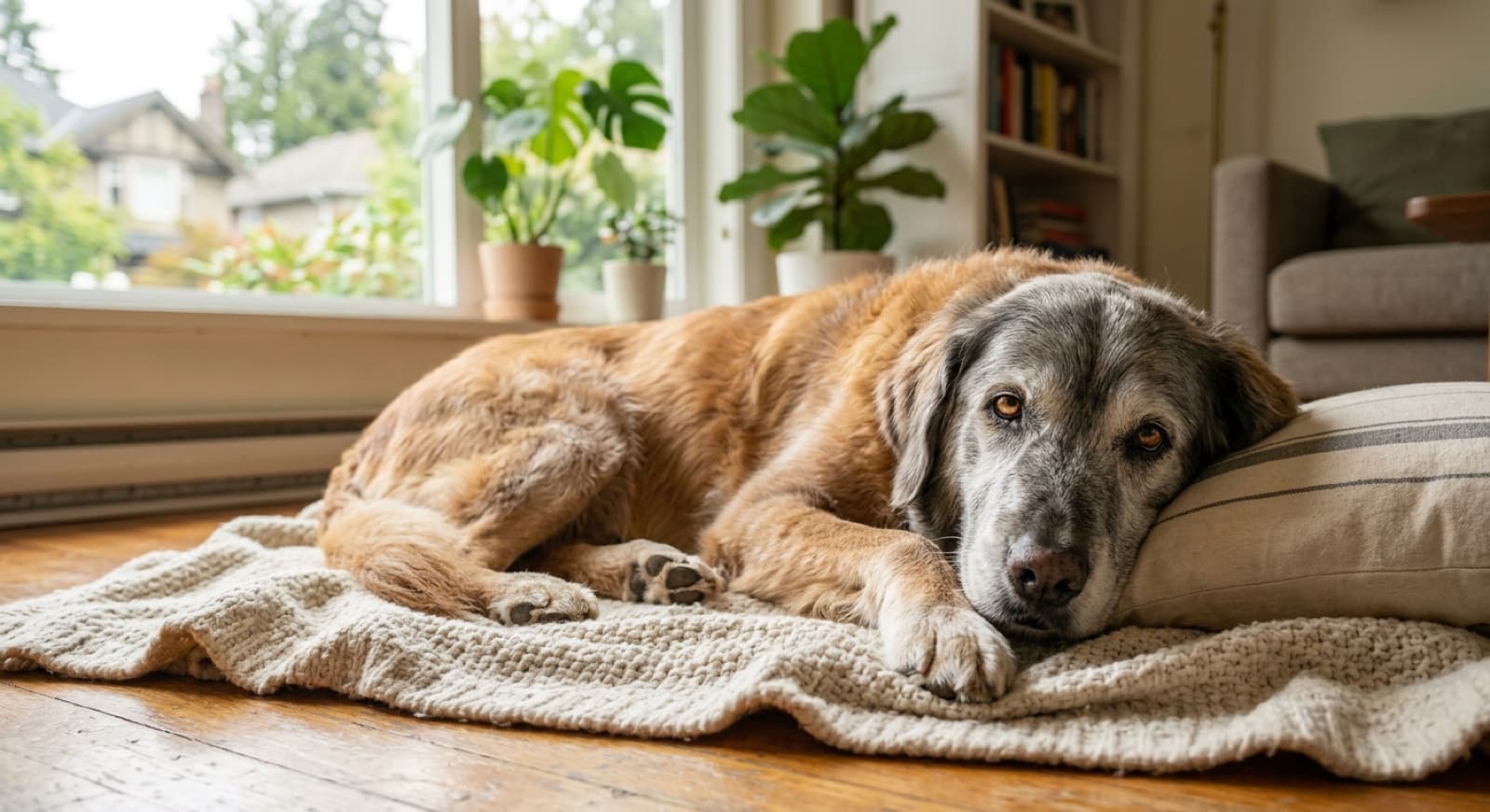
The short answer
Senior dogs are usually calm, house-trained, and a known quantity, which makes them one of the lowest-effort dogs to bring home, and rescues reduce their fees (often $200 to $400). The trade-offs are fewer years together and a higher chance of age-related vet care, so plan for that. For a first-time owner or a Vancouver condo, an older dog is frequently the best fit. Browse adoptable Vancouver dogs and filter by age.
Why a senior is often the smart choice
The biggest advantage of an older dog is that there are no surprises. A puppy is a gamble on adult size, energy, and temperament; a senior is already exactly who it is. Most are house-trained, past the destructive chewing stage, and content with gentle daily walks and a warm spot to nap rather than hours of high-intensity exercise. That calm, settled nature suits busy people, first-time owners, and Vancouver's apartment living especially well. Seniors also tend to bond quickly and gratefully. The honest trade-off is time: you get fewer years, and an older dog is statistically more likely to need age-related care. For many adopters, the ease and the depth of the companionship more than balance that.
The reduced fee, and the real budget
Most Lower Mainland rescues reduce senior adoption fees to roughly $200 to $400, versus $250 to $800 for a typical adult, and the fee still includes spay or neuter, vaccines, a microchip, and a vet check. The BC SPCA and foster-based rescues both run reduced senior fees. Where you should budget realistically is the ongoing side: an older dog is more likely to need dental work or age-related care, so a vet buffer or pet insurance is worth considering. Our adoption cost guide breaks down the full picture, and the low-cost vet guide covers keeping care affordable.
Senior-specific care on the wet coast
Get a baseline vet check soon after adopting and keep up regular check-ups, since catching age-related issues early makes them easier and cheaper to manage. Keep an older dog lean to spare its joints, provide soft bedding, and consider ramps for the couch or car. Vancouver's damp climate matters more for seniors: dry an older dog thoroughly after rainy walks and keep it warm, since seniors feel cold and damp more than young dogs. And ask the foster or shelter about any known conditions, medications, or dietary needs so you can continue them without a gap.
Find a senior dog in Vancouver
Browse adoptable dogs from the BC SPCA and Lower Mainland rescues, filter by age, and give an overlooked older dog a home.
Browse Vancouver Dogs →Frequently Asked Questions
Why adopt a senior dog in Vancouver?
Senior dogs are often the easiest and most overlooked adoption. Most are already house-trained, past the destructive chewing and boundless-energy stages, and have a known, settled personality, so what you meet is what you get. They tend to want companionship and gentle walks rather than hours of high-intensity exercise, which suits many households and Vancouver's apartment-heavy living. And rescues usually reduce senior fees, so you get a wonderful dog for less. The trade-off is fewer years together and a higher chance of age-related vet care, but for many adopters the calm, grateful companionship is worth it.
What counts as a senior dog?
It depends on size. Large and giant breeds age faster and are often considered senior around 6 to 7 years; medium dogs around 8 to 9; small breeds not until 10 or later. Many "senior" rescue dogs are only mid-life and have many good years ahead, so do not let the label put you off. Ask the rescue about the individual dog's health and energy rather than judging by age alone.
How much does it cost to adopt a senior dog in Vancouver?
Less than a younger dog, usually. Most Lower Mainland rescues reduce senior fees to roughly $200 to $400 (versus $250 to $800 for a typical adult), and the fee still includes spay or neuter, vaccines, a microchip, and a vet check. The BC SPCA and foster-based rescues both run reduced senior fees. Budget realistically for the ongoing side, though: an older dog is more likely to need dental work or age-related care, so pet insurance or a vet buffer is worth considering.
Are senior dogs good for first-time owners and apartments?
Often excellent. A calm, house-trained senior with a known temperament is one of the lowest-effort dogs to bring home, which suits first-time owners and Vancouver condo living well. They typically need gentle daily walks rather than intense exercise, settle quickly, and are less likely to have the separation-fueled chaos of a young dog. Confirm the specific dog's energy and any medical needs with the rescue, and check your strata rules, but a senior is frequently the smart choice for a smaller or quieter home.
What senior-specific care should I plan for?
A few things. Get a baseline vet check soon after adopting and keep up regular check-ups, since catching age-related issues early makes them cheaper and easier to manage. Watch weight and joints: keep the dog lean, provide soft bedding, and consider ramps to spare aging joints. On the wet coast, dry an older dog thoroughly after rainy walks and keep it warm, as seniors feel cold and damp more. Ask the foster or shelter about any known conditions, medications, or dietary needs so you can continue them smoothly.
Where can I find senior dogs to adopt in Vancouver?
Check the major Lower Mainland rescues, which frequently have senior dogs at reduced fees: BC SPCA Vancouver, Loved at Last Dog Rescue, Heart and Soul Dog and Cat Rescue, Taco Dog Rescue Society, Furever Freed Dog Rescue, and Langley Animal Protection Society. Browse currently available senior dogs on LocalPetFinder and filter by age. Seniors are the most overlooked dogs in rescue, so a wonderful older dog is often waiting longer than it should for a home.
Vancouver Adoption Costs
Fees by source, including reduced senior fees.
Best Dog Rescues in Vancouver
Where to find senior dogs and what each rescue is known for.
New dog? Start with these care guides
Everything a new adopter needs to set up a safe, happy home.