The short answer
Vizslas are uncommon in BC rescue and get adopted fast (mixes turn up more often), so set up alerts. Check BC SPCA Vancouver and the foster-based rescues. Adoption fee: $400 to $750 versus $1,500 to $3,500-plus from a breeder. They are affectionate, gentle, intensely people-bonded velcro dogs, great with families, but they need 1 to 2 hours of vigorous daily exercise plus mental stimulation and are highly prone to separation anxiety, so they need someone home a lot. Vancouver's trails and mild climate suit the exercise needs superbly, though the short coat means a warm coat in wet winters. A fantastic match for an active, home-a-lot owner, wrong for a busy or sedentary one.
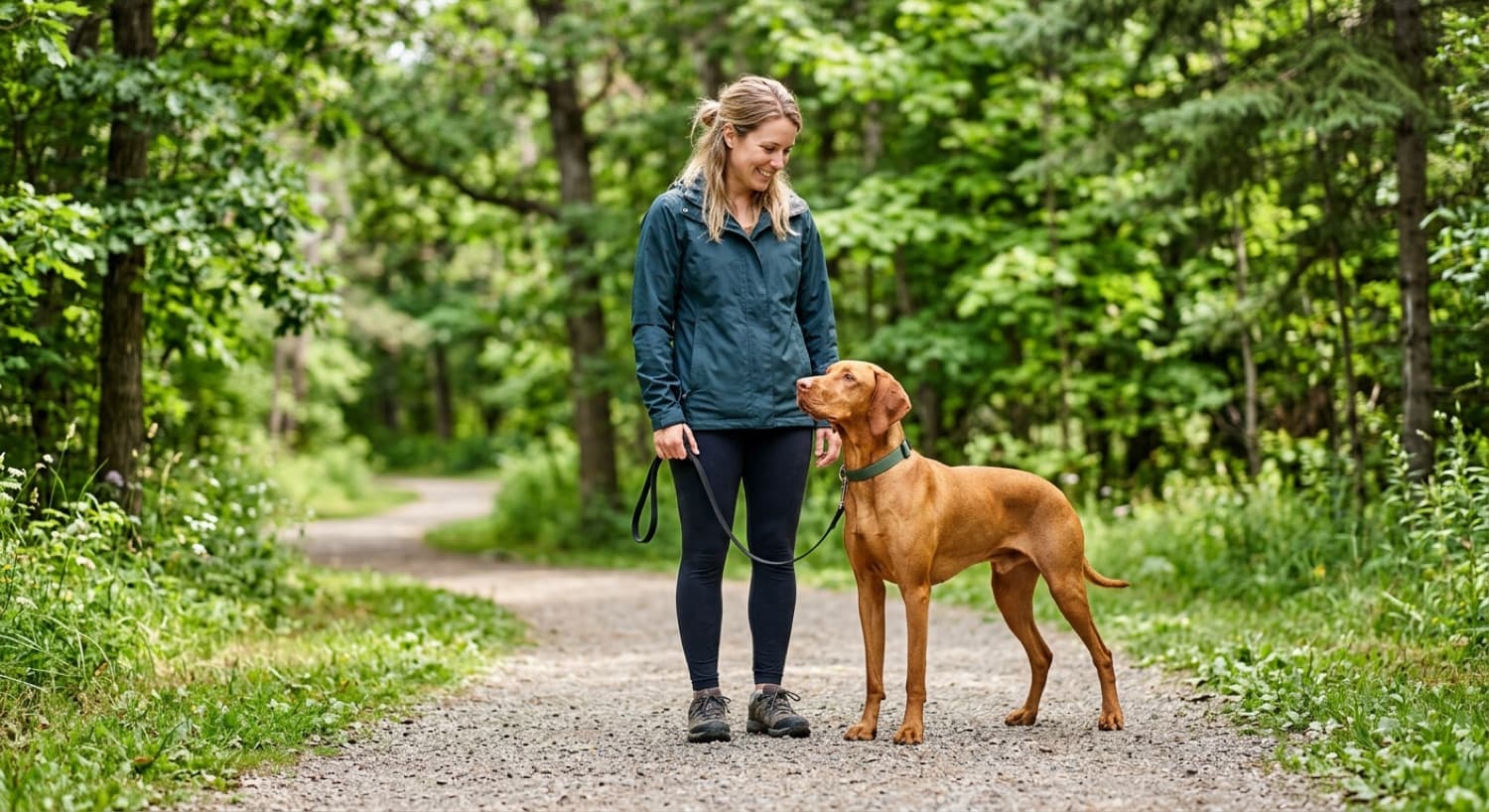
Where can I adopt a Vizsla in Vancouver?
Check the major Lower Mainland rescues: BC SPCA Vancouver, Loved at Last Dog Rescue, Langley Animal Protection Society (LAPS), Heart and Soul Dog and Cat Rescue, and Furever Freed Dog Rescue, plus Vizsla-specific or sporting-breed rescues. Purebreds are uncommon and go quickly, so alerts help; mixes turn up more often. Browse currently available Vizslas and Vizsla mixes at LocalPetFinder's Vizsla breed page. The foster notes on energy level and any separation-anxiety tendencies are worth reading.
For the full Vancouver rescue landscape, see our best dog rescues in Vancouver guide, or browse every adoptable dog on the main Vancouver dog adoption listings.
Are Vizslas good family dogs?
Yes, Vizslas can be wonderful family dogs for the right active household, affectionate, gentle, loyal, and intensely people-oriented, often called velcro dogs for how closely they bond. They are typically great with children and usually good with other dogs, and thrive on being deeply involved in family life. But two big caveats make the breed wrong for many families: they are high-energy sporting dogs that need a great deal of exercise (an under-exercised Vizsla becomes anxious and destructive), and they form extremely strong attachments and are highly prone to separation anxiety, so they need a household where they will not be left alone for long.
So a Vizsla suits an active family or individual who is home a lot (or can bring the dog along) and can provide substantial exercise and companionship, and is a poor fit for a busy household that is out all day or a sedentary owner. For the right engaged, active home, a Vizsla is an affectionate, devoted, fun companion. Our exercise and separation-anxiety guide covers those two defining needs in depth.
How much exercise does a Vizsla need?
A Vizsla needs a lot of exercise, one of the highest-energy sporting breeds. Plan on at least one to two hours of vigorous daily exercise, running, hiking, fetch, off-leash play, activities that engage the athletic, hunting-bred body and mind, plus significant mental stimulation. This is not a breed you can satisfy with a stroll; an under-exercised Vizsla becomes restless, anxious, hyperactive, and destructive, and the under-exercise problem compounds the breed's separation-anxiety tendencies.
Vancouver is close to ideal for a Vizsla: the trails, seawall, off-leash areas, beaches, and running culture provide excellent outlets, and the mild climate supports year-round activity. Vizslas make superb running, hiking, and dog-sport partners (they excel at agility, and their hunting heritage means they love a job). If you are active and want a dog to do things with, a Vizsla is a fantastic match; if you cannot commit to serious daily exercise, this is the wrong breed, its energy needs are genuinely demanding.
Can Vizslas handle Vancouver's climate?
Vancouver's mild, temperate climate suits a Vizsla reasonably well for exercise, but the short coat and low body fat mean cold and wet weather need managing. Vizslas have a very short, single coat with little insulation and minimal body fat, so they genuinely feel the cold and are not built for cold, wet conditions, on chilly, rainy winter days a Vizsla needs a coat, and many dislike getting cold and wet. They are indoor dogs who should not be left outside in cold weather.
The upside: Vancouver rarely gets extreme cold, the mild temperatures most of the year suit the breed, and the low-maintenance short coat is easy to care for. In summer, Vizslas handle warmth reasonably (better than cold) but still need the usual hot-weather care. The key climate consideration is keeping a Vizsla warm and dry enough in Vancouver's cool, wet winters (a good coat and indoor living solve this), while taking full advantage of the excellent year-round exercise the mild climate and abundant trails provide.
Why do Vizslas end up in rescue?
Vizslas most often end up in rescue because owners underestimate the breed's exercise needs and its intense need for companionship. People are drawn to the striking looks and affectionate nature without grasping how much daily exercise and stimulation a Vizsla requires, or how poorly the breed tolerates being left alone. When an under-exercised or frequently-alone Vizsla develops anxiety, destructive behaviour, or separation-anxiety problems, an unprepared owner can become overwhelmed and surrender the dog.
The combination of high energy and strong attachment means the breed genuinely does not suit a household that is out all day, and mismatches lead to surrenders. Life changes also contribute. A rescue Vizsla is usually a wonderful, affectionate dog whose owners simply could not meet its exercise and companionship needs, and in an active, engaged home that can, they typically thrive. Adopting an adult also lets you see the dog's real energy level and any anxiety tendencies, valuable for matching the dog to your lifestyle.
How much does it cost to adopt and keep a Vizsla in Vancouver?
Vancouver Vizsla rescue adoption fees typically range $400 to $750, well under the $1,500 to $3,500-plus a breeder charges. Fees include spay or neuter, vaccines, microchip, and a vet check. Ongoing costs are moderate for a medium dog, the short coat is cheap to groom, but budget for the breed's specific needs: the substantial exercise (which may mean dog-walker or daycare costs, daycare also helps with separation anxiety), a good coat for cold weather, and health considerations.
Vizslas are generally fairly healthy but can be prone to some issues (certain cancers, epilepsy, hip dysplasia, allergies, eye conditions), so a vet fund and insurance are sensible. Add quality food and routine care. A Vizsla is affordable to acquire and cheap to groom, but the real cost is the time and possibly money to meet its exercise and companionship needs, this is a breed whose main demand is your time and engagement.
| Source | Fee Range | What's Included |
|---|---|---|
| BC SPCA Vancouver | $350 to $600 | Spay or neuter, vaccines, microchip, vet check |
| Foster-based & breed rescues | $450 to $750 | Spay or neuter, vaccines, microchip, foster energy and temperament notes |
| Senior Vizsla | $250 to $500 | Same as above. Reduced fee; history disclosed. |
| Breeder puppy | $1,500 to $3,500 or more | Initial vaccines only; ongoing needs still substantial |
Browse adoptable Vizslas in Vancouver
Purebred Vizslas go fast, so browse current listings and set an alert. Adopting an adult lets you assess the dog's real energy and any anxiety tendencies. Each Lower Mainland rescue dog comes with a foster's notes. Refreshed regularly.
See Available Vizslas →Frequently Asked Questions
Where can I adopt a Vizsla in Vancouver?
BC SPCA Vancouver, the foster-based rescues, and sporting-breed rescues. Purebreds go fast so set alerts; mixes are more common. Browse current listings at LocalPetFinder's Vizsla breed page.
Are they good family dogs?
Yes for active, home-a-lot families, affectionate, gentle velcro dogs, great with kids. But they need lots of exercise and are highly prone to separation anxiety, so they are wrong for a busy household out all day or a sedentary owner.
How much exercise do they need?
At least one to two hours of vigorous daily exercise plus mental stimulation, running, hiking, fetch, dog sports. Vancouver's trails and seawall are ideal. Not a breed you can satisfy with a stroll; under-exercise causes anxiety and destruction.
Can they handle Vancouver's climate?
Reasonably, but the short coat and low body fat mean they feel the cold and wet, so a coat is needed in winter and they should live indoors. Vancouver rarely gets extreme cold, and the mild climate suits year-round exercise. They handle warmth better than cold.
Why do they end up in rescue?
Owners underestimating the exercise needs and the intense need for companionship. An under-exercised or frequently-alone Vizsla develops anxiety and destructive behaviour. A rescue Vizsla in an active, engaged home usually thrives.
Cost to adopt and keep one?
$400 to $750 from rescues versus $1,500 to $3,500-plus from breeders. Cheap to groom, but budget for exercise (dog-walker/daycare), a winter coat, and health risks (cancers, epilepsy, hips). The real cost is your time and engagement.
Related Vancouver guides
Adoptable Vizslas in Vancouver
All currently available Vizslas and Vizsla mixes with foster energy notes. Updates regularly.
Vizsla Health Issues: Epilepsy, Skin, Muscle
Vizsla health issues to plan for: epilepsy, sebaceous adenitis and allergies, an immune-related muscle disease that affects swallowing, hips and bloat.
Vizsla Exercise and Separation Anxiety
Why the velcro dog struggles alone, signs of separation distress, gradual departure training and daily exercise.
Best Dog Rescues in Vancouver
Every Vancouver-area rescue reviewed on cost, wait time, and best fit by adopter type.
New dog? Start with these care guides
Everything a new adopter needs to set up a safe, happy home.