The short answer
Labradors are common in Canadian rescue, and the good ones place fast. The work is exercise, weight control, and matching the dog's real energy to your life. BC SPCA Victoria lists Labs and Lab mixes at $250 to $500, and Island foster rescues like Victoria Humane Society run $500 to $700 because they cover transport intake. Most Labs surrender because owners underestimate the energy, not because of a bad temperament. A young Lab needs 60 to 90 minutes of real daily activity, the breed is prone to obesity, and hip, elbow, and ear issues are worth planning around. Working line Labs run hotter than bench line dogs, so weigh the assessed energy over any label. The upside for Victoria: the mild Pacific climate and the coast make this one of the best Canadian cities for a swim-loving Lab. Set alerts across every Island rescue and apply the same day.
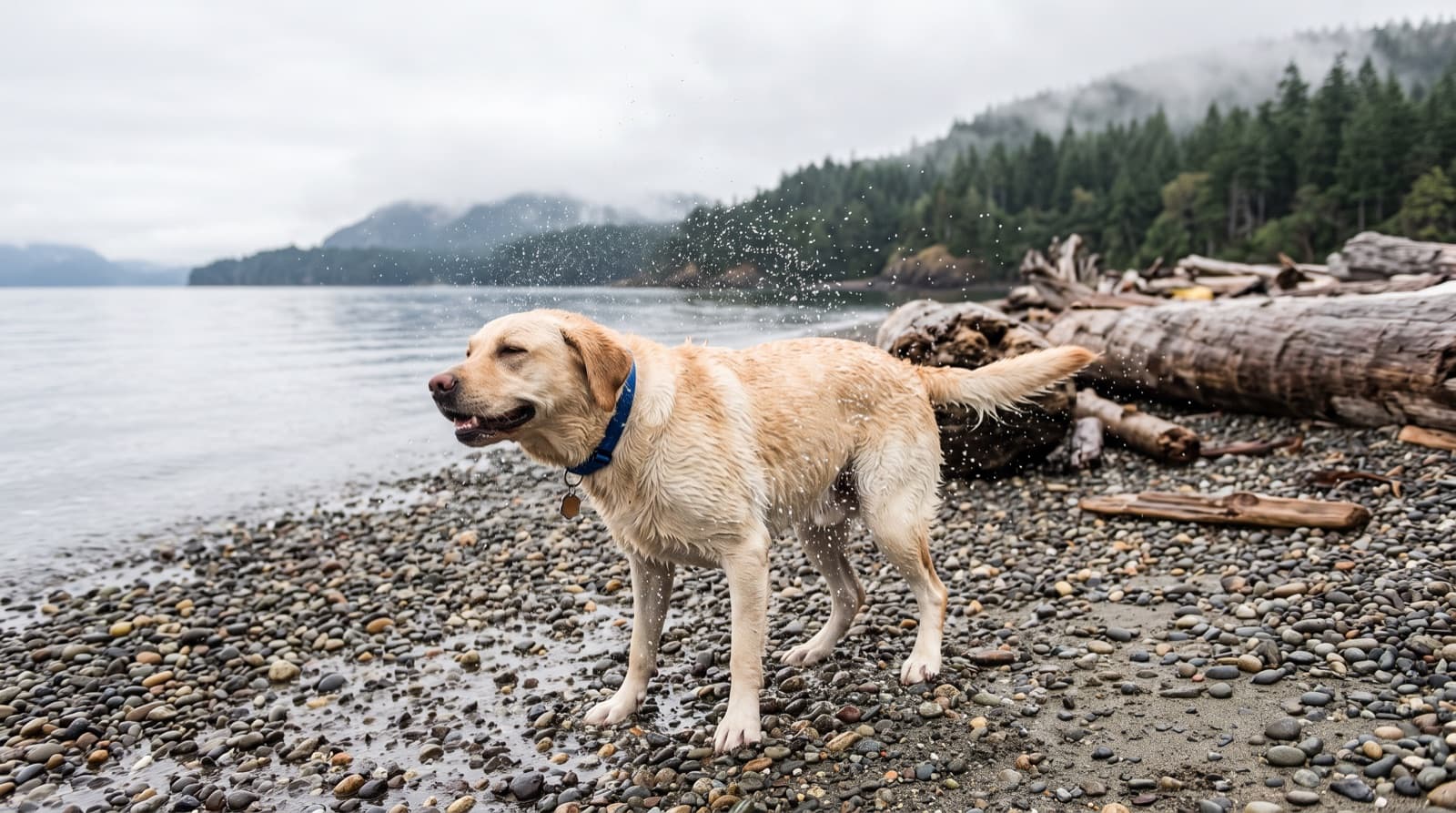
Why Labradors surrender in Victoria
Labrador surrender in Victoria follows a clear pattern, and it is almost never about a difficult dog. The breed tops Canadian popularity charts, which means it also tops surrender lists, and the reasons cluster around one core mismatch: people expect a calm family dog and get a high-energy athlete for the first two to three years. Understanding the patterns helps adopters read foster write-ups accurately and budget honestly for what comes next.
- Underestimated energy. The number-one reason, full stop. A young Lab, especially a working or field line dog, needs real daily exercise and mental work. When that engine has no outlet it becomes chewing, counter-surfing, jumping, digging, and relentless pulling on the lead. Owners who pictured a mellow couch companion get overwhelmed and give up. The dog is doing exactly what it was bred to do; the household simply could not meet the activity demand.
- Adolescence. Labrador adolescence, roughly eight to twenty months, is the destructive window. The sweet puppy becomes a big, mouthy teenager with selective hearing right as it hits full size and strength. Families who were coping with a puppy hit a wall with the adolescent, and this is the most common age at which Labs reach rescue.
- Life change. A move to a smaller place or a no-pets rental, a new baby, a job change with longer hours, a relationship breakup, or a health issue can all remove the time and space a young Lab demands. These are the hardest surrenders because the dog is usually well-loved; the circumstances simply changed.
- Cost. A large, active dog eats a lot and its vet bills are bigger. Food, routine care, and the occasional orthopaedic or ear problem add up, and financial strain pushes some households to surrender. Budgeting realistically before you adopt prevents this.
- Obesity and health fallout. A Lab allowed to get overweight develops joint problems, and the mounting vet costs and mobility issues sometimes lead to surrender. This is preventable with measured feeding, and it is worth flagging because an incoming rescue Lab may need a weight-loss plan.
Reading these patterns ahead of time matters. When a listing shorthand reads “too much for us,” the energy mismatch above is almost always what sits behind it. So dig into the specifics with the rescue: how much daily exercise does this dog need to be calm, what is its recall like off leash, what is its body condition and feeding routine, and how does it settle indoors after activity. The Island rescues that foster dogs in real homes will have honest, useful answers.
Victoria and Island rescues that list Labradors
Several organisations across Victoria and southern Vancouver Island list Labs or Lab mixes, and because this is a mid-size market where good dogs move fast, a wide net helps. Set up listing alerts on every rescue you would consider; a multi-rescue alert net catches the right dog within weeks rather than months. Many Island rescue dogs arrive via transport from northern BC or out of region, which is part of why foster-based fees run higher. For a fuller directory, see our guide to the best dog rescues in Victoria.
- BC SPCA Victoria: the biggest shelter operation in the region and the steadiest general pipeline for Labs, most of them owner surrenders and strays. You get to meet a dog face to face before applying, and the staff assessment lays out temperament, how much energy the dog runs on, and any flagged medical history. Fees sit at $250 to $500, scaled to the dog's age.
- Victoria Humane Society: a foster-based rescue with a wide southern Vancouver Island footprint, run through a volunteer foster network. Because its dogs live in real homes, the temperament notes on energy, recall, and how the dog handles being alone tend to be accurate, which matters a great deal for a breed people so often misjudge on activity needs. Foster-based fees generally run $500 to $700, reflecting transport and foster care.
- Victoria Pet Adoption Society (VPAS) and Bless Rescue Partners: two more foster-based Island rescues that list Labs and Lab crosses. Bless is known for detailed foster write-ups, which are gold when you are trying to judge whether a specific Lab is a working-line rocket or a settled family dog. VPAS runs a steady foster network across the region. Both are worth alerts.
- Promises Rescue Society and SAINTS Senior Animal Sanctuary: Promises is a Vancouver Island rescue that lists a range of dogs including Labs and mixes, while SAINTS focuses on senior animals and is the place to watch if you would welcome an older, calmer Lab into a quieter home. Senior Labs are among the most rewarding and lowest-risk adoptions available.
For dog licensing and bylaw questions, the Capital Regional District (CRD) administers regional licensing for member municipalities, and the City of Victoria handles animal control and licences within the city. Before sending money, check that the rescue is genuine: a real address, charitable status, and a current adoptable-dog list. The Lab-specific trap is the free or nearly free Lab advertised on classifieds and Facebook, often a rehoming scam or a sick puppy-mill dog, so treat any free-Lab listing with suspicion. A legitimate Island rescue will always want an application and a conversation first. Our directory of Victoria rescues covers who to trust.
The energy reality: working line vs bench line
Everything about living well with a Labrador comes back to one fact: this is a working retriever, bred to fetch downed birds from cold water for hours. That heritage produces a wonderful, driven, endearing dog, and it also produces the trait that surprises unprepared owners most, which is how much exercise the breed genuinely needs to be calm.
The breed splits into two broad types. Working or field line Labs (often called American type) are lighter, leaner, and racier, with very high drive and stamina, bred for hunting and field trials. A working-line Lab in a low-activity home is a recipe for a destructive, frustrated dog. Bench or show line Labs (often called English type) are heavier-boned, blockier, calmer, and generally lower-drive, closer to the mellow family-dog stereotype most people picture. Most rescue Labs are of unknown or mixed lineage, so you often cannot tell the line by looking, and honestly, the label matters less than the observed behaviour. What you want from a foster or shelter is a straight answer to one question: how much daily activity does this specific dog need to be content indoors?
The practical number for a healthy adult Lab is 60 to 90 minutes of real activity a day, and a young working-line dog can want more. That does not mean a slow lead walk around the block. Labs want to swim, fetch, run off leash in safe spaces, and use their brains. Puzzle feeders, scent games, scatter-feeding, and short training sessions all drain the mental energy that otherwise becomes trouble. An under-exercised Lab counter-surfs, chews, jumps, and pulls; a well-exercised Lab is the calm, easy companion the breed is famous for. The difference between a great Lab and a difficult one is almost always the amount of daily physical and mental work it gets.
Here Victoria genuinely shines. The mild Pacific climate lets a Lab be active outdoors nearly year round, without the deep-freeze limits that shut down winter activity elsewhere in Canada. The coast is the breed's natural playground. Dallas Road and Clover Point, Cattle Point, and Cadboro-Gyro Park give ocean access; Thetis Lake Regional Park and Elk/Beaver Lake Regional Park offer freshwater swimming a Lab will adore; and Beacon Hill Park and Mount Douglas Park (PKOLS) add off-leash running and trails. Recall is worth training well, because a Lab focused on a scent or a ball can tune you out, but the breed is far more trainable and handler-focused than a scent hound, so reliable off-leash freedom is a realistic goal with work. Our Victoria off-leash parks guide maps out where to go.
Labrador health, in brief
Labs are generally a hardy breed with a typical lifespan around 11 to 13 years, but a few conditions are worth planning around so adopters apply with realistic expectations. None of this is a reason to avoid the breed; it is a reason to keep the dog lean, insure early, and know what to watch for.
- Obesity. The single biggest day-to-day health risk. Labs are food-obsessed (research has tied many Labradors to a genetic variant that boosts appetite), so measured meals, counted treats, no free-feeding, and a firm no-table-scraps rule are essential. Extra weight worsens every joint problem and shortens lifespan.
- Hip and elbow dysplasia. The classic Labrador orthopaedic concerns. The Orthopedic Foundation for Animals screens for both, and keeping the dog lean and appropriately exercised reduces the impact of any predisposition.
- Ear infections. The drop ears trap moisture, and in wet, coastal Victoria that risk is higher, especially for a swimming dog. Weekly ear checks and drying the ears after swims prevent most problems.
- Exercise-induced collapse (EIC). A genetic condition seen in some Labs where intense exercise triggers a temporary loss of muscle control. A DNA test exists; a rescue dog may not have one, so watch for it during hard activity.
- Eye conditions. Progressive retinal atrophy and cataracts appear in the breed and are screened for in responsible breeding.
- Bloat (gastric dilatation-volvulus). A risk in any deep-chested large dog and a true emergency. Know the signs (unproductive retching, a distended belly, distress) and where the nearest emergency vet is before you need it.
For breed-level health-testing standards, the Orthopedic Foundation for Animals maintains public screening databases at ofa.org, and the Canadian Kennel Club publishes the breed standard. A rescue Lab will not usually have OFA records, but the resources are useful context for what the breed is screened for. Plan a baseline vet visit in your first month to establish records, score body condition, and check the ears. If cost is a concern, see our low-cost vet guide for Victoria covers local options. Any behaviour concern is best handled by a certified consultant; the IAABC lists credentialled behaviour professionals.
What a Victoria rescue Labrador actually costs
Adoption fees at BC SPCA Victoria and the CRD Animal Shelter run around $250 to $500 depending on the dog's age, with puppies at the top and adults lower. Foster-based Island rescues that transport dogs in from out of region tend to run $500 to $700, since the fee helps recover transport and foster costs. Senior Labs (seven and up) are often reduced to $150 to $300. None of that is a sale price. It reimburses the rescue for the costly work it has already taken care of: core vaccinations, spay or neuter, a microchip and registration, deworming and parasite treatment, and a basic vet workup. Priced individually at retail Vancouver Island vet rates, that care would run well past the adoption fee, so what you pay is a genuine bargain against the real cost of the work already provided.
Compare that to a Labrador puppy from a breeder at roughly $2,000 to $3,500 with none of the medical work yet done, and the rescue path is significantly cheaper, and the dog often arrives with a known temperament and energy level you can match to your life. Be especially wary of anyone charging a premium for a “rare” fox-red, silver, or charcoal Lab; fox-red is just a shade of yellow, and dilute colours are not recognised by the CKC as standard. Plan an additional $150 to $350 in the first month for your own vet baseline. If your Lab is not already spayed or neutered (most rescue dogs are), our Victoria spay and neuter guide covers the local options.
Ongoing Labrador costs run higher than a small dog: budget roughly $2,000 to $3,500 a year for measured food for a 55 to 80 lb dog, routine vet care, pet insurance (genuinely worth it for a breed with documented hip, elbow, and ear risks, and cheapest when enrolled before any condition appears in the records), and an annual dog licence. Licensing is administered through the CRD and member municipalities; our Victoria pet licensing guide walks through how to register your dog. The other worthwhile first-year spend for an active water dog is good gear: a well-fitted harness, a long-line for recall training, and a towel routine for the near-constant coastal wet.
Browse adoptable Victoria Labradors and Lab mixes
Current Vancouver Island listings from BC SPCA Victoria, Victoria Humane Society, VPAS, and other Island rescues in one place. Labs are popular and the well-matched ones move fast, so alerts and same-day applications win.
See Victoria Adoptable Dogs →The first 30 days with a Victoria Labrador
Labs run on the same 3-3-3 arc as any rescue dog: the first three days are raw decompression, the routine clicks into place over about three weeks, and the real bond takes closer to three months. Most Labs land on the faster end because the breed is social and wired for company. What you cannot skip, even in week one, is establishing the exercise and feeding routine, because an under-worked, over-fed Lab is where most early problems start. Our first week with a rescue dog guide covers the general decompression plan; here is the Labrador-specific version.
- Set the exercise routine from day one. Even during decompression, a Lab needs daily activity to settle. Start with calm on-lead walks and gentle enrichment, then build toward the full 60 to 90 minutes as the dog relaxes. A tired Lab is a settling Lab.
- Lock in the feeding and weight plan immediately. Measured meals, no free-feeding, treats counted into the daily total, and a firm household rule that nobody feeds table scraps. Score body condition at the first vet visit, especially if the dog arrived overweight.
- Book a baseline vet visit in the first two weeks. Establish records, check the ears, confirm the microchip is registered to you, assess hips and body condition, and discuss any breed-specific monitoring.
- Start the ear-care routine. Weekly checks, and dry the ears after every swim or wet walk. In coastal Victoria this is a real, ongoing task. Watch for redness, odour, or head-shaking.
- Enrol in pet insurance in week one. Before any pre-existing conditions appear in your records. Lab hip, elbow, and ear issues are far cheaper to insure against when enrolled early.
- Keep parasite prevention going year round. Victoria's mild climate means ticks and fleas stay active all year, not just in summer. Twelve-month prevention beats seasonal prevention on the Island.
- Work on recall on a long-line. Before trusting any off-leash freedom, build recall with a long-line in safe spaces. Labs are trainable and handler-focused, so reliable recall is achievable, but earn it before you rely on it.
- Manage the mouthiness and jumping early. Young Labs are mouthy and bouncy; redirect to toys, reward four-on-the-floor greetings, and be consistent from the start so the adolescent version does not learn bad habits.
- Build the enrichment habit. Puzzle feeders, scatter-feeding, and scent games from the start. Mental work tires a Lab as much as physical exercise and prevents the boredom that fuels chewing and counter-surfing.
- Licence the dog with the CRD or your municipality. Required across the region and quick to arrange. Keep the microchip and tag details current.
- Wet-dog management. A dedicated towel by the door, a drying routine after beach and lake swims, and a rinse after salty ocean water protect the coat and the ears through Victoria's rainy, muddy months.
- Same routes, same routine for the first two weeks. Predictability speeds settling. Save busy off-leash parks and new dog friends for after week three, once the dog trusts the new normal.
By week three, once the daily walks and enrichment have given all that Labrador energy somewhere to go, the frantic, mouthy edge drops away and the easygoing dog the breed is known for settles in. By the three-month mark the bond feels solid and the exercise, weight-watching, ear-drying routine is just how your week runs. Do not judge the dog too early. The counter-surfing, the pulling, and the restlessness that worry new Lab owners in the first month almost always fade once the exercise, the feeding plan, and the routine are consistent.
Frequently asked questions
Where can I adopt a Labrador near me in Victoria?
Start with BC SPCA Victoria, which lists purebred Labs and Lab mixes regularly through owner surrender and stray intake, with adoption fees of $250 to $500. Then widen the net across the Island foster-based rescues that pull dogs from northern BC and out of region: Victoria Humane Society, Victoria Pet Adoption Society (VPAS), Bless Rescue Partners, and Promises Rescue Society all list Labs and Lab crosses, often with detailed foster write-ups on energy level and recall. Labs and Lab mixes are one of the most common dog types in Canadian rescue, so a Victoria adopter set on the breed will find candidates, but the good, temperament-matched ones move fast in this mid-size market. Set alerts across every rescue you would consider, get your references and vet contact ready in advance, and apply the same day a Lab that fits your household appears. For seniors, SAINTS Senior Animal Sanctuary is worth watching, since older Labs place beautifully into calmer homes.
Why do Labradors end up in rescue in Victoria?
The single biggest reason is underestimated energy. People adopt or buy a Lab picturing a calm family dog and get an athletic, mouthy, high-drive adolescent that needs real daily exercise for the first two to three years. When that energy has no outlet it turns into chewing, counter-surfing, jumping, and pulling, and an overwhelmed household surrenders. Other common patterns: a life change (move, new baby, job change, relationship breakup) that removes the time a young Lab demands, financial strain from the food and vet costs of a large active dog, and the breed being given up during the destructive adolescent window between eight and twenty months. The dogs themselves are usually friendly, biddable, and good with families once the household matches the breed's real activity needs. Very few Lab surrenders are about a difficult temperament; most are about a mismatch of energy and lifestyle.
How much does it cost to adopt a Labrador in Victoria?
BC SPCA Victoria and the CRD Animal Shelter set adoption fees around $250 to $500 depending on the dog's age, with puppies at the top and adults lower. Foster-based Island rescues that transport dogs in from out of region tend to run $500 to $700, because that fee helps cover the transport and foster care. Senior Labs (seven and up) are often reduced to $150 to $300. That fee is not a sale price. The rescue has already handled the expensive parts, from core vaccinations and spay or neuter through microchipping, deworming, parasite treatment, and a basic vet workup, and buying all of that at retail Vancouver Island vet pricing would run well past what you pay to adopt. Compare that to a Lab puppy from a breeder at roughly $2,000 to $3,500 with none of it done yet. Plan an additional $150 to $350 in the first month for your own vet baseline and, for any Lab carrying extra weight, a body-condition assessment.
What is the difference between a working line and a bench line Labrador?
Labradors split into two broad types, and the difference matters enormously for a Victoria adopter. Working or field line Labs (sometimes called American type) are lighter, leaner, and racier in build, bred for hunting and field work, with very high drive and stamina. They need a serious daily exercise and mental-work commitment and can be a poor fit for a low-key household. Bench or show line Labs (sometimes called English type) are heavier-boned, blockier, calmer, and generally lower-drive, closer to the mellow family-dog stereotype. Most rescue Labs are of unknown or mixed lineage, so you cannot always tell, but a good foster or shelter assessment will describe the dog's actual energy level, which matters far more than the label. When you read a listing, weigh the observed behaviour (how the dog settles indoors, how much exercise it needs to be calm) over any guess about lines. Ask the rescue directly how much daily activity this specific dog needs to be content.
How much exercise does a Labrador actually need?
A healthy adult Lab needs a solid 60 to 90 minutes of real activity a day, and a young working-line dog can need more. That does not mean a slow lead walk around the block. Labs were built to retrieve for hours in cold water and they carry that engine, so they want swimming, fetch, off-leash running in safe spaces, and enough mental work to tire the brain. Victoria is genuinely well suited to this: the mild Pacific climate lets a Lab be active outdoors nearly year round, and the coast is ideal. An under-exercised Lab is the destructive, mouthy, counter-surfing dog people surrender. A well-exercised Lab is the calm, easy companion the breed is famous for. Plan the exercise honestly before you adopt, because the difference between a great Lab and a difficult one is almost always the amount of daily physical and mental work it gets.
Are Labradors prone to obesity, and how do I manage it?
Yes, and it is the breed's number-one preventable health problem. Labs are famously food-obsessed, and research has linked many Labradors to a genetic variant that increases appetite and the tendency to gain weight. That means the food obsession is partly hardwired, not just a training issue. The practical result is that Labs will eat far past what they need if you let them, and an overweight Lab faces worse joint disease, shorter lifespan, and higher risk of other conditions. Management is straightforward but requires discipline: measured meals (weigh the food, do not eyeball it), treats counted into the daily total, no free-feeding, a firm no-table-scraps household rule, and regular body-condition checks with your vet. You should be able to feel the ribs easily and see a waist. Keeping a Lab lean is one of the single biggest things you can do for its long-term health.
What health problems do Labradors have?
Labs are generally a hardy, long-lived breed (about 11 to 13 years), but they carry a few well-documented risks worth planning around. Hip and elbow dysplasia are the classic Labrador orthopaedic concerns, and the Orthopedic Foundation for Animals maintains public screening databases for both. Obesity is the biggest day-to-day risk and worsens every joint problem. Exercise-induced collapse (EIC) is a genetic condition seen in some Labs. Eye conditions including progressive retinal atrophy and cataracts appear in the breed. Ear infections are common because the drop ears trap moisture, which matters in wet coastal Victoria, so weekly ear checks are wise. Bloat (gastric dilatation-volvulus) is a risk in any deep-chested large dog and is a true emergency. A rescue Lab will not usually come with OFA records, but knowing what the breed is screened for helps you plan a first vet visit and monitor sensibly. Never medicate without a vet.
What colours do Labradors come in, and does colour affect anything?
Labradors come in three recognised colours: black, yellow, and chocolate. Yellow ranges from very pale cream to a deep fox-red, and fox-red is simply a darker shade of yellow, not a separate breed or a rare designer variant, so be wary of anyone charging a premium for it. Colour has no effect on temperament, trainability, or whether the dog fits your family. It is purely cosmetic. There is some discussion in the breed about chocolate Labs from certain lines showing higher rates of ear and skin issues and a slightly shorter average lifespan, though this is tied to breeding practices rather than the colour itself. For a rescue adopter the takeaway is simple: pick the dog by temperament and energy match, not by coat colour. A silver or charcoal Lab is a dilute variant that is controversial in the breed and not recognised by the CKC as a standard colour, so approach any breeder marketing rare colours at a premium with caution.
Are Labradors good with kids and other dogs?
Generally yes on both counts, which is a big part of why the breed is so popular. Labs are typically friendly, tolerant, and sociable, and most do well with children and other dogs. The main cautions are size and energy rather than temperament: a bouncy young Lab can knock over a toddler by accident, and the breed's enthusiasm and mouthiness need managing around small kids. The food obsession also means supervising meals and teaching children not to bother the dog while it eats. Victoria rescues do a foster or shelter assessment and flag any concerns in the write-up, so for a home with young children, look for a foster note confirming the dog has lived successfully with kids, and supervise interactions through the first few months. As with any dog, teach children to respect the dog's space and never leave young kids unsupervised with any dog regardless of breed.
Is Victoria a good place to own a Labrador?
It is one of the better Canadian cities for the breed. Labs were bred as water-retrieving dogs and they love to swim, and Victoria's mild Pacific climate and long coastline suit that perfectly. The winters are wet rather than frigid, so a Lab can be active outdoors nearly year round without the deep-freeze limits of the prairies. Dallas Road and Clover Point, Cattle Point, and Cadboro-Gyro Park give coastal access, while Thetis Lake Regional Park and Elk/Beaver Lake Regional Park offer freshwater swimming that Labs adore. Beacon Hill Park and Mount Douglas Park (PKOLS) add off-leash running and trail options. The main climate caveat is wet-dog management: near year-round rain and mud, and because the mild climate means ticks and fleas stay active all year, keep parasite prevention going twelve months rather than seasonally. Rinse the coat after salty beach swims and dry the ears to prevent infections. Otherwise, few breeds fit Victoria as naturally as a Lab.
Should I adopt a Labrador puppy or an adult?
For most Victoria households, an adult Lab is dramatically easier. Labrador adolescence runs roughly eight to twenty months and stacks high energy, mouthiness, counter-surfing, pulling, and selective hearing all at once, and it is the exact window when many Labs get surrendered. An adult Lab has a settled temperament, established house manners, a documented energy level you can match to your life, and often a lower adoption fee. You can see what you are getting rather than gambling on how a puppy turns out. Senior Labs, seven and up, are frequently the calmest, most grateful companions available and place into quieter homes beautifully, often at a reduced fee. If you specifically want a puppy and have the time, energy, and budget for two-plus years of intensive exercise and training, a Lab puppy can be wonderful, but for most adopters an adult or senior is the better and lower-risk fit.
How long is the wait for a Labrador in Victoria rescue?
Labs and Lab mixes are common in Canadian rescue, so candidates appear regularly, but Victoria is a mid-size market and the well-assessed, family-friendly dogs move fast, sometimes within days of listing. A realistic average from application approval to dog-in-home is a few weeks to a couple of months, depending on how specific you are. If you are open to a Lab mix and a range of ages, you will likely find a match quickly. If you want a young purebred yellow Lab with a confirmed kid-and-cat-safe history, expect a longer wait. Setting alerts across BC SPCA Victoria, Victoria Humane Society, VPAS, Bless Rescue Partners, and Promises Rescue Society at once is the fastest route. Have your references, landlord approval if you rent, and vet contact ready before you find the dog, because same-day, complete applications win most placements in a competitive market.
Related Victoria adoption guides
Victoria Adoptable Dogs
Current Vancouver Island Labrador and Lab-mix listings from BC SPCA Victoria, Victoria Humane Society, and other Island rescues.
Best Dog Rescues in Victoria
A directory of the Vancouver Island shelters and foster-based rescues worth setting listing alerts on, with what each is known for.
Victoria Off-Leash Parks Guide
Where to run and swim a high-energy dog around Victoria, from coastal beaches to freshwater lakes and forest trails.
First Week With a Rescue Dog
The 3-3-3 decompression plan, settling routines, and what to expect in the first days with a newly adopted Victoria rescue dog.
Find your Victoria rescue Labrador
Browse current Vancouver Island Labrador and Lab-mix listings. Labs are popular and the well-matched ones move fast; alerts and same-day applications win.
Browse All Victoria Dogs →New dog? Start with these care guides
Everything a new adopter needs to set up a safe, happy home.