4 Husky puppies available in British Columbia
Under a year old, listed by rescues and shelters. Updated as shelters publish.
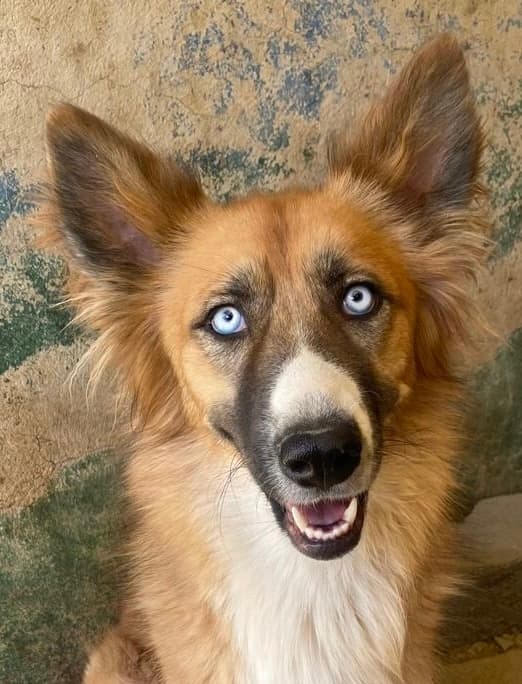
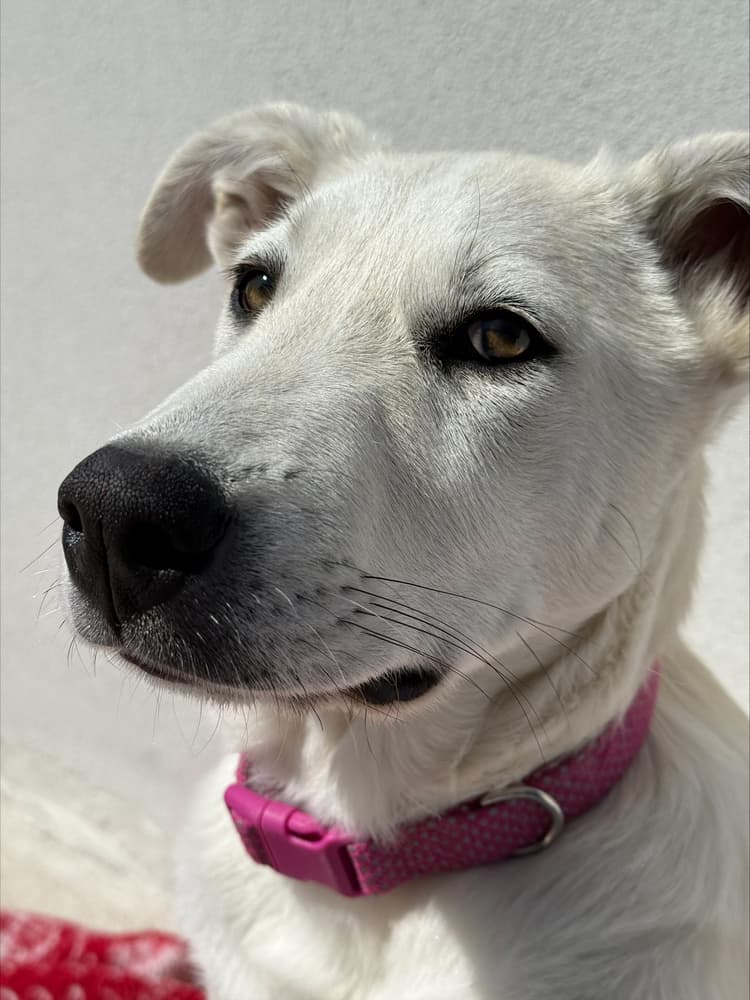
Showing 20 dogs
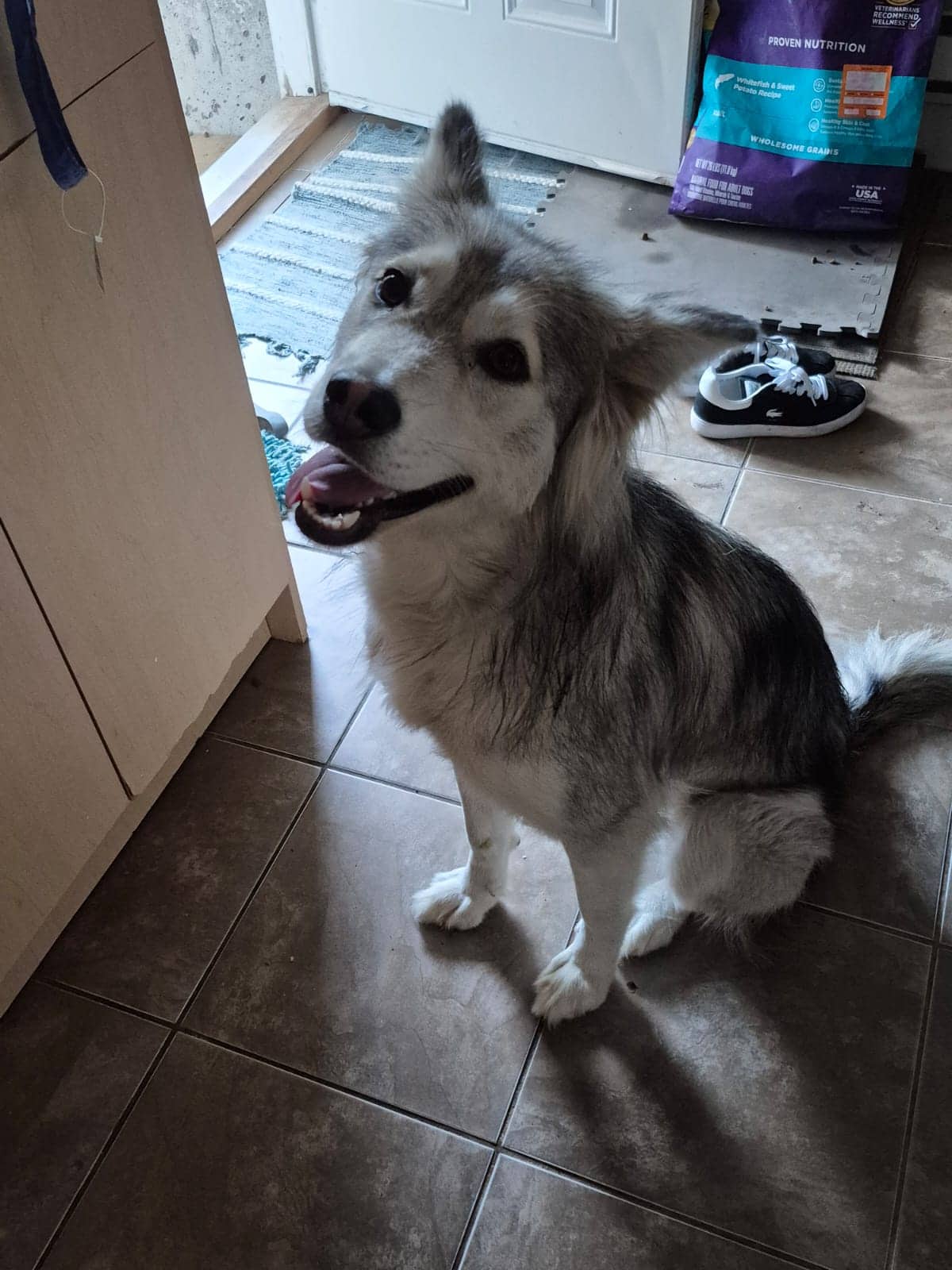
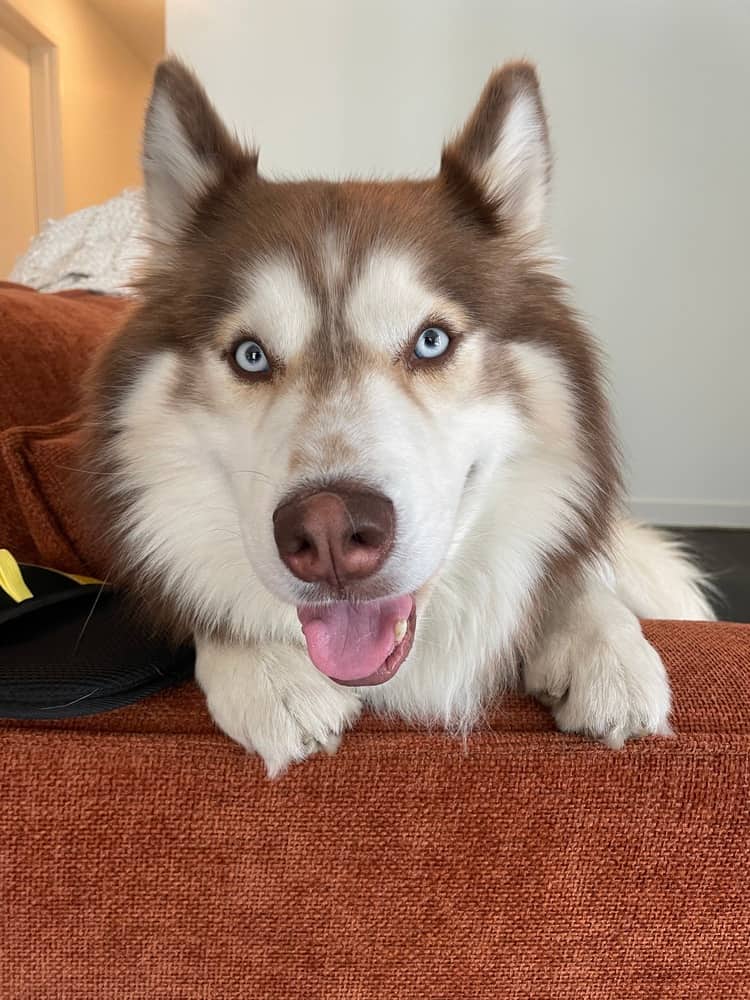
Get notified when a Husky is listed
We will email you the moment a Husky becomes available in British Columbia, from a rescue or an owner rehoming.
Adopting a Husky in British Columbia
Huskies turn up in nearly every BC rescue we follow, from the Lower Mainland to Vancouver Island to the Okanagan. They are one of the most common breeds by intake across the province, and the story we hear from owners is the same one every time. The first home underestimated what owning a Husky actually takes.
This page pulls every adoptable Husky from the launched British Columbia shelters into one searchable place, refreshed regularly. A serious Husky adopter should search province-wide, not city by city. Most rescues will arrange a meet at the foster home regardless of where you live, and the right match in Kelowna or Nanaimo is worth a ferry ride or a drive over the Coquihalla.
Why Huskies cycle through BC rescue
There are two reasons we see Husky after Husky come through the foster system. A meaningful share of BC rescue Huskies arrives through transfer programs from northern and Interior BC communities, where access to spay and neuter services is thin. Many of those dogs started life outdoors, which the foster will tell you about up front.
The other reason is the breed is widely underestimated by buyers. A Husky needs real daily exercise, escapes from confinement, has serious prey drive, and vocalises. The owner who bought a fluffy puppy without thinking about any of that often ends up surrendering within a year or two. The typical Husky in BC rescue is not a damaged dog. It is a normal dog whose first home was the wrong fit.
Built for cold, struggling on the coast
Huskies are one of the few breeds genuinely built for hard winter, and that double coat is more of a liability than an asset in most of populated BC. Coastal cities like Vancouver, Victoria and Nanaimo rarely see deep cold, so a Husky there is carrying a parka it does not need. The bigger problem is the Okanagan. Summers around Kelowna routinely push past 35°C, and a Husky overheats fast.
We tell coastal and Interior adopters the same thing: walk early morning or after dark in summer, never midday, and plan for indoor cooling. A bored Husky in a hot Kelowna July is a behaviour problem waiting to happen. The wet coastal winter is its own issue. A soaked double coat takes a long time to dry, so plan for towels by the door and a routine that keeps the dog from sitting damp.
Health concerns worth asking the foster about
Huskies are a fairly hardy breed, but rescues see a few conditions often enough to ask about up front. Hip dysplasia, hereditary eye conditions (cataracts and progressive retinal atrophy), and skin and coat issues including alopecia X come up most often. A foster who has lived with the dog for weeks knows whether it is moving stiffly, scratching, squinting in bright light, or losing patches of fur. Ask them directly.
What Huskies are actually like to live with
The friendly first meeting is the part of Husky ownership most adopters do see. The harder parts only show up at home, and they are why so many of these dogs end up in rescue:
- Recall is genuinely unreliable. A Husky off-leash on an unfenced trail is a real risk anywhere in BC.
- Escape from a fenced yard is common. Huskies dig, climb, and jump over what looks secure.
- Prey drive is high. Cats, small dogs, and the deer common in BC suburbs are not safe assumptions.
- Vocalisation is part of the breed. Howling carries through condo walls and bothers neighbours, which matters in dense Vancouver buildings.
- Daily exercise needs are real. We tell adopters to plan on at least an hour of vigorous activity, year-round, regardless of weather.
What the fee usually covers
Husky adoption fees at BC rescues sit in the same range as other large rescue dogs in the province. The fee covers the medical work the rescue already paid for: spay or neuter, core vaccinations, microchip, deworming, and a vet check before placement. Confirm the exact number on the dog's own listing, because it varies with age and any special medical care.
How to actually search
Use the filters above to narrow by energy level (Huskies are high), size (large), compatibility (especially cats, which most Huskies are not safe with), and shelter. If a dog fits, apply the same day. Husky inventory across BC moves fast, and well-prepared applicants get the first conversation. Foster homes are usually willing to set up a video call before you cross the strait or drive the Interior for an in-person meet.
Looking more broadly? Browse every adoptable dog across the province on Dog Adoption British Columbia.
Husky Adoption FAQ — British Columbia
Tap a question to expand
How many Huskies are available for adoption in British Columbia?▼
Where can I find Husky adoption near me in British Columbia?▼
Why are there so many Huskies in BC rescue?▼
Are Huskies a good fit for the BC climate?▼
How much does it cost to adopt a Husky in British Columbia?▼
Can I adopt a Husky from Vancouver Island if I live on the mainland?▼
Is LocalPetFinder a Husky rescue?▼
Are there different types of Husky, and what do the colours and eyes mean?▼
Can I get a Husky free to a good home in British Columbia?▼
Are these Huskies for sale in British Columbia?▼
Where can I buy a Husky in British Columbia, and should I?▼
Are there free Huskies in British Columbia, or huskies under $500?▼
Are there Husky puppies in British Columbia, or only adults?▼
Where can I find a Husky near me in British Columbia?▼
Popular dog breeds in British Columbia
Husky adoption by city in British Columbia
Each city page lists only the huskies available from rescues serving that city, with local adoption details.
Need to rehome a Husky?
If you can no longer keep your Husky, you can list them for free on LocalPetFinder. Your dog stays in your home until you find the right family, you screen who applies, and there is no surrender fee. Not sure yet? Our guide to surrendering a dog in Canada walks through every option first.
List your dog for free →