7 Pit Bull puppies available in British Columbia
Under a year old, listed by rescues and shelters. Updated as shelters publish.
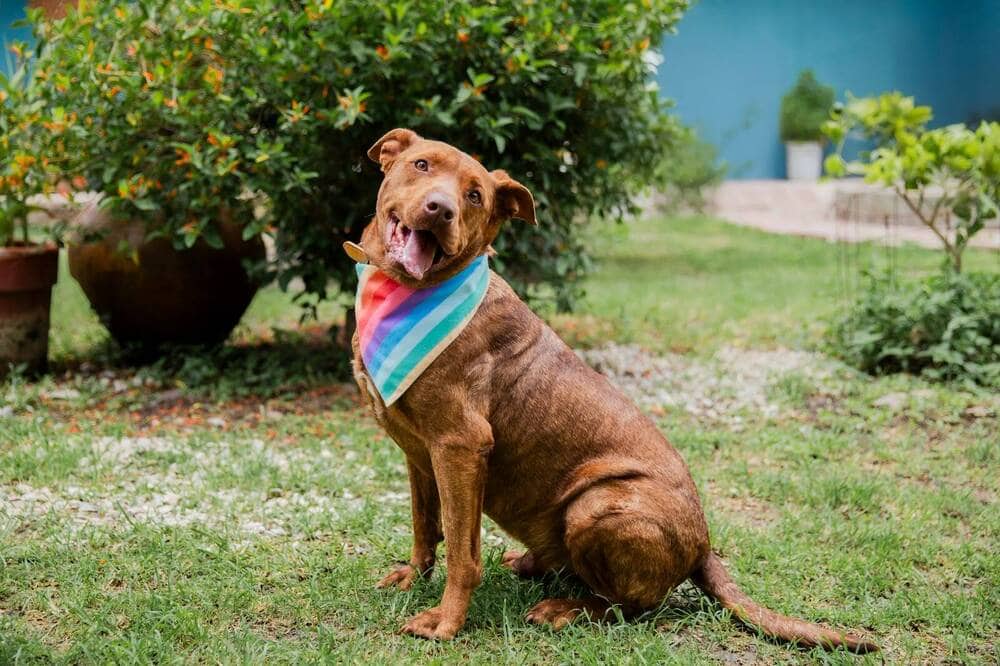
Xena
3 months old · vancouver
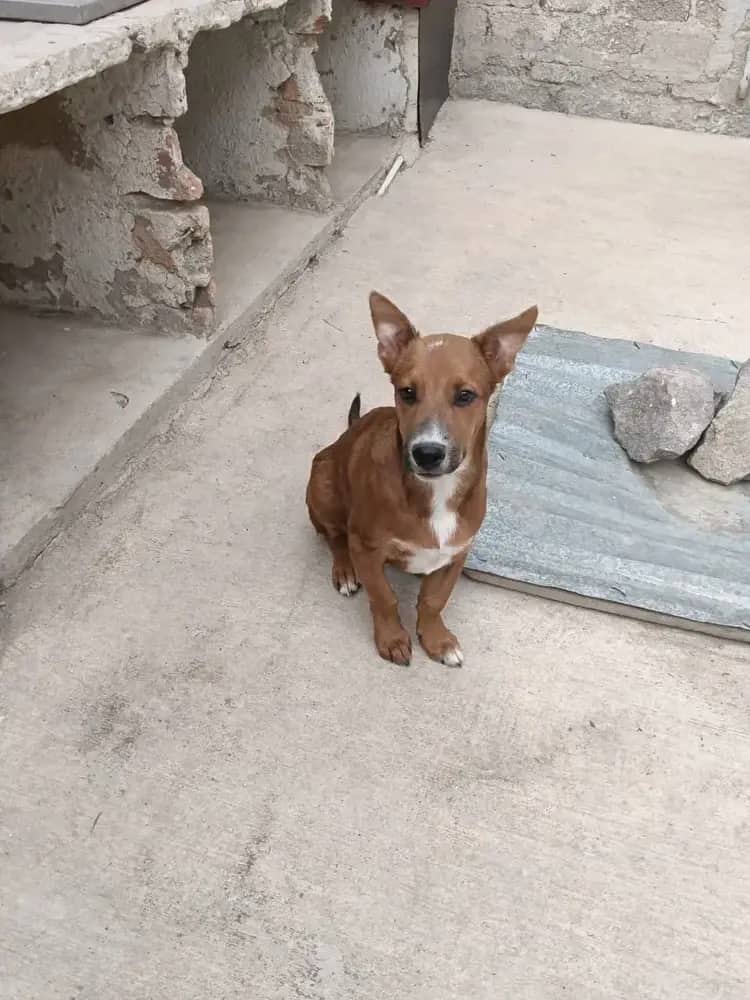
Jasmine
1 year old · victoria
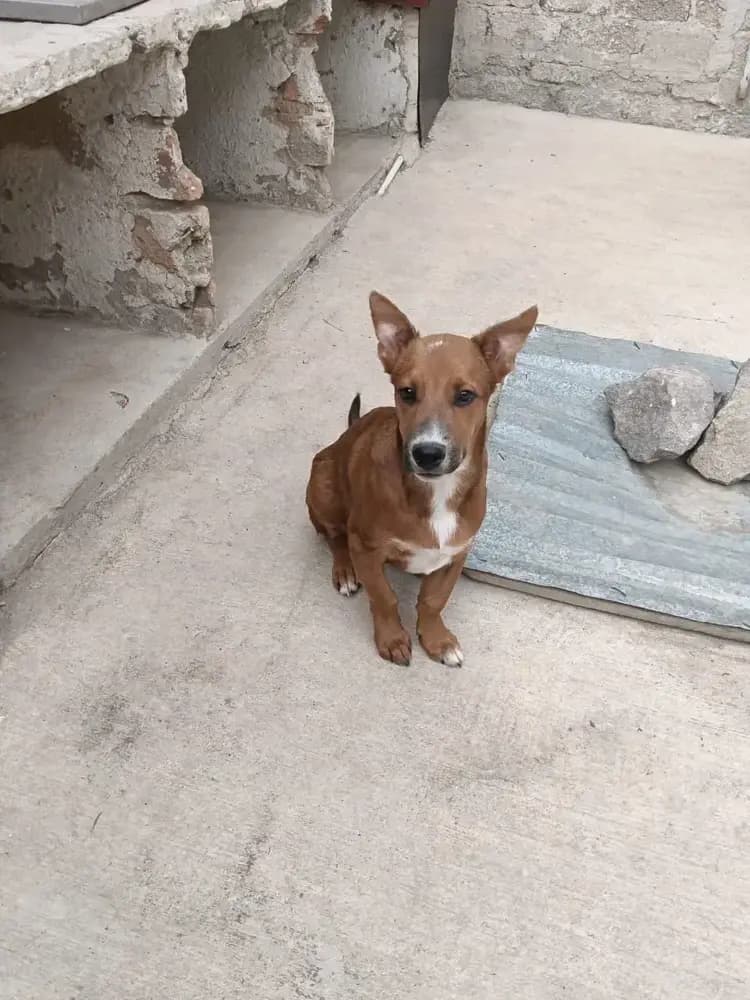
Joey (Fostered)
Puppy · vancouver
Luis
1 year old · abbotsford
Showing 23 dogs
Get notified when a Pit Bull is listed
We will email you the moment a Pit Bull becomes available in British Columbia, from a rescue or an owner rehoming.
Adopting a Pit Bull in British Columbia
Pit Bulls are one of the most common breeds in BC rescue at any given month. Most of the rescues we follow, across Vancouver, Victoria, Kelowna and Nanaimo, usually have Pit Bulls and Pit crosses on the floor. They are also one of the most overlooked. Adopters scroll past the listing because they have heard the stories without meeting the dogs.
This page pulls every adoptable Pit Bull from the launched BC shelters into one searchable place, refreshed regularly. The province-wide view matters for this breed more than any other. Some rescues hold dozens of Pits at a time, and the right match is sometimes in a foster home in a city you do not live in.
Why Pit Bulls cycle through BC rescue
Most Pit Bull surrenders we see come from one of two situations. The first is housing, and in BC it is the dominant one. The Lower Mainland and Victoria rental markets are among the tightest in Canada, and many landlords and strata councils restrict the breed. A renter signs a new lease, the strata updates its bylaws, or a building changes hands, and the household has to choose between the dog and the home.
The second is the dog-on-dog problem. A Pit Bull that lives happily with other dogs for the first year can shift in adolescence into a dog who needs more careful management around other dogs. The household either learns to manage it, or surrenders. There are also plenty of Pits who stay dog-friendly their whole lives. Both patterns are real, and they are why foster homes spend weeks evaluating each dog before placement.
Pit Bulls and BC law and housing
British Columbia has no provincial breed-specific legislation, and Pit Bulls are legal across the province. A few municipalities maintain "dangerous dog" or "vicious dog" bylaws, but these are behaviour-based and apply to individual dogs, not the breed. Adopters should still check their local municipal bylaw, especially in smaller communities.
Housing and strata rules are the bigger practical question. In a strata building, the strata corporation can restrict dogs by size, number or breed, and some Lower Mainland and Victoria buildings do exactly that. Read the strata bylaws and rules before you apply, not after. Insurance is similar: most BC home and tenant insurers cover Pit Bulls without surcharge, but a few exclude them. The foster home usually knows which insurers and buildings have caused trouble for the dog in their care.
Health concerns worth asking the foster about
Pit Bulls are generally healthy by large-dog standards, but there are conditions fosters should answer plainly. Hip dysplasia is the most common. Allergies and skin sensitivities are widespread, often presenting as red itchy skin, hot spots or chronic ear infections, and the damp BC coast can make skin issues worse. Hypothyroidism shows up in some lines, and demodectic mange appears in stressed puppies. A foster who has lived with the dog knows whether it is scratching, holding weight, or breathing comfortably. Ask directly.
What Pit Bulls are actually like to live with
The reputation and the reality of the breed do not match. The first thing most fosters notice about a rescue Pit Bull is how affectionate the dog is with people. The harder parts of the breed show up over time, and they are real:
- Strong drive to be on the couch with their person. Pits bond hard and want physical contact most of the time.
- Stranger-friendly by default, in most cases. This is not a guard dog. Most Pits welcome visitors.
- Dog-on-dog compatibility varies widely. Some live happily with other dogs, some need to be the only dog. Read the listing.
- Prey drive can be high. Cats and small animals are not always safe assumptions.
- Strong jaws and shoulders. Pits play hard. Toys need to be heavy duty.
- Need real exercise. Most Pits are happiest with an hour of activity a day. The couch-potato meme is misleading.
- Sensitive to cold and wet. The short coat means a jacket in a cold snap and drying off after rainy coastal walks.
What the fee usually covers
Pit Bull adoption fees at BC rescues sit in the same range as other large rescue dogs in the province. The fee covers the medical work the rescue already paid for: spay or neuter, core vaccinations, microchip, deworming, and a vet check before placement. Confirm the exact number on the dog's own listing, because it varies with age and any special medical care.
How to actually search
Use the filters above to narrow by energy level, size (large), compatibility (especially around other dogs and cats, where this breed varies the most), and shelter. If a dog fits, apply the same day. Well-prepared applicants get the first conversation. Foster homes are usually willing to set up a video call before you travel across the province.
Looking more broadly? Browse every adoptable dog across the province on Dog Adoption British Columbia.
Pit Bull Adoption FAQ — British Columbia
Tap a question to expand
How many Pit Bulls are available for adoption in British Columbia?▼
Where can I find Pit Bull adoption near me in British Columbia?▼
Are Pit Bulls legal in British Columbia?▼
Why are there so many Pit Bulls in BC rescue?▼
Can my strata refuse a Pit Bull in BC?▼
How much does it cost to adopt a Pit Bull in British Columbia?▼
Can I adopt a Pit Bull from another BC city?▼
Is LocalPetFinder a Pit Bull rescue?▼
Is "pit bull" one breed?▼
Can I get a Pit Bull free to a good home in British Columbia?▼
Are these Pit Bulls for sale in British Columbia?▼
Where can I buy a Pit Bull in British Columbia, and should I?▼
Are there free Pit Bulls in British Columbia, or pit bulls under $500?▼
Are there Pit Bull puppies in British Columbia, or only adults?▼
Where can I find a Pit Bull near me in British Columbia?▼
Popular dog breeds in British Columbia
Pit Bull adoption by city in British Columbia
Each city page lists only the pit bulls available from rescues serving that city, with local adoption details.
Need to rehome a Pit Bull?
If you can no longer keep your Pit Bull, you can list them for free on LocalPetFinder. Your dog stays in your home until you find the right family, you screen who applies, and there is no surrender fee. Not sure yet? Our guide to surrendering a dog in Canada walks through every option first.
List your dog for free →