12 Labrador Retriever puppies available in British Columbia
Under a year old, listed by rescues and shelters. Updated as shelters publish.
Jasmine
1 year old · victoria
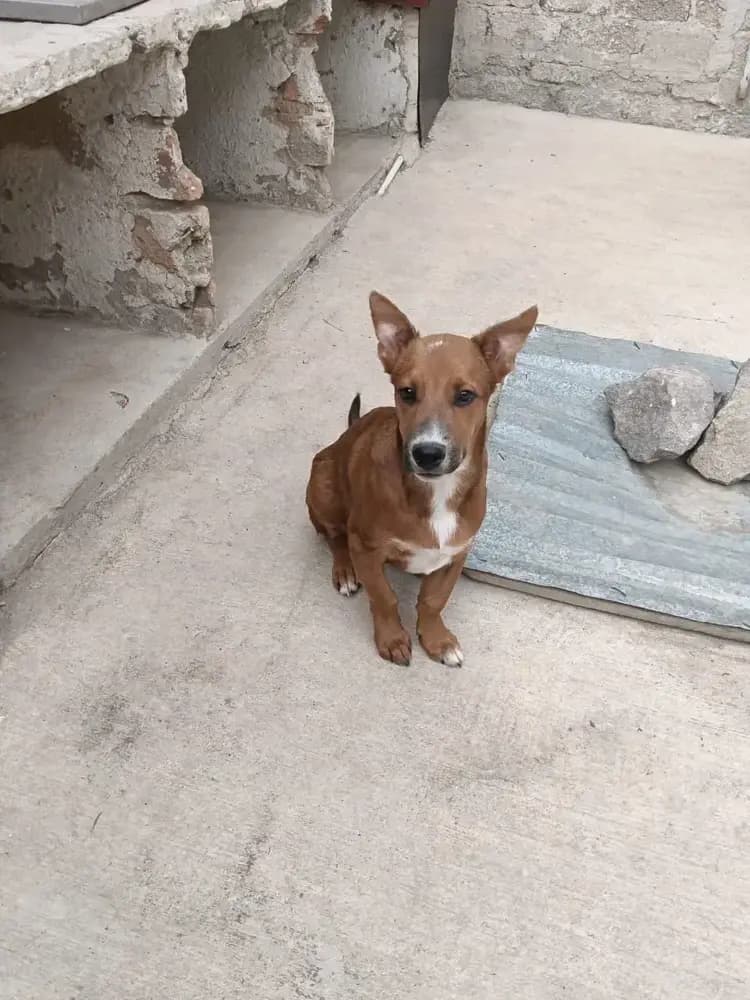
Joey (Fostered)
Puppy · vancouver
Luis
1 year old · abbotsford
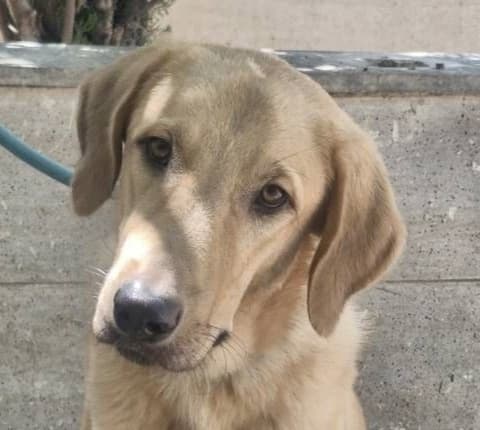
Augie
1 year · vancouver
Showing 57 dogs
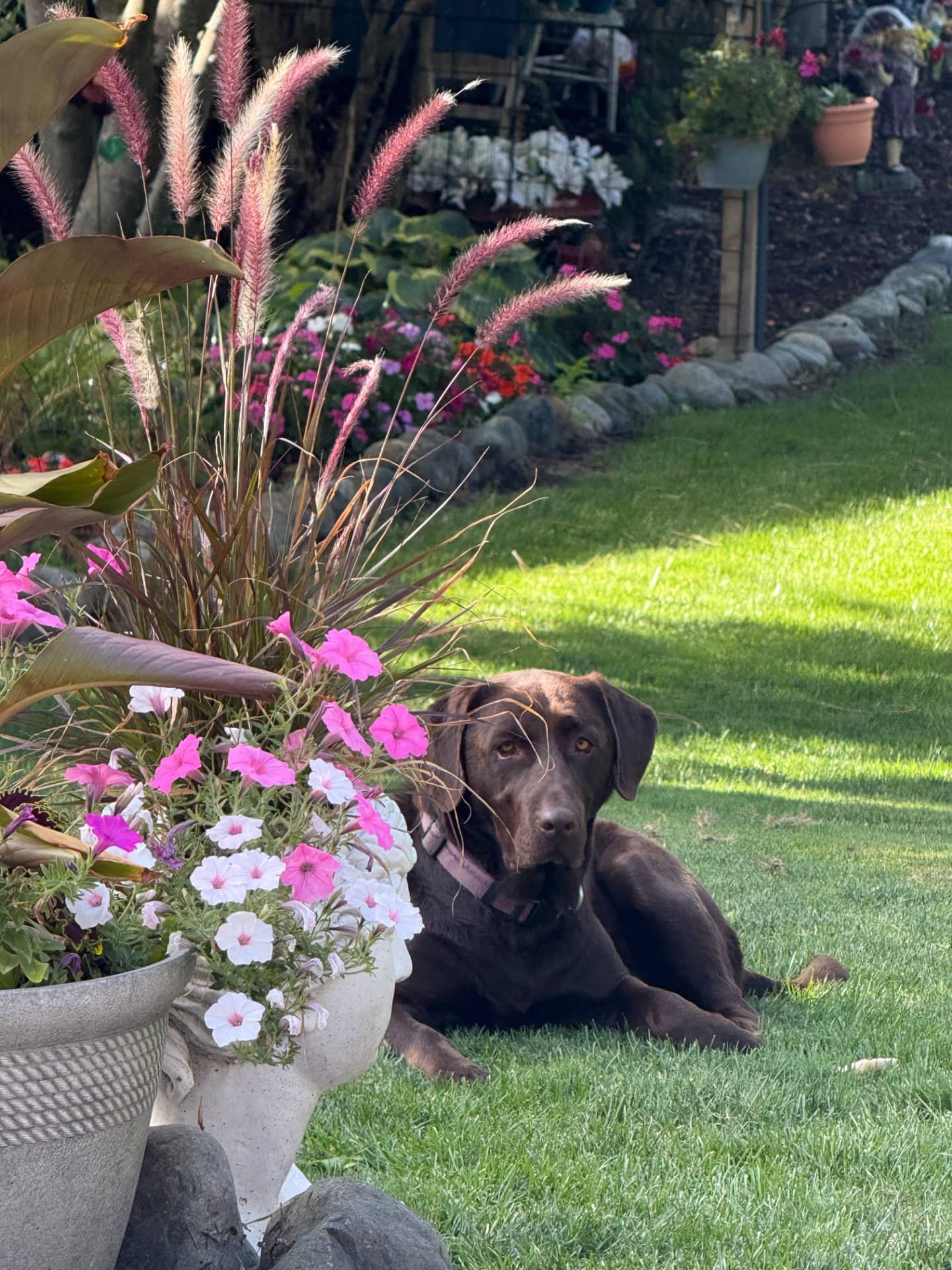
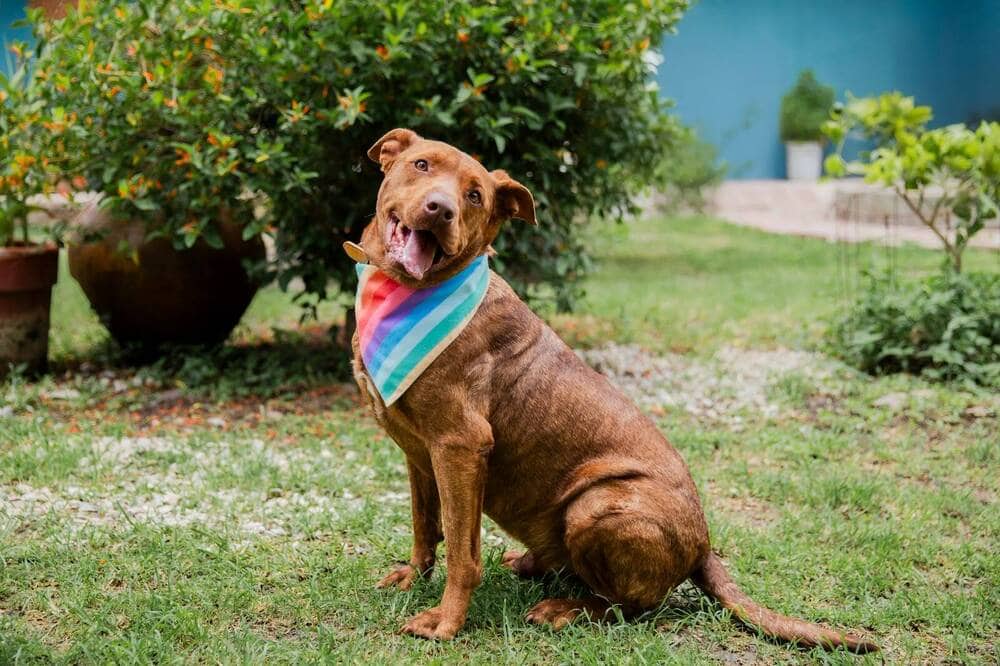
Summer
5 years • Chocolate Lab
Owner Rehoming
Sugar
5 years • Labrador
Owner Rehoming
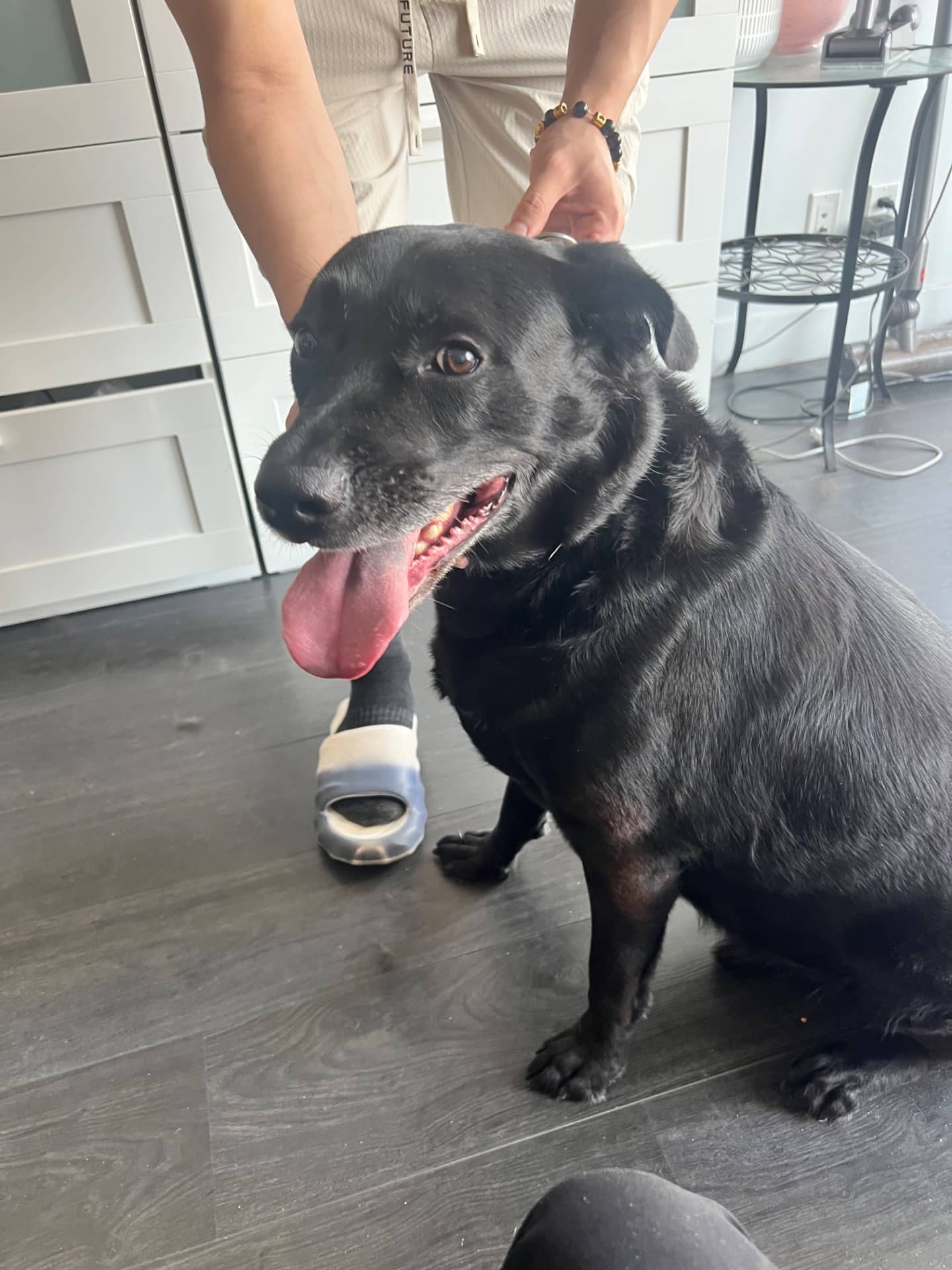
Black sugar
5 years • Labrador
Owner Rehoming
Get notified when a Labrador Retriever is listed
We will email you the moment a Labrador Retriever becomes available in British Columbia, from a rescue or an owner rehoming.
Might also be a match
These 11 dogs look like Labrador Retriever in British Columbia, but their shelter hasn’t listed a breed — so they are recorded simply as a mixed breed. We spotted the resemblance from their photo.
It's a guess from a picture, not a DNA test, so treat it as a starting point. Most rescue dogs are mixes, and the shelter is the best source on any individual dog.
Nemo
~2 years • Mixed
Furever Freed Dog Rescue
Chewbacca
1 year • Mixed
Furever Freed Dog Rescue
Nolan
6.5 months • Mixed
Furever Freed Dog Rescue
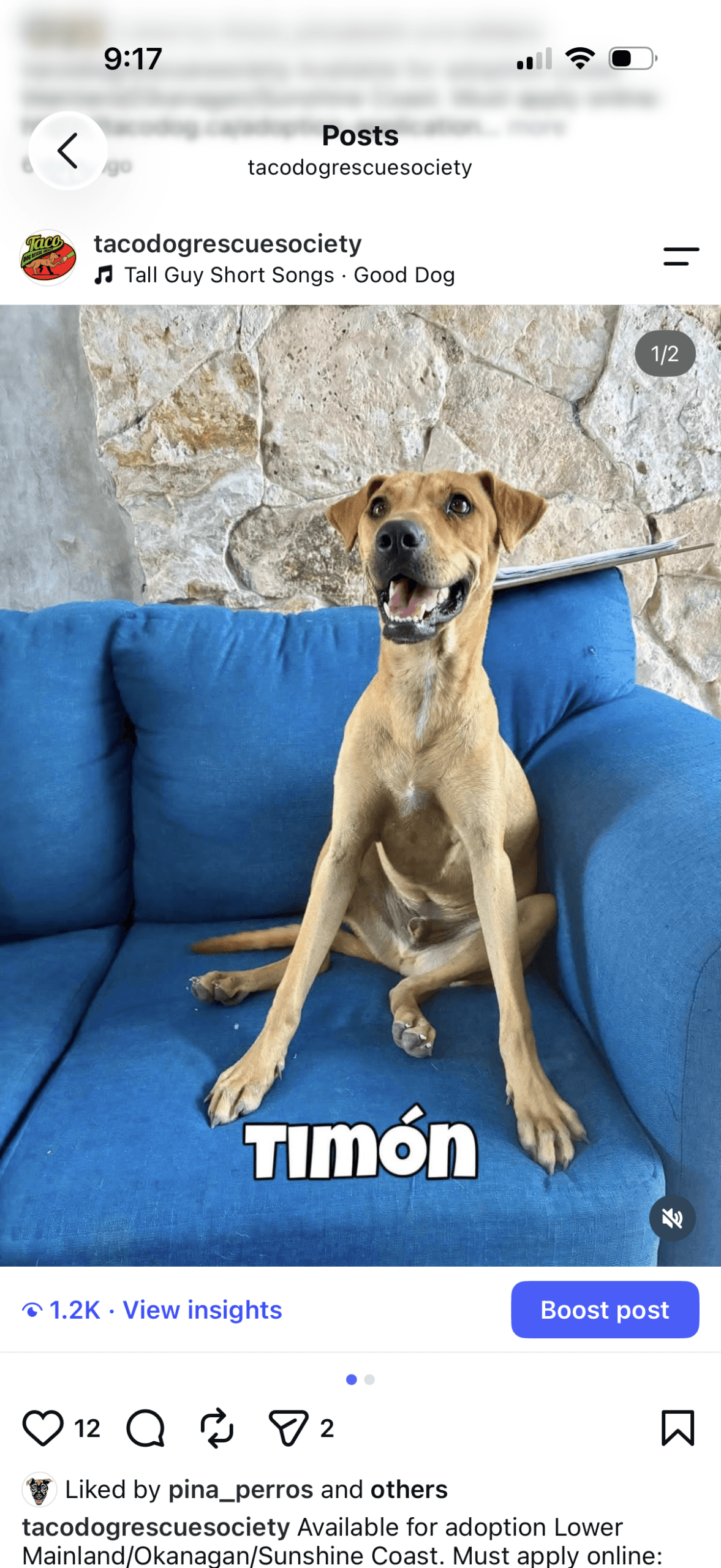
Timon
10 months • Mixed Breed
Taco Dog Rescue Society
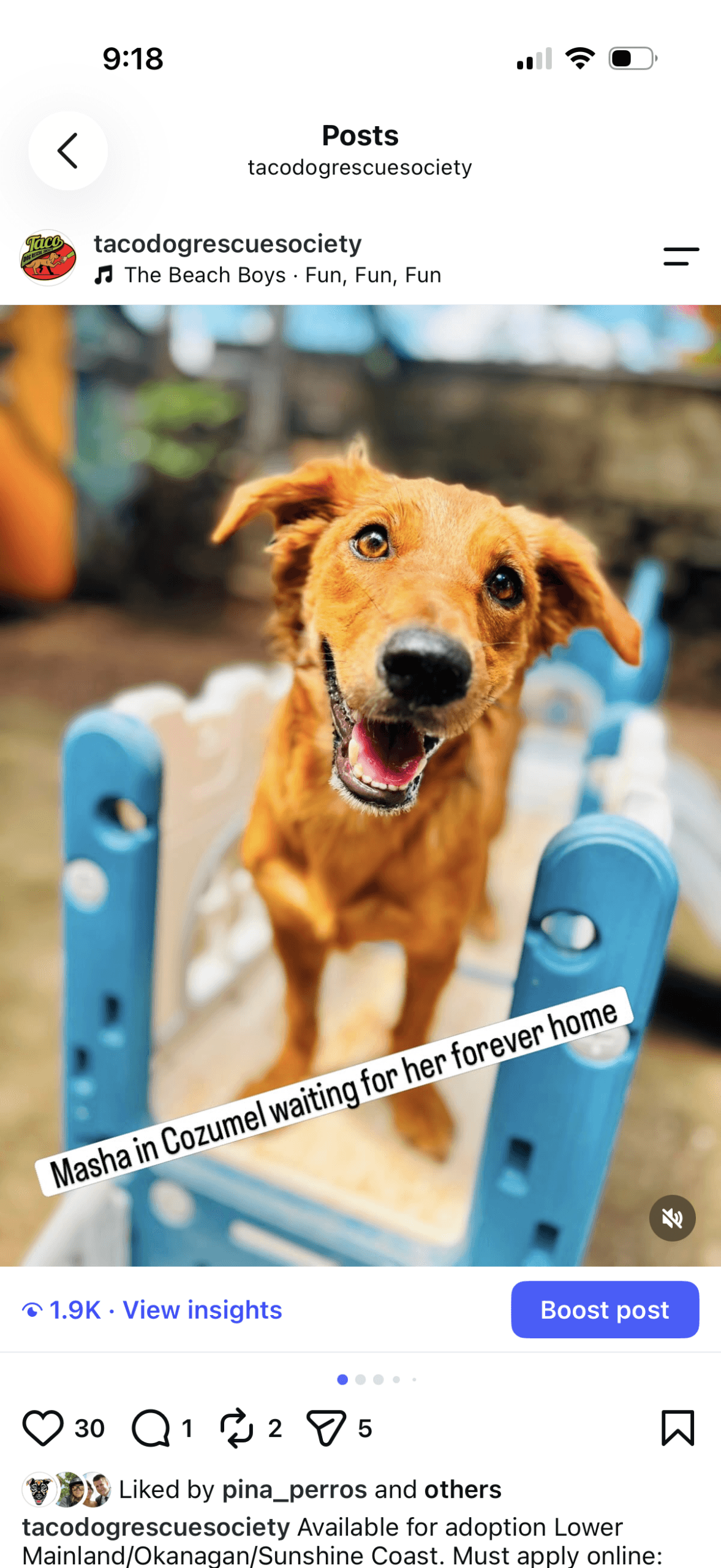
Masha
9 months • Mixed Breed
Taco Dog Rescue Society
Chester
2 years • Mixed
Furever Freed Dog Rescue
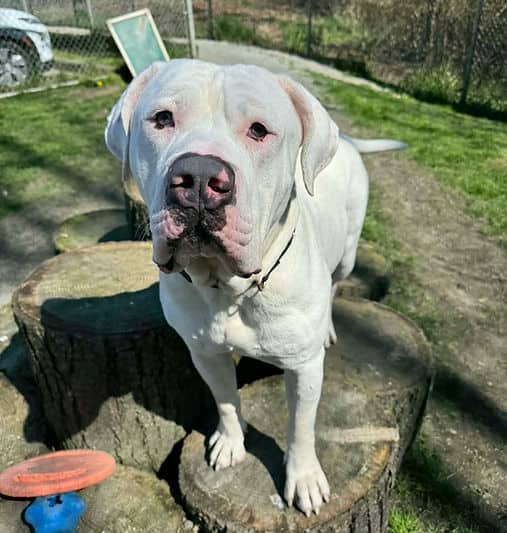
Winston
3 years old • Mixed Breed
HugABull Advocacy & Rescue
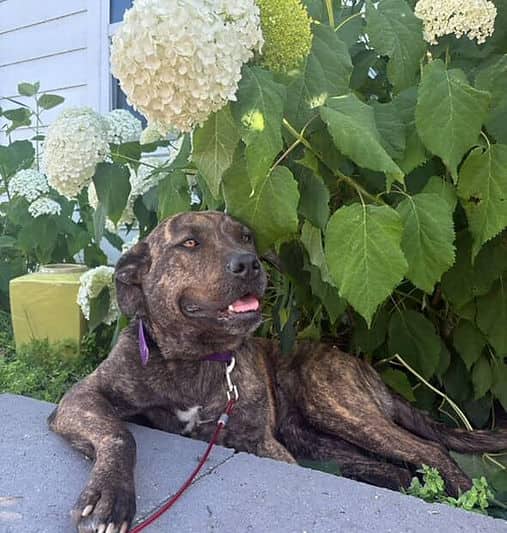
Sky
2 years old • Mixed Breed
HugABull Advocacy & Rescue
Adopting a Labrador in British Columbia
Labradors are listed in BC rescue more often than almost any other single breed, most months of the year. Rescues across Vancouver, Victoria, Kelowna and Nanaimo usually have Labs, Lab mixes and Lab-type dogs on the floor. Some rescues hold a dozen at once.
This page pulls every adoptable Labrador from the launched BC shelters into one searchable place, refreshed regularly. The province-wide view matters for Labs because the inventory is high, the dogs cycle quickly, and the right match is often not in your home city. Foster homes routinely arrange meets regardless of where you live.
Why Labradors cycle through BC rescue
Most Lab surrenders we see come from one of two situations. The first is the assumption that Labs are easy dogs. Adopters bring home a Lab puppy expecting a calm family companion and meet the reality at six months: a 70-pound mouthy adolescent that needs an hour of real exercise every day, jumps on visitors, chews shoes, and steals food off the counter. Some learn to manage it. Some surrender between 8 and 18 months.
The second is the working-line problem. A share of BC Labs come from rural and northern intake, and another share come from hunting and sport breeders who placed energetic, drivey puppies into pet homes that wanted a couch companion. The household has the schedule of a casual walker, the dog has the genetics of a duck retriever, and the math does not work.
What "Lab Mix" actually means in BC rescue
Many of the dogs labelled "Lab Mix" in BC rescue are not Labrador crosses in any genetic sense. Rescue volunteers often label any black, friendly, athletic medium-to-large mixed dog as a Lab mix because that label moves the dog faster than the more accurate "unknown mix" or "pit cross." The dogs are still good dogs. The label just gives them a softer landing.
If you adopt a Lab mix from a BC rescue, ask the foster what the dog acts like, not what the breed line says. The right questions are how the dog handles other dogs, strangers, the leash, and a quiet apartment. The foster knows. The breed label is often a guess.
Health concerns worth asking the foster about
Labs have several well-documented health concerns fosters should answer plainly. Hip and elbow dysplasia are the most common. Exercise-induced collapse shows up in some working lines. Progressive retinal atrophy and cataracts come up in older dogs. Bloat is the emergency every deep-chested large dog owner should know. Obesity is the biggest preventable issue: Labs are food-driven and gain weight fast if exercise drops. A foster who has lived with the dog knows whether it moves smoothly, holds weight, and eats sensibly. Ask directly.
What Labradors are actually like to live with
The Lab reputation as the perfect family dog has a kernel of truth. They are sociable, food-driven, and easy to train when motivated. The harder parts only show up at home, and they are why so many end up in rescue:
- Adolescent energy is real. Between 8 and 18 months expect a dog that needs an hour of vigorous exercise daily.
- Mouthy by nature. Labs explore with their mouth their whole life. Invest in chew-resistant toys.
- Food-motivated to a fault. A Lab will steal food off counters and out of garbage cans. Routines have to change.
- Shed continuously. The short double coat sheds year-round and blows twice a year.
- Love water. Most Labs swim happily, and BC has the ocean, the lakes and countless rivers. This is one breed the wet coast suits well.
- Strong leash pullers. Loose leash walking is a long training project, not an out-of-the-box trait.
- Climate-easy. The double coat handles BC winters, and Labs cool themselves in water in the summer heat.
What the fee usually covers
Labrador adoption fees at BC rescues sit in the same range as other medium-to-large rescue dogs in the province. The fee covers the medical work the rescue already paid for: spay or neuter, core vaccinations, microchip, deworming, and a vet check before placement. Puppy fees may run higher because of additional vaccination rounds. Confirm the exact number on the dog's own listing.
How to actually search
Use the filters above to narrow by energy level (most Labs are medium to high), size (medium to large), age, compatibility, and shelter. If a dog fits, apply the same day. Lab inventory across BC moves fast because demand for the breed is high. Foster homes are usually willing to set up a video call before you travel for an in-person meet.
Looking more broadly? Browse every adoptable dog across the province on Dog Adoption British Columbia.
Labrador Retriever Adoption FAQ — British Columbia
Tap a question to expand
How many Labrador Retrievers are available for adoption in British Columbia?▼
Where can I find Labrador adoption near me in British Columbia?▼
Why are there so many Labradors in BC rescue?▼
Are Labrador mixes in BC rescue actually Labs?▼
Are Labradors a good fit for the BC climate?▼
How much does it cost to adopt a Labrador in British Columbia?▼
Can I adopt a Labrador from another BC city?▼
Is LocalPetFinder a Labrador rescue?▼
Are black, yellow, and chocolate Labs different, and what about English vs American?▼
Can I get a Labrador Retriever free to a good home in British Columbia?▼
Are these Labrador Retrievers for sale in British Columbia?▼
Where can I buy a Labrador Retriever in British Columbia, and should I?▼
Are there free Labrador Retrievers in British Columbia, or labrador retrievers under $500?▼
Are there Labrador Retriever puppies in British Columbia, or only adults?▼
Where can I find a Labrador Retriever near me in British Columbia?▼
Popular dog breeds in British Columbia
Labrador Retriever adoption by city in British Columbia
Each city page lists only the labrador retrievers available from rescues serving that city, with local adoption details.
Need to rehome a Labrador Retriever?
If you can no longer keep your Labrador Retriever, you can list them for free on LocalPetFinder. Your dog stays in your home until you find the right family, you screen who applies, and there is no surrender fee. Not sure yet? Our guide to surrendering a dog in Canada walks through every option first.
List your dog for free →