Showing 10 cats
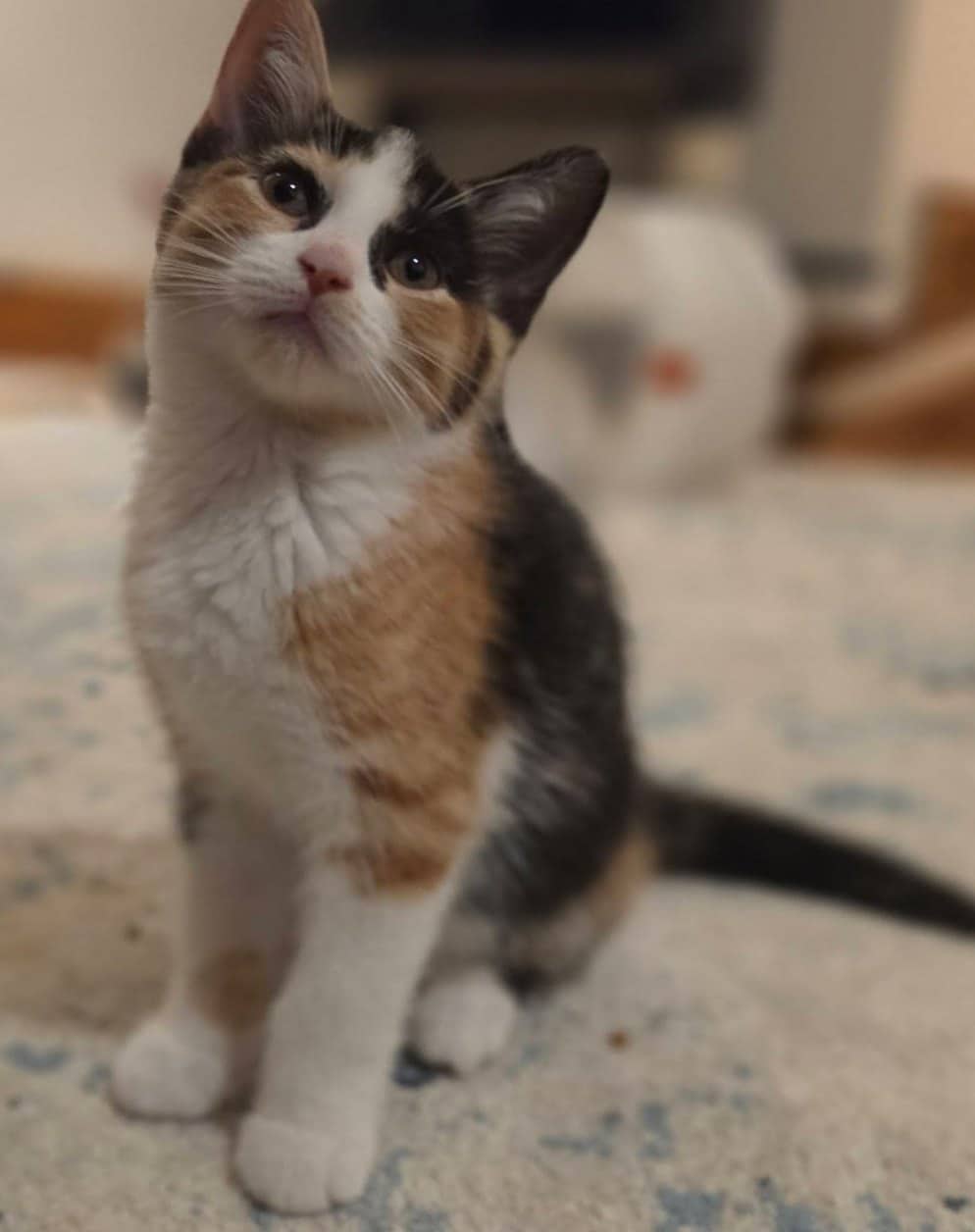
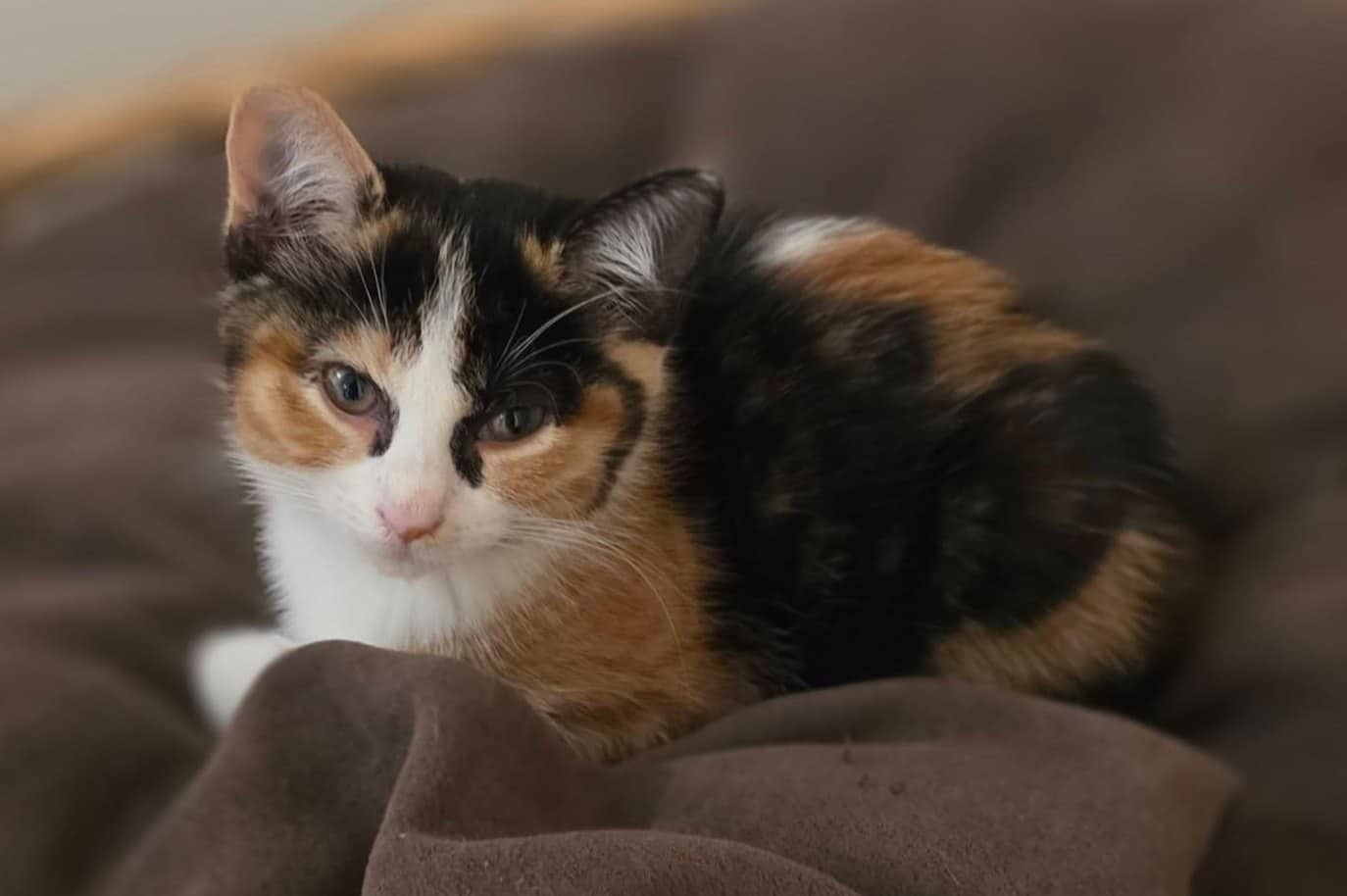
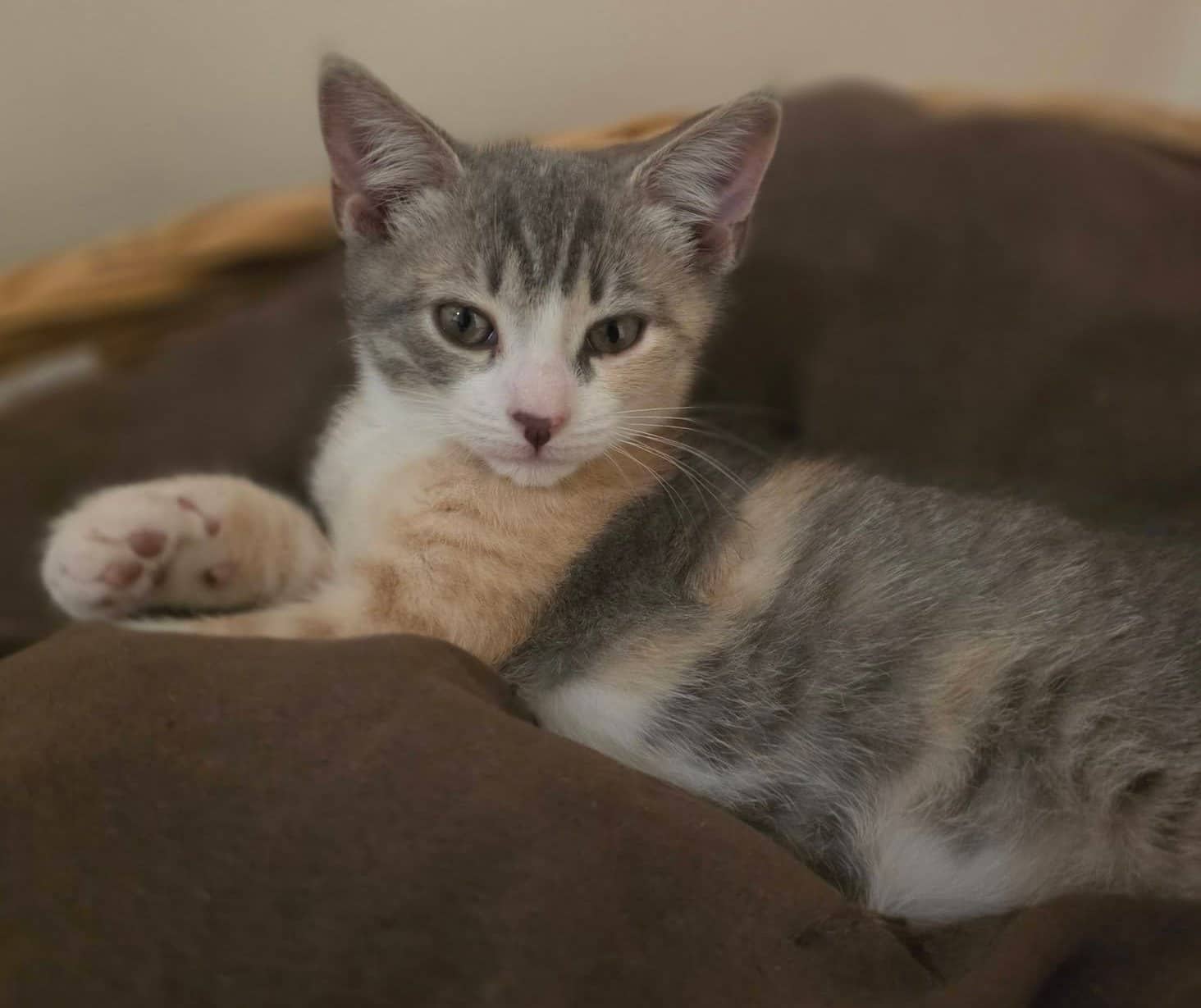

Get notified when a Calico is listed
We will email you the moment a Calico becomes available in Ontario, from a rescue or an owner rehoming.
Adopting a calico in Ontario
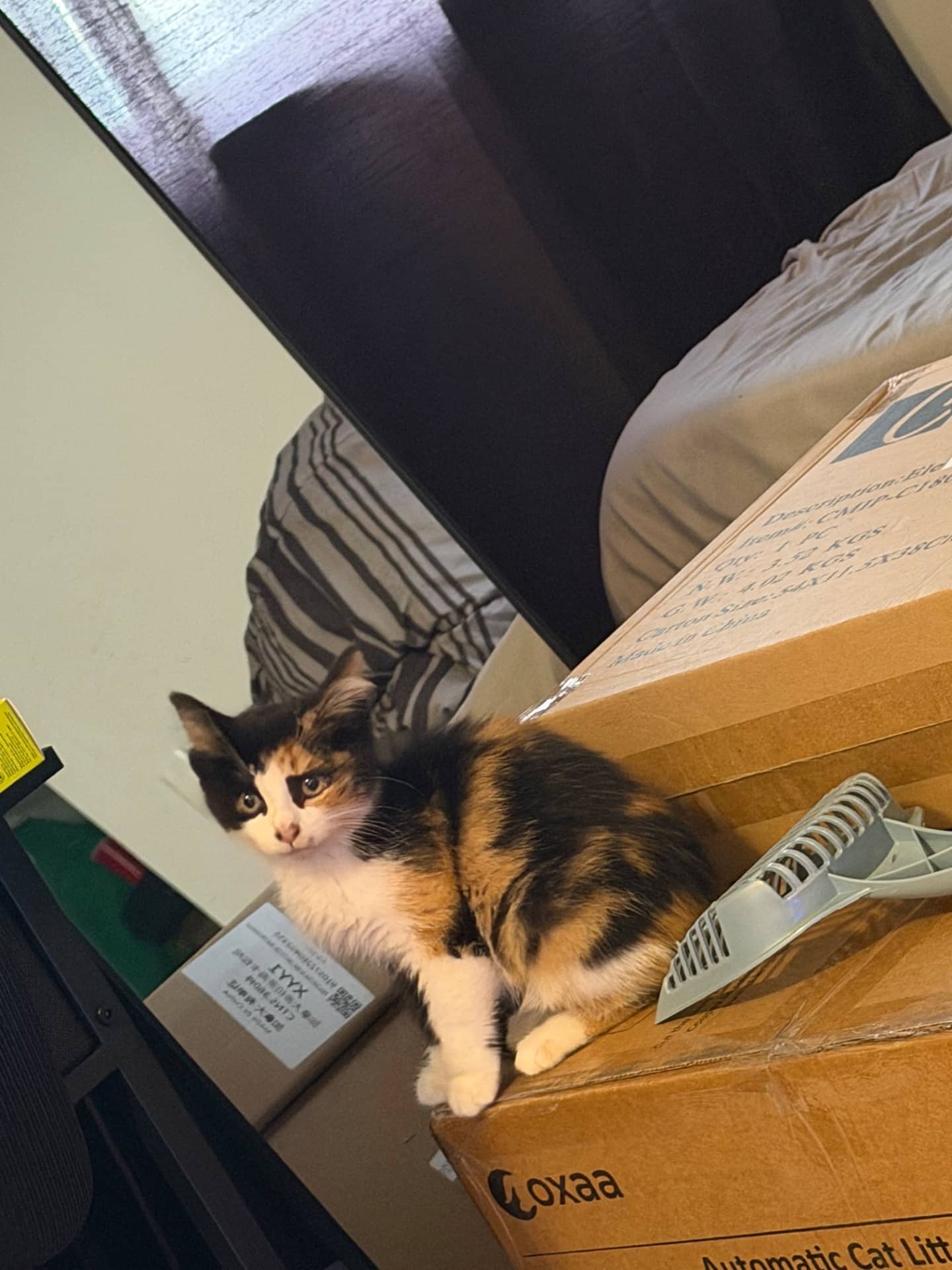
Calico is a tri-colour coat pattern showing black, orange, and white in distinct patches. It is one of the most striking coat patterns in domestic cats and shows up consistently in ON rescue intake. Tortoiseshells, often called torties, are closely related: they show the same black-and-orange combination but typically without the white, and the colours blend rather than form distinct patches.
Calicos and torties are almost always female. The genetics of the orange colour gene, which is on the X chromosome, mean a cat needs two X chromosomes to show the full tri-colour pattern. Males with the pattern do exist but are rare and usually sterile, a result of XXY chromosome combinations. ON rescues see calicos and torties at Toronto Humane Society, Ottawa Humane Society, and Ontario SPCA branches throughout the year.
Pattern is not breed
Calico and tortie are coat patterns, not breeds. The cat underneath is almost always a domestic shorthair or longhair, occasionally a pedigreed breed in the tri-colour pattern. Maine Coons, Persians, and American Shorthairs can all show calico colouring.
Many adopters have heard of "tortitude," the folklore that calico and tortie cats are more opinionated and feisty than other cats. There is no genetic basis for this. Personality comes from breed, socialisation, and the individual cat. Some calicos are bold, some are mellow. Read the foster notes.
What calicos are actually like to live with
Calicos and torties are common in ON rescue, healthy, and largely the same as any domestic shorthair or longhair. The things adopters should plan for:
- Almost always female. Calico and tortie males are extremely rare and usually have health concerns.
- Common in ON rescue. Toronto and Ottawa rescues typically have multiple calicos available.
- Personality varies. Tortitude folklore is not backed by genetics; read foster notes on the specific cat.
- Mostly domestic shorthairs. Healthy, hardy, long-lived.
- Pedigreed calicos exist. Maine Coon, Persian, and American Shorthair can all show the pattern.
- Indoor only. Toronto and Ottawa traffic and urban predator pressure apply as for any cat.
What the fee usually covers
Calico and tortie adoption fees at ON rescues sit in the standard rescue cat range. The fee covers spay or neuter, core vaccinations, microchip, deworming, and a vet check. Confirm the exact figure on the cat's listing.
Looking more broadly? Browse every adoptable cat across the province on Cat Adoption Ontario.
The rescues that most often list Calicos across the province are Toronto Humane Society, Ottawa Humane Society, and Ontario SPCA (Ottawa Area). For breed-specific background, the Canadian Cat Association is a useful reference.
Calico Adoption FAQ — Ontario
Tap a question to expand
How many Calicos are available for adoption in Ontario?▼
Where can I adopt a calico cat near me in Ontario?▼
Are all calico cats female?▼
What is the difference between calico and tortoiseshell?▼
Is tortitude real?▼
How much does it cost to adopt a Calico in Ontario?▼
Popular cat breeds in Ontario
Calico adoption by city in Ontario
Each city page lists only the calicos available from rescues serving that city.