The short answer
Start at the Ottawa Humane Society, Ottawa-area rescues, and northern-breed/husky/malamute rescues, then search Ontario-wide, malamutes land in rescue regularly. Adoption runs about $400 to $800 plus HST (vs $1,500 to $3,000-plus from a breeder), but the real cost is owning a large, active dog. The malamute is a powerful working sled breed, not an easy giant husky: expect serious exercise needs, heavy shedding, a strong prey drive (often a poor mix with cats), digging and escaping (secure fencing essential), and stubborn independence. Not a beginner breed. Affectionate and loyal in an active, experienced home, and it thrives in Ottawa winters.
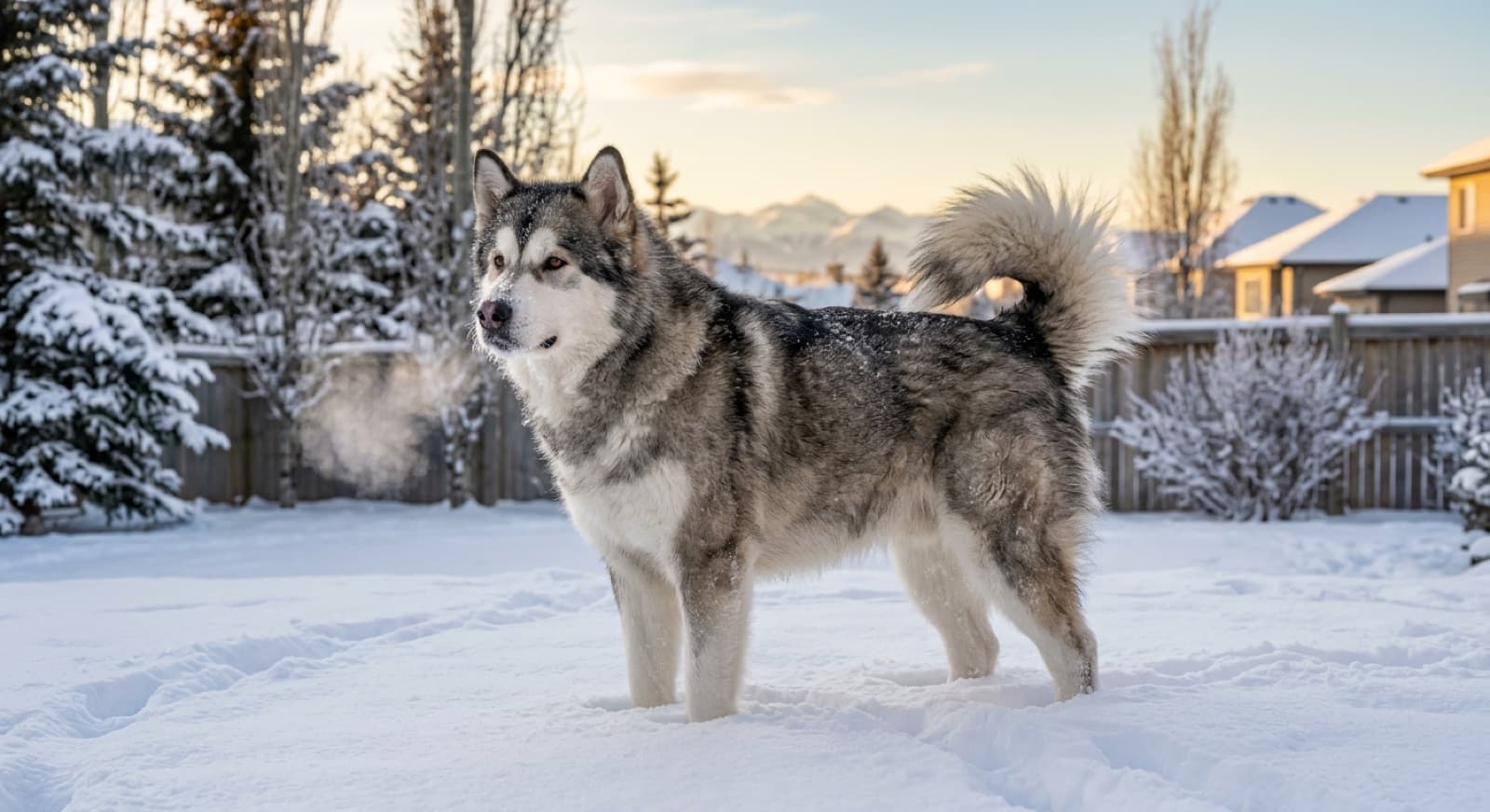
The Alaskan Malamute is one of the most striking dogs there is, a big, powerful, wolf-like sled dog with a plush coat and an affectionate heart. But that stunning appearance draws people who do not realise they are taking on a demanding working breed, with all the exercise, shedding, prey drive, digging, escaping, and stubbornness that comes with it. Understand the working reality before you fall for the looks, and a malamute is a magnificent companion.
Not a beginner breed, and not a big husky-teddy
Malamutes fill rescues because their looks attract owners unready for the working-breed reality. This is a large, strong, stubborn, high-exercise, heavy-shedding, escape-prone dog with strong prey drive, best suited to experienced, active owners. If you are set on one, do the homework, commit to exercise, training, and secure fencing, and read our malamute-vs-husky and is-it-right-for-you guide. Avoid cheap online malamute puppies, which are often poorly bred.
Where to look, and the cost reality
Begin with the Ottawa Humane Society and all-breed Ottawa rescues (Sit With Me Dog Rescue, Rocky Road Rescue, For the Love of Dogs Ottawa Rescue), plus northern-breed and husky/malamute rescues, then widen across Ontario. Being open to an adult, senior, or malamute cross improves your odds. LocalPetFinder pools adoptable dogs from Ottawa and across the province so you can set a breed alert instead of refreshing shelter pages.
Adoption runs about $400 to $800 plus HST and includes spay/neuter, vaccines, microchip, and a vet check, versus $1,500 to $3,000-plus for a breeder puppy. But budget for the real ongoing cost of a large, active dog: substantial food, large-breed vet care, grooming for the heavy coat, the $22 City of Ottawa dog licence, and, importantly, very secure fencing for this digging escape artist. The Canadian Kennel Club has breed background, and our Ottawa low-cost vet guide covers routine-care savings.
Find your malamute in Ottawa
Rescue malamutes come with an honest temperament assessment, so you know the individual dog and whether the breed fits your home. Browse available Alaskan Malamutes and mal mixes from Ottawa and Ontario rescues, refreshed regularly.
See Available Alaskan Malamutes →Frequently Asked Questions
Where can I adopt an Alaskan Malamute in Ottawa?
Start with the Ottawa Humane Society and Ottawa-area all-breed rescues such as Sit With Me Dog Rescue, Rocky Road Rescue, and For the Love of Dogs Ottawa Rescue, then widen the search across Ontario, and look specifically for northern-breed, husky, and malamute rescues, which exist in Ontario because these powerful, high-needs sled breeds are frequently surrendered by owners who underestimated them. Alaskan Malamutes and malamute mixes (often confused with, or crossed with, huskies) turn up in Ontario rescue with real regularity, usually because owners could not meet the breed’s substantial exercise, shedding, and management needs. Being open to an adult, a senior, or a malamute cross will improve your odds. LocalPetFinder aggregates adoptable dogs from Ottawa and across Ontario into one place so you can search by breed and set an alert rather than refreshing shelter pages. Because malamutes are a demanding working breed that suits particular homes, adopting through a reputable rescue, which assesses temperament and is honest about the breed’s needs, is especially valuable, you want a clear picture of the individual dog and a realistic sense of whether this powerful northern breed genuinely fits your life.
How much does it cost to adopt and own an Alaskan Malamute in Ottawa?
Adoption fees at Ottawa-area rescues typically run about $400 to $800 for an Alaskan Malamute or mal cross, plus Ontario’s 13 per cent HST where applicable, and that fee covers spay/neuter, vaccinations, microchipping, and a vet check, hundreds of dollars of care already done. Compare that with a malamute puppy from a breeder, which commonly runs $1,500 to $3,000-plus, and adoption is dramatically cheaper up front. The ongoing cost of a large, active breed is the real budget consideration: malamutes are big dogs (often 75 to 100-plus pounds), so food is a significant monthly cost, and everything, medication doses, beds, crates, gear, boarding, scales up. The breed’s heavy double coat means real grooming effort, especially during the twice-yearly coat blow (though many owners manage it at home with the right tools). Budget also for the $22 City of Ottawa dog licence, quality food, routine vet care at large-breed scale, and, importantly, very secure fencing, malamutes are strong, determined escape artists and diggers, so containment is a genuine expense worth investing in. Adoption keeps the purchase price low; the real investment is the ongoing cost, and the time and exercise, a malamute requires.
Why do Alaskan Malamutes end up in rescue?
Alaskan Malamutes end up in rescue very often, and almost always because of a mismatch between the stunning wolf-like looks that attract people and the demanding working-breed reality behind them. The common surprises that lead to surrender are: the enormous exercise needs (malamutes are powerful sled dogs bred to haul heavy loads over distance, and they need substantial daily activity, a bored, under-exercised malamute is destructive on a large scale); the heavy, relentless shedding (including dramatic seasonal coat blows); the strong independent, stubborn streak that makes training a patience game (malamutes are intelligent but not biddable people-pleasers); the powerful prey drive (risky with cats and small animals); the digging and escaping (malamutes are champion diggers and determined escape artists); and, for some, same-sex dog aggression. Add impulse acquisition driven by the breed’s beauty, and the reality that a large, strong-willed northern dog is a lot to handle, and you get a steady, heavy rescue flow. None of this means malamutes are bad dogs, in the right, experienced, active home they are magnificent, affectionate, loyal companions, but they are emphatically not an easy or beginner breed, and the gap between looks and reality fills rescues. An informed, active, prepared home is exactly what a rescue malamute needs.
Are Alaskan Malamutes good family dogs?
Yes, for the right, active, experienced family, Alaskan Malamutes can be wonderful family dogs, they are typically affectionate, friendly, loyal, and people-oriented, often good-natured and gentle with their family (including children they are raised with), and they thrive on being part of family life (malamutes are pack-oriented and do not do well isolated). But the caveats are substantial and central: they are large, powerful dogs (so supervision around small children is wise simply due to size and exuberance); they need serious daily exercise and can become destructive without it; they shed heavily; they have a strong prey drive (often a poor match for homes with cats or small pets, and requiring caution); they can show same-sex dog aggression (so multi-dog households need careful assessment); they are stubborn and require patient, experienced training and thorough socialisation; and they are escape artists needing secure containment. So a malamute fits an active, experienced family with the time for exercise, the tolerance for shedding, the commitment to training and secure fencing, and ideally no conflicting small pets, and it is a poor fit for a sedentary household, a first-time owner, or a home wanting an easy, low-maintenance dog. For an adopted malamute, the rescue’s honest assessment of the individual dog with kids, other dogs, and small animals is essential.
What is the difference between an Alaskan Malamute and a Siberian Husky?
They are two distinct northern sled breeds that look similar and are often confused, but they differ in important ways that matter for adopters. Size is the most obvious: the Alaskan Malamute is significantly larger and heavier-boned (often 75 to 100-plus pounds), a powerful freighting dog bred to haul heavy loads, while the Siberian Husky is a smaller, lighter, racier dog (typically 35 to 60 pounds) bred for speed and endurance over distance. Temperamentally both are friendly, independent, and stubborn, but malamutes are often described as somewhat more dignified and pack-oriented (and can be more prone to same-sex dog aggression), while huskies are famously energetic and mischievous escape artists. Both shed heavily, both have strong prey drive, both are challenging to train, and both are notorious for unreliable recall and escaping, so both are demanding working breeds unsuited to casual or first-time ownership. The practical differences for an adopter: a malamute is a bigger, stronger dog (more food, more strength to manage, potentially more dog-aggression risk), while a husky is a smaller, often even higher-energy escape artist. In rescue you may find either, or crosses, and dogs are sometimes mislabelled, so focus on the individual dog’s size, energy, and assessed temperament rather than the label. Both are magnificent for the right active, experienced home.
What should I know before adopting a malamute in Ottawa?
The overriding thing: understand that you are adopting a large, powerful, demanding working breed, not an easygoing giant husky-teddy, and that its needs (exercise, grooming, containment, training) are substantial. Practically, several priorities. Secure fencing is essential, malamutes are champion diggers and determined escape artists, so a tall, dig-proofed fence and vigilance about gates and openings are non-negotiable, and they cannot be trusted off-leash in unfenced areas (prey drive plus imperfect recall). Commit to serious daily exercise and mental engagement, and to patient, experienced, positive training plus thorough socialisation. Be ready for heavy, relentless shedding and real grooming, especially the seasonal coat blows. Assess carefully whether the breed’s strong prey drive suits your household (cats and small pets are often a poor mix). On the Ottawa front, the climate is ideal, the Alaskan Malamute is a cold-weather sled breed that absolutely thrives in Ottawa winters and loves cold and snow, while summer heat requires real care (shade, water, cool times, no exertion in heat) for such a heavily coated dog. Adopt through a reputable Ottawa or Ontario rescue that assesses temperament honestly and understands the breed. Go in prepared for the size, exercise, shedding, and management, and an Alaskan Malamute is a magnificent, affectionate, loyal companion.
Related Guides
New dog? Start with these care guides
Everything a new adopter needs to set up a safe, happy home.