The short answer
The cavapoo coat grows continuously and mats, so grooming is a real ongoing job. Plan on brushing several times a week (line brushing to the skin in the mat-prone zones, ears, armpits, groin, belly, feathering) plus professional grooming every 6 to 8 weeks ($55 to $95-plus in Ottawa). A shorter “puppy cut” makes upkeep far easier. Build in ear care (the floppy, hairy ears are infection-prone, dry them after water, clean regularly) and tear-stain management (rule out a medical cause, then gentle daily cleaning and short eye-area hair). Ottawa winters add paw, coat, and ear drying after snowy, salty walks, and a sweater for a small dog.
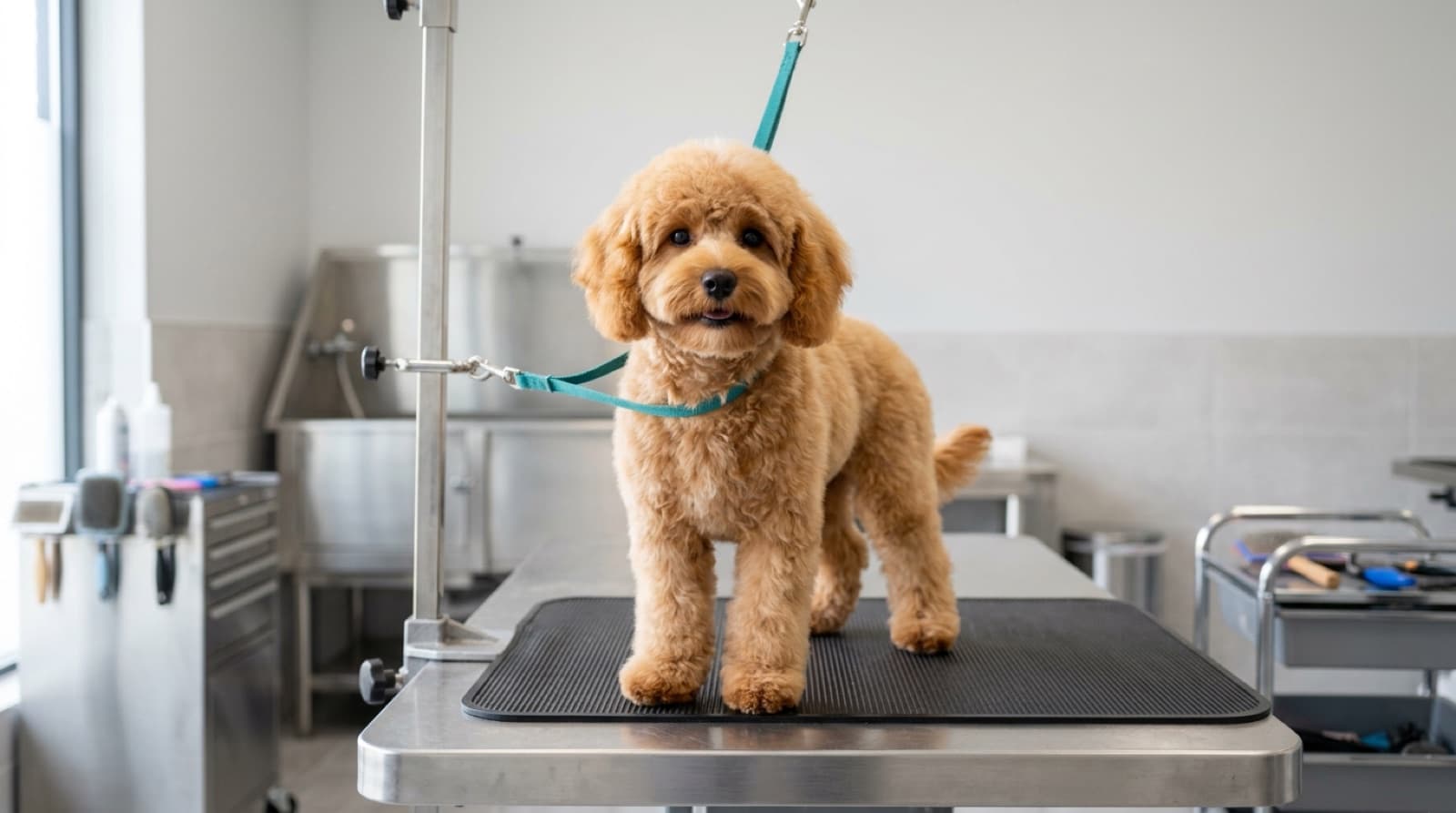
Two things define the hands-on side of cavapoo ownership: the coat and the ears. The soft, wavy doodle coat mats without regular grooming, and the floppy, hair-filled ears inherited from both parent breeds are prone to infection. The good news is that both are manageable with a simple routine, and once it becomes habit, keeping a cavapoo comfortable and looking adorable is straightforward.
Don’t neglect the ears, and dry after water
Cavapoos have floppy, hairy, infection-prone ears, so build ear care into the grooming routine: check often, clean regularly with a vet-recommended cleaner, keep the inner-ear hair managed, and dry the ears thoroughly after every bath, swim, or wet walk. Recurrent infections often signal an underlying allergy, see the vet rather than just cleaning more. Catch the early signs (head-shaking, odour, redness) and act fast.
The coat, ears, and tear stains
Coat. Brush and comb several times a week, working to the skin in the mat-prone zones (behind and under the ears, armpits, groin, belly, leg feathering, under the collar). Add professional grooming every 6 to 8 weeks for the bath, trim, and shaping, and consider a shorter puppy cut to ease maintenance (and watch for the 8-to-12-month coat change when matting spikes). Never bathe a matted dog, and don’t cut mats out with scissors.
Ears and tear stains. Include ear cleaning and hair management in the routine, and for tear staining (common on lighter coats), first rule out a medical cause with your vet, then wipe the eye area daily and keep the eye-area hair trimmed short. Be cautious with over-the-counter stain removers, check with your vet first. See our cavapoo health guide for the medical side, and the Canadian Kennel Club for parent-breed grooming background.
Ready for the coat and ears?
If you are ready for the grooming and ear care, a cavapoo is a sweet, devoted companion. Browse available Cavapoos and cavapoo mixes from Ottawa and Ontario rescues, refreshed regularly.
See Available Cavapoos →Frequently Asked Questions
How much grooming does a Cavapoo need?
Cavapoos are a high-grooming breed, and their soft, wavy or curly coat requires regular, ongoing care to stay healthy and mat-free, much like other doodles. At home, plan to brush and comb several times a week (ideally most days) to prevent matting, paying special attention to the areas that mat fastest: behind and under the ears, the armpits and groin, the belly, the leg feathering, and anywhere friction occurs. Professionally, most cavapoos need grooming every 6 to 8 weeks for a bath, trim, and coat shaping, plus nail trims, ear cleaning and hair management, and sanitary trims, in Ottawa this typically runs $55 to $95-plus per visit for a small dog. Between grooms, the owner must keep up the brushing, ear care, and eye-area cleaning. Many pet owners choose to keep their cavapoo in a shorter “puppy cut,” which is far easier to maintain than a longer coat and reduces matting, this is a perfectly good, practical choice. Whatever the trim, the coat cannot be neglected, or it mats close to the skin and may need shaving. The curlier, lower-shedding coats need the most grooming (the classic doodle trade-off). Building a relationship with a good Ottawa groomer early, and keeping up the at-home routine, is the winning approach for this lovely but high-maintenance cross.
How do I prevent matting in a Cavapoo’s coat?
Matting prevention comes down to frequent, correct brushing plus managing the trouble spots. The cavapoo’s wavy or curly coat mats readily, especially in high-friction areas: behind and under the ears (a classic mat zone that also contributes to ear problems), the armpits and groin, the belly, the backs of the legs, and under a collar or harness. Brush and comb these areas thoroughly several times a week, working down to the skin rather than just over the surface (surface brushing leaves mats forming underneath while the top still looks fine), and use a slicker brush plus a metal comb, checking that the comb passes cleanly to the skin. Brush a dry or lightly misted coat, not a soaking-wet one, and never bathe a matted dog, water tightens mats into felt. If you find a mat, work it out gently with fingers and comb (detangling spray helps) or have the groomer address it, and do not cut it out with scissors, a common way owners accidentally cut the loose skin. Cavapoo puppies also go through a coat change (often around 8 to 12 months) when matting suddenly gets worse, so brushing vigilance goes up then. Keeping the coat in a shorter trim dramatically reduces matting and is the easiest route for many pet owners. Consistent brushing, attention to the mat-prone zones, and professional grooming every 6 to 8 weeks together keep a cavapoo’s coat comfortable.
How do I care for a Cavapoo’s ears?
Ear care is an important, often-overlooked part of cavapoo grooming, because cavapoos inherit floppy, hair-filled ears (from both the Cavalier and Poodle sides) that trap moisture and are prone to infection, so routine care prevents problems. Build ear care into the regular grooming routine: check the ears often for redness, odour, or discharge (early signs of infection), clean them regularly with a vet-recommended ear cleaner as your vet advises, keep the hair inside and around the ear canal managed (a groomer can trim or manage it), and, crucially, dry the ears thoroughly after every bath, swim, or wet walk, since trapped moisture is what breeds infection. Signs of an ear infection, head shaking, scratching at the ears, odour, redness, and discomfort, warrant a vet visit, and recurrent infections often signal an underlying allergy your vet should investigate rather than something to just keep cleaning. Because the floppy-eared, hairy-eared conformation makes this a lifelong susceptibility, consistent ear care is one of the most valuable everyday things a cavapoo owner can do, and it fits naturally alongside the coat brushing and grooming the breed already needs. Ask your groomer to include ear cleaning and hair management as part of the regular grooming appointment.
How do I deal with tear stains on a Cavapoo?
Tear staining, the reddish-brown discolouration under the eyes, is common in cavapoos, especially on lighter coats, and while it is largely cosmetic, it is worth managing for hygiene and appearance. The staining comes from tears and porphyrins (pigments in tears) combined with moisture that lets yeast and bacteria grow in the damp facial hair. The first step is to rule out a medical cause with your vet, because excessive tearing can stem from blocked tear ducts, eye irritation, allergies, ingrown lashes, or eye conditions (and cavapoos can inherit eye issues), and if there is an underlying problem, treating it matters more than cleaning the stains. For routine management: gently wipe the eye area daily with a damp cloth or a vet-approved eye wipe to remove tears and debris, keep the hair around the eyes trimmed short (a groomer can do this) so it does not wick tears onto the face, keep the area dry, and maintain good facial hygiene. Be cautious with over-the-counter tear-stain removers and supplements, some contain antibiotics or unproven ingredients, so check with your vet before using them. Consistency with gentle daily cleaning and keeping the eye-area hair short does more than any product. For an Ottawa cavapoo, this becomes a small part of the daily grooming routine, and it pairs naturally with the eye-monitoring that the breed’s heritage makes worthwhile.
Does Ottawa’s climate affect Cavapoo grooming?
Yes, in practical ways worth planning for. In Ottawa winters, a cavapoo’s coat and feathering pick up snow, ice balls, and road salt on walks, and the ears, already infection-prone, can trap moisture from snow, so wipe and thoroughly dry the coat, feathering, paws, and especially the ears after winter outings, and rinse the paws and belly to remove irritating, harmful road salt. Snow-clumping in a curlier or longer coat is a real winter nuisance, and because cavapoos are small dogs that do not love extreme cold, many owners keep the coat trimmed to a practical length and use a sweater or coat for winter walks (a shorter coat also dries faster). In the warmer months, if your cavapoo gets wet, dry the ears meticulously afterward since moisture triggers ear infections, and watch for pollen exposure that can drive allergies and ear inflammation. Year-round, moisture is the enemy of both a mat-free coat and a healthy ear, so thorough drying after any wet activity is the recurring theme. None of this changes the core routine, frequent brushing, regular ear cleaning, and professional grooming every 6 to 8 weeks, but Ottawa’s seasons add winter paw, coat, and ear drying and a bit more vigilance in allergy season. A good groomer can advise on a seasonally practical trim, and a shorter winter cut often makes the whole routine easier.
Related Guides
New dog? Start with these care guides
Everything a new adopter needs to set up a safe, happy home.