The short answer
Chow Chows are aloof, independent, dignified, and cat-like, devoted to their own family, reserved with strangers, and driven by a strong guardian instinct. They are intelligent but not eager to please, so training relies on respect and high-value rewards, not force (a pushed Chow digs in). The breed is genuinely an experienced-owner dog: without early, thorough socialisation the natural reserve can tip into suspicion or reactivity. Chows are low-energy (a plus), but Ottawa summer heat means careful timing. They are best in calm adult or older-child households, often as the only dog. Get the socialisation and handling right and you have a loyal, discerning companion, not a cuddly pushover.
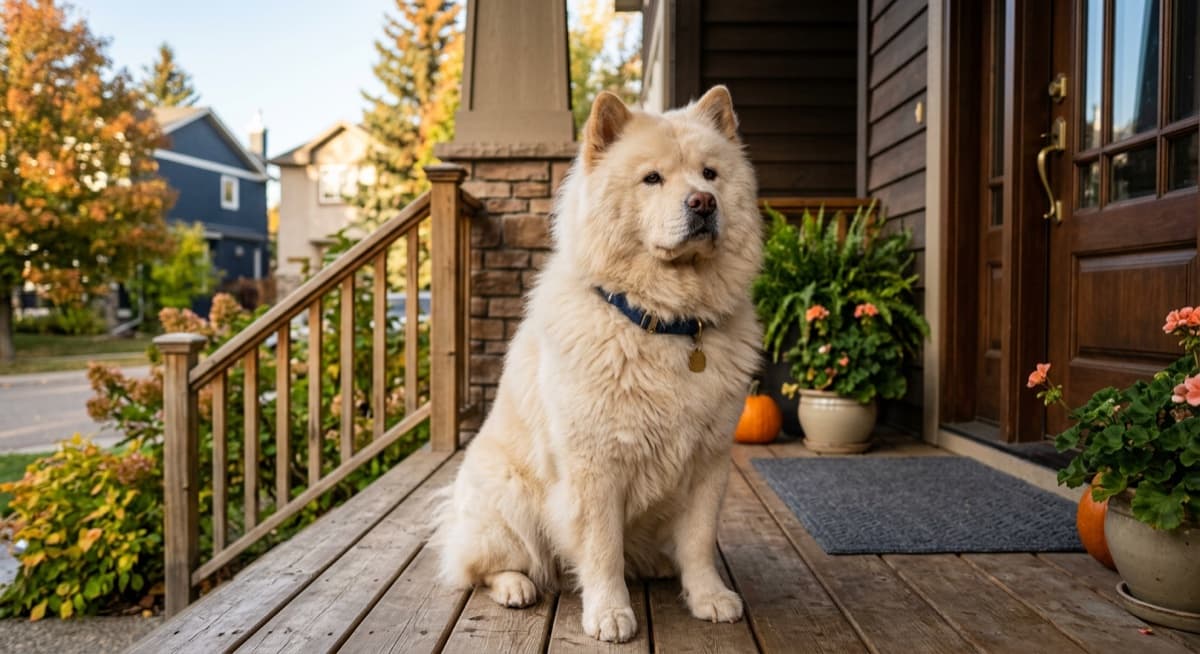
More than almost any other breed, the Chow Chow is defined by its temperament, and the owners who thrive with one are the owners who understand and appreciate what that temperament actually is. A Chow is not a Labrador in a fluffy coat. It is closer to a dignified, self-possessed cat that happens to be a large, loyal, guardian dog. Get that, and the rest of ownership makes sense.
The aloof, cat-like guardian
Chows are deeply loyal and affectionate with their own family but reserved, even standoffish, with strangers. They are quiet, clean, and territorial, with a strong guardian instinct, and they bond most closely with one or a few people. They are not people-pleasers, and they do not live to work for you; they love you on their own terms. This aloofness is a breed feature, not a flaw.
But combined with the guardian instinct, it is exactly why the breed demands experienced ownership. Left unshaped, the natural reserve tips easily into suspicion or reactivity. The Chow’s deep-set eyes also give it limited peripheral vision, so an abrupt head-on or side approach can startle it, teach people to approach calmly and let the dog come to them.
Socialisation is not optional for this breed
Early, thorough socialisation, positive, controlled exposure to many people, dogs, and situations, is the single most important thing you can do to raise a safe, confident Chow. A well-socialised Chow is discerning but not aggressive. An under-socialised Chow with the same genetics can be a serious liability. Never punish a warning growl, that removes the warning, not the feeling. Get professional help early if you see reactivity.
Training a dog that chooses whether to bother
Chows are intelligent but independent and low in the eager-to-please drive, so they are more challenging to train, not because they cannot learn but because they decide whether it is worth it. Training relies on making cooperation genuinely worthwhile and on mutual respect, not repetition or force. Start early, keep sessions short and interesting, use high-value rewards, and be calm, patient, and absolutely consistent.
Harsh corrections and dominance approaches backfire, a Chow that feels pushed digs in, because confrontation is what an independent guardian resists. Focus on the essentials: reliable basic manners, calm greetings, accepting handling and grooming (important for the coat and the eyes), and above all socialisation. A force-free Ottawa trainer experienced with independent or guardian breeds is a genuine asset; see the Canadian Kennel Club for breed background, and our Chow adoption guide for the ownership reality.
Ready for a dignified companion?
Ottawa rescues assess each Chow’s temperament honestly and match to the right home, calm, experienced, respectful of the breed. Browse available Chow Chows and mixes now.
See Available Chow Chows →Frequently Asked Questions
What is a Chow Chow’s temperament like?
Chow Chows are dignified, aloof, independent, and famously cat-like in personality, and understanding that is the key to living with one happily. A Chow is typically deeply loyal and affectionate with its own family but reserved, even standoffish, with strangers, and it is not a naturally exuberant, everybody’s-friend dog like a Labrador. Chows are quiet, clean, and territorial, with a strong guardian instinct, and they tend to bond most closely with one or a few people. They are not people-pleasers in the way biddable breeds are, and they do not live to work for you, they are more like a self-possessed roommate who loves you on their own terms. This aloofness is a breed feature, not a flaw, but combined with the guardian instinct it means early, thorough socialisation and calm, consistent handling are essential so the reserve does not tip into suspicion or reactivity. For the right owner, one who appreciates an independent, dignified dog rather than a needy one, the Chow is a rewarding, loyal companion. For an owner expecting a cuddly, biddable dog, the fit is often wrong.
Are Chow Chows aggressive?
Chow Chows are not inherently vicious, but the breed’s combination of a strong guardian instinct, territoriality, aloofness with strangers, and independent, low-appeasement temperament means poorly socialised or poorly handled Chows can become suspicious, reactive, or aggressive, which is why the breed is genuinely an experienced-owner dog. A well-bred, well-socialised, well-handled Chow is calm, dignified, and discerning rather than aggressive, but the margin for error is smaller than with a soft, biddable breed. The keys to a safe, sociable Chow are early and extensive socialisation to many people, dogs, and situations while the dog is young; calm, consistent, positive handling that builds trust rather than confrontation (a Chow that feels cornered or bullied will not comply, it will resist); and respecting the breed’s space and warning signals. Chows also have somewhat limited peripheral vision from their deep-set eyes, so approaching one head-on or from the side abruptly can startle it, teach people to approach calmly and let the dog come to them. Supervise around strangers and children, and never punish a warning growl (that removes the warning, not the feeling). Handled correctly, the breed is trustworthy; handled carelessly, the guardian traits can become a problem.
Are Chow Chows hard to train?
Chow Chows are intelligent but independent and low in the eager-to-please drive that makes breeds like Golden Retrievers easy, so they are more challenging to train, not because they cannot learn but because they choose whether to bother. A Chow will often do a known cue only if it sees the point, which means training relies on making cooperation genuinely worthwhile and on a relationship of mutual respect, not on repetition or force. What works: start early, keep sessions short and interesting, use high-value rewards, and be calm, patient, and absolutely consistent. What does not work: harsh corrections, heavy-handed dominance approaches, or drilling, a Chow that feels pushed will simply dig in, because confrontation is exactly what an independent guardian breed resists. Focus training on the essentials, reliable basic manners, calm greetings, accepting handling and grooming (important given the coat and the eyes), and above all thorough socialisation. Do not expect precision obedience or trick-dog enthusiasm; expect a dignified dog who knows the house rules and chooses to follow them because the relationship is good. A force-free Ottawa trainer experienced with independent or guardian breeds is a genuine asset. This is not a beginner’s training project.
Why is socialisation so important for a Chow Chow?
Because the Chow’s natural aloofness and guardian instinct, left unshaped, tip easily into suspicion and reactivity, and early, thorough socialisation is the single most important thing you can do to raise a safe, confident Chow. A young Chow needs positive, controlled exposure to a wide variety of people (including children), other dogs, environments, sounds, and handling, so that its default toward the unfamiliar is calm confidence rather than wary defensiveness. This window is most powerful in puppyhood but socialisation continues throughout the dog’s life. For an adopted adult Chow whose early socialisation you cannot know, work within the dog’s comfort level: introduce new things gradually and positively, do not flood or force, respect the dog’s signals, and get professional help if you see reactivity. A well-socialised Chow is discerning but not aggressive, reserved with strangers but not dangerous, exactly the dignified guardian the breed is meant to be. An under-socialised Chow with the same genetics can be a serious liability. Socialisation is not optional for this breed; it is the core of responsible Chow ownership.
Are Chow Chows good with children and other pets?
It depends heavily on the individual dog, its socialisation, and the management, and the Chow is not a natural, easygoing family-with-toddlers or multi-pet breed the way some others are. Chows are territorial, reserved, and not especially tolerant of rough or unpredictable handling, so while a well-socialised Chow raised with respectful older children can do well, the breed is generally a poor match for homes with very young children or chaotic environments, and all interactions with children must be supervised. With other dogs, Chows can be same-sex aggressive and are often not dog-park dogs; many prefer to be the only dog or do best with a calm, familiar companion, and careful, gradual introductions plus honest assessment of the individual are essential. With cats and small animals, it varies, some Chows coexist fine, others have prey drive. The honest summary: a Chow can fit a calm adult or older-child household with respectful handling and good management, but it is not a plug-and-play family or multi-pet dog. Rescues assess this and match honestly, tell them your household and follow their guidance.
Do Chow Chows need a lot of exercise?
No, and this is one of the breed’s conveniences. Chow Chows are relatively low-energy, dignified dogs that do not need the intense exercise of a working or sporting breed. A couple of daily walks and some yard or play time generally satisfy an adult Chow, making the breed a reasonable fit for a calmer household or even apartment living, provided the owner can manage the coat and the temperament. The critical Ottawa caveat is heat: because of the thick coat and shortish muzzle, exercise must be timed to the cool of the day in summer (early morning or evening), and hot, humid weather calls for short, careful outings to avoid overheating. In winter, by contrast, the Chow is in its element, the coat handles Ottawa cold beautifully. Mental engagement and consistent handling matter more than physical exhaustion for this breed, so the exercise need is modest, but it must be delivered with heat safety in mind. A well-exercised, well-handled Chow is a calm, content housemate; the training and socialisation work, not the exercise, is where the real effort goes.
Related Guides
New dog? Start with these care guides
Everything a new adopter needs to set up a safe, happy home.