The short answer
The cocker’s heavy, hairy ears trap moisture, so chronic ear infections are the breed’s signature problem, and prevention is everything. Clean the ears regularly with a vet-recommended cleaner (often weekly), dry them thoroughly after every bath, swim, or wet walk, keep the inner-ear hair managed, and treat any underlying allergy. For the coat, brush several times a week (the ears, armpits, groin, belly, and leg feathering mat first) plus professional grooming every 6 to 8 weeks; a shorter “puppy cut” makes upkeep far easier. Watch for head-shaking, odour, or redness and act fast. Ottawa winters add paw, coat, and ear drying after snowy, salty walks.
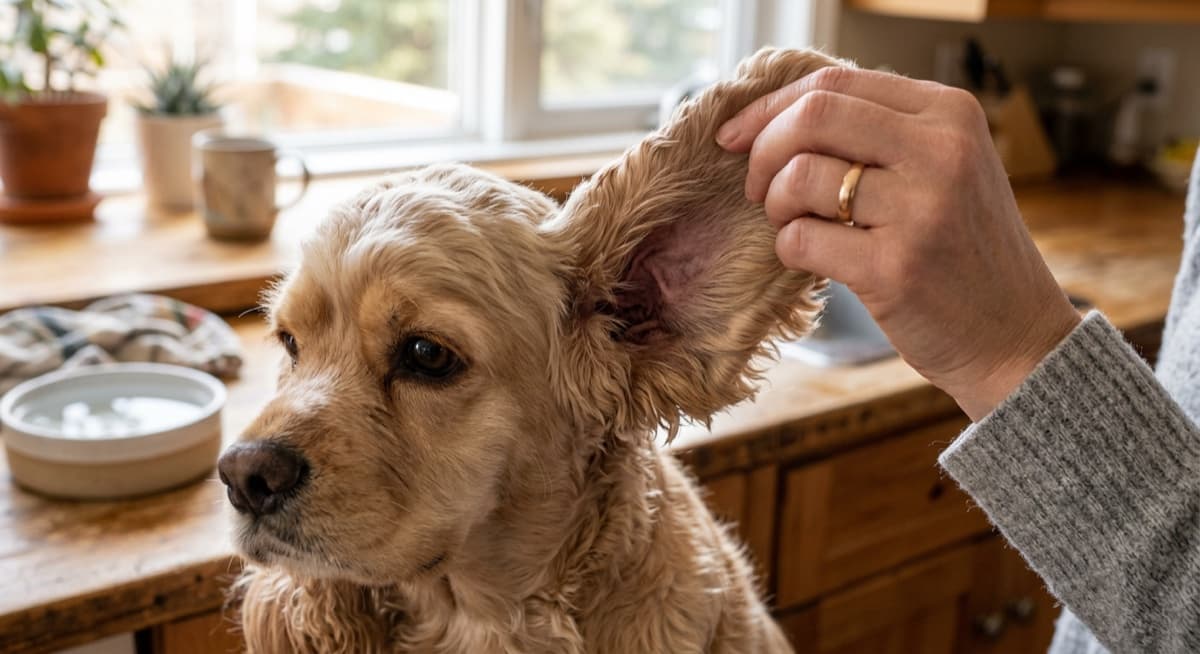
If there is one skill that defines successful cocker ownership, it is ear care. The same long, elegant ears that make the breed so appealing are the reason cockers are among the most ear-infection-prone dogs there are, and the difference between a comfortable cocker and a miserable one is almost always the owner’s ear-and-coat routine. The good news: it is simple, once it becomes habit.
Moisture is the enemy, and allergies are often the cause
Always dry the ears thoroughly after any bath, swim, or wet walk, trapped moisture is what breeds infection. And if your cocker gets recurrent ear infections despite good cleaning, that is a signal to see the vet about an underlying allergy, which drives much of the breed’s ear inflammation, rather than just cleaning more. Catch the early signs (head-shaking, odour, redness, scratching) and act fast.
The ear routine, and the coat
Ears. Clean regularly with a vet-recommended cleaner (often weekly, but let your vet tailor it), massage the base, let the dog shake, wipe away debris, and never push anything deep into the canal. Keep the inner-ear hair managed, tie the ears back during meals, and always dry after water. A quick smell-and-look check often catches problems early.
Coat. Brush and comb several times a week, working to the skin in the mat-prone zones (behind and under the ears, armpits, groin, belly, leg feathering, under the collar). Add professional grooming every 6 to 8 weeks for the bath, trim, and shaping, and consider a shorter puppy cut to ease maintenance. Never bathe a matted dog, and don’t cut mats out with scissors. See our cocker health guide for the medical side, and the Canadian Kennel Club for breed-standard grooming background.
Ready for the ears (and the coat)?
If you are ready for the ear and coat care, a cocker is a sweet, loving companion. Browse available Cocker Spaniels and cocker mixes from Ottawa and Ontario rescues, refreshed regularly.
See Available Cocker Spaniels →Frequently Asked Questions
How do I prevent ear infections in a Cocker Spaniel?
Preventing ear infections is the single most important daily-care skill for a cocker owner, because the breed’s long, heavy, hairy ears seal off the ear canal and trap moisture, making chronic infection a constant threat, and prevention beats treatment every time. The routine has several parts. Clean the ears regularly with a vet-recommended ear cleaner (many cockers benefit from weekly cleaning, though your vet can advise the right frequency for your dog), following the product directions and never inserting anything deep into the canal. Dry the ears thoroughly after every bath, swim, or wet walk, since leftover moisture is what breeds infection. Keep the hair inside and around the ear canal managed (trimmed or, for show coats, plucked as a groomer advises) so air can circulate. During meals and messy play, consider tying the ears back or using a snood so they do not trail in food or water. And crucially, address any underlying allergy, since allergies drive much of the ear inflammation in this breed and repeated infections often signal an allergic cause your vet should investigate. Watch for the early signs, head shaking, scratching, odour, redness, or discharge, and act quickly, because catching an infection early keeps it minor. Consistent routine ear care, built into your weekly habits, is what keeps a cocker comfortable.
How often should I clean my Cocker Spaniel’s ears?
For most cockers, weekly ear cleaning is a sensible baseline, but the right frequency depends on the individual dog, and your vet can tailor it, some cockers with a tendency to infections or allergies benefit from more frequent cleaning, while others do fine with less, and over-cleaning a healthy ear can also cause irritation, so it is worth finding the right balance for your dog. The technique matters as much as the frequency: use a vet-recommended dog ear cleaner (not water, alcohol, or hydrogen peroxide), gently fill or wet the ear as directed, massage the base of the ear to loosen debris, let the dog shake, and wipe away what comes up with a cotton pad, never pushing anything deep into the canal or using cotton swabs inside it. Always dry the ears afterward. Also clean the ears after any bath or swim, since moisture is the main trigger. Alongside cleaning, do a quick visual and smell check of the ears often (an odour or redness is an early warning), and keep the inner-ear hair managed as part of grooming. If you clean regularly and still see recurrent infections, that is a signal to see the vet about an underlying cause (usually allergies) rather than just cleaning more. Building this into a weekly routine is the heart of cocker ear care.
How much grooming does a Cocker Spaniel need?
Cockers are a high-grooming breed, and their beautiful silky coat and feathering require regular, ongoing care to stay healthy and mat-free. At home, plan to brush and comb several times a week (ideally most days) to prevent matting, paying special attention to the areas that mat fastest: behind and under the ears, the armpits and groin, the belly, the leg feathering, and anywhere friction occurs. Professionally, most cockers need grooming roughly every 6 to 8 weeks for a bath, trim, and coat shaping (the classic cocker trim, with shorter body hair and longer feathering, takes skill), plus nail trims, ear management, and sanitary trims, in Ottawa this typically runs $60 to $100-plus per visit. Between grooms, the owner must keep up the brushing, ear care, and eye-area cleaning. Many pet owners choose to keep their cocker in a shorter “puppy cut” or sporting trim, which is far easier to maintain than a full show coat and reduces matting and cleaning issues, this is a perfectly good, practical choice. Whatever the trim, the coat cannot be neglected, or it mats close to the skin and may need shaving. Building a relationship with a good Ottawa groomer early, and keeping up the at-home routine, is the winning approach for this lovely but high-maintenance breed.
How do I prevent matting in a Cocker Spaniel’s coat?
Matting prevention comes down to frequent, correct brushing plus managing the trouble spots, and cockers have several. The silky coat and long feathering mat readily, especially in high-friction areas: behind and under the ears (a classic cocker mat zone), the armpits and groin, the belly, the backs of the legs, and under a collar or harness. Brush and comb these areas thoroughly several times a week, working down to the skin rather than just over the surface (surface brushing leaves mats forming underneath), and use a slicker brush plus a metal comb, checking that the comb passes cleanly to the skin. Brush a dry or lightly misted coat, not a soaking-wet one, and never bathe a matted dog, water tightens mats into felt. If you find a mat, work it out gently with fingers and comb (detangling spray helps) or have the groomer address it, and do not cut it out with scissors, a common way owners accidentally cut the loose skin. Keeping the coat in a shorter trim dramatically reduces matting and is the easiest route for many pet owners. Consistent brushing, attention to the mat-prone zones, professional grooming every 6 to 8 weeks, and, if you like, a shorter trim, together keep a cocker’s coat comfortable and healthy.
Does Ottawa’s climate affect Cocker ear and coat care?
Yes, in practical ways worth planning for. In Ottawa winters, a cocker’s low-hanging coat and feathering pick up snow, ice balls, and road salt on walks, and the ears, already infection-prone, can trap moisture from snow, so wipe and thoroughly dry the coat, feathering, and especially the ears after winter outings, and rinse the paws and belly to remove irritating, harmful road salt. Snow-clumping in the feathering is a real winter nuisance, and many owners keep the coat, especially the leg and belly feathering, trimmed shorter in winter to reduce it and speed drying. In the warmer months, if your cocker swims (many love water, given the gundog heritage), dry the ears meticulously afterward, since swimming is a major ear-infection trigger, and watch for the increased shedding and pollen exposure that can drive allergies and, in turn, ear inflammation. Year-round, moisture is the enemy of both a mat-free coat and a healthy ear, so thorough drying after any wet activity is the recurring theme. None of this changes the core routine, frequent brushing, regular ear cleaning, and professional grooming every 6 to 8 weeks, but Ottawa’s seasons add winter paw, coat, and ear drying and a bit more vigilance in swim season. A good groomer can advise on a seasonally practical trim.
Related Guides
New dog? Start with these care guides
Everything a new adopter needs to set up a safe, happy home.