The short answer
Most adoptable Greyhounds are gentle retired racers, placed mainly through breed-specific greyhound groups that foster, assess, and cat-test each dog. Also check the Ottawa Humane Society, Sit With Me Dog Rescue, Rocky Road Rescue, and For the Love of Dogs Ottawa. Adoption fee: about $400 to $700, including spay or neuter, vaccines, dental, and often transport, plus the $22 City of Ottawa licence. Greyhounds are calm, quiet, affectionate couch potatoes with modest exercise needs, often great first dogs. The key breed rules: never off-leash in unfenced areas (sighthound prey drive), a winter coat is essential (thin skin, no fat), soft bedding, and cat suitability varies by individual, so adopt one assessed for your home.
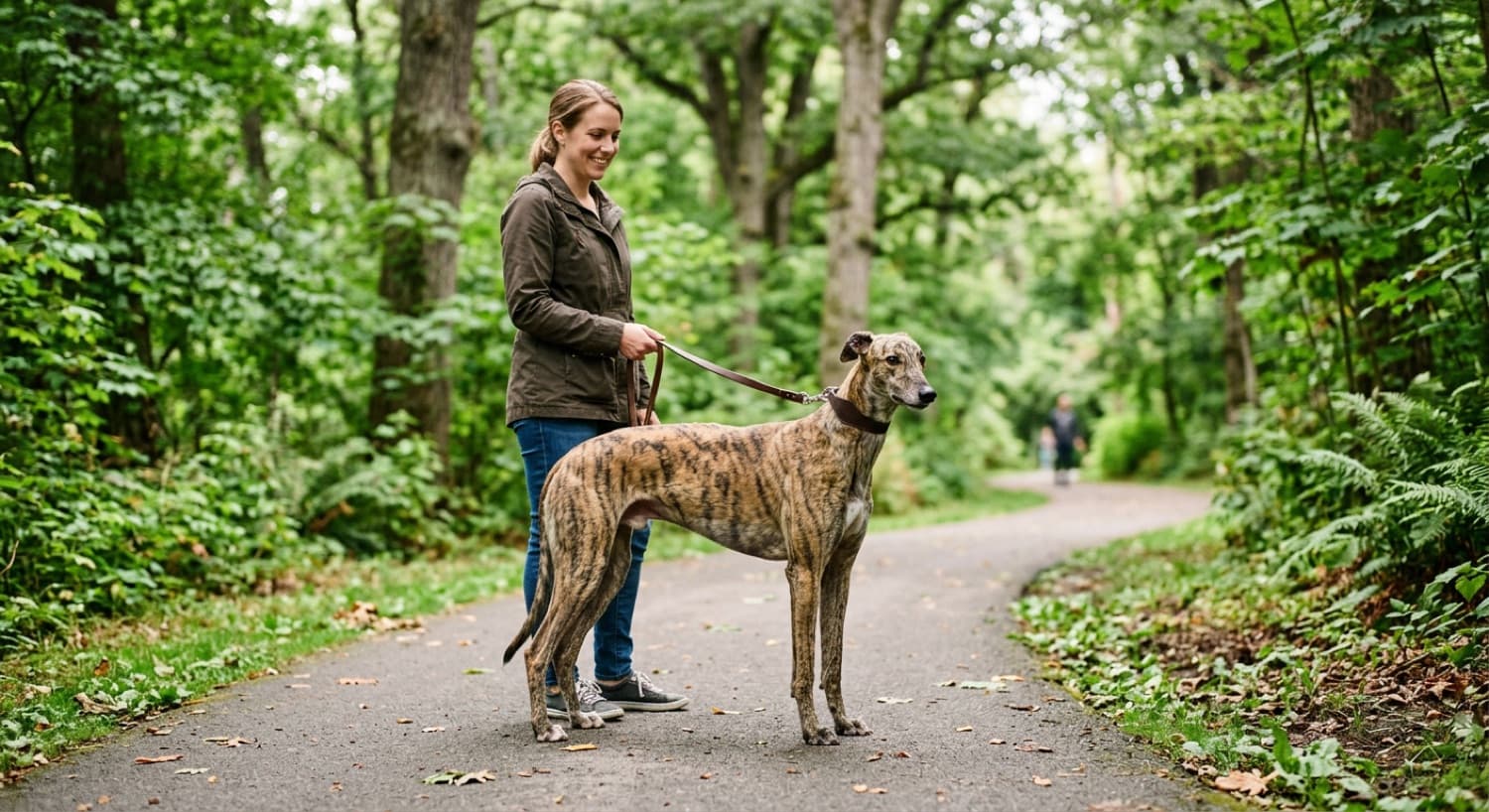
Where can I adopt a Greyhound in Ottawa?
Greyhounds come mainly through breed-specific adoption groups (often retired racers), plus general rescues. Check Ontario greyhound and sighthound rescues, and the Ottawa Humane Society, Sit With Me Dog Rescue, Rocky Road Rescue, and For the Love of Dogs Ottawa. Browse all currently available Greyhounds on LocalPetFinder's Greyhound breed page, and set up email alerts.
For the full Ottawa rescue landscape, see our best dog rescues in Ottawa guide, or browse everything at once on the main Ottawa dog adoption listings.
What it costs, and the breed-specific notes
Greyhound adoption fees run roughly $400 to $700, usually including spay or neuter, vaccines, dental, microchip, and often transport, excellent value for the vetting. Add the $22 City of Ottawa licence and Ontario’s 13 per cent HST. Greyhounds are low-energy, easy keepers, so ongoing care is moderate, but budget for a winter coat, soft bedding, and dental care.
Greyhounds are almost always adopted, not bought, but if you do seek a pet-bred greyhound, choose only breeders who:
- Are CKC-registered (Canadian Kennel Club)
- Health-test, socialise their dogs, allow home visits, and take dogs back at any age
- For most adopters, a breed-specific greyhound adoption group is the right, well-supported route
See the licence details in our Ottawa pet licensing guide and the medical detail in our Greyhound health issues guide.
Browse adoptable Greyhounds in Ottawa
Live inventory from Ottawa and NCR rescues and greyhound groups, with foster notes on temperament and cat suitability. Refreshed regularly, so set an alert for the right match.
See Available Greyhounds →The couch-potato reality, and the one firm rule
Greyhounds are gentle 45-mph couch potatoes. Despite the athletic build, they are calm, quiet, and low-energy, napping most of the day and needing only modest exercise, a couple of walks plus a chance to sprint in a fenced area. They are clean, affectionate, and adapt fast to home life.
The one firm rule: never off-leash in unfenced areas. As sighthounds bred to chase, a Greyhound can hit 45 mph in a few strides after a squirrel or rabbit and will not hear recall, so they are walked on-leash and run only in fully fenced spaces. This is covered in our Greyhound off-leash and recall guide.
Frequently Asked Questions
Where can I adopt a Greyhound near me in Ottawa?
Greyhounds come to rescue mainly through breed-specific greyhound adoption groups (often placing retired racing greyhounds transported from tracks in the US or elsewhere), and occasionally through general rescues. Start with breed-specific Greyhound and sighthound rescues serving Ontario, plus the Ottawa Humane Society, Sit With Me Dog Rescue, Rocky Road Rescue, and For the Love of Dogs Ottawa. Browse currently available Greyhounds on LocalPetFinder’s Greyhound breed page, which updates regularly, and set email alerts. Because most greyhound adoptions run through specialised groups that assess each dog’s temperament in foster care, the process is often thorough (home checks, cat-and-small-animal testing), which is a good thing, it means the dog is well matched. Purebred Greyhounds are less common in general Ottawa rescues, so a breed-specific group is usually the reliable path.
What is a retired racing Greyhound, and are they good pets?
Many adoptable Greyhounds are retired racers, dogs bred and raised for the track who retire (often between two and five years old) and need pet homes, and they make wonderful, surprisingly easy companions. Raised in a structured kennel environment, retired racers are typically gentle, calm, clean, and well-socialised with other greyhounds, though they may be new to ordinary house life, stairs, glass doors, being alone, and the sights and sounds of a home, so they need a patient settling-in period to learn to be a pet. Reputable greyhound adoption groups foster and assess each dog, so they can tell you the individual’s temperament, energy, and suitability with cats or kids. Retired racers are famous for adapting quickly into affectionate, low-key family dogs. The main adjustments are teaching house-life basics and understanding the breed’s specific needs (never off-leash, thin skin, sensitivity), all covered in this cluster.
How much does it cost to adopt a Greyhound in Ottawa?
Greyhound adoption fees through breed-specific groups typically run roughly $400 to $700, and usually include spay or neuter, vaccinations, microchip, dental work, and sometimes transport from the track, genuinely good value given the vetting involved. Add the City of Ottawa dog licence, $22 a year for a sterilized dog, and Ontario’s 13 per cent HST. Greyhounds are large but famously low-energy and easy keepers, so ongoing costs are moderate for their size: annual care runs roughly $1,500 to $2,600 a year. The breed-specific budget notes are the thin skin and coat (they feel cold, so a coat is genuinely needed for Ottawa winters, and their skin tears more easily), the need for soft bedding (little body fat over bony joints), and dental care (dental disease is common). Overall an affordable, easy breed to keep, with a few sighthound-specific considerations.
Are there free Greyhounds for adoption in Ottawa?
Legitimate greyhound adoption is not free, but the fees through breed-specific groups are reasonable and include extensive vetting, spay or neuter, vaccines, dental, microchip, and often transport, so a rescue Greyhound for a few hundred dollars is excellent value. Be cautious of any free or suspiciously cheap greyhound listing outside established adoption groups, it may be a scam, an owner offloading an undisclosed problem, or an unvetted dog. The reputable path for this breed is specifically through greyhound adoption organisations, which foster and assess each dog and match it carefully to your home, and that vetting is worth the fee. Owner-rehoming of a pet greyhound with full records can be legitimate, but for retired racers especially, the breed-specific groups are the trustworthy, well-supported route, they also provide invaluable advice on the breed’s unique needs after adoption.
Do Greyhounds make good family pets, and are they good with kids and cats?
Greyhounds are generally gentle, calm, affectionate, and quiet, and they make excellent family pets for the right home, often great with children when properly introduced and supervised (their laid-back nature suits family life, though their tall, thin build means kids should be taught to be gentle). The important caveat is prey drive and cats or small animals: Greyhounds are sighthounds bred to chase, and some have a strong prey drive that makes them unsafe with cats or small dogs, while others are "cat-friendly" and live happily with them. This varies enormously by individual, which is exactly why reputable greyhound groups cat-test and small-animal-test their dogs in foster care and will tell you each dog’s suitability. If you have cats or small pets, adopt a greyhound specifically assessed as cat-friendly. With kids, dogs, and (where suitable) cats, a well-matched Greyhound is a wonderful, gentle companion.
Why do Greyhounds need adopting?
Most adoptable Greyhounds are retired racers who need pet homes at the end of their racing careers (which end young, often by five), plus some from breeders or homes that could not keep them. As greyhound racing has declined and closed in many jurisdictions, adoption groups have worked to place large numbers of retired racers into homes, and these dogs, having only known kennel-and-track life, need patient families to teach them how to be house pets and companions. It is a rewarding kind of adoption: you are giving a gentle, deserving dog its first real home and couch. The dogs are typically healthy, well-socialised with other greyhounds, and adapt remarkably fast to pet life. The main reasons a specific greyhound might be in rescue longer are prey drive (harder to place in cat homes) or simply waiting for the right match, which the foster-and-assess model handles well.
Are Greyhounds good for first-time owners in Ottawa?
Yes, surprisingly, they are often an excellent first dog for the right household, despite being a large breed. Greyhounds are gentle, calm, quiet, low-energy (genuine couch potatoes who nap most of the day), clean, and typically easy to live with, and they need less exercise than their athletic build suggests, a couple of good walks plus a chance to sprint in a fenced area is plenty. The learning curve for a first-timer is understanding the breed’s specific needs rather than managing difficult behaviour: they must never be off-leash in unfenced areas (see the recall guide), they feel the cold and need a coat in Ottawa winters, they have thin skin and need soft bedding, and retired racers need patience learning house basics. A reputable greyhound group provides extensive support and matches you to a suitable dog, which makes the breed very first-timer-friendly. For a calm household wanting a mellow, affectionate large dog, a Greyhound is a wonderful choice.
Do Greyhounds handle Ottawa winters?
They need real help, this is one of the breed’s defining care points. Greyhounds have an extremely thin, short single coat and almost no body fat, so they feel cold acutely and are genuinely not built for Ottawa winter, they will shiver and be miserable, and can chill dangerously, without protection. A warm, well-fitted winter coat (greyhound-specific coats are widely available and fit their deep-chested, tucked-waist build) is necessary, not optional, for cold-weather walks, and many owners add a sweater indoors on cold days too. Booties help on salted, icy sidewalks and protect the paws. Keep the coldest-day outings short, watch closely for shivering, and bring the dog in promptly. Their low exercise needs make short winter walks plus indoor rest perfectly adequate, so you are not fighting to burn off energy in the cold. Indoors, provide soft, warm bedding away from drafts. With a good coat and sensible short walks, a Greyhound manages an Ottawa winter well, curled up warm the rest of the time.
Related Guides
New dog? Start with these care guides
Everything a new adopter needs to set up a safe, happy home.