The short answer
Obesity is the Labrador’s number-one health issue, and it is preventable. Labs are food-obsessed (many carry an appetite-boosting gene), and excess weight worsens the joints, heart, and lifespan, so keeping the dog lean is the single biggest lever. Also plan for hip and elbow dysplasia (the breed is among the more affected), exercise-induced collapse (EIC), eye conditions, and ear infections (floppy ears plus a love of water). Labs live 10 to 14 years, longer when lean. Routine Ottawa care runs $1,000 to $1,800 a year plus HST. Measure meals, support the joints, and insure early, before hip dysplasia becomes a pre-existing exclusion. Make all health decisions with your vet.
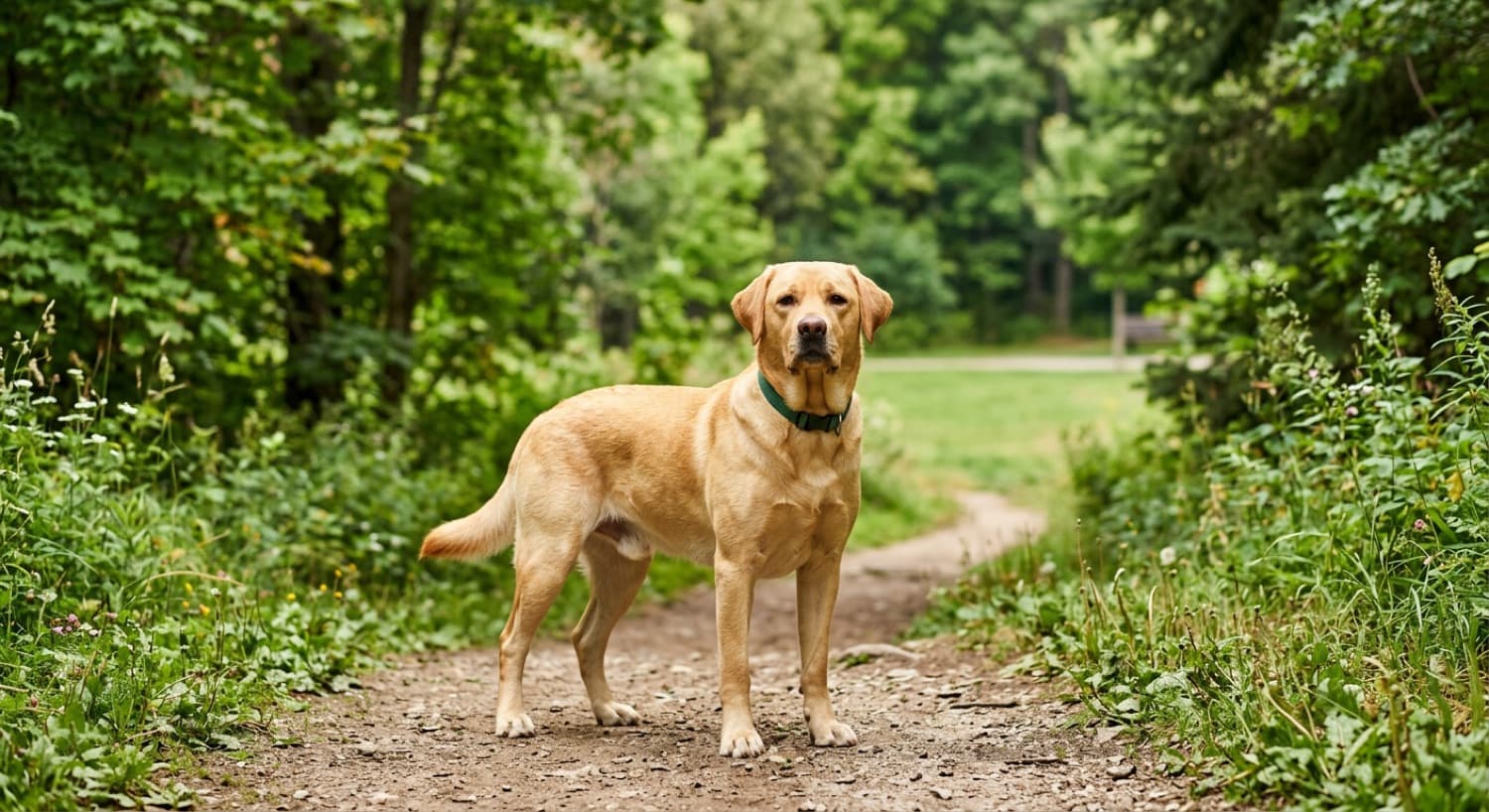
Labradors are, on the whole, a hardy and long-lived breed, which is part of why they make such reliable family dogs. But they come with a short list of predictable concerns, and one of them, obesity, sits at the centre of the others and is almost entirely within your control. This is a planning list, and every point should be discussed with your own veterinarian.
Signs that need prompt care
Collapse or severe weakness after intense exercise may be EIC and warrants veterinary attention. A distended, hard belly with unproductive retching and restlessness is possible bloat, a deep-chested-breed emergency, go to a vet immediately. Sudden eye pain, redness, or cloudiness also needs prompt care. Ottawa has 24-hour care, including the Alta Vista Animal Hospital. Save the number now.
Obesity: the one to take seriously
If you take one thing from this guide, take this: keeping a Lab lean is the highest-value thing you can do for its health, and it is a daily discipline the breed makes hard. Labs love food, many carry a genetic variant that increases appetite, and they will happily eat far more than they need, so overweight is extremely common in the breed.
Excess weight is not cosmetic. It loads the hips and elbows (worsening the dysplasia the breed is already prone to and accelerating arthritis), strains the heart, raises diabetes risk, reduces mobility, and shortens lifespan, and research consistently shows lean dogs live longer, healthier lives. The management is simple: measure every meal with a proper cup, count treats as part of the daily calories, resist the pleading eyes, and keep the dog lean enough to feel the ribs easily. Ask your vet to set a target weight and check it at each visit. Weight control is genuinely life-extending for a Lab.
Joints, EIC, eyes, and ears
Hips and elbows. The breed is among the more affected by dysplasia. Keep the dog lean, avoid overexercising a growing puppy, use joint support, and screen through breeders who test. Severe cases may need costly surgery.
EIC (exercise-induced collapse). A genetic condition most associated with Labs, causing collapse after intense exercise. A DNA test identifies affected dogs; management means knowing the dog’s status and avoiding the high-drive exercise that triggers episodes.
Eyes. Progressive retinal atrophy and cataracts occur; an annual eye check catches problems early.
Ears. Floppy ears plus a love of water make ear infections common, check and dry the ears regularly, especially after swimming (see our swimming-safety guide). For routine-care savings, see our Ottawa low-cost vet guide.
Meet a healthy Lab in Ottawa
Rescue Labs come with a vet workup and honest health notes, so you know what you are adopting. Browse available Labs and Lab mixes from Ottawa and NCR rescues.
See Available Labradors →Frequently Asked Questions
What health problems are Labradors prone to?
The single most common and preventable Labrador health issue is obesity, Labs are famously food-obsessed and gain weight easily, and many carry a genetic variant linked to increased appetite, so overweight is very common and it worsens nearly everything else. Beyond weight, the breed’s main concerns are hip and elbow dysplasia (Labs are among the more affected breeds), exercise-induced collapse (EIC, a genetic condition), eye conditions including progressive retinal atrophy and cataracts, ear infections (those floppy ears and love of water trap moisture), and, as a deep-chested large breed, some bloat risk. Most are manageable, and the highest-impact things an Ottawa owner can do are keep the dog lean (this alone prevents or delays much of the joint and metabolic trouble), support the joints, and stay on top of ears and eyes. Always make health decisions for your individual dog with your veterinarian.
Why is obesity such a big problem for Labradors?
Because Labs combine a hard-wired love of food with a body that suffers greatly from extra weight, and research has even identified a genetic variant common in the breed that increases appetite and food motivation, so many Labs are essentially always hungry and gain weight readily if fed freely. This matters enormously because obesity is not just cosmetic: excess weight loads the hips and elbows (worsening the dysplasia the breed is already prone to and accelerating arthritis), strains the heart, raises the risk of diabetes and other metabolic problems, reduces mobility and quality of life, and shortens lifespan. Studies consistently show lean dogs live longer, healthier lives than overweight ones, and this is especially true for Labs. The management is simple discipline: measure every meal, count treats as part of the daily calories, resist the pleading eyes, and keep the dog at a lean weight where you can easily feel the ribs. Ask your vet to set a target weight. It is the highest-value thing you can do for a Lab.
How serious is hip and elbow dysplasia in Labradors?
It is one of the breed’s most significant concerns. Hip and elbow dysplasia are inherited malformations of the joints that cause them to fit poorly, leading to pain and progressive arthritis, and Labradors are among the more commonly affected breeds. Signs include stiffness, difficulty rising, reluctance to jump or climb stairs, a bunny-hopping gait, limping, and reduced activity, sometimes appearing even in young dogs. Management ranges from weight control, joint supplements, physiotherapy, and anti-inflammatory medication for milder cases to surgery for severe ones, which is costly for a large dog. Prevention starts before ownership with breeders who screen hips and elbows (OFA or PennHIP), and the biggest lever an owner controls is keeping the dog lean and providing appropriate, non-jarring exercise (and not overexercising a growing puppy). For an adopted Lab, weight management and joint support are among the most valuable things you can do for long-term comfort and mobility.
What is exercise-induced collapse (EIC) in Labradors?
Exercise-induced collapse (EIC) is a genetic condition, most associated with Labradors, in which affected dogs collapse after intense exercise. During or shortly after strenuous, high-excitement activity (like repeated retrieving or hard running), an affected dog develops weakness, a wobbly or rocking-horse gait, and can collapse in the hind end, usually recovering within about five to twenty-five minutes of rest. It is frightening to witness but many episodes are not fatal, though severe episodes can rarely be dangerous, so any collapse warrants veterinary attention and care to prevent recurrence. A DNA test identifies affected dogs, and responsible breeders test breeding stock. Management is largely about knowing your dog’s status and limits: if a Lab carries EIC, avoid the intense, high-drive exercise that triggers episodes, and stop activity at the first sign. If you adopt a Lab and see collapse after hard exercise, mention EIC to your vet, and be cautious with strenuous play until you understand the dog’s tolerance.
How much does Labrador health care cost in Ottawa?
Routine annual care for a large breed, a wellness exam, vaccines, parasite prevention, and dental attention, runs roughly $1,000 to $1,800 a year for a Lab in Ottawa, plus Ontario’s 13 per cent HST, and large-breed food (a Lab eats a lot) adds to the baseline. The budget wildcards are the joints and the ears: hip or elbow surgery can run several thousand dollars for a serious case, chronic ear infections add up over the years, and eye or other conditions can arise. The good news is that a lean, well-managed Lab is often a relatively healthy dog, and keeping the weight off prevents or delays much of the expensive joint trouble, so weight management is a genuine money-saver as well as a health measure. Pet insurance taken out while the dog is young helps with the unpredictable joint and other costs. See our Ottawa low-cost vet guide for routine-care savings, and price insurance before any condition becomes a pre-existing exclusion.
Is pet insurance worth it for a Labrador?
It can be, mainly to cover the breed’s joint and other potentially expensive risks. Labs are generally a robust breed, so the case is less overwhelming than for a giant or highly health-prone breed, but hip and elbow dysplasia can each mean costly surgery, and the ordinary accidents an active, water-loving, adventurous dog is prone to (from swallowed objects to injuries) add up. Insurance taken out while your Lab is young and healthy locks in coverage before any condition becomes a pre-existing exclusion, which matters especially for the orthopedic issues that can appear over time, once hip or elbow dysplasia is on the record, no insurer will cover it. Premiums for a young large-breed dog commonly run $45 to $80 a month in Ottawa. Weigh it against your savings buffer, and if you insure, do it early and confirm hip and elbow coverage. Keeping the dog lean also lowers your odds of ever needing to claim on the joints.
How long do Labradors live?
Labradors typically live around 10 to 14 years, and a lean, well-cared-for Lab with good genetics often reaches the upper end, while obesity and joint disease can shorten both quality and length of life. Longevity depends heavily on the levers you control, and for this breed weight is the biggest one: research shows lean Labs live significantly longer than overweight ones, so keeping the dog trim is genuinely life-extending. Beyond weight, stay current on joint support, parasite prevention, ear care, and dental care, and maintain annual vet checks that catch conditions early. For Ottawa owners, that lifespan means a decade-plus of a friendly, active companion, and budgeting for senior care and possible joint management in the later years. A Lab adopted as an adult still has many good years ahead, and a lean, well-exercised one will have the mobility and health to enjoy them fully.
Related Guides
New dog? Start with these care guides
Everything a new adopter needs to set up a safe, happy home.