The short answer
Start at the Ottawa Humane Society, Ottawa-area rescues, and Newfoundland/giant-breed rescues, then search Ontario-wide (Newfies are uncommon, so set an alert). Adoption runs about $500 to $900 plus HST (vs $2,000 to $4,000-plus from a breeder), but the real cost is owning a 100-to-150-plus-pound giant (food, vet care, and gear all scale up). Newfoundlands are famously gentle, patient, devoted family dogs, wonderful with children, but expect heavy drool, substantial grooming and shedding, a need for space, and giant-breed health and heat considerations. They love Ottawa winters but need careful summer heat management. A gentle giant for a prepared home.
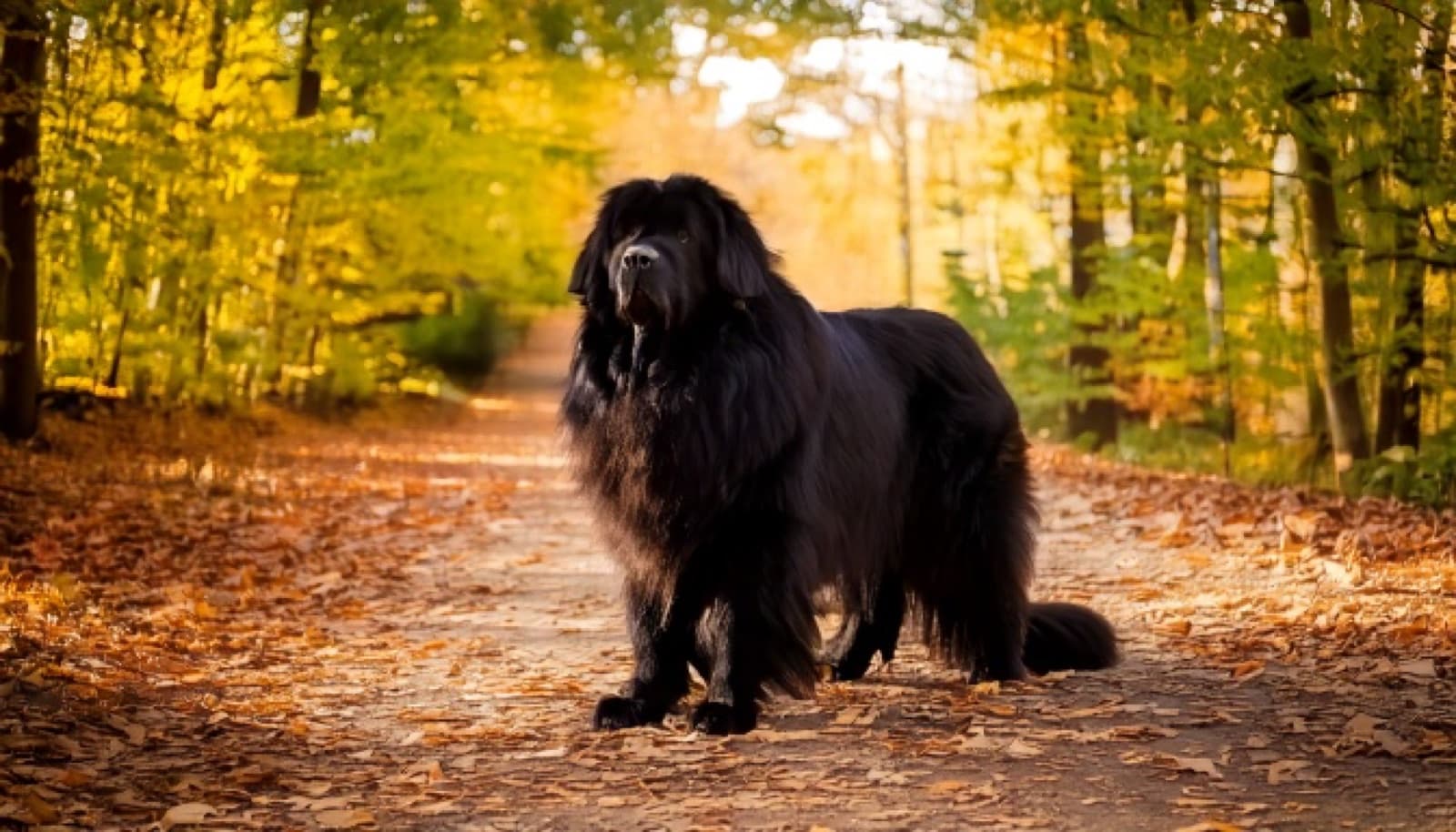
The Newfoundland is a legend among family dogs, an enormous, sweet-natured “gentle giant” famous for its patience, devotion, and loving way with children. But behind the romantic image is the reality of owning a giant breed: the size, the cost, the grooming, and, yes, the drool. Understand those practicalities, and a Newfoundland is one of the most rewarding companions there is.
Giant-breed reality: size, cost, drool, and heat
A Newfoundland is a 100-to-150-plus-pound dog, so food, vet care, and gear cost far more than for an average dog, and you need space. Expect heavy drool and real grooming. The thick coat loves Ottawa winters but makes summer heat a genuine risk, manage it carefully. Read our grooming, drool, and heat guide and health guide before adopting.
Where to look, and the cost reality
Begin with the Ottawa Humane Society and all-breed Ottawa rescues (Sit With Me Dog Rescue, Rocky Road Rescue, For the Love of Dogs Ottawa Rescue), plus breed-specific Newfoundland and giant-breed rescues, then widen across Ontario. Being open to an adult, senior, or Newfie cross improves your odds. LocalPetFinder pools adoptable dogs from Ottawa and across the province so you can set a breed alert instead of refreshing shelter pages.
Adoption runs about $500 to $900 plus HST and includes spay/neuter, vaccines, microchip, and a vet check, versus $2,000 to $4,000-plus for a breeder puppy. But budget for the real ongoing cost of a giant dog: substantial food, giant-breed vet care, grooming, the $22 City of Ottawa dog licence, and larger gear. The Canadian Kennel Club has breed background, and our Ottawa low-cost vet guide covers routine-care savings.
Find your Newfoundland in Ottawa
Rescue Newfoundlands come with an honest temperament and health assessment, so you know the individual dog. Browse available Newfoundlands and mixes from Ottawa and Ontario rescues, refreshed regularly.
See Available Newfoundlands →Frequently Asked Questions
Where can I adopt a Newfoundland in Ottawa?
Start with the Ottawa Humane Society and Ottawa-area all-breed rescues such as Sit With Me Dog Rescue, Rocky Road Rescue, and For the Love of Dogs Ottawa Rescue, then widen the search across Ontario, and look for breed-specific Newfoundland and giant-breed rescues, which exist in the province. Newfoundlands and Newfie mixes are not hugely common in rescue (they are a less numerous breed), but they do turn up, sometimes surrendered when owners underestimate the size, cost, drool, grooming, or the giant-breed health considerations. Being open to an adult, a senior, or a Newfoundland cross will improve your odds. LocalPetFinder aggregates adoptable dogs from Ottawa and across Ontario into one place so you can search by breed and set an alert rather than refreshing shelter pages. Because the Newfoundland is a giant breed with substantial needs and costs, adopting through a reputable rescue, which assesses temperament and health honestly and matches carefully, is especially valuable, you want a clear picture of the individual dog and a realistic sense of whether a gentle giant genuinely fits your space, budget, and life.
How much does it cost to adopt and own a Newfoundland in Ottawa?
Adoption fees at Ottawa-area rescues typically run about $500 to $900 for a Newfoundland or Newfie cross, plus Ontario’s 13 per cent HST where applicable, and that fee covers spay/neuter, vaccinations, microchipping, and a vet check, hundreds of dollars of care already done, and often more for a giant breed. Compare that with a Newfoundland puppy from a reputable breeder, which commonly runs $2,000 to $4,000-plus, and adoption is dramatically cheaper up front. But the ongoing cost of a giant breed is the real budget consideration: a Newfoundland is a very large dog (often 100 to 150-plus pounds), so everything scales up, food (a significant monthly cost for a dog this size), larger medication doses, bigger beds, crates, and gear, higher boarding costs, and the breed’s heavy double coat means real grooming (whether professional or substantial at-home effort). Giant breeds also have shorter lifespans and can face expensive orthopedic, cardiac, or bloat-related costs. Budget for the $22 City of Ottawa dog licence, substantial food, giant-breed vet care, and grooming. Adoption keeps the purchase price low; the real investment is the ongoing cost of caring for a gentle giant, which is genuinely higher than for an average dog.
Why do Newfoundlands end up in rescue?
Newfoundlands end up in rescue less often than high-energy breeds (they are calmer and less numerous), but when they do, it is usually because owners underestimated the practical realities of a giant breed. The common reasons for surrender are: the sheer size and the cost of feeding, medicating, and caring for a 100-to-150-plus-pound dog; the drool (Newfoundlands are notable droolers, and slobber on walls, furniture, and clothing surprises unprepared owners); the heavy shedding and substantial grooming the thick double coat requires; the giant-breed health considerations and vet costs (heart conditions, bloat, joint issues); and life changes where a family can no longer manage a dog of this size and expense. Some Newfies also come into rescue when an owner’s circumstances change (a move, health, finances). None of this reflects badly on the dogs, who are famously sweet, gentle, patient, and devoted, often called “nanny dogs” for their loving nature with children, but it reflects a mismatch between the romantic image of a gentle giant and the practical demands of actually owning one. For an adopter, that means rescue Newfoundlands are often wonderful dogs whose owners simply could not manage the size and cost, and a prepared home, ready for the space, drool, grooming, and expense, is exactly what they need.
Are Newfoundlands good family dogs?
Yes, Newfoundlands are widely considered one of the best family dogs there is, and their temperament is the breed’s glory: they are famously sweet, gentle, patient, calm, and devoted, wonderful with children (their loving, protective, patient nature earned them the nickname “nanny dog”), and generally good with other pets. A well-socialised Newfoundland is a mellow, affectionate, dignified companion that thrives on being part of family life, and their calm indoor demeanour makes them lovely housemates despite their size. The caveats are practical rather than temperamental: they are giant dogs, so despite their gentleness, supervision around very small children is wise simply because of size (a friendly Newfie can accidentally knock over a toddler); they drool and shed heavily; they need real grooming; they need space and are not suited to small apartments; they have moderate exercise needs (regular walks and, ideally, swimming, but they are not high-energy) that still must be met; and they are a giant-breed cost and health commitment. Heat is also a real consideration for such a heavily coated breed. So a Newfoundland fits a family with the space, budget, and tolerance for drool and grooming who wants a gentle, devoted giant, and it is a poor fit for a small home or a tight budget. For an adopted Newfie, the rescue can describe the individual dog’s temperament and how it does with children and other pets.
Do Newfoundlands really drool a lot?
Yes, Newfoundlands are notable droolers, and this is genuinely worth understanding before adopting one, because for some people the drool is a dealbreaker they did not anticipate. The breed’s loose jowls (flews) mean Newfies produce and sling a fair amount of slobber, especially after drinking, eating, exercising, or when excited or hot, and that drool ends up on walls, floors, furniture, clothing, and anyone nearby, and can be flung several feet with a shake of the head. There is real variation between individual dogs (some drool much more than others), but as a breed, drool is a defining, everyday feature of Newfoundland ownership. Practical management includes keeping “drool rags” or cloths handy around the house and in the car, wiping the dog’s mouth after it drinks, cleaning up regularly, and simply accepting a certain amount of slobber as part of life with the breed. Prospective owners who are fastidious about their home, or who cannot tolerate drool on their clothes and furniture, should think hard about whether the breed suits them, while those who can shrug it off find it a small price for such a wonderful dog. For an adopter, ask the rescue how much a particular Newfie drools, since it varies, and go in with realistic expectations and a supply of cloths. See our grooming, drool, and heat guide for the full care picture.
What should I know before adopting a Newfoundland in Ottawa?
The overriding thing: understand that you are adopting a giant breed, with all the space, cost, grooming, drool, and health considerations that entails, and be honest about whether your home and budget can accommodate a 100-to-150-plus-pound dog. Plan for substantial food and giant-breed vet costs, real grooming for the thick double coat, and the drool. Learn the giant-breed health basics, especially the signs of bloat (a life-threatening emergency), and the breed’s cardiac and joint considerations (see our health guide). On the Ottawa front, the climate is genuinely favourable in one big way: the Newfoundland is a cold-weather breed with a thick coat, built for exactly this kind of climate, so it loves Ottawa winters and cold and snow. The flip side is that this same heavy coat makes Newfoundlands prone to overheating, so Ottawa’s hot, humid summers require real care (shade, water, cool times of day, air conditioning, and never over-exertion in heat), and never shave the coat to cool the dog. Ensure you have space (ideally a house, not a small apartment) and a realistic budget. Adopt through a reputable Ottawa or Ontario rescue that assesses temperament and health honestly. Go in prepared for the size, cost, grooming, and drool, and a Newfoundland is one of the most gentle, devoted companions you can find.
Related Guides
New dog? Start with these care guides
Everything a new adopter needs to set up a safe, happy home.