The short answer
Start at the Ottawa Humane Society, Ottawa-area rescues, and sheltie/herding-breed rescues, then search Ontario-wide. Adoption runs about $400 to $750 plus HST (vs $1,500 to $3,000-plus from a breeder). Shelties are devoted, gentle, and highly trainable family dogs, but three realities catch owners out: they bark a lot (a real issue with close neighbours), they’re sensitive (needing gentle handling and good socialisation), and they shed heavily. They’re intelligent herding dogs needing daily exercise and mental work. A sheltie is not simply a mini Collie, it’s its own breed. And it thrives in Ottawa winters.
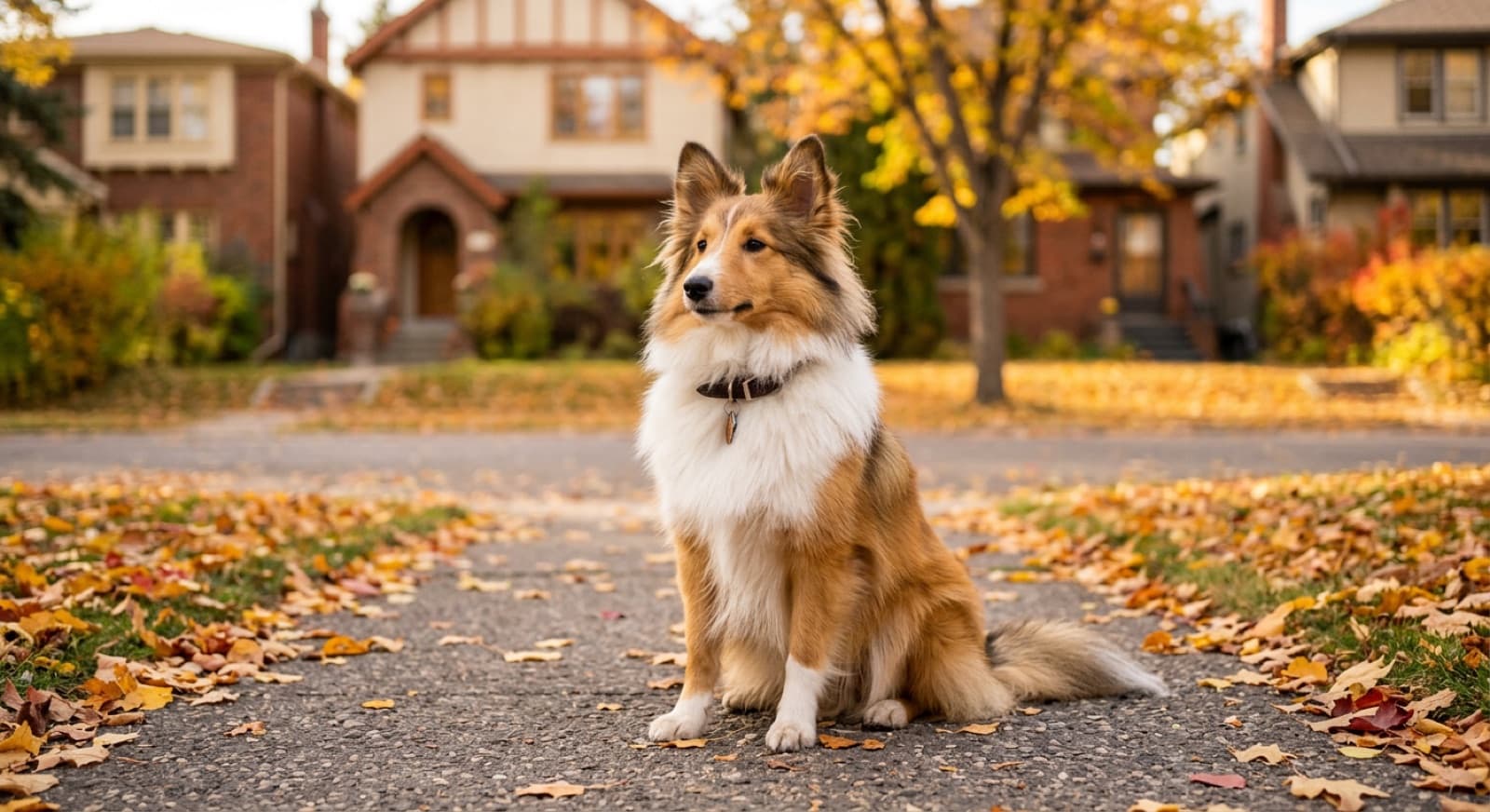
The Shetland Sheepdog is one of the most devoted and intelligent of all companion breeds, a sensitive, gentle herding dog that bonds deeply with its people and lives to work alongside them. What every prospective sheltie owner should understand up front is the barking (shelties are famously vocal), the sensitivity (they need gentle handling and good socialisation), and the shedding. Come prepared for those, and a sheltie is a delight.
The barking is a genuine consideration
Shelties are vocal herding dogs that bark readily at movement, sounds, and excitement, and in a close-neighbour Ottawa setting this can lead to complaints and is a common reason shelties are surrendered. It is manageable with training and engagement, but you must plan for it from day one. Read our barking-management and training guide before you adopt.
Where to look, and the cost reality
Begin with the Ottawa Humane Society and all-breed Ottawa rescues (Sit With Me Dog Rescue, Rocky Road Rescue, For the Love of Dogs Ottawa Rescue), plus breed-specific sheltie and herding-breed rescues, then widen across Ontario. Being open to an adult, senior, or sheltie cross improves your odds. LocalPetFinder pools adoptable dogs from Ottawa and across the province so you can set a breed alert instead of refreshing shelter pages.
Adoption runs about $400 to $750 plus HST and includes spay/neuter, vaccines, microchip, and a vet check, versus $1,500 to $3,000-plus for a breeder puppy. Ongoing costs are moderate: food, routine vet care, and regular brushing of the shedding double coat (professional grooming optional), plus the $22 City of Ottawa dog licence and, ideally, training or a dog sport for the sharp sheltie mind. The Canadian Kennel Club has breed background, and our Ottawa low-cost vet guide covers routine-care savings.
Find your sheltie in Ottawa
Rescue shelties come with an honest temperament assessment, important for a breed ranging from outgoing to shy. Browse available Shelties and sheltie mixes from Ottawa and Ontario rescues, refreshed regularly.
See Available Shelties →Frequently Asked Questions
Where can I adopt a Sheltie in Ottawa?
Start with the Ottawa Humane Society and Ottawa-area all-breed rescues such as Sit With Me Dog Rescue, Rocky Road Rescue, and For the Love of Dogs Ottawa Rescue, then widen the search across Ontario, and look for breed-specific Shetland Sheepdog and herding-breed rescues, which exist in the province. Shelties and sheltie mixes turn up in Ontario rescue with some regularity, sometimes surrendered when owners underestimate the barking, the grooming, or the breed’s sensitivity and need for engagement. Being open to an adult, a senior, or a sheltie cross will improve your odds. LocalPetFinder aggregates adoptable dogs from Ottawa and across Ontario into one place so you can search by breed and set an alert rather than refreshing shelter pages. Because shelties are a sensitive, intelligent herding breed that suits particular homes, adopting through a reputable rescue, which assesses temperament honestly, is especially valuable, you want a clear picture of the individual dog, since shelties range from confident to quite shy, and matching the dog to your household matters.
How much does it cost to adopt a Sheltie in Ottawa?
Adoption fees at Ottawa-area rescues typically run about $400 to $750 for a Shetland Sheepdog or sheltie cross, plus Ontario’s 13 per cent HST where applicable, and that fee covers spay/neuter, vaccinations, microchipping, and a vet check, hundreds of dollars of care already done. Compare that with a sheltie puppy from a reputable breeder, which commonly runs $1,500 to $3,000-plus, and adoption is dramatically cheaper up front. Ongoing costs are moderate for a small-to-medium dog: quality food (modest quantities), routine vet care, parasite prevention, and grooming for the double coat, which sheds heavily and needs regular brushing (though many owners manage it at home; professional grooming is optional, and unlike doodles the coat sheds out rather than needing constant trimming). Budget also for setup costs, the $22 City of Ottawa dog licence, and, given the breed’s intelligence and energy, possibly training classes or a dog sport to keep the sharp sheltie mind engaged. Adoption keeps the purchase price low; the real ongoing investment with a sheltie is the time, engagement, and, importantly, the barking management the breed requires.
Why do Shelties end up in rescue?
Shelties end up in rescue for several breed-specific reasons. Barking is a big one, shelties are famously vocal herding dogs that bark readily at movement, sounds, and excitement, and in close-neighbour settings this can lead to complaints and surrender if not managed. The heavy shedding and grooming of the double coat surprises some owners. Behaviourally, shelties are sensitive, sometimes shy or anxious dogs that can develop noise sensitivities or reactivity if not well-socialised, and their intelligence and energy mean a bored, under-engaged sheltie can become vocal or neurotic, frustrating unprepared owners. Poorly bred shelties (from puppy mills or careless breeders) can be more anxious or health-troubled. Add the usual life changes, and you get a steady rescue flow. None of this reflects badly on the dogs, who are typically devoted, gentle, intelligent, and delightful companions in the right home; it reflects a mismatch between the breed’s vocal, sensitive, engagement-needing nature and an unprepared owner. For an adopter, that means rescue shelties are often wonderful dogs whose owners underestimated the barking or the sensitivity, and an informed, engaged home, one ready to manage the vocalness and provide gentle handling and mental stimulation, is exactly what they need.
Are Shelties good family dogs?
Yes, Shetland Sheepdogs are excellent family dogs for the right household, they are devoted, gentle, affectionate, and deeply bonded to their families, typically wonderful with children they are raised with, and often good with other pets, and their intelligence and eagerness to please make them highly trainable and a joy to work with. Shelties are sensitive, attuned companions that thrive on being part of family life. The caveats to know: shelties bark, often a lot, so families in close-neighbour settings must be ready to manage it; they are sensitive dogs who do best with gentle, positive handling and can be shy or anxious without good socialisation (so early, thorough, positive socialisation is important, especially for a puppy, and ongoing for a rescue); they shed heavily and need regular brushing; and they are intelligent, moderately energetic herding dogs that need daily exercise and mental engagement to stay content. They may also show a herding instinct (nipping at heels or chasing) that needs gentle redirection around young children. With those needs met, a sheltie is a devoted, delightful family companion. For an adopted sheltie, the rescue can describe the individual dog’s temperament, confidence level, and how it does with kids and pets, which matters given the breed’s range from outgoing to timid.
Are Shelties the same as miniature Collies?
No, though the confusion is understandable, the Shetland Sheepdog is a distinct breed, not simply a miniature Rough Collie, despite the strong resemblance. Shelties do look like smaller versions of the Rough Collie (the “Lassie” dog), and the two breeds share ancestry and a similar appearance, coat, and gentle, intelligent temperament, but the sheltie was developed as its own breed on Scotland’s Shetland Islands, bred down in size to herd small livestock in a harsh environment, and it is recognised as a separate breed with its own standard. A full-grown sheltie is small-to-medium (typically 15 to 25 pounds and around 13 to 16 inches tall), while a Rough Collie is a considerably larger dog. So while “miniature Collie” is a common informal description, it is not accurate, and reputable sources treat them as two breeds. For an adopter, the practical point is that a sheltie is a small-to-medium herding dog with the intelligence, sensitivity, vocalness, grooming needs, and devoted temperament of its own breed, so research the sheltie specifically rather than assuming it is just a small Collie. In rescue you may also find sheltie-collie crosses or dogs mislabelled between the two, so focus on the individual dog’s size and temperament.
What should I know before adopting a sheltie in Ottawa?
The overriding things: be ready to manage the barking, provide gentle handling and good socialisation for a sensitive breed, and keep the sharp sheltie mind engaged. Shelties are vocal, so if you are in a close-neighbour setting, plan to manage barking with training and engagement from day one. They are sensitive dogs who flourish with positive, gentle handling and thorough socialisation, and can become shy or reactive without it, so patience and confidence-building matter, especially for a timid rescue. Provide daily exercise plus mental stimulation (training, puzzles, or a dog sport, shelties excel at agility and obedience) to satisfy the intelligent, moderately energetic herding brain. Be ready for heavy seasonal shedding and regular brushing of the double coat. On the Ottawa front, the climate is a good fit: shelties are a hardy northern-origin breed that handles Ottawa winters well and enjoys cold and snow, while summer heat calls for sensible care for a double-coated dog (never shave the coat). Adopt through a reputable Ottawa or Ontario rescue that assesses temperament honestly, and be wary of cheap sheltie puppies online, which are often poorly bred. Go in prepared for the barking, the sensitivity, and the grooming, and a sheltie is a devoted, intelligent, delightful companion.
Related Guides
New dog? Start with these care guides
Everything a new adopter needs to set up a safe, happy home.