The short answer
Work out why your Sheltie barks: alerting, excitement, boredom, demand or worry. Reduce triggers (block windows, add background sound), teach a quiet cue by rewarding pauses, and avoid rewarding barking with attention. Daily exercise and brain work lower overall barking. Never use bark collars; they add fear without solving the cause.
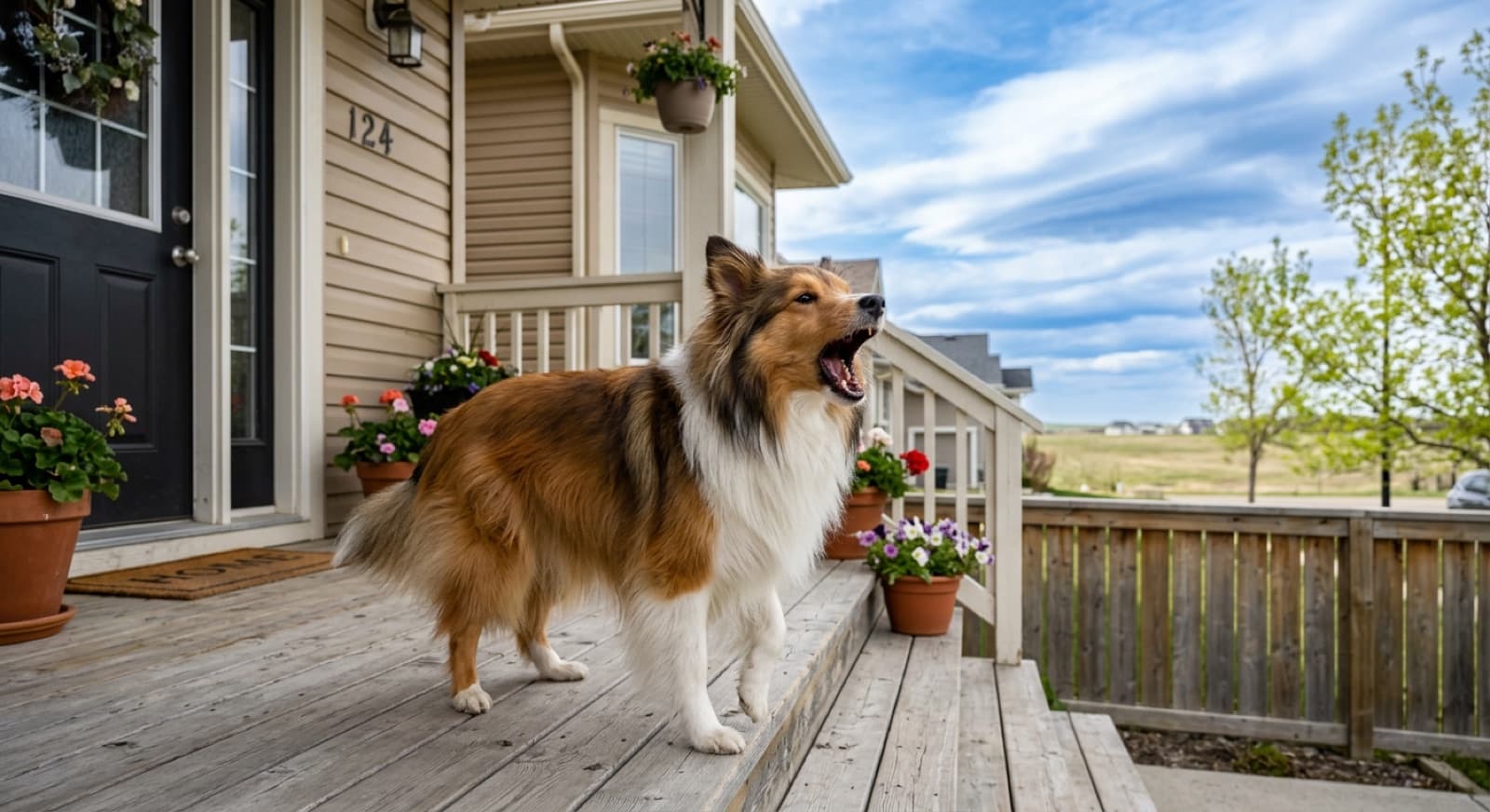
The Sheltie temperament
The Canadian Kennel Club describes the Sheltie as intensely loyal, affectionate and responsive, with a strong desire to please, a busy, active dog that enjoys a challenge, and one of the foremost breeds in obedience work. That eagerness makes training a pleasure.
Why Shelties bark
Barking helps a herding dog move livestock and raise the alarm. In a home, it shows up as alerting at noises and passers-by, excitement in play, barking at moving things, and demand barking for attention. Each type needs a slightly different fix, so watch when it happens.
Browse adoptable Shelties
Ask the rescue how much the dog barks in foster, and what sets it off.
See Available Shelties →Teaching quiet
Work at times when you can plan for success:
- Let your dog bark once or twice at a trigger, then wait for a pause.
- The instant it goes quiet, say "quiet" calmly and reward.
- Gradually ask for longer pauses before rewarding.
- Reward calm when the doorbell rings or people walk by, before barking starts.
- For demand barking, look away until the dog is quiet, then give attention.
Reduce the triggers
Block window views at street level with frosted film, close blinds when you are out, and play background sound to mask hallway or street noise. A tired, mentally busy Sheltie barks less, so daily walks, training games and food puzzles help.
The Merck Veterinary Manual notes that attention-seeking barking is often kept going by accidental reinforcement, which is why ignoring demand barking works when everyone is consistent.
Avoid punishment
Shelties are sensitive and can become anxious with harsh handling. The American Veterinary Society of Animal Behavior recommends reward-based training and lists shock collars among aversive tools linked to fear and aggression. If barking comes with signs of fear or distress when left alone, talk to your vet and a qualified behaviour professional.
Frequently asked questions
Do Shelties bark a lot?
Many do. Barking is part of their herding background. Training and fewer triggers reduce it a lot.
How do I stop my Sheltie barking at the window?
Block the view, reward quiet before barking starts, and teach a quiet cue by rewarding pauses.
Should I use a bark collar on a Sheltie?
No. Veterinary behaviour experts link shock and other aversive tools to fear and aggression. Use reward-based training.
Are Shelties easy to train?
Yes. The Canadian Kennel Club calls them one of the foremost obedience breeds, with a strong desire to please.
Are Shelties good apartment dogs?
They can be, with work on barking at hallway noise and plenty of exercise and brain games.
Why does my Sheltie bark at moving cars or kids?
It is herding behaviour. Manage the situation, reward calm and give structured outlets like training games.
Sources
- Canadian Kennel Club: Shetland Sheepdog: loyal, affectionate, eager to please; busy, active; obedience breed
- Merck Veterinary Manual: Behavioral Problems of Dogs: attention-seeking barking maintained by inadvertent reinforcement
- American Veterinary Society of Animal Behavior: Position Statement on Humane Dog Training: reward-based training; shock collars to avoid
General information, not a substitute for a qualified trainer or behaviour professional. For sudden increases in barking, start with your veterinarian to rule out pain or illness.
Related guides
New dog? Start with these care guides
Everything a new adopter needs to set up a safe, happy home.