Showing 8 dogs
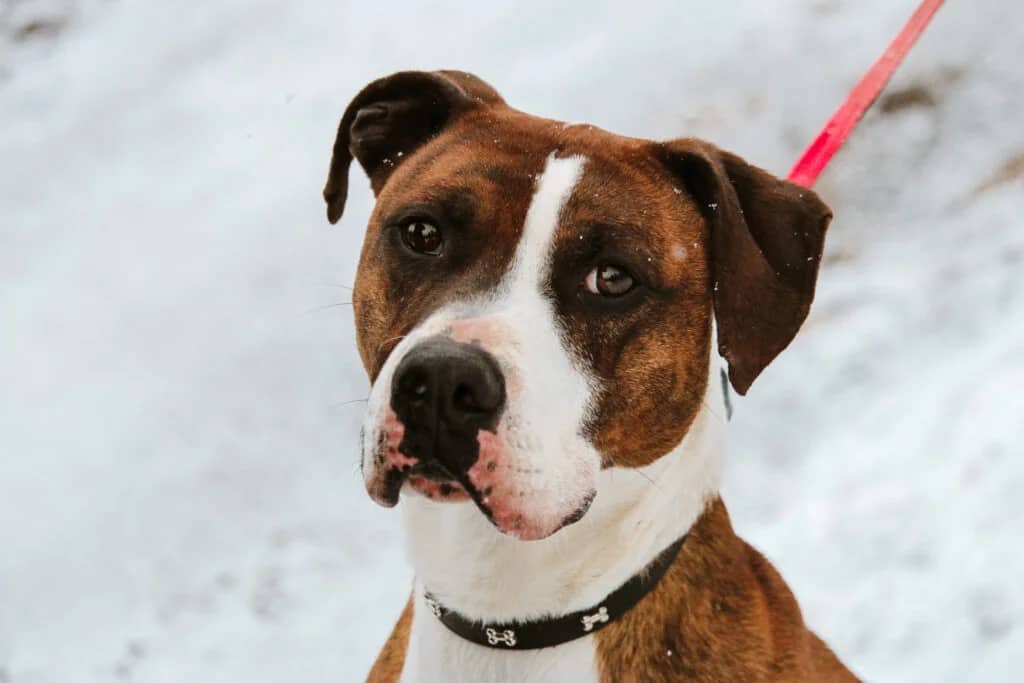
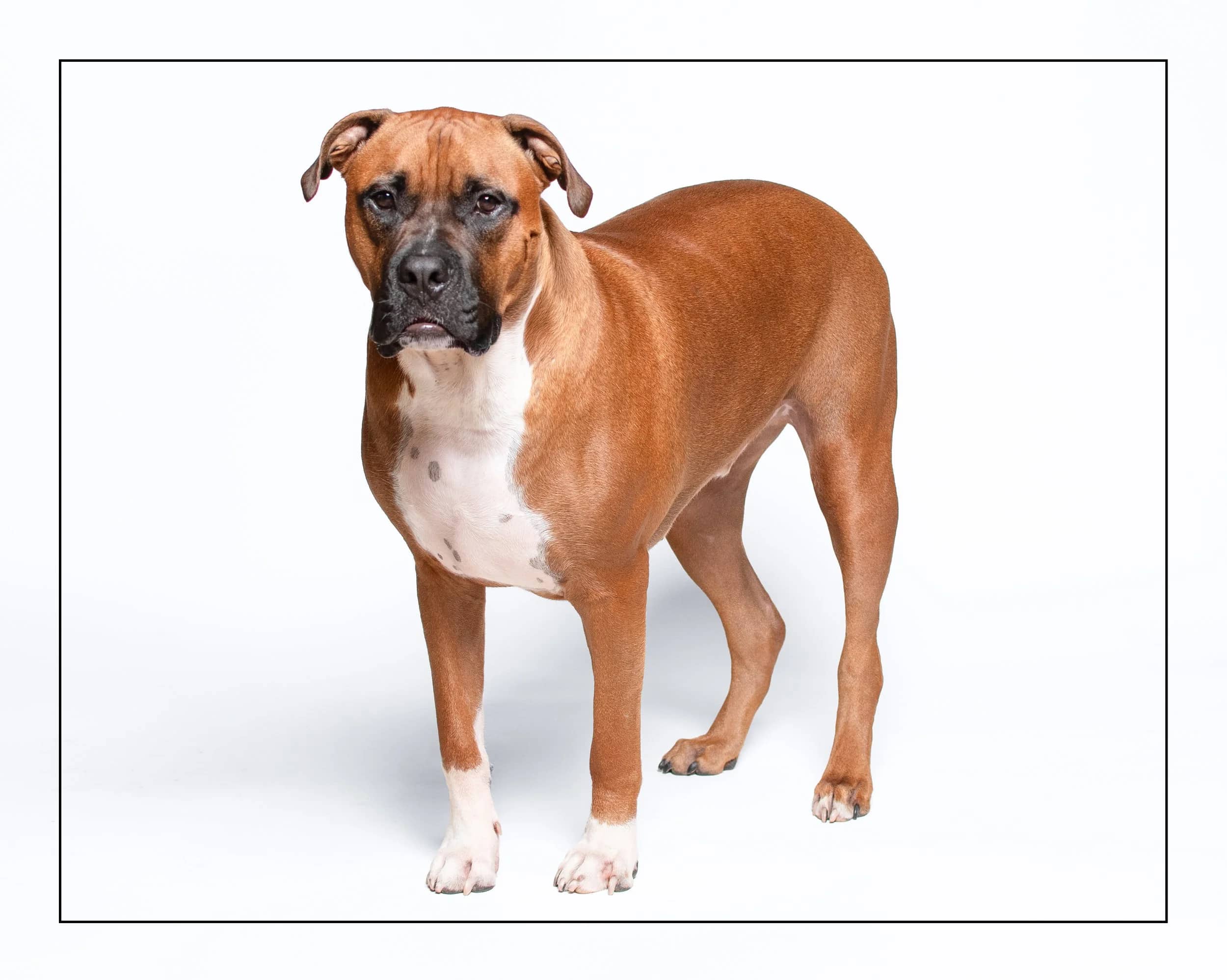
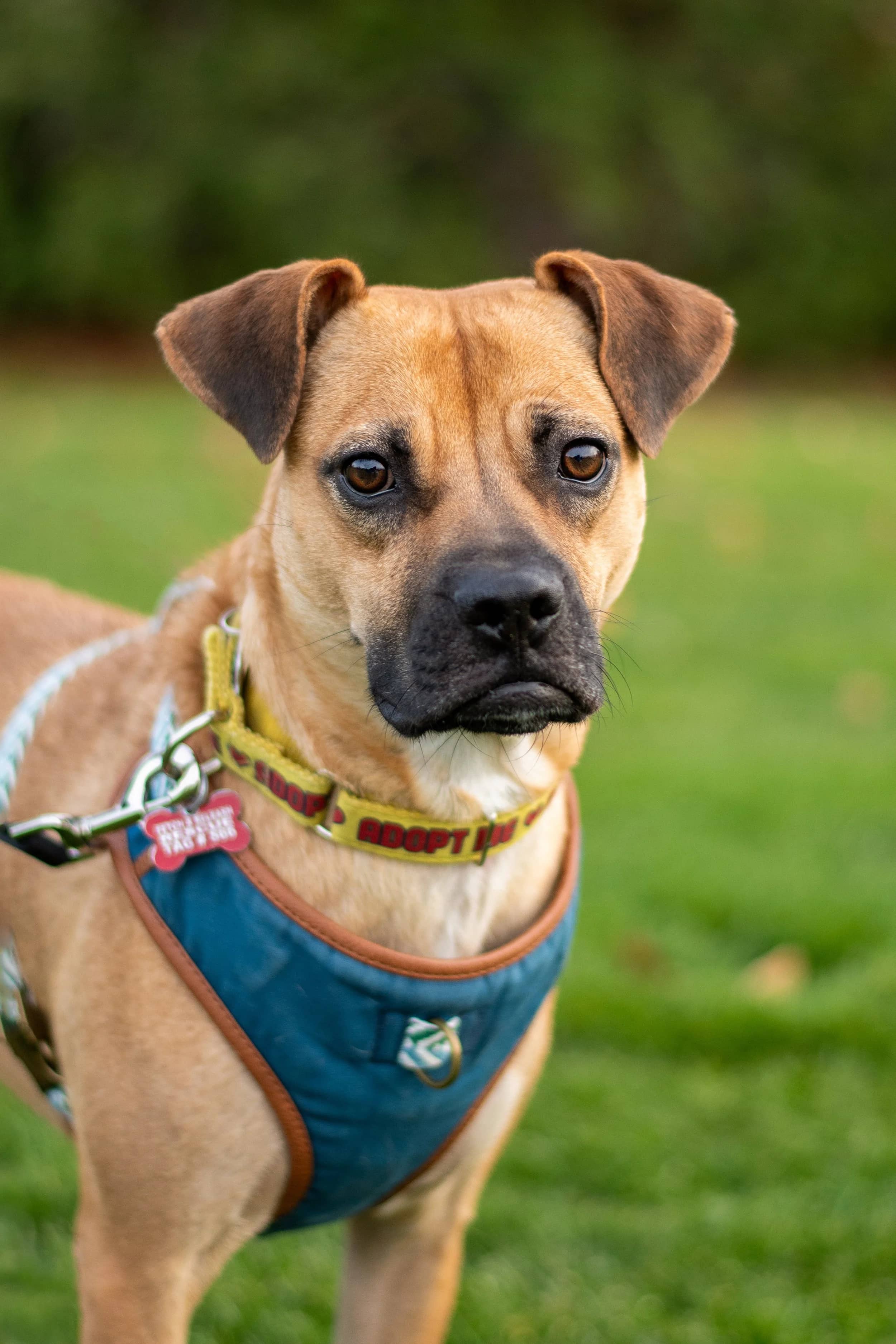
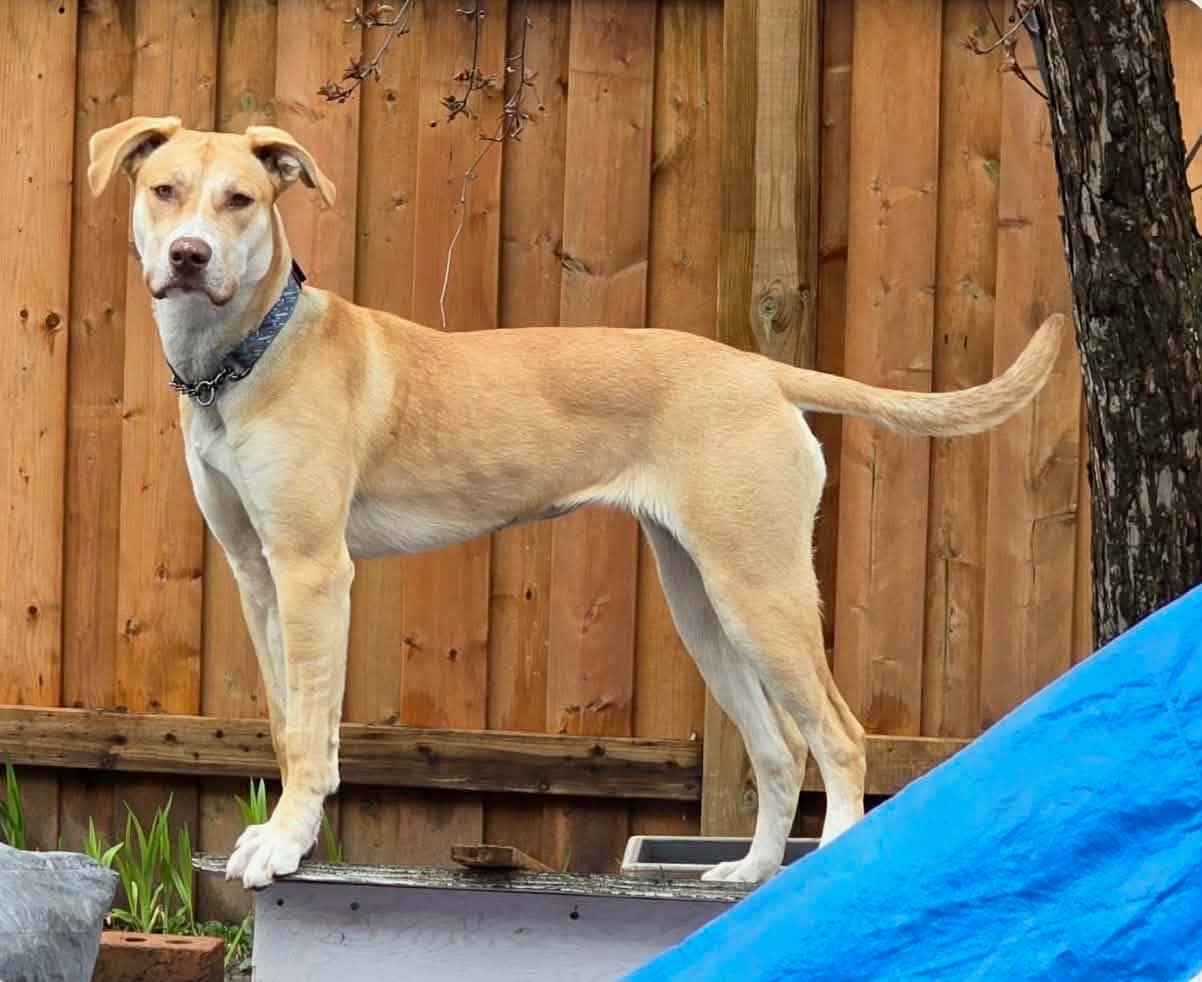
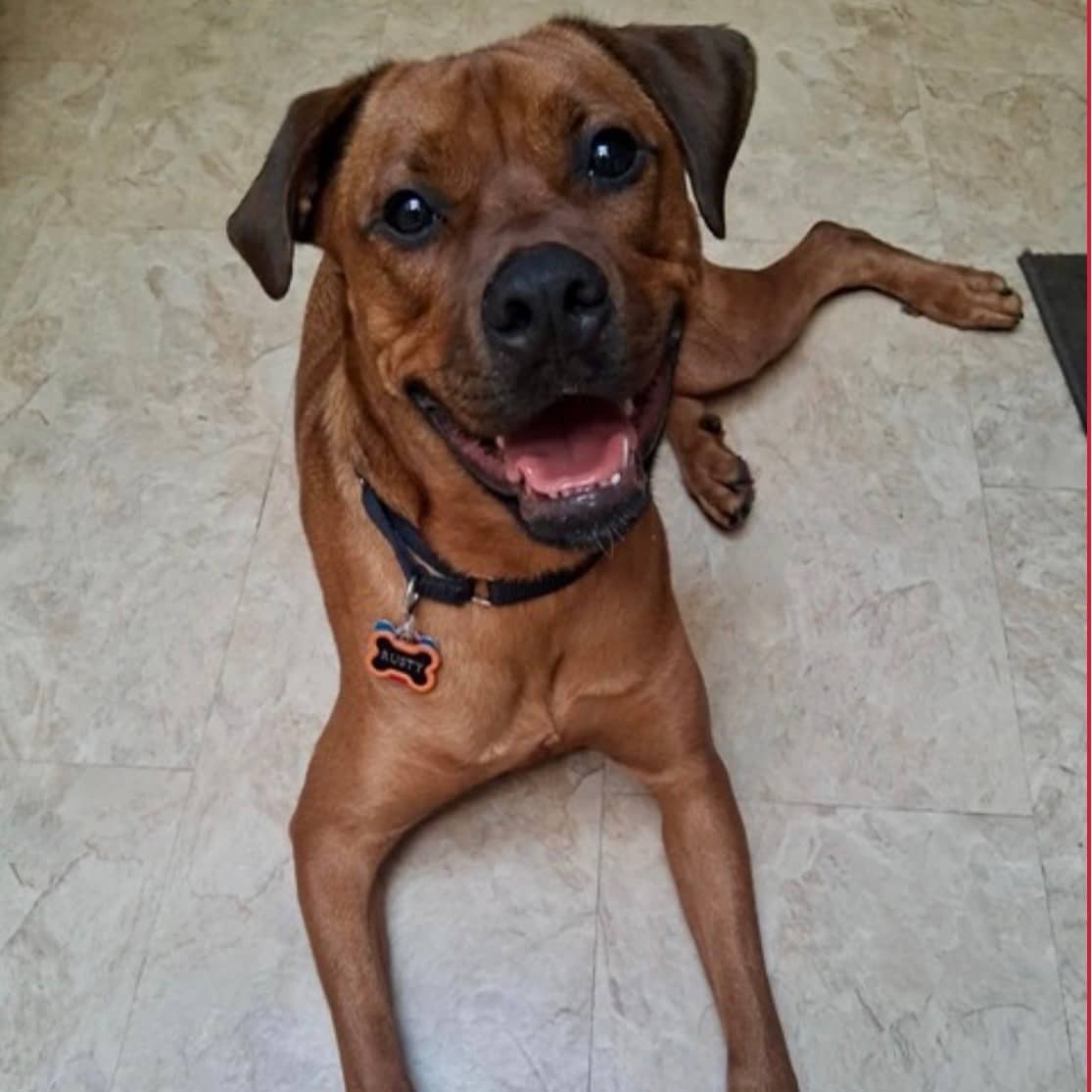


Boxers in Toronto, right now
We're currently tracking 8 adoptable Boxers in or near Toronto, listed by 4 rescues including Etobicoke Humane Society, Dog Tales Rescue and Sanctuary, and Fetch + Releash. Listings update regularly, and most Boxers in Toronto get adopted within days of being posted — if one catches your eye, reach out fast.
Adopting a Boxer in Toronto
Boxers turn up in Toronto and GTA rescue more often than most adopters realise. The Toronto Humane Society on River Street, Save Our Scruff, and City of Toronto Animal Services all see Boxers and Boxer crosses through the year — including a meaningful share of dogs surrendered after a cancer diagnosis between ages 5 and 8. Most Toronto rescue Boxers are adolescent or young adult dogs whose first households underestimated the energy level, the medical workup, or the GTA summer heat challenge for a brachycephalic breed.
This page pulls every adoptable Boxer from the launched GTA shelters into one searchable place, refreshed regularly. Most Toronto rescue Boxers are mixes — Boxer-Lab, Boxer-Pit cross, Boxer-mastiff — and the mixes often have softer brachycephalic features and longer lifespans than purebreds. Foster homes routinely arrange meets across the GTA. Be honest about your experience with a high-energy, medically demanding breed on the application.
Why Boxers cycle through Toronto rescue
The dominant pattern is the cancer surrender. Boxers carry one of the highest cancer rates of any breed — mast cell tumours, lymphoma, brain tumours, and hemangiosarcoma are all elevated, and lifetime cancer incidence in the breed is estimated at 40 to 60 percent. A Boxer diagnosis at age 5 to 7 with oncology treatment costs of $8,000 to $20,000 at VCA Canada Toronto branches or OVC Guelph leads to some surrenders when the household cannot continue care. The dog lands in rescue post-diagnosis, and the foster has a clear picture of remaining quality of life.
The second pattern is the energy mismatch. Boxers have the temperament reputation of perpetual puppies — affectionate, bouncy, mouthy adolescents that take 2 to 3 years to settle. Toronto buyers who picked up a Boxer puppy expecting a calm family companion meet the reality of a 60 to 80 lb adolescent that jumps on visitors, chews shoes, and steals food off the counter. Some learn to manage it. Some surrender between 10 and 24 months. The Toronto Humane Society and Save Our Scruff hear this story most months of the year.
Cancer screening and pet insurance — taken out the week you adopt
Boxer cancer rates are the single most important question for a Toronto adopter to plan around. Pet insurance taken out the week you bring the dog home is genuinely worth the premium for this breed. Premiums on a young adult Boxer are still affordable, and claims for oncology treatment at VCA Canada Toronto branches or OVC Guelph can run $8,000 to $20,000 across a treatment course. A pre-existing-condition diagnosis after you start the policy is not covered, so the insurance only works if you take it out before any cancer signs appear.
The other breed-specific screen is ARVC (arrhythmogenic right ventricular cardiomyopathy), a Boxer-specific cardiac condition similar to DCM in Dobermans. The breed-wide recommendation is annual cardiac screening from age 2 onward, with both an echocardiogram and a 24-hour Holter monitor — the Holter catches arrhythmias the echo can miss. Annual GTA cost runs $400 to $800 at VCA Canada Toronto cardiology or Toronto Veterinary Emergency Hospital. Aortic stenosis is also breed-prone and shows up on the same echo. Ask the foster what screening has been done.
Brachycephalic in a humidex 40 summer
Boxers are brachycephalic — the short muzzle and flat face mean breathing is less efficient than a long-muzzled breed, and Toronto summer humidex is genuinely dangerous for the breed. July and August humidex pushing 35 to 40°C in the GTA puts a Boxer on a midday walk into real respiratory distress within minutes. Walk only before 9 AM or after 7 PM in heat waves, carry water, watch for laboured breathing or foam at the mouth, and skip outdoor exercise on heat warning days. Some Boxers need BOAS (brachycephalic obstructive airway syndrome) surgery — Toronto rescue intake usually documents BOAS status, and post-surgery dogs tolerate humidex better.
The thin single coat is also cold-vulnerable in Toronto winter. Boxers at -15°C and below need an insulated coat for any walk longer than 10 minutes, and booties protect against road salt. Most Toronto Boxers find their stride in the shoulder seasons — April to June and September to November are the breed's best months in the GTA. Plan exercise around the climate calendar from day one.
What Boxers are actually like to live with
A well-matched Boxer in Toronto is one of the most affectionate, playful, family-oriented dogs in any breed. The harder parts to plan for:
- Cancer is a real lifetime risk. Pet insurance taken out the week you bring the dog home is the single most important budget decision.
- "Peter Pan" temperament. Boxers stay puppy-like for 2 to 3 years — mouthy, jumping, exuberant. Training takes patience.
- High exercise needs. Plan 60 to 90 minutes of real activity daily through adolescence, structured around GTA humidex.
- Brachycephalic heat risk. Midday summer walks are genuinely dangerous. Schedule around the temperature, not around your day.
- Short lifespan. 9 to 12 years is realistic. Cancer shortens it for many dogs.
- Bond intensely. Being left alone for 10 hours daily is rough on the breed — separation anxiety is common.
- Cold-vulnerable. Insulated coats from December through February for any longer walk.
- Annual cardiac screen non-negotiable. $400 to $800 a year for echo plus Holter is the breed-wide standard.
What the fee usually covers
Boxer adoption fees at Toronto and GTA rescues typically run $400 to $700 for an adult dog. The fee covers spay or neuter, core vaccinations, microchip, deworming, and a vet check before placement. Cancer status, BOAS surgical history, and cardiac screening at intake are worth asking about specifically. Senior Boxers or dogs with medical history may carry adjusted fees to reflect ongoing care. Confirm the exact number on the dog's own listing.
How to actually search
Use the filters above to narrow by energy level (most adolescent Boxers are high), size (medium to large), good with kids (usually excellent), and shelter. If a dog fits, apply the same day. Foster homes will tell you about medical history, heat tolerance, and energy in detail before you drive across the GTA for an in-person meet.
Looking more broadly? Browse every adoptable dog across the province on Dog Adoption Ontario.
The rescues that most often list Boxers across Ontario are Toronto Humane Society, Save Our Scruff, City of Toronto Animal Services, and Etobicoke Humane Society. For breed-specific background, the Canadian Kennel Club is a useful reference.
Boxer guides for Toronto adopters
Boxer Adoption in Toronto: Where & What to Expect
Adopt a Boxer or Boxer mix in Toronto: the playful clown temperament, the exercise and heat-sensitivity realities, the health to know, and the honest costs.
9 min read readBoxer Health Issues: A Toronto Guide
The Boxer health profile for Toronto owners: the heart and cancer risks that define the breed, brachycephalic heat sensitivity, bloat, joints, and insurance.
10 min read readBoxer Temperament & Family Fit in Toronto
Is a Boxer a good family dog? The exuberant eternal-puppy temperament, fit with kids and other pets, exercise-as-behaviour, and the velcro-dog reality.
9 min read readBoxer adoption in other Ontario cities
Boxer Adoption FAQ — Toronto
How many Boxers are available for adoption in Toronto?
As of September 2026, 8 Boxers are available for adoption in Toronto across 4 rescues on LocalPetFinder. Listings update regularly as dogs are adopted and new ones arrive — browse the current Boxers above and apply directly through the rescue.
Where can I adopt a Boxer near me in Toronto?
Toronto and the GTA have Boxers and Boxer crosses in rescue most months of the year, including dogs surrendered post-cancer diagnosis. The major sources are the Toronto Humane Society on River Street, Save Our Scruff foster-based rescue, City of Toronto Animal Services West/North/East, and Etobicoke Humane Society. Most Toronto rescue Boxers are mixes, which often have softer brachycephalic features and longer lifespans than purebreds.
Why do Boxers in Toronto rescue often have cancer history?
Boxers carry one of the highest cancer rates of any breed — lifetime incidence is estimated at 40 to 60 percent, with mast cell tumours, lymphoma, brain tumours, and hemangiosarcoma all elevated. Median age at diagnosis is 5 to 8 years. Some households cannot continue oncology care that runs $8,000 to $20,000 at VCA Canada Toronto or OVC Guelph, and the dog lands in rescue. Pet insurance taken out the week you adopt a young Boxer is the single most important budget decision — it only covers pre-existing diagnoses if taken before any signs appear.
Are Boxers safe in Toronto summer humidex?
Toronto humidex is genuinely dangerous for a brachycephalic breed. July and August humidex over 35°C puts a Boxer on a midday walk into real respiratory distress within minutes. Walk only before 9 AM or after 7 PM in heat waves, carry water on every summer walk, watch for laboured breathing, and skip outdoor exercise on heat warning days. Post-BOAS-surgery Boxers tolerate humidex better than pre-surgery dogs. The Toronto Humane Society and Save Our Scruff will note BOAS surgical status on the intake file.
Are Boxers good family dogs?
Yes, for active families. Boxers are one of the most affectionate, playful, family-oriented breeds — most are excellent with children and bond deeply with the household. The catches are the "Peter Pan" energy that lasts 2 to 3 years (mouthy, jumping, exuberant adolescents), the cancer-risk medical budget, and the GTA summer heat planning. Toronto Humane Society fosters will tell you whether the specific dog is family-stable.
What is ARVC and why does it matter for a Toronto Boxer?
Arrhythmogenic right ventricular cardiomyopathy is a Boxer-specific cardiac condition similar to DCM in Dobermans. The breed-wide recommendation is annual cardiac screening from age 2 onward, with both an echocardiogram and a 24-hour Holter monitor — the Holter catches arrhythmias the echo can miss. Annual cost in the GTA runs $400 to $800 at VCA Canada Toronto cardiology or Toronto Veterinary Emergency Hospital. Aortic stenosis is also breed-prone and shows up on the same echo. Plan to start the screening protocol the year after adoption.
What colours do Boxers come in, and are white Boxers different?
Boxers come in two main colours, fawn (tan) and brindle (fawn with dark stripes), usually with white markings. About a quarter of Boxers are mostly white; white Boxers are the same breed and generally healthy, but the genetics that leave them white also mean a higher share are deaf in one or both ears, and their pink skin sunburns easily. Whatever the colour, all Boxers are a brachycephalic (flat-faced) breed prone to heat sensitivity and some heart conditions, so keep them cool and vet-checked.
How much does it cost to adopt a Boxer in Toronto?
Adopting a Boxer in Toronto typically costs $400 to $800, and puppies usually carry a premium at $600 to $1,000. The exact fee varies by rescue, and older dogs are often reduced. That fee is not a purchase price. It covers work already done on the dog: spay or neuter, vaccinations, deworming, microchip, and a basic vet workup, which would cost several hundred dollars more if you arranged it yourself after buying. Buying the same breed from a registered breeder generally runs well over $1,000, usually with a waitlist. Ask the rescue what is included before you apply, since a few include extras like a starter bag of food or a first-month insurance trial.
Are these Boxers for sale in Toronto?
Not for sale, for adoption, which is usually the better deal. Every Boxer here comes from a Toronto rescue or shelter, not a breeder, pet store, or classified seller. Adoption fees are typically $400 to $800, with puppies at $600 to $1,000 and already include vaccinations, deworming, microchip and spay or neuter when age-appropriate, versus roughly $2,000 to $5,000 or more to buy a Boxer from a breeder. If you searched "boxer for sale toronto" or "boxer puppies for sale," adopting gets you a healthy, vetted dog for a fraction of the price.
Where can I buy a Boxer in Toronto, and should I?
You can buy from a registered breeder, but it is worth weighing against adoption first. A reputable Boxer breeder typically charges $2,000 to $5,000 or more and often has a waitlist, while a rescue Boxer costs $400 to $800, with puppies at $600 to $1,000 fully vetted and may be available now. Be cautious of cheap boxer-for-sale ads on classified sites and marketplaces, which are frequently backyard breeders or puppy-mill resellers with unvetted, sometimes sick animals and no health guarantee. If you do buy, insist on seeing where the puppies were raised and getting vet records. For most families in Toronto, adopting a rescue Boxer is cheaper, faster, and gives a dog in need a home.
Are there free Boxers in Toronto, or boxers under $500?
Adoption is the closest honest answer, and it is not free. A rescue Boxer in Toronto typically costs $400 to $800, with puppies at $600 to $1,000, so the lower end lands under the "$500" people search for and the rest does not. What the fee buys is work already done, the vaccinations, deworming, microchip and spay or neuter, which would cost more than the fee itself if you arranged it yourself, and it is still far below breeder prices. Be wary of genuinely free boxer listings. An animal advertised free to a good home has usually not been vetted, and free rehoming ads are the route flippers and unregistered breeders use to move animals with no health guarantee and no recourse. Paying a rescue fee buys you a dog someone has already examined, treated, and been honest with you about.
Are there Boxer puppies in Toronto, or only adults?
Both, but adults far outnumber puppies, and it is worth knowing that before you start looking. Most Boxers arriving in Toronto rescue are adolescents and adults, because that is the age at which first homes tend to give up. Puppies do come through, usually as accidental litters or with a surrendered mother, and they are typically spoken for quickly. Setting an alert beats refreshing the page. It is also worth asking whether you actually want one: an adult arrives with a temperament a foster has already observed and described, where a Boxer puppy is a prediction, and for this breed in particular knowing what you are getting is the more useful thing.
Where can I find a Boxer near me in Toronto?
Start with the listings on this page, which pull from Toronto rescues and shelters and are refreshed regularly, so what you see is what is genuinely available rather than a stale directory. If nothing suits today, that is normal for this breed: rescue intake is intermittent rather than steady, and a breed with none listed this week often has several next month. Setting an alert beats checking back, and it is worth widening to nearby towns, since most rescues serving Toronto will adopt out across a reasonable driving distance rather than only inside one municipality.
Have a dog to rehome?
Rehoming a Boxer in Toronto?
List your dog free. Local adopters browsing Toronto see owner listings first: no shelter, no fees, you choose the home.
List your pet free →Takes 3 minutes. You stay in control of who adopts.
Not seeing one yet?
Get notified when a Boxer is listed in Toronto
We'll email you the moment a Boxer is listed in Toronto on LocalPetFinder, from a rescue or an owner rehoming.
One email when there's a match. Unsubscribe anytime.
For rescues & shelters
Are you a Toronto-area rescue? List your adoptable dogs free.
Free shelter account: your dogs appear here and across LocalPetFinder, with analytics and adoption applications included.