Showing 17 dogs
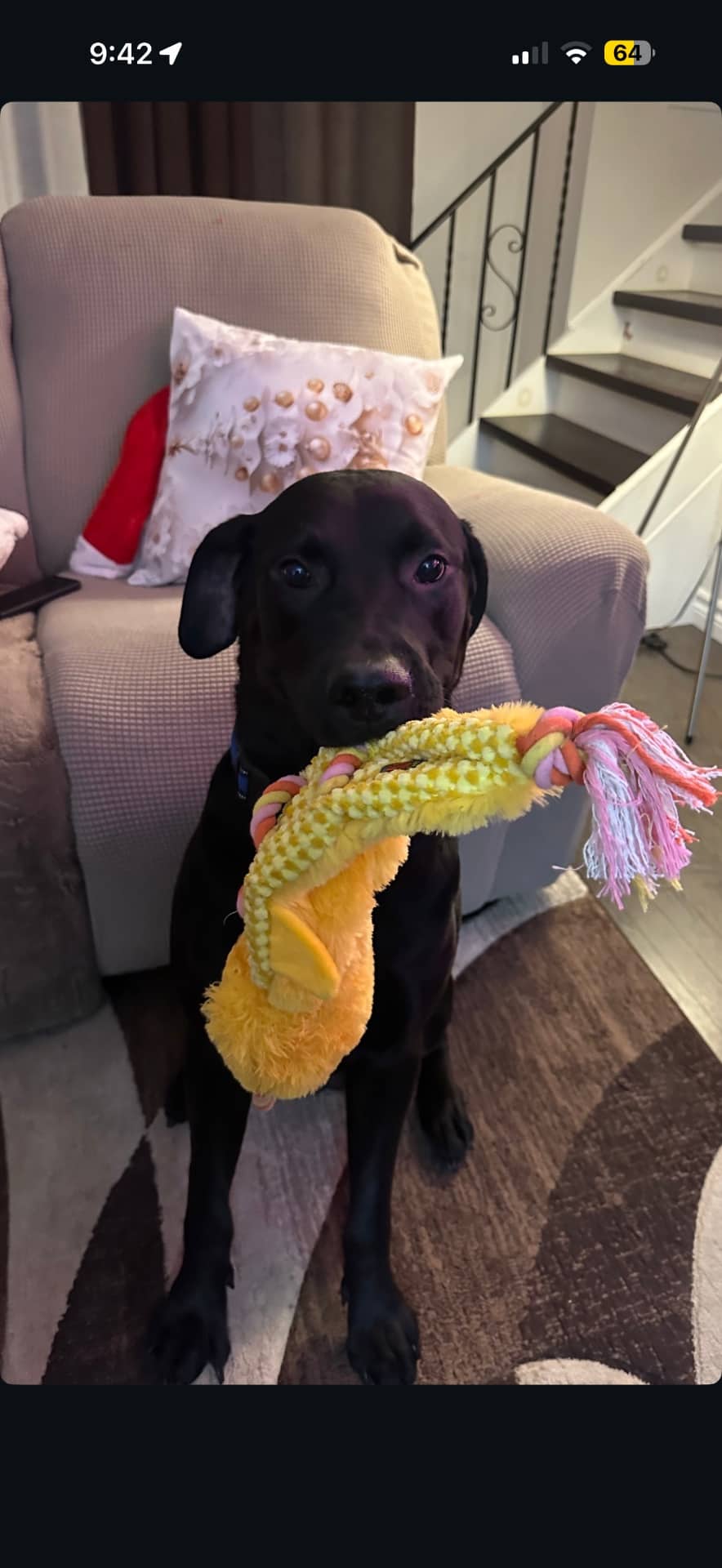
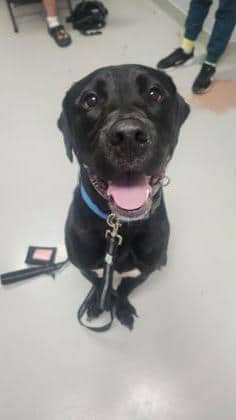
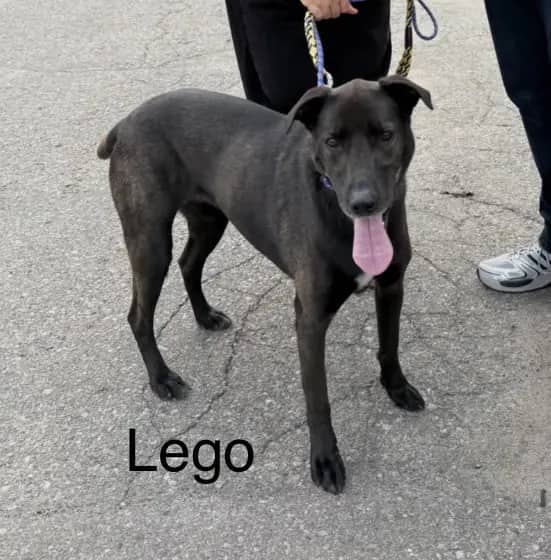
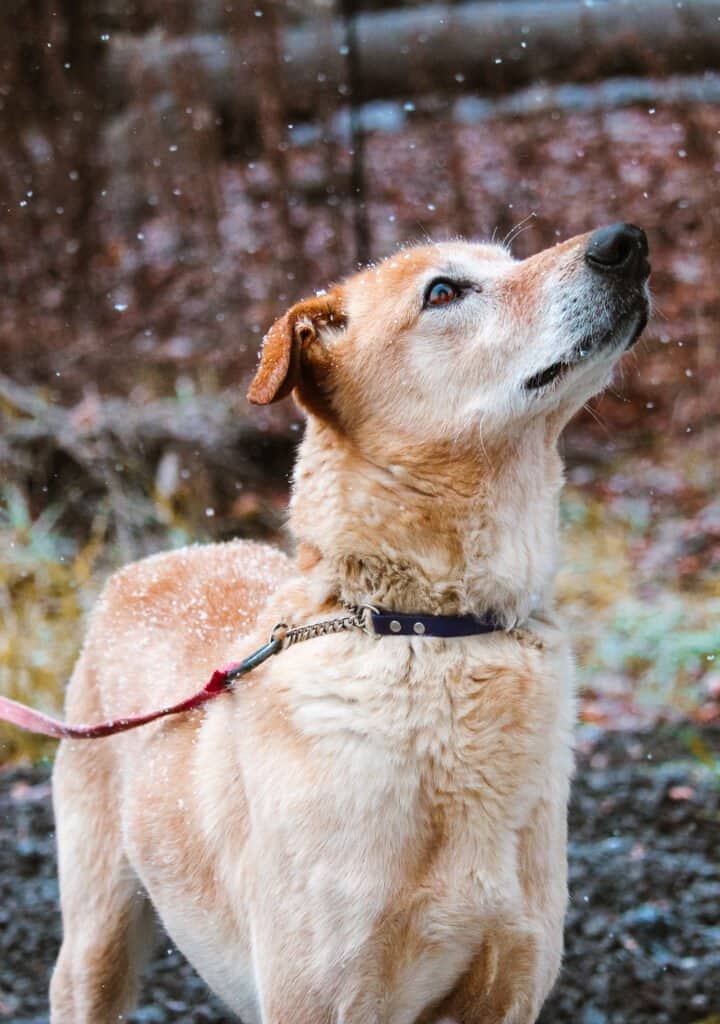
Labrador Retrievers in Toronto, right now
We're currently tracking 17 adoptable Labrador Retrievers in or near Toronto, listed by 8 rescues including Owner Rehoming, Toronto Humane Society, and City of Toronto Animal Services. Listings update regularly, and most Labrador Retrievers in Toronto get adopted within days of being posted — if one catches your eye, reach out fast.
Adopting a Labrador in Toronto
Labradors and Lab-type dogs are listed in Toronto and GTA rescue more often than almost any other breed, most months of the year. The Toronto Humane Society on River Street sees them constantly, City of Toronto Animal Services carries Labs and Lab crosses through the West, North and East shelters, and foster-based rescues across Mississauga, Brampton, Markham, Vaughan and Oakville usually have Lab mixes on the floor. Some weeks the THS holds a dozen Lab-type dogs at once.
This page pulls every adoptable Labrador from the launched GTA shelters into one searchable place, refreshed regularly. The region-wide view matters for Labs because the inventory is high, the dogs cycle quickly, and the right match is often not in your home neighbourhood. Foster homes routinely arrange meets regardless of whether you live in Riverdale, Leslieville, North York, or out in Oakville.
Why Labradors cycle through Toronto rescue
The first reason is the assumption that Labs are easy dogs. Adopters bring home a Lab puppy expecting a calm family companion and meet the reality at six months: a 65 to 80 lb mouthy adolescent that needs an hour of real exercise every day, jumps on visitors, chews shoes, and steals food off the counter. Some learn to manage it. Some surrender between 8 and 18 months. In Toronto this pattern intersects with small condos and shared lobbies, which raises the friction faster than a house in the 905 would.
The second is housing. The GTA rental market is among the toughest in Canada, and even a friendly Lab pushes past the 25 to 30 lb weight cap written into many downtown condo declarations. Renters who lose a place sometimes have to give up the dog. The third is the working-line problem. Some Labs come from hunting and sport breeders who placed energetic, drivey puppies into GTA pet homes that wanted a couch companion. The household has the schedule of a casual walker, the dog has the genetics of a duck retriever, and the math does not work.
What "Lab Mix" actually means in Toronto rescue
Many of the dogs labelled Lab Mix in GTA rescue are not Labrador crosses in any genetic sense. Rescue volunteers often label any black, friendly, athletic medium-to-large mixed dog as a Lab mix because the label moves the dog faster than the more accurate unknown mix or pit cross. The dogs are still good dogs. The label just gives them a softer landing in a market where some condo declarations restrict bully-type breeds by name.
If you adopt a Lab mix from a Toronto rescue, ask the foster what the dog acts like, not what the breed line says. The right questions are how the dog handles other dogs, strangers, the leash, and a quiet apartment. The foster knows. The breed label is often a guess. The Toronto Humane Society is open about this on intake.
Health concerns worth asking the foster about
Labs have several well-documented health concerns Toronto fosters should answer plainly. Hip and elbow dysplasia are the most common. Exercise-induced collapse shows up in some working lines. Progressive retinal atrophy and cataracts come up in older dogs. Bloat is the emergency every deep-chested large dog owner should know, and Toronto Veterinary Emergency Hospital sees bloat cases monthly. Obesity is the biggest preventable issue. Labs are food-driven and gain weight fast if exercise drops during a humid Toronto summer or a cold January. A foster who has lived with the dog knows whether it moves smoothly, holds weight, and eats sensibly. Ask directly. Chocolate toxicity is also a real risk for a food-motivated Lab in any Toronto household — keep it locked away.
What Labradors are actually like to live with
The Lab reputation as the perfect family dog has a kernel of truth. They are sociable, food-driven, and easy to train when motivated. The harder parts only show up at home, and they are why so many end up in GTA rescue:
- Adolescent energy is real. Between 8 and 18 months expect a dog that needs an hour of vigorous exercise daily, year-round.
- Mouthy by nature. Labs explore with their mouth for life. Invest in chew-resistant toys.
- Food-motivated to a fault. A Lab will steal food off counters and out of garbage cans. Routines have to change.
- Shed continuously. The short double coat sheds year-round and blows twice a year.
- Love water. Most Labs swim happily, and Cherry Beach off-leash is the city's best Lab playground. Sunnyside, the Beaches, and Lake Ontario shoreline points all work in summer. The 905 lakes are weekend territory.
- Strong leash pullers. Loose leash walking is a long training project, not an out-of-the-box trait.
- Heat-sensitive in humidex. Toronto July and August humidex over 35°C is rough on a heavy-coated breed. Walk cool ends of the day, carry water, skip midday.
What the fee usually covers
Labrador adoption fees at Toronto and GTA rescues typically run $350 to $600 for an adult dog. The fee covers the medical work the rescue already paid for: spay or neuter, core vaccinations, microchip, deworming, and a vet check before placement. Confirm the exact number on the dog's own listing, because it varies with age and any special medical care.
How to actually search
Use the filters above to narrow by energy level (most adolescent Labs are high), size (medium to large), good with kids (usually yes), and shelter. If a dog fits, apply the same day. Foster homes across the GTA are usually willing to set up a video call before you drive across the 401 or 407 for an in-person meet. Lab inventory moves fast and well-prepared applicants get the first conversation.
Looking more broadly? Browse every adoptable dog across the province on Dog Adoption Ontario.
The rescues that most often list Labrador Retrievers across Ontario are Toronto Humane Society, City of Toronto Animal Services, Save Our Scruff, and Etobicoke Humane Society. For breed-specific background, the Canadian Kennel Club is a useful reference.
Labrador Retriever guides for Toronto adopters
Labrador Retriever Adoption in Toronto: Where & How
Adopt a Labrador Retriever or Lab mix in Toronto: where they show up in rescue, why the family favourite still ends up surrendered, city fit, and the real costs.
9 min read readLabrador Retriever Health Issues: A Toronto Guide
The Labrador health profile for Toronto owners: obesity as the risk multiplier, hip and elbow dysplasia, exercise-induced collapse, ear infections, and insurance.
10 min read readLabrador Swimming Safety in Toronto
Keeping a water-loving Lab safe in Toronto: blue-green algae in Ontario lakes, water intoxication, currents on Lake Ontario, leptospirosis, and beach postings.
9 min read readLabrador Weight Management in Toronto
Why Labs gain weight and how to prevent it: the POMC food-obsession gene, body-condition scoring, portion math, and the short-daylight Toronto winter trap.
9 min read readLabrador Retriever adoption in other Ontario cities
Labrador Retriever Adoption FAQ — Toronto
How many Labrador Retrievers are available for adoption in Toronto?
As of September 2026, 17 Labrador Retrievers are available for adoption in Toronto across 8 rescues on LocalPetFinder. Listings update regularly as dogs are adopted and new ones arrive — browse the current Labrador Retrievers above and apply directly through the rescue.
Where can I adopt a Labrador near me in Toronto?
Toronto and the GTA have Labradors and Lab crosses in rescue every month of the year. The major sources are the Toronto Humane Society on River Street, City of Toronto Animal Services West/North/East, Save Our Scruff foster-based rescue, and Etobicoke Humane Society. This page lists what is currently available across all of them. Each profile links directly to the rescue to apply.
Are Labradors a good fit for Toronto humid summers?
Yes, but with planning. Toronto July and August humidex over 35°C is genuinely hard on a double-coated breed. Walk only before 9 AM or after 7 PM in heat waves, carry water on every summer walk, and use Cherry Beach off-leash or other Lake Ontario points for swims to cool the dog. Most Labs love the water, which makes Toronto summer easier to manage than the dry heat in some Prairie cities. Watch for heavy panting, foam at the mouth, or a dog that refuses to keep moving. The cold season is no problem for the breed.
Can I keep a Labrador in a Toronto condo?
Sometimes. Many Liberty Village, CityPlace, Yonge corridor and downtown Mississauga condo declarations write in 25 to 30 lb weight caps, and a 65 to 80 lb Lab is over that line. Other downtown buildings, Etobicoke walk-ups, and 905 townhouse complexes are more permissive. Read the condo declaration and pet rules in writing before you apply to adopt. Most Labs adapt to a condo if they get an hour of real outdoor exercise daily, but the building has to allow the size first.
Where can I swim a Labrador in Toronto?
Cherry Beach off-leash on the eastern waterfront is the city's best Lab swimming spot, with year-round access and a sandy entry. Sunnyside, the Beaches boardwalk areas, and Humber Bay all work in summer though leash rules vary. Out of the city, Lake Ontario points in Oakville, Burlington, and Whitby are good day trips, and the 905 conservation areas with leashed lakefront work for off-season swims. Avoid the harbour proper during E. coli warnings, which usually post in mid-summer.
Are black, yellow, and chocolate Labs different, and what about English vs American?
They are all one breed. Black, yellow, and chocolate are just coat colours, and all three can appear in the same litter (fox red and white are shades of yellow). The bigger difference is type: English or show Labs tend to be stockier, calmer, and blockier-headed, while American or field Labs are leaner, taller, and higher-energy. In rescue you will mostly meet Labs and Lab mixes of unknown type, so judge the individual dog's energy and drive rather than its colour, which tells you nothing about temperament.
How much does it cost to adopt a Labrador Retriever in Toronto?
Adopting a Labrador Retriever in Toronto typically costs $400 to $800, and puppies usually carry a premium at $600 to $1,000. The exact fee varies by rescue, and older dogs are often reduced. That fee is not a purchase price. It covers work already done on the dog: spay or neuter, vaccinations, deworming, microchip, and a basic vet workup, which would cost several hundred dollars more if you arranged it yourself after buying. Buying the same breed from a registered breeder generally runs well over $1,000, usually with a waitlist. Ask the rescue what is included before you apply, since a few include extras like a starter bag of food or a first-month insurance trial.
Are these Labrador Retrievers for sale in Toronto?
Not for sale, for adoption, which is usually the better deal. Every Labrador Retriever here comes from a Toronto rescue or shelter, not a breeder, pet store, or classified seller. Adoption fees are typically $400 to $800, with puppies at $600 to $1,000 and already include vaccinations, deworming, microchip and spay or neuter when age-appropriate, versus roughly $2,000 to $5,000 or more to buy a Labrador Retriever from a breeder. If you searched "labrador retriever for sale toronto" or "labrador retriever puppies for sale," adopting gets you a healthy, vetted dog for a fraction of the price.
Where can I buy a Labrador Retriever in Toronto, and should I?
You can buy from a registered breeder, but it is worth weighing against adoption first. A reputable Labrador Retriever breeder typically charges $2,000 to $5,000 or more and often has a waitlist, while a rescue Labrador Retriever costs $400 to $800, with puppies at $600 to $1,000 fully vetted and may be available now. Be cautious of cheap labrador retriever-for-sale ads on classified sites and marketplaces, which are frequently backyard breeders or puppy-mill resellers with unvetted, sometimes sick animals and no health guarantee. If you do buy, insist on seeing where the puppies were raised and getting vet records. For most families in Toronto, adopting a rescue Labrador Retriever is cheaper, faster, and gives a dog in need a home.
Are there free Labrador Retrievers in Toronto, or labrador retrievers under $500?
Adoption is the closest honest answer, and it is not free. A rescue Labrador Retriever in Toronto typically costs $400 to $800, with puppies at $600 to $1,000, so the lower end lands under the "$500" people search for and the rest does not. What the fee buys is work already done, the vaccinations, deworming, microchip and spay or neuter, which would cost more than the fee itself if you arranged it yourself, and it is still far below breeder prices. Be wary of genuinely free labrador retriever listings. An animal advertised free to a good home has usually not been vetted, and free rehoming ads are the route flippers and unregistered breeders use to move animals with no health guarantee and no recourse. Paying a rescue fee buys you a dog someone has already examined, treated, and been honest with you about.
Are there Labrador Retriever puppies in Toronto, or only adults?
Both, but adults far outnumber puppies, and it is worth knowing that before you start looking. Most Labrador Retrievers arriving in Toronto rescue are adolescents and adults, because that is the age at which first homes tend to give up. Puppies do come through, usually as accidental litters or with a surrendered mother, and they are typically spoken for quickly. Setting an alert beats refreshing the page. It is also worth asking whether you actually want one: an adult arrives with a temperament a foster has already observed and described, where a Labrador Retriever puppy is a prediction, and for this breed in particular knowing what you are getting is the more useful thing.
Where can I find a Labrador Retriever near me in Toronto?
Start with the listings on this page, which pull from Toronto rescues and shelters and are refreshed regularly, so what you see is what is genuinely available rather than a stale directory. If nothing suits today, that is normal for this breed: rescue intake is intermittent rather than steady, and a breed with none listed this week often has several next month. Setting an alert beats checking back, and it is worth widening to nearby towns, since most rescues serving Toronto will adopt out across a reasonable driving distance rather than only inside one municipality.
Have a dog to rehome?
Rehoming a Labrador Retriever in Toronto?
List your dog free. Local adopters browsing Toronto see owner listings first: no shelter, no fees, you choose the home.
List your pet free →Takes 3 minutes. You stay in control of who adopts.
Not seeing one yet?
Get notified when a Labrador Retriever is listed in Toronto
We'll email you the moment a Labrador Retriever is listed in Toronto on LocalPetFinder, from a rescue or an owner rehoming.
One email when there's a match. Unsubscribe anytime.
For rescues & shelters
Are you a Toronto-area rescue? List your adoptable dogs free.
Free shelter account: your dogs appear here and across LocalPetFinder, with analytics and adoption applications included.