Showing 15 dogs

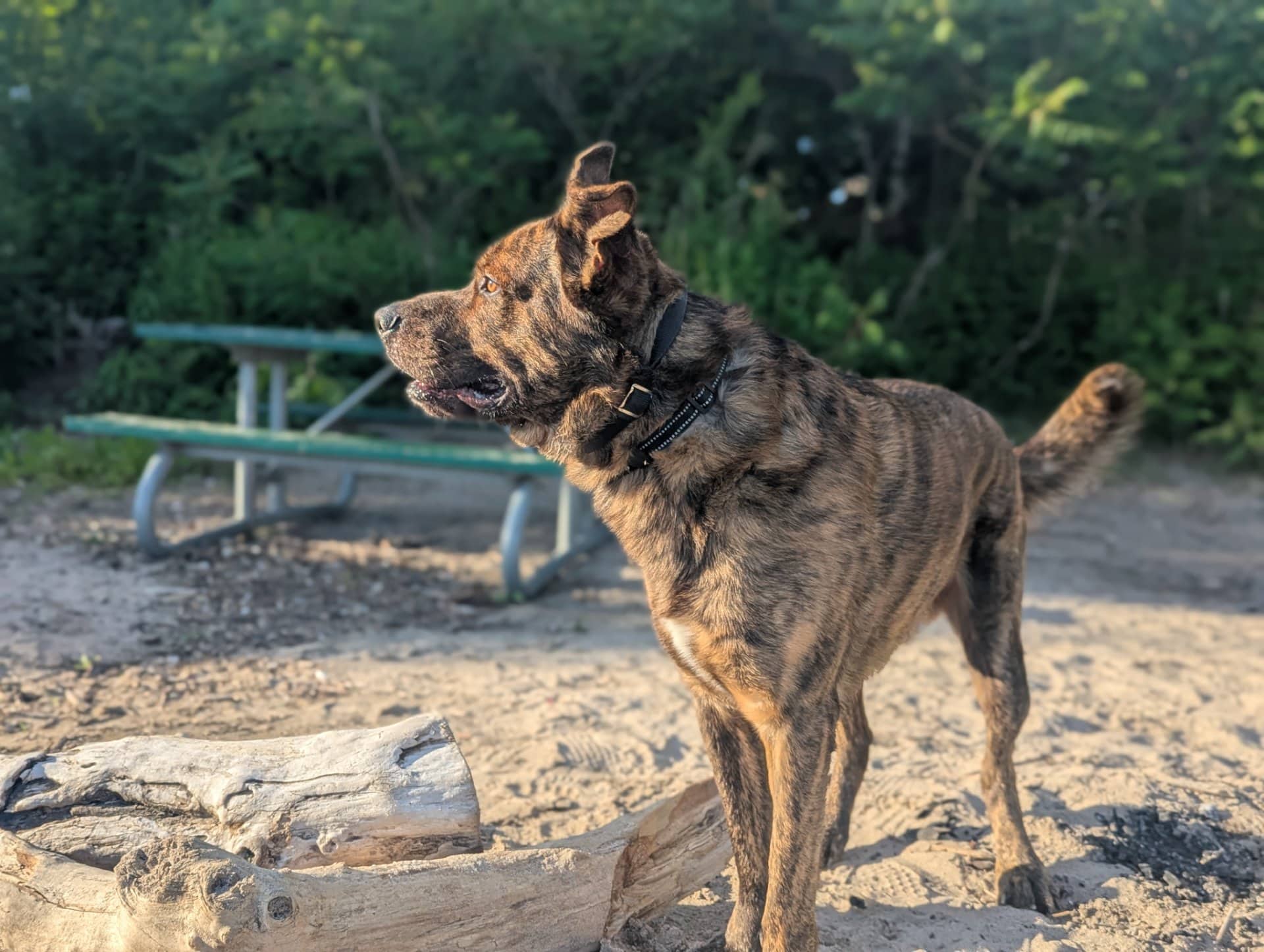
Max
2 years • Doberman
Owner Rehoming



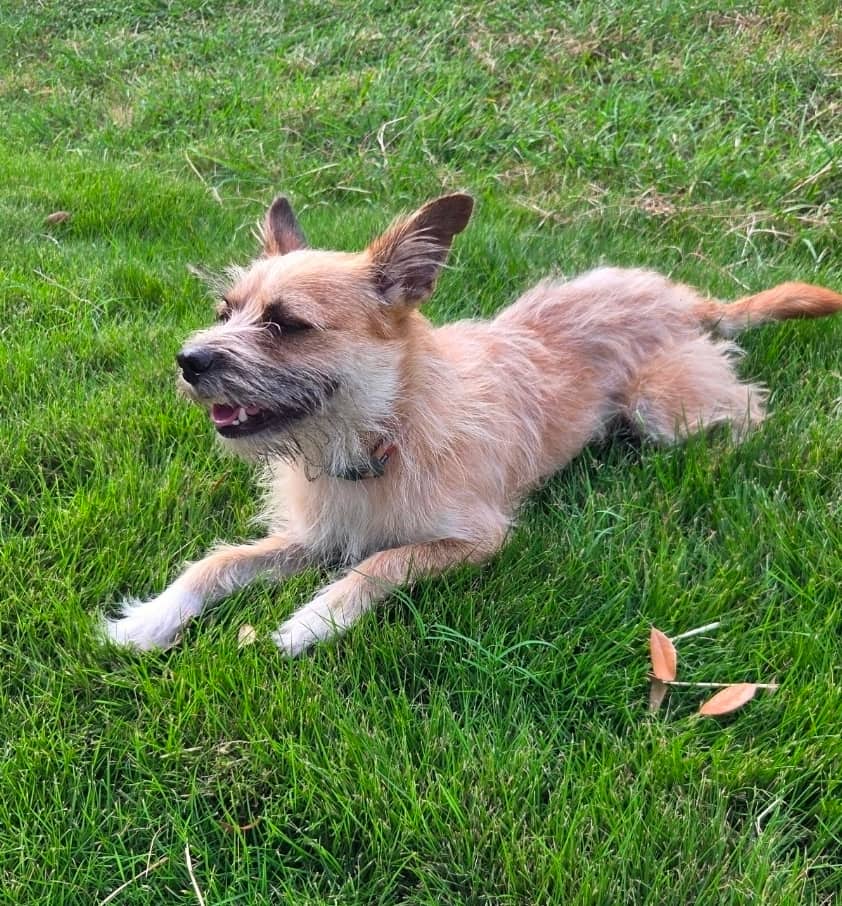
Momo
5 years • Mix
Owner Rehoming


Where to find cat-friendly dogs in Toronto? The dogs listed here are flagged as good with cats by their foster home or shelter staff, sourced from the Toronto Humane Society and City of Toronto Animal Services. Foster-based assessments are the most reliable signal because the dog has lived with a cat and the foster has watched the interaction over weeks. Plan a gradual home introduction regardless.
Adopting a dog into a cat household takes patience and the right pick. The two best signals on a dog profile are foster history with cats (the dog has lived with a cat in a foster home for weeks) and previous multi-pet ownership (the dog was surrendered from a home with cats). Both the Toronto Humane Society on River Street and City of Toronto Animal Services capture this information at intake and pass it along in listings. The “good with cats” flag is your shortcut to dogs whose history suggests they can live with a feline housemate.
What no rescue can promise is that any given dog will be perfect with your specific cat. Prey drive varies, cats vary, and the introduction process matters. A dog rated “good with cats” in a foster home with a confident adult cat might still chase a kitten or a fearful cat. Plan a gradual introduction in your home regardless of the listing, and use the rescue's trial period if the match is not working.
How Rescues Test Cat Compatibility
Different rescues use different methods. Reliability ranges from strong to weak:
- Foster home with a resident cat (most reliable): the foster watches the dog around their own cat for days or weeks. They report on prey drive, body language, tolerance for cat movement, and recovery time when the cat runs.
- Documented previous multi-pet home (reliable): the dog was surrendered from a home that listed a cat on the intake form. The history is usually accurate.
- Shelter cat test (moderate reliability): staff walk the dog past a stable cat behind a barrier and read the dog's reaction. Catches the worst cases but not the ambiguous ones.
- No test, breed inference only (weakest): the rescue rates the dog as “might be good with cats” based on breed alone. Treat as untested.
Ask the rescue directly: “How do you know this dog is good with cats?” A good rescue will tell you the source of the rating, and a good adopter weights the answer accordingly.
A 4-Week Dog-to-Cat Introduction
Even a foster-tested cat-friendly dog needs a gradual introduction to your specific cat. The standard protocol:
- Week 1 (separation): the dog and cat live on opposite sides of a closed door. They hear and smell each other but never see each other. Feed both pets on opposite sides of the door so each associates the other's scent with food.
- Week 2 (visual through barrier): introduce a baby gate between the dog's and cat's spaces. They see each other but cannot interact. Watch body language: soft eyes and relaxed posture means good; hard stare, stillness, or stalking means back up a step.
- Week 3 (supervised on-leash): dog on a leash in the same room as the cat, with the cat able to retreat to vertical space (cat tree, shelf). Short sessions (5 to 10 minutes) several times a day. Reward calm behaviour heavily.
- Week 4 (supervised off-leash): if week 3 has been calm, drop the leash but stay in the room. Continue to provide cat retreat space. Build up to longer unsupervised time only when both pets are consistently calm.
Some pairs settle faster, some need 6 to 8 weeks, some never become friends but learn to coexist safely. The goal is calm coexistence, not friendship. If at any point the dog stalks, hard-stares, or fixates on the cat, back up a step and slow down.
Setting Up a Toronto Condo for a Dog and Cat
Toronto condos are typically tight. A few setup adjustments make multi-pet life work:
- Cat tree or wall shelves. Vertical retreat space the dog cannot access. The cat needs a route across the apartment that never touches the floor.
- Cat-only feeding station. Up high or behind a baby gate the cat can clear but the dog cannot. Dogs will eat cat food given the chance, and food competition triggers conflict.
- Litter box behind a barrier. Many dogs eat cat litter. A pet gate with a cat-sized opening, or placing the box in a small room with a propped-open door, both work.
- Separate sleeping areas in week 1. Eventually they may sleep together, but at first the cat sleeps with the door closed.
- Baby gates between rooms. Useful during weeks 2 to 4 of the introduction and as a long-term tool if you need to separate them when you leave.
Total setup cost: $200 to $500 in the first month for gates, cat tree, and feeding station. Worth it.
Best and Worst Breeds for Multi-Pet Toronto Homes
Breed is a starting point, not a guarantee. Individual history beats breed every time.
Best bets for cat households: Cavalier King Charles Spaniel, Bichon Frise, Golden Retriever, Labrador Retriever, mature Pit-type dogs (foster-evaluated), Newfoundland, Bernese Mountain Dog, Boxer, Standard Poodle, Bulldog. All tend toward lower prey drive and calmer general temperament.
Higher risk, evaluate carefully: sighthounds (Greyhound, Whippet, Italian Greyhound), most terriers (Jack Russell, Yorkshire Terrier, smaller mixes), Husky, Malamute, Northern breed mixes, hunting dogs (Beagle, hounds in general), high-drive working dogs.
For the higher-risk categories, foster-confirmed cat history is essential. The Toronto Humane Society and City of Toronto Animal Services will tell you honestly whether a specific high-risk dog has been tested with cats. Take that information seriously.
Cat-Friendly Dog Adoption FAQ (Toronto)
How many dogs good with cats are available for adoption in Toronto?
As of October 2026, 15 dogs good with cats are available for adoption in Toronto across 4 rescues on LocalPetFinder. Listings update regularly as pets are adopted and new ones arrive — browse them above and apply directly through the rescue.
Where can I find dogs good with cats for adoption in Toronto?
LocalPetFinder lists dogs flagged as good with cats by their foster home or shelter staff, sourced from the Toronto Humane Society and City of Toronto Animal Services. Foster-based assessments are the most reliable signal because the dog has lived with a cat and the foster has watched the interaction over weeks. Shelter staff cannot test cat compatibility directly, so they rely on the dog's body language around cats during behaviour evaluation. Listings update regularly.
How do rescues test whether a dog is good with cats?
Foster-based rescues test by placing the dog in a foster home with a cat and observing over days or weeks. The foster reports the dog's prey drive, body language (hard stare vs soft eye), tolerance for cat movement, and recovery time when the cat runs. Shelter-based rescues use a "cat test" where staff walk the dog past a stable cat behind a barrier and read the dog's reaction. Both methods catch the most reactive dogs, but no test is 100% predictive of multi-pet life. Plan a gradual introduction in your home regardless.
What dog breeds are typically good with cats?
Breeds with low prey drive and calm temperaments tend to do best: Cavalier King Charles Spaniel, Golden Retriever, Labrador Retriever, Bichon Frise, Newfoundland, Boxer, mature Pit-type dogs (foster-evaluated), and most Poodle mixes. Avoid high-prey-drive breeds for a multi-pet home unless the individual has a documented track record: sighthounds (Greyhound, Whippet), terriers (Jack Russell, smaller terrier mixes), Husky, Malamute, and high-drive working dogs.
How long does it take a rescue dog to adjust to a cat?
Most cases settle within 4 to 8 weeks if both pets are stable adults and the introduction is gradual. The first 72 hours should be complete separation (the dog and cat hear and smell each other through a door but never see each other). Week 1 to 2 introduces visual contact through a baby gate. Weeks 3 to 4 add short supervised in-room sessions on leash. Weeks 4 to 8 build up to off-leash supervised time. Some pairs accept each other faster, some never become friends but learn to coexist. The goal is calm coexistence, not friendship.
My cat is shy. Can I still adopt a dog?
Yes, but pick a calm, low-prey-drive dog (mature, not a puppy) and plan a longer introduction. Shy cats need vertical retreat space (cat trees, shelves, the top of a bookcase) where the dog cannot follow. Set up the home so the cat can move through the apartment without ever crossing the dog's path. Some shy cats adapt over months; some never relax around dogs. If your cat is severely anxious, talk to your vet before bringing any dog home.
How much does it cost to adopt a cat-friendly dog in Toronto?
Toronto cat-friendly dog adoption fees run $300 to $600 from local rescues, with the standard fee structure: spay or neuter, vaccinations, microchip, and basic vet workup. City of Toronto Animal Services adoptions also include the first year of the Toronto dog licence. Annual ownership cost for a healthy adult dog in Toronto runs $1,800 to $3,000 (food, vet, grooming, supplies, pet insurance). Multi-pet households should budget for an extra cat-management setup (baby gates, cat trees, separate feeding areas), typically $200 to $500 in the first month.
Are there dogs in Toronto rescues that lived with cats before?
Yes, regularly. Owner-surrender dogs often come from multi-pet homes and have a documented cat history. The surrender intake form usually captures it, and the Toronto Humane Society and City of Toronto Animal Services pass that information along in the listing. Filter listings for "good with cats" tags and ask the rescue specifically about cat history during your application. A documented "lived with cats for 4 years, no issues" is the strongest signal you can get short of fostering the dog yourself.
What if the introduction goes badly?
Most Toronto rescues offer a trial period (typically 2 to 4 weeks) during which you can return the dog if the placement is not working. Use it if needed. The dog is not failing; the match is. Returning a dog who cannot live safely with your cat is responsible, not unkind. The Toronto Humane Society and most local rescues will rehome the dog to a cat-free household.
Are these cat-friendly dogs for sale in Toronto?
Not for sale, for adoption, and for most people that is the better deal. Every dog listed here comes from a Toronto-area rescue or shelter rather than a breeder, pet store or classified seller. The adoption fee is typically a few hundred dollars and already covers spay or neuter, vaccinations, deworming and a microchip, which on their own would usually cost more than the fee. If you searched "cat-friendly dogs for sale toronto", this is the same search done a cheaper way, with a dog someone has already examined and can tell you about.
Where can I buy a cat-friendly dog in Toronto, and should I?
You can buy from a registered breeder, and it is worth pricing against adoption before you do. A breeder puppy generally runs well into four figures and often comes with a waitlist, while a rescue dog costs a few hundred dollars fully vetted and may be available this week. The listings to be careful with are the cheap ones on classified sites and marketplaces, which are frequently backyard breeders or puppy-mill resellers moving unvetted animals with no health guarantee. If you do buy, insist on seeing where the litter was raised and getting vet records.
Are there free cat-friendly dogs in Toronto, or cat-friendly dogs under $500?
Adoption is the closest honest answer and it is not free. A rescue dog in Toronto usually costs a few hundred dollars. The fee already covers medical work worth considerably more. Genuinely free listings deserve suspicion: a dog advertised free to a good home has usually not been vetted, and free rehoming ads are the route flippers and unregistered breeders use to move animals with no recourse for the buyer. Reduced-fee events, sponsored long-stay dogs and senior discounts are the legitimate ways the price comes down.
Are there cat-friendly puppies in Toronto, or mostly adults?
Both, but adults outnumber puppies and it is worth knowing that before you start. Most dogs arriving in Toronto rescue are adolescents and adults, because that is the stage at which first homes tend to give up. Puppies do come through, usually as accidental litters or with a surrendered mother, and they are typically spoken for quickly, so an alert beats refreshing the page. It is also worth asking whether you want one: an adult arrives with a temperament a foster has already lived with and can describe, where a puppy is a prediction.
Where can I find cat-friendly dogs near me in Toronto?
Start with the listings on this page, which pull from Toronto rescues and shelters and refresh regularly, so what you see is genuinely available rather than a directory that went stale months ago. If nothing suits today, check back or set an alert, because cat-friendly dogs in particular move fast and the list turns over. It is also worth widening slightly beyond the city, since most rescues serving Toronto will adopt across a reasonable driving distance rather than only within municipal limits.