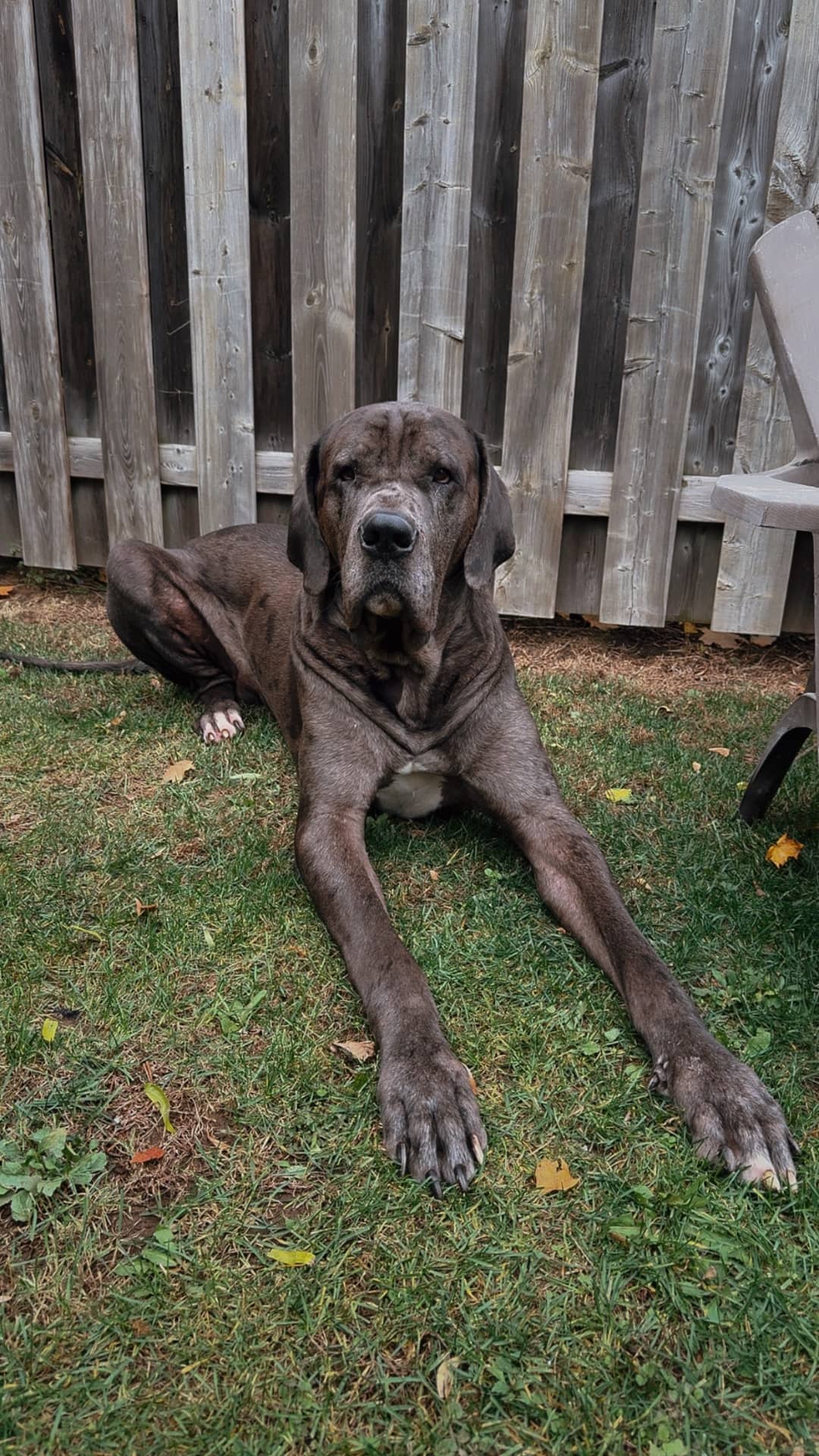

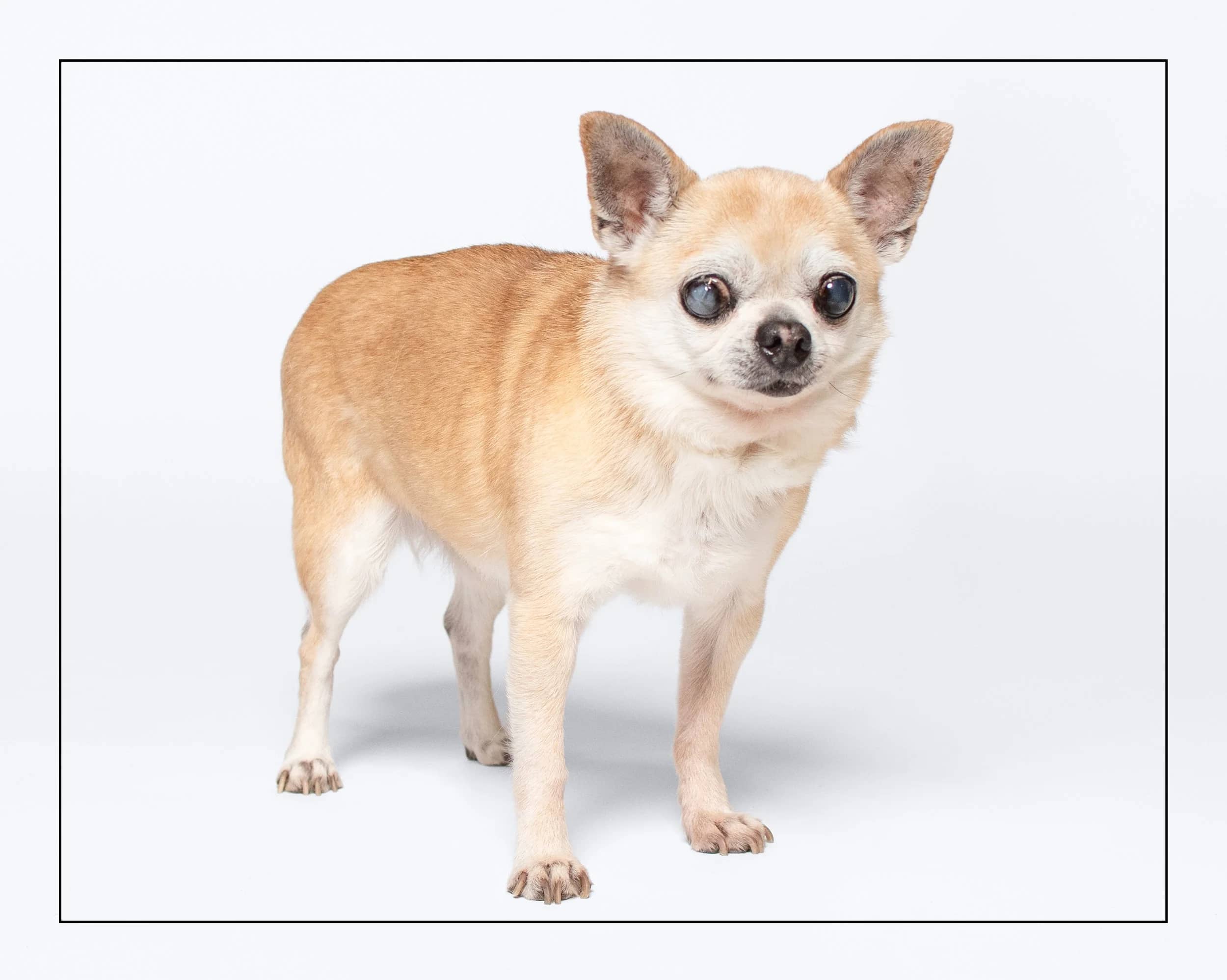
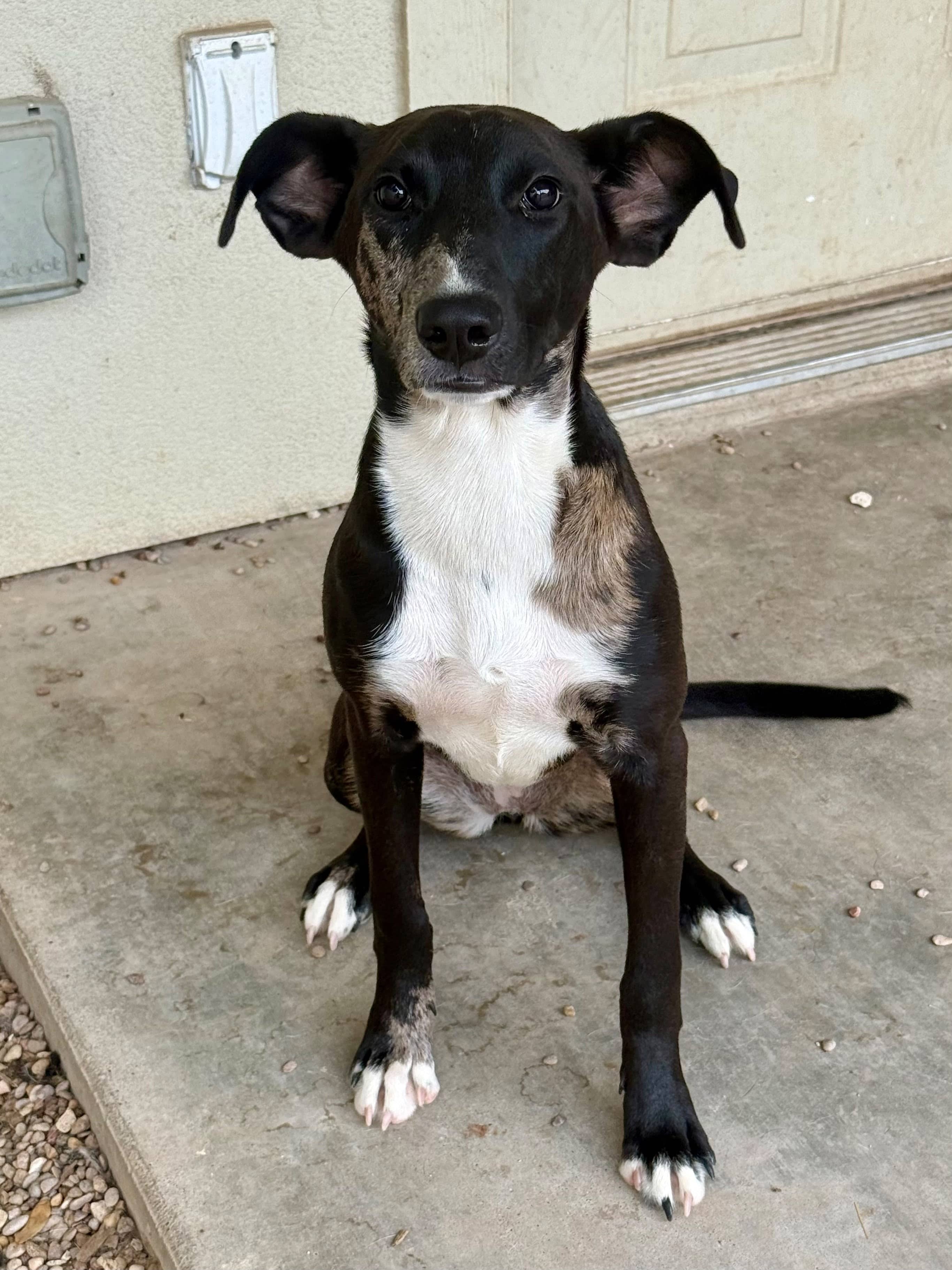
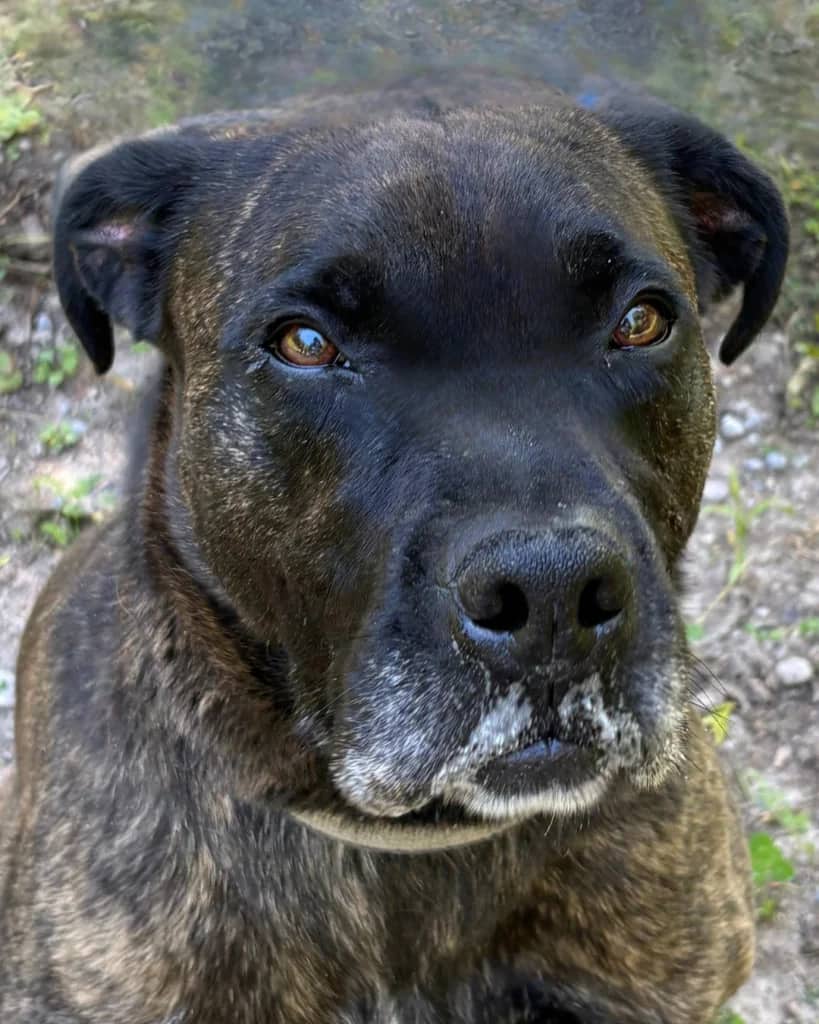
Where to find calm, low-energy dogs in Toronto? The dogs listed here are labelled low-energy by their foster home or shelter staff, sourced from the Toronto Humane Society and City of Toronto Animal Services. Low-energy means 30 to 45 minutes of daily walking and a calm baseline at home: ideal for condos, busy work schedules, and quieter households.
Low-energy is one of the most under-searched but highest-fit categories for Toronto adopters. A calm dog suits the city better than almost any other temperament: short walks fit a downtown work day, quiet behaviour respects concrete-tower acoustics, and elevator rides go smoothly. The classic mistake first-time adopters make is picking a Husky or Border Collie because they look impressive, then surrendering the dog 6 months later when the exercise demands collide with reality. Picking a low-energy dog from the start avoids that whole problem.
Toronto rescue intake includes a steady supply of low-energy dogs. The Toronto Humane Society on River Street and City of Toronto Animal Services (3 shelters: West, North, and East) both label energy level on every listing based on foster observation or shelter staff assessment. Mature dogs (4+ years) and seniors (7+ years) are heavily represented in the low-energy category because activity naturally declines with age. Specific breeds (Cavalier, French Bulldog, Bulldog, Bullmastiff, Newfoundland, Greyhound, Basset Hound) also tend toward calm at any age.
Best Low-Energy Breeds for Toronto Living
These breeds tend toward calm temperaments and appear regularly in Toronto rescue listings:
- Cavalier King Charles Spaniel (13 to 18 lbs). The best small low-energy breed. Calm, gentle, content with short walks. Heart issues to plan for.
- French Bulldog (16 to 28 lbs). Famously low-energy. Quiet, condo-friendly, heat-sensitive in Toronto summers.
- Bulldog, English (40 to 50 lbs). Dignified couch potato. Heavy snorer. Watch the weight cap in condos; usually under building limits but check.
- Bullmastiff (100 to 130 lbs). Calm, quiet, low-activity. Massive size rules out most Toronto condos. Houses in Etobicoke, North York, and Scarborough work.
- Greyhound (60 to 80 lbs). The surprise pick. Couch potatoes off the track. Need a tall fence for backyard but minimal exercise otherwise. Sighthound prey drive limits off-leash freedom.
- Newfoundland (100 to 150 lbs). Gentle giant. Massive but very calm. Houses with yards only.
- Basset Hound (40 to 65 lbs). Low-energy, stubborn, vocal at times. Suits low-rise rental more than tower condo because of baying.
- Shih Tzu (9 to 16 lbs). Calm, affectionate, ideal small condo dog.
- Pug (14 to 18 lbs). Easygoing, sociable. Brachycephalic heat caution.
- Mature Labrador or Golden Retriever (4+ years). Calm down with age. Senior Labs (7+) are often the easiest large condo dogs you can find.
How to Read a Rescue's Energy Rating
Energy labels are starting points, not guarantees. Foster-based ratings are more reliable than shelter-based ratings because the foster has seen the dog at home over weeks. Useful questions to ask:
- How long does the dog settle on the couch in the evening? A true low-energy dog will lie down within 30 minutes of coming home from a walk and stay there for hours.
- How does the dog handle being alone? Low-energy dogs typically nap when left alone rather than pace, bark, or chew.
- How long is the recovery after a 30-minute walk? A low-energy dog is satisfied; a high-energy dog wants more within 30 minutes.
- Does the dog initiate play often? Calm dogs wait for the human to start; high-drive dogs bring the toy every hour.
- What is the longest the dog has been left alone successfully? 6 to 8 hours alone with no issues is a strong low-energy signal.
Foster homes will answer all five honestly. Shelter staff can answer the first three. If you cannot get clear answers, the energy rating is a guess.
Weight Management for Low-Energy Dogs
Low-energy breeds gain weight easily because their calorie burn is low. Toronto vets see overweight French Bulldogs, Pugs, Bulldogs, Bassets, and senior Labs every week. Weight management is the single biggest health investment you can make for a low-energy dog:
- Measure food, do not free-feed. A measuring cup, every meal. Eyeballing leads to overfeeding.
- Limit training treats. Use a portion of the daily food ration as training treats; do not add them on top.
- Stick to the walk schedule even on bad-weather days. Toronto has 5 months of winter and several humid weeks of summer that tempt skipping walks. Don't.
- Annual weight checks. Catch a creeping trend early; reverse 2 pounds, not 15.
- Brachycephalic caution. Pugs, Frenchies, Bulldogs, Bassets, and Shih Tzus develop BOAS faster when overweight. A single extra pound on a Pug is the equivalent of 10 on a person.
Overweight low-energy dogs face higher risks of arthritis, diabetes, heart disease, and breathing problems. Most are preventable with diet management. Toronto specialty vets at the Veterinary Emergency Clinic, OVC referral in Guelph, and Mississauga-Oakville Veterinary Emergency Hospital handle severe cases but the goal is to never need them.
Easy Walks for Low-Energy Toronto Dogs
Low-energy dogs do not need epic hikes. Calm leashed walks through your neighbourhood satisfy most. Good Toronto routes:
- The Beltline Trail from Yonge to Mt. Pleasant. Flat, leashed, low-stress.
- The Martin Goodman Trail along the waterfront. Long but you can do short sections.
- Glen Stewart Ravine in the east end. Quiet, tree-covered, leashed walks.
- Sherwood Park off-leash zone in north Toronto, off-peak weekday mornings, is calm enough for an under-socialized low-energy dog.
- Neighbourhood streets in the Beaches, Leslieville, Cabbagetown, the Annex, Yorkville. Pretty streets, good people-watching, easy on senior or arthritic dogs.
- Full list of designated off-leash and on-leash parks at toronto.ca.
Avoid busy off-leash parks (High Park, Cherry Beach, Trinity Bellwoods) during peak weekend hours if your low-energy dog is shy or new to the city. Off-peak weekday visits are usually better.
Low-Energy Dog Adoption FAQ (Toronto)
How many low-energy dogs are available for adoption in Toronto?
As of October 2026, 82 low-energy dogs are available for adoption in Toronto across 13 rescues on LocalPetFinder. Listings update regularly as pets are adopted and new ones arrive — browse them above and apply directly through the rescue.
Where can I find low-energy dogs for adoption in Toronto?
LocalPetFinder lists low-energy dogs (calm temperament, low exercise needs) currently available from the Toronto Humane Society and City of Toronto Animal Services. Both organisations run behaviour evaluations before listing and label energy level on each dog's profile based on foster observation or shelter staff assessment. Low-energy dogs are some of the most condo-compatible adoptions in Toronto, and the wait is often shorter than for high-energy breeds because the demand is more dispersed. Listings update regularly.
What breeds are typically low-energy?
Calm, low-energy breeds include: Cavalier King Charles Spaniel, French Bulldog, Bulldog (English and American), Bullmastiff, Mastiff, Newfoundland, Saint Bernard, Greyhound (a surprise to many), Basset Hound, Bichon Frise, Shih Tzu, Pug, mature Boston Terrier, and mature Pekingese. Senior dogs of almost any breed (7+ years) usually qualify as low-energy because activity declines with age. Mature Labradors and Golden Retrievers (4+ years) often calm down enough to qualify too.
How much exercise does a low-energy dog need?
Most low-energy dogs do well on 30 to 45 minutes of total daily walking, split across 2 outings. Add 10 to 15 minutes of indoor mental stimulation (puzzle toys, training sessions, sniff games) if the dog gets restless. Compare this to high-drive breeds needing 90+ minutes plus mental work. The lower bar makes low-energy dogs ideal for busy Toronto households, condo dwellers, seniors, and anyone working long downtown hours.
Are low-energy dogs good for first-time owners?
Excellent. A calm dog forgives a learning curve. They are less likely to develop destructive behaviour from under-exercise, less reactive on leash, and easier to manage in busy Toronto environments. Top first-time picks: Cavalier King Charles, mature French Bulldog, mature Shih Tzu, mature Greyhound, senior Labrador, mature Pug. Avoid high-drive working breeds (Husky, Border Collie, Vizsla, Working Shepherd) as a first dog; mismatch between owner experience and dog needs is one of the most common surrender reasons.
Do low-energy dogs work in Toronto condos?
Yes, often better than any other category. Low-energy dogs are calm in elevator buildings, quiet through shared walls, and content with shorter walks. Most fit Toronto condo weight caps (25 to 30 lbs) since the calmest breeds tend to be small to medium (Cavalier, French Bulldog, Shih Tzu, Pug). The exceptions worth knowing: Greyhounds (60 to 80 lbs but couch-potato calm), Bullmastiffs (100+ lbs and quiet but rarely fit condo weight caps), and mature Newfoundlands (massive but extremely calm). Always pull your building's pet rules before applying.
How much does it cost to adopt a low-energy dog in Toronto?
Toronto low-energy dog adoption fees run $300 to $600 from local rescues, with the standard fee structure: spay or neuter, vaccinations, microchip, and basic vet workup. Senior dogs of any breed often have reduced fees ($150 to $300). City of Toronto Animal Services adoptions also include the first year of the Toronto dog licence. Annual ownership cost for a healthy low-energy adult dog runs $1,800 to $3,000 in Toronto depending on size and breed-specific medical needs.
Are low-energy dogs more likely to be overweight?
Yes, and Toronto vets see this often. Low-energy breeds gain weight easily because their natural calorie burn is low. Brachycephalic breeds (Pug, French Bulldog, Bulldog, Shih Tzu, Pekingese) are especially prone. Overweight dogs face higher risks of joint problems, diabetes, heart disease, and BOAS in brachycephalic breeds. Measure food portions (don't free-feed), limit training treats, and stick to the daily walk schedule even when the weather is bad. Annual weight checks at the vet catch creep early.
How do rescues assess a dog's energy level?
Foster-based rescues assess by watching the dog in a home over weeks. Does the dog settle on the couch by evening, or pace and demand attention? Does the dog initiate play often, or wait for the human to start? How long does it take to recover after a walk? Shelter staff use kennel observation and short play sessions, which is less reliable than foster but still useful. Toronto Humane Society and City of Toronto Animal Services both publish energy labels (low / medium / high) based on these assessments. Treat the label as a starting point and ask the rescue specifically about the dog's settling patterns.
Are these low-energy dogs for sale in Toronto?
Not for sale, for adoption, and for most people that is the better deal. Every dog listed here comes from a Toronto-area rescue or shelter rather than a breeder, pet store or classified seller. The adoption fee is typically a few hundred dollars and already covers spay or neuter, vaccinations, deworming and a microchip, which on their own would usually cost more than the fee. If you searched "low-energy dogs for sale toronto", this is the same search done a cheaper way, with a dog someone has already examined and can tell you about.
Where can I buy a low-energy dog in Toronto, and should I?
You can buy from a registered breeder, and it is worth pricing against adoption before you do. A breeder puppy generally runs well into four figures and often comes with a waitlist, while a rescue dog costs a few hundred dollars fully vetted and may be available this week. The listings to be careful with are the cheap ones on classified sites and marketplaces, which are frequently backyard breeders or puppy-mill resellers moving unvetted animals with no health guarantee. If you do buy, insist on seeing where the litter was raised and getting vet records.
Are there free low-energy dogs in Toronto, or low-energy dogs under $500?
Adoption is the closest honest answer and it is not free. A rescue dog in Toronto usually costs a few hundred dollars. The fee already covers medical work worth considerably more. Genuinely free listings deserve suspicion: a dog advertised free to a good home has usually not been vetted, and free rehoming ads are the route flippers and unregistered breeders use to move animals with no recourse for the buyer. Reduced-fee events, sponsored long-stay dogs and senior discounts are the legitimate ways the price comes down.
Are there calm puppies in Toronto, or mostly adults?
Both, but adults outnumber puppies and it is worth knowing that before you start. Most dogs arriving in Toronto rescue are adolescents and adults, because that is the stage at which first homes tend to give up. Puppies do come through, usually as accidental litters or with a surrendered mother, and they are typically spoken for quickly, so an alert beats refreshing the page. It is also worth asking whether you want one: an adult arrives with a temperament a foster has already lived with and can describe, where a puppy is a prediction.
Where can I find low-energy dogs near me in Toronto?
Start with the listings on this page, which pull from Toronto rescues and shelters and refresh regularly, so what you see is genuinely available rather than a directory that went stale months ago. If nothing suits today, check back or set an alert, because low-energy dogs in particular move fast and the list turns over. It is also worth widening slightly beyond the city, since most rescues serving Toronto will adopt across a reasonable driving distance rather than only within municipal limits.