1 Alaskan Malamute puppy available in Ontario
Under a year old, listed by rescues and shelters. Updated as shelters publish.
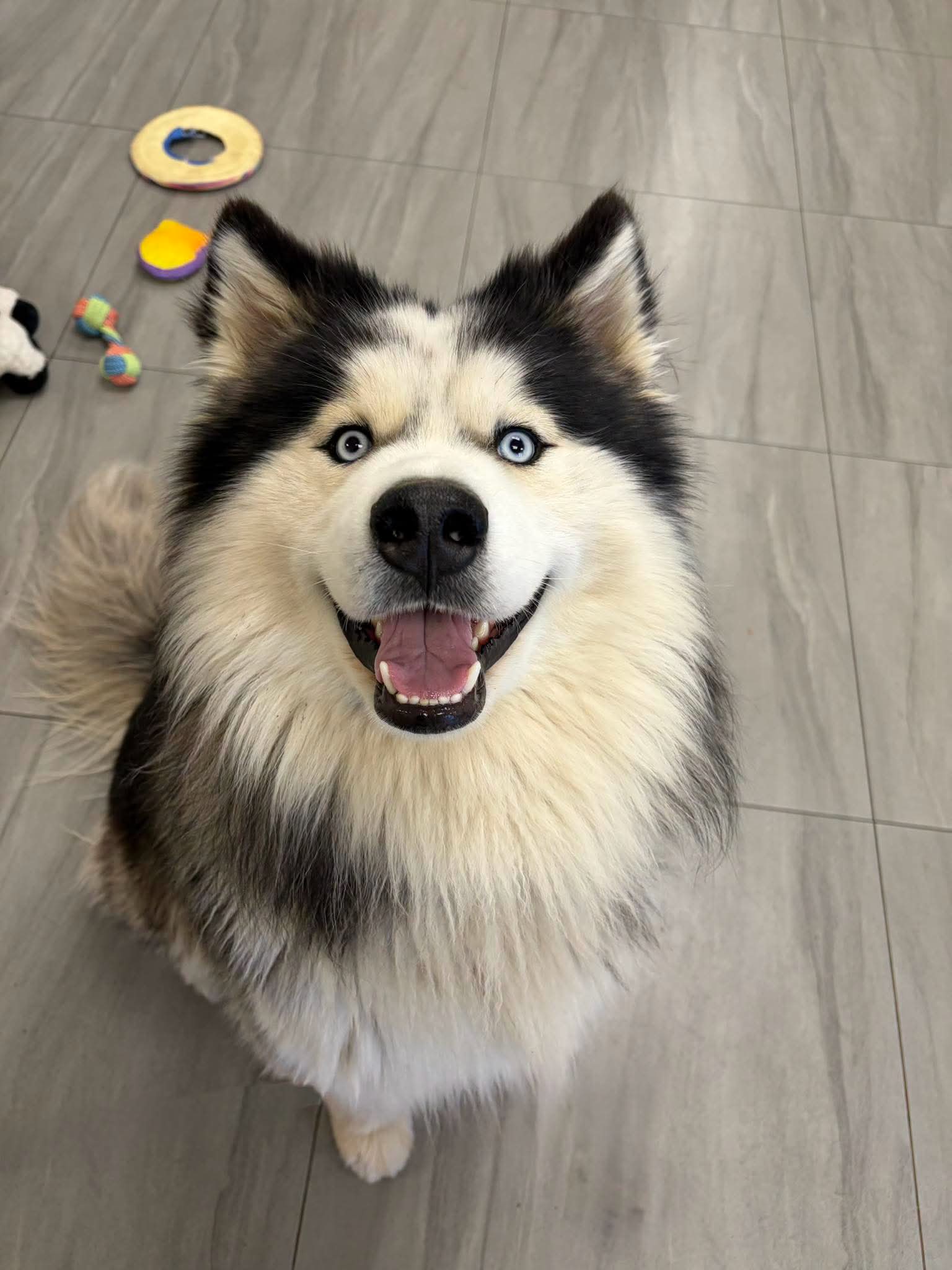
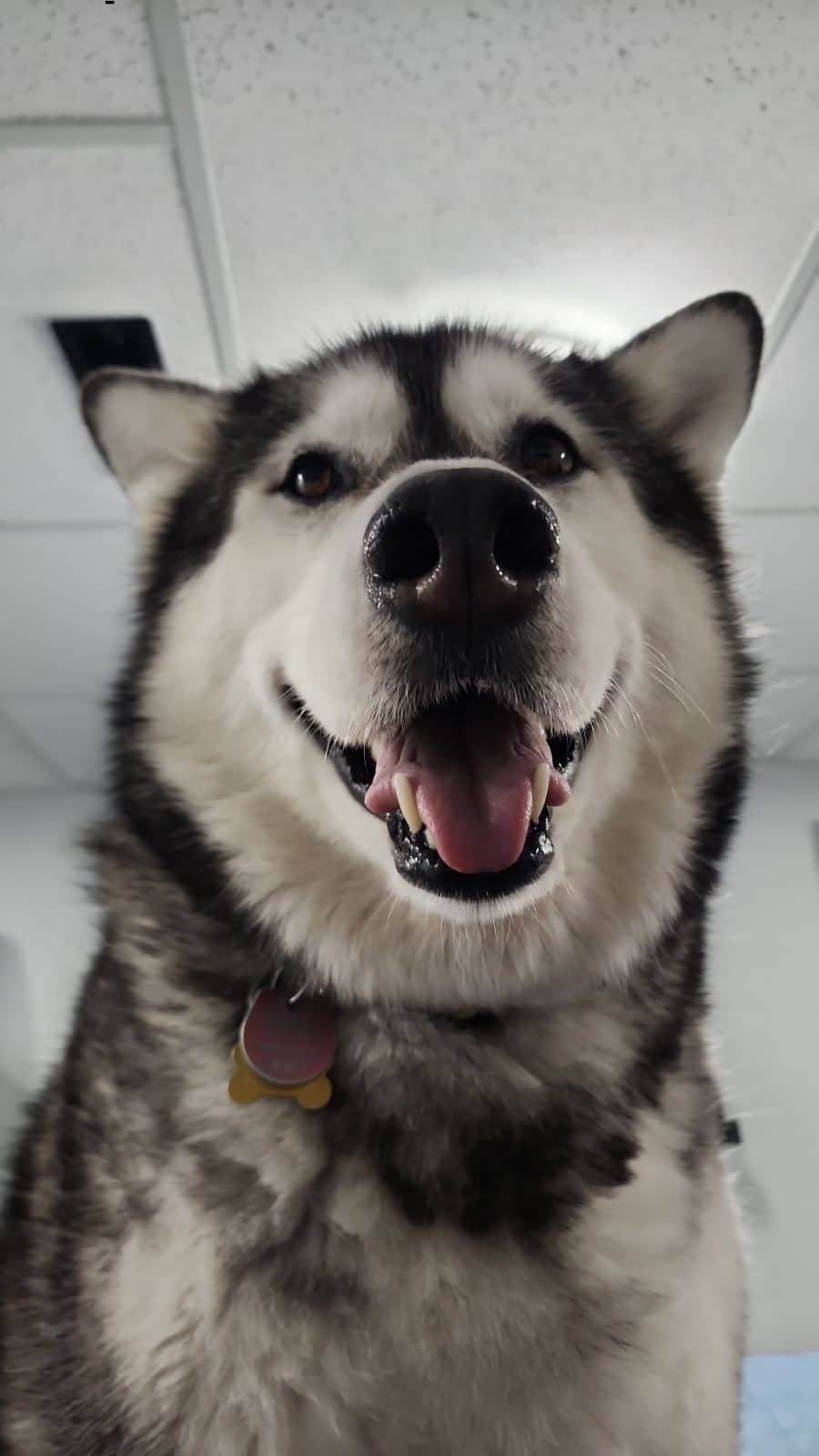
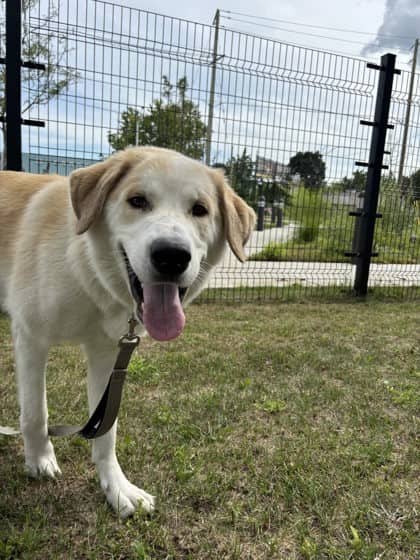
Get notified when an Alaskan Malamute is listed
We will email you the moment an Alaskan Malamute becomes available in Ontario, from a rescue or an owner rehoming.
Adopting an Alaskan Malamute in Ontario
Alaskan Malamutes and Mal crosses are uncommon in Ontario rescue. The Toronto Humane Society, the Ottawa Humane Society, and Ontario SPCA branches see them occasionally — usually 1 to 4 year old adolescents from GTA and Ottawa households that underestimated the size, the containment workload, the daily exercise demands, or the grooming volume. Mal crosses (often Mal-Husky or Mal-Shepherd) are slightly more common than purebreds in Ontario intake.
A reputable rescue will provide written foster observations on recall (functionally absent — this is breed-defining), prey drive, dog-dog tolerance, escape attempts, and any documented fence failures. Ask specifically about how the dog handles confinement and the longest stretch the dog has been alone in foster. Malamutes are not garage dogs and not backyard-only dogs; the breed bonds with the household and becomes destructive when isolated.
Never reliably off-leash, and what that means for Ontario adopters
Malamutes are 75 to 100 lbs (vs Husky 35 to 60 lbs), bred for hauling heavy freight in arctic Alaska rather than running fast. They are slower than Huskies but more powerful, more independent, and just as escape-prone. The breed standard explicitly notes high prey drive and a tendency to wanderlust — recall is functionally unreliable for life, regardless of training investment. Toronto and Ottawa off-leash parks (High Park, Cherry Beach, Sunnybrook, Bruce Pit, Conroy Pit) are not fenced and are not safe for an off-leash Mal.
Containment requires real engineering. A standard 4-foot residential fence will not hold a Malamute. Six-foot fence with skirting buried 12 inches into the ground and a locked gate is the realistic minimum. Many Ontario Mal adopters reinforce the fence after the first escape — the breed is strong enough to push panels apart, smart enough to figure out latches, and motivated enough to keep trying. Pulling strength is also genuinely high; handler injuries on leash are common if the dog lunges at squirrels or rabbits along the Don Valley trails.
Coat, climate, and lifetime health
Malamutes were developed for sub-zero working conditions. Ontario winter is the easy season — they thrive at minus 25 and seek out snow to lie in for hours. Toronto humid summers above 28°C with humidex are genuinely dangerous; the dense double coat cannot dump heat efficiently in GTA humidity, exercise must restrict to dawn or after sunset, air conditioning is essential indoors, and never shave the coat (the guard hairs reflect sun better than skin would, and shaving damages regrowth and impairs heat regulation permanently in some dogs). Grooming runs $150 to $300 per professional visit, plus 3 to 4 brushings a week at home; coat-blow in spring and fall is extreme.
Health: hip and elbow dysplasia, polyneuropathy (Alaskan Malamute Polyneuropathy is a breed-specific late-onset neurological condition — a DNA test is available), chondrodysplasia (a form of dwarfism — also genetically testable), cataracts and day blindness (cone degeneration), hypothyroidism, and bloat (gastric dilation-volvulus, an emergency requiring $5,000 to $8,000 in surgery at GTA specialty practices). The Ontario Veterinary College in Guelph and VCA Canada specialty branches handle the neurology and orthopaedic workups. Median lifespan is 10 to 14 years.
Looking more broadly? Browse every adoptable dog across the province on Dog Adoption Ontario.
The rescues that most often list Alaskan Malamutes across the province are Toronto Humane Society, Ottawa Humane Society, and Ontario SPCA (Ottawa Area). For breed-specific background, the Canadian Kennel Club is a useful reference.
Alaskan Malamute Adoption FAQ — Ontario
Tap a question to expand
How many Alaskan Malamutes are available for adoption in Ontario?▼
Where can I adopt an Alaskan Malamute near me in Ontario?▼
Are Malamutes the same as Huskies?▼
Can a Malamute be off-leash in Toronto or Ottawa?▼
Can a Malamute handle a Toronto summer?▼
How much does it cost to adopt an Alaskan Malamute in Ontario?▼
Can I get an Alaskan Malamute free to a good home in Ontario?▼
Are these Alaskan Malamutes for sale in Ontario?▼
Where can I buy an Alaskan Malamute in Ontario, and should I?▼
Are there free Alaskan Malamutes in Ontario, or alaskan malamutes under $500?▼
Are there Alaskan Malamute puppies in Ontario, or only adults?▼
Where can I find an Alaskan Malamute near me in Ontario?▼
Popular dog breeds in Ontario
Alaskan Malamute adoption by city in Ontario
Each city page lists only the alaskan malamutes available from rescues serving that city, with local adoption details.
Need to rehome a Alaskan Malamute?
If you can no longer keep your Alaskan Malamute, you can list them for free on LocalPetFinder. Your dog stays in your home until you find the right family, you screen who applies, and there is no surrender fee. Not sure yet? Our guide to surrendering a dog in Canada walks through every option first.
List your dog for free →